How to Organize Desk Drawers: Best Trays and Organization Ideas
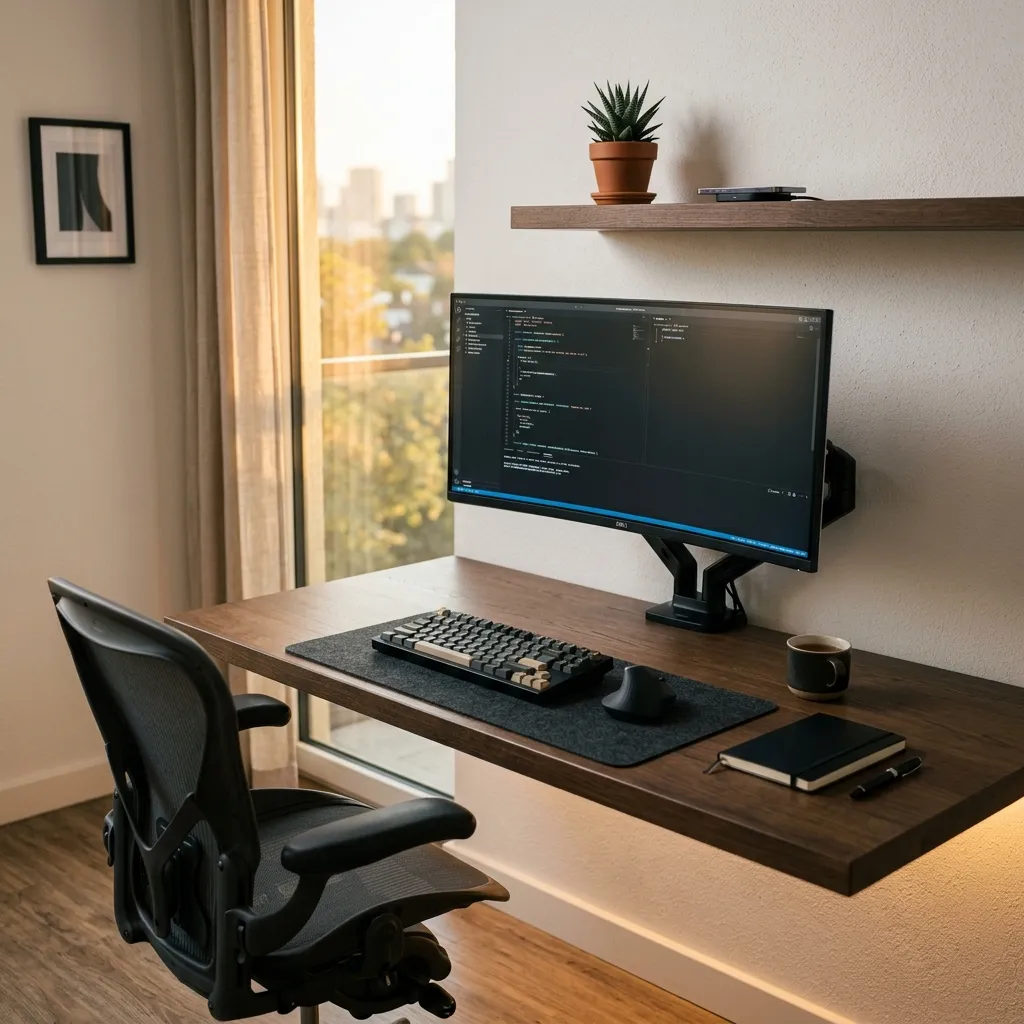
Effective desk drawer organization enhances productivity and accessibility while maintaining an orderly workspace.
Ergonomics of Desk Drawer Organization
Properly organized desk drawers promote ergonomic efficiency by reducing strain during use. Consider the layout to ensure frequently used items are within easy reach.
Performance Impact of Organized Drawers
A well-organized drawer can significantly enhance task performance by minimizing time spent searching for tools. This leads to improved workflow and reduced frustration.
Materials for Drawer Organizers
Drawer organizers come in various materials, including plastic, wood, and metal. Each material offers distinct advantages regarding durability, aesthetics, and ease of cleaning.
Design Features of Effective Organizers
Design features such as adjustable compartments and modular systems maximize versatility. Select organizers that allow for customization to suit specific storage needs.
Top Brands for Desk Organization Trays
Brands such as ULINE, Really Useful Boxes, and IKEA offer high-quality organizational solutions. Each brand provides unique features, such as stackability and varying sizes, to cater to diverse organizational requirements.
| Brand | Material | Size Options | Price Range | Features |
|---|---|---|---|---|
| ULINE | Plastic | Small, Medium, Large | $10 - $50 | Stackable, durable |
| Really Useful Boxes | Polypropylene | Multiple sizes | $15 - $60 | Clear, modular design |
| IKEA | Wood, Metal | Various | $20 - $100 | Stylish, customizable |
DomineTec Tip: Use drawer dividers to create dedicated spaces for different categories, reducing visual clutter and promoting efficient retrieval.
- Assess drawer size and contents to determine the best organization strategy.
- Choose high-quality organizers that fit within the drawer dimensions.
- Group similar items together, such as writing tools, papers, and office supplies.
- Label compartments for quick identification of contents.
- Regularly review and reorganize contents to maintain efficiency.
For more on creating a productive workspace, explore the clean productivity desk setup and understanding the correct monitor height.
Choosing the Right Size for Your Drawer Organizers
When selecting drawer organizers, it's crucial to consider the dimensions of your desk drawers. Measure the depth, width, and height of the drawers to ensure a proper fit for the organizers you choose.
Opting for organizers that maximize vertical space can be beneficial, especially in shallow drawers. This allows for the storage of more items without crowding the drawer.
Consider the layout of your drawer when choosing sizes; some items may require larger compartments, while smaller items can fit into narrower sections. Assessing your needs can help create a more functional organization system.
Take into account the possibility of future changes in your workspace. Selecting adjustable or modular organizers can provide flexibility as your storage needs evolve.
Color-Coding Your Drawer Organization
Implementing a color-coding system can streamline the organization of desk drawers. Assign specific colors to different categories of items, such as writing tools, stationery, or electronic accessories.
Using color-coded organizers enhances visual appeal and facilitates quick access to items. This method can reduce time spent searching for supplies, improving overall productivity.
In addition, color-coding aids in maintaining organization. If items are returned to their designated color-coded sections, it becomes easier to identify misplaced items.
Consider using removable color labels for flexibility. This allows for easy adjustments if the needs of your workspace change over time.
Utilizing Drawer Dividers for Enhanced Organization
Drawer dividers create separate compartments within a drawer. They help keep similar items grouped together, preventing clutter and confusion.
Adjustable drawer dividers can be particularly useful, as they can be rearranged based on the changing contents of the drawer. This adaptability ensures that the organization system remains functional over time.
Incorporating drawer dividers can also lead to better visibility of items. When everything has its own designated space, it becomes easier to see what is available at a glance.
Consider materials for dividers that match your existing organizers for a cohesive look. A unified appearance can enhance the aesthetic appeal of your workspace.
Incorporating Technology into Drawer Organization
Modern technology can enhance the functionality of desk drawer organization. Smart organizers with built-in charging ports or wireless charging capabilities can keep devices powered without cluttering the desktop.
Additionally, consider using apps to track the items stored in your drawers. Scanning items into a digital inventory can simplify locating supplies when needed.
Some organizers come equipped with sensors to notify users when items are running low or need to be replaced. This proactive approach can prevent last-minute scrambles to find essential supplies.
Integrating technology into your organization system can improve efficiency, making it easier to maintain a tidy workspace while adapting to modern work habits.
Seasonal Organization Tips for Desk Drawers
Seasonal organization can help maintain an efficient workspace throughout the year. Regularly assess the contents of your desk drawers and remove items that are no longer necessary.
During the transition between seasons, consider swapping out tools and supplies that are relevant to the upcoming months. For example, replace summer stationery with holiday-themed items in winter.
Establish a schedule for seasonal organization, allowing time for decluttering and reorganizing. Consistency in this practice can lead to a more efficient workspace year-round.
Encouraging a habit of evaluating drawer contents every few months can help prevent clutter from building up, ensuring that only essential items remain readily accessible.
Maximizing Vertical Space with Stackable Organizers
Stackable organizers can be a game-changer for maximizing vertical space in desk drawers. By utilizing the height of the drawer, these organizers can increase storage capacity without requiring additional horizontal space.
When selecting stackable organizers, ensure they are stable and designed to maintain their structure when stacked. This stability prevents items from toppling over, maintaining the organization system.
Consider mixing and matching different sizes of stackable organizers to accommodate various items. Customizing your setup can lead to a more functional and personalized organization solution.
Stackable organizers also offer versatility, as they can be rearranged easily to adapt to changing storage needs or to accommodate larger items as necessary.
Feedback and Adaptation in Your Organization System
Regularly seeking feedback on your organization system can lead to improvements. Consider asking colleagues or family members for their input on the functionality and accessibility of your desk drawers.
Be open to adapting your organization system based on this feedback. Implementing suggestions may enhance usability and promote a more efficient workspace.
Additionally, self-assessment can be beneficial. Periodically evaluating your own experiences with the organization system can reveal areas that need adjustment or improvement.
Creating a culture of adaptability in your workspace can lead to ongoing efficiency and satisfaction, ensuring that your organization system continues to serve its purpose effectively.
Implementing Minimalism in Desk Drawer Organization
Minimalism focuses on simplicity and the reduction of clutter, which can greatly enhance the effectiveness of desk drawer organization. The first step in implementing minimalism is to assess the items currently stored in your drawers and determine their necessity.
By removing non-essential items, you create more space and make it easier to find what you need. Consider adopting a "one in, one out" policy to maintain a minimalist approach over time.
Incorporating clear containers can help maintain a clean look while allowing visibility of contents. Choose organizers that promote a sense of openness rather than overcrowding, which can lead to chaos.
Lastly, aim to keep only items that serve a functional purpose or bring joy, aligning with minimalist principles and contributing to a more efficient workspace.
Creating a Labeling System for Drawer Contents
A labeling system can greatly enhance the organization of desk drawers by providing quick identification of contents. Start by categorizing items into groups, such as stationery, tools, and important documents, before assigning labels.
Using clear, legible labels can save time during busy workdays, as employees can quickly locate necessary items without unnecessary rummaging. Consider using color-coded labels to visually distinguish between different categories.
Labeling can also encourage accountability; when team members know where things belong, they are more likely to return items to their designated spots. Opt for durable labels that can withstand wear and tear over time.
Finally, consider digital labeling options, such as QR codes linked to inventory lists, which can modernize the organization process and provide additional information about drawer contents.
Incorporating Sustainability into Drawer Organization
Choosing sustainable materials for drawer organizers can contribute to an eco-friendly workspace. Start by selecting organizers made from recycled or sustainably sourced materials, which can reduce environmental impact.
Additionally, consider multi-functional organizers that can serve various purposes, minimizing the need for multiple products. This can save space and reduce waste.
Encourage a culture of reusability by incorporating items such as repurposed containers or upcycled materials into your organization system. This promotes sustainability and adds a unique touch to your workspace.
Finally, maintaining a sustainable organization system involves regularly evaluating your supplies to ensure they are still needed, thus reducing the likelihood of waste in the long run.
Adapting Your Organization System for Remote Work
As remote work becomes more prevalent, adapting desk drawer organization to suit home environments is essential. Begin by assessing the specific needs of a home office, which may differ significantly from a traditional workspace.
Consider using portable organizers that can be easily moved around, allowing for flexibility based on your working habits. Items such as mobile caddies can help keep essential tools readily accessible.
Incorporating a system that accommodates both work and personal items can streamline your workspace. Designate separate sections for work-related materials and personal supplies to maintain clarity and focus.
Lastly, regularly re-evaluate your organization system to ensure it meets evolving needs, and be open to adjusting your setup to enhance productivity in a remote work setting.
Organizing Small Tools and Supplies
Small tools and office supplies, such as scissors, tape, and staplers, often clutter desk drawers, making it difficult to find what you need quickly. To effectively organize these items, consider using a combination of trays and dividers specifically designed for small tools. This allows you to categorize items by their function or frequency of use, streamlining the retrieval process.
Using shallow trays can help keep smaller items visible and easily accessible. Clear plastic trays are particularly effective because they allow you to see the contents at a glance, reducing the likelihood of rummaging through the drawer. Additionally, grouping similar items together can save time and enhance productivity when you’re in need of a particular tool.
Magnetic strips can also be an innovative solution for organizing small metallic items. By affixing a magnetic strip inside the drawer, you can safely store paper clips, push pins, and other metallic tools in a way that keeps them organized and off the bottom of the drawer. This conserves space and enhances overall accessibility.
Finally, regularly reassess the contents of your small tools drawer. As your needs evolve, so too should your organization system. Removing items that are no longer used or finding more efficient ways to store frequently accessed tools will help maintain an organized and functional workspace.
Creating a Maintenance Routine for Drawer Organization
Establishing a maintenance routine is vital to ensuring that your desk drawer organization remains effective over time. A regular schedule for reviewing and reorganizing your drawers can prevent clutter from building up again. Consider setting aside time at the end of each month to assess what items have been used and which ones can be discarded or relocated.
During your maintenance sessions, check for any items that may have been misplaced or are no longer needed. This is also a good opportunity to clean the drawer itself, removing dust and debris that can accumulate over time. A clean environment contributes to overall productivity and enhances your workspace aesthetics.
Incorporate feedback into your maintenance routine. Take note of any items that you frequently struggle to find or areas of the drawer that tend to get messy. Adjusting your organization system based on your observations will lead to a more efficient and personalized setup. This adaptability is essential for a workspace that evolves alongside your needs.
Additionally, consider using reminders or digital tools to help you stay on track with your maintenance routine. Setting calendar alerts or using task management apps can provide the necessary prompts to keep your drawer organization system up to date, ensuring that it continues to support your work effectively.
Utilizing Drawer Mats for Enhanced Stability
Drawer mats serve as an essential foundation for an organized drawer, providing a non-slip surface that helps keep items in place. They can be made from various materials, including rubber, felt, or fabric, each offering unique benefits for drawer organization.
Using drawer mats can prevent items from sliding around when the drawer is opened or closed, enhancing stability and reducing noise. Additionally, mats can be easily cut to fit the exact dimensions of your drawer, allowing for a customized organization solution.
Moreover, drawer mats can protect the interior surfaces of the drawer from scratches and damage caused by sharp or heavy objects. This added layer of protection can significantly extend the lifespan of your furniture.
Finally, choosing visually appealing drawer mats can enhance the overall aesthetic of your workspace. Whether opting for vibrant colors or subtle patterns, these mats can add a decorative touch while serving a functional purpose.
Creating a Thematic Organization System
A thematic organization system categorizes drawer contents based on specific themes or purposes, making it easier to find and access items. For example, one might have a theme focused on writing tools, another on office supplies, and yet another on personal items.
This approach allows for a more intuitive organization, as each drawer can be dedicated to a particular theme, minimizing time spent searching for items. Thematic organization is particularly useful in multi-functional spaces where different types of activities occur.
Additionally, implementing a thematic system can help streamline workflows. By grouping related items together, users can quickly access everything they need for a specific task, enhancing productivity and focus.
When creating a thematic organization system, consider labeling each drawer clearly to reflect its designated theme. This will further aid in maintaining the organization and ensuring that all items are returned to their proper places after use.
Frequently Asked Questions
What materials are best for drawer organizers?
Plastic and wood are popular choices due to their durability and aesthetic appeal, while metal offers robustness for heavier items.
How often should desk drawers be reorganized?
Drawers should be reviewed and reorganized every few months or when clutter becomes noticeable to maintain efficiency.
Are adjustable organizers worth the investment?
Adjustable organizers provide flexibility for changing needs, making them a worthwhile investment for long-term usability.
Can drawer organization affect productivity?
Yes, organized drawers can reduce time spent searching for items, thereby enhancing overall productivity and focus.
What are some budget-friendly organizer options?
Many budget options exist, including DIY solutions using recycled materials, which can be customized to fit specific drawer sizes.