Correct Office Chair and Desk Height for Good Ergonomic Posture
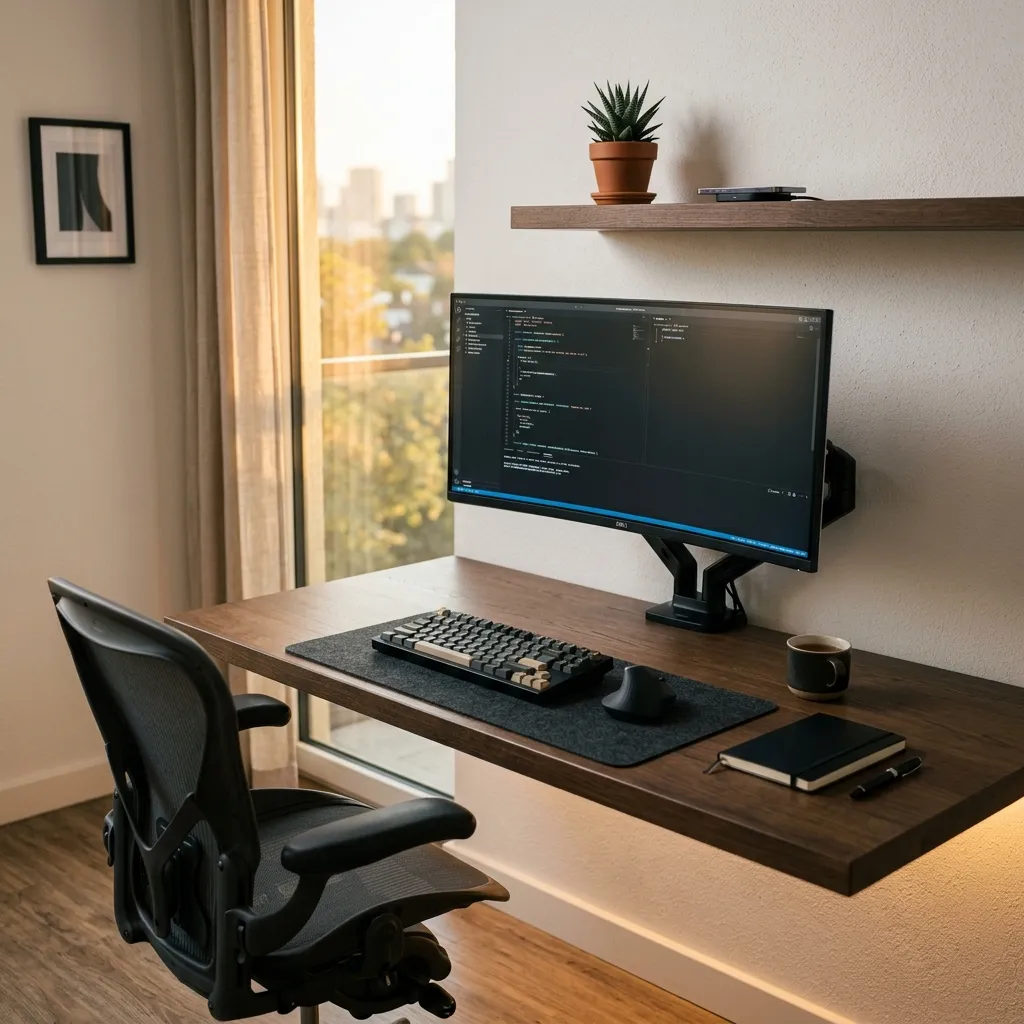
The correct office chair and desk height are crucial for maintaining optimal ergonomic posture, enhancing comfort and productivity.
Understanding Ergonomic Principles
Ergonomics involves designing workspaces to fit the user’s needs, ensuring comfort and efficiency. Proper chair and desk heights prevent musculoskeletal disorders and enhance overall well-being.
Optimal Desk Height Specifications
The standard desk height ranges from 28 to 30 inches (71 to 76 cm) for most users. Custom desks can be adjusted to fit specific needs, promoting a neutral wrist and arm position.
Chair Height and Its Importance
Office chairs should have adjustable heights, ideally between 16 to 21 inches (41 to 53 cm). A proper chair height allows feet to rest flat on the ground or on a footrest.
Materials Influencing Ergonomics
High-quality materials such as breathable mesh, memory foam, and adjustable hydraulic lifts enhance comfort and durability. These materials contribute to better posture and prolonged use without discomfort.
Comparative Analysis of Top Brands
| Brand | Chair Height Range (inches) | Desk Height Range (inches) | Material |
|---|---|---|---|
| Herman Miller | 16-20.5 | 26-30 | Mesh, Aluminum |
| Steelcase | 16-21 | 28-30 | Fabric, Plastic |
| Secretlab | 17-21 | 27-30 | PU Leather, Steel |
DomineTec Tip: Adjust chair and desk heights while seated to ensure the correct angle at knees and elbows for optimal posture.
- Measure the height of your knees while seated.
- Set the desk height 1-2 inches below the knee height.
- Adjust the chair height to allow feet to rest flat.
- Ensure armrests are set so elbows are at 90 degrees.
- Perform regular adjustments as needed to maintain comfort.
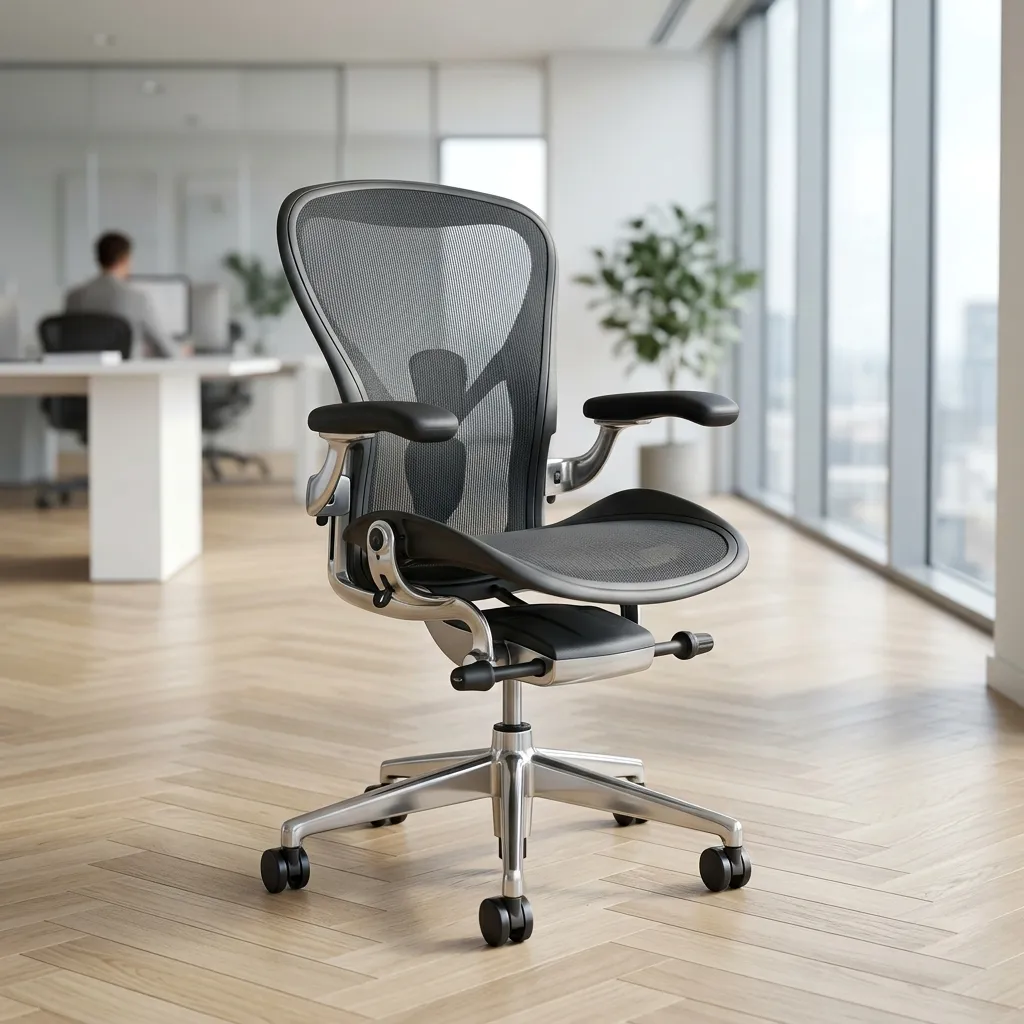
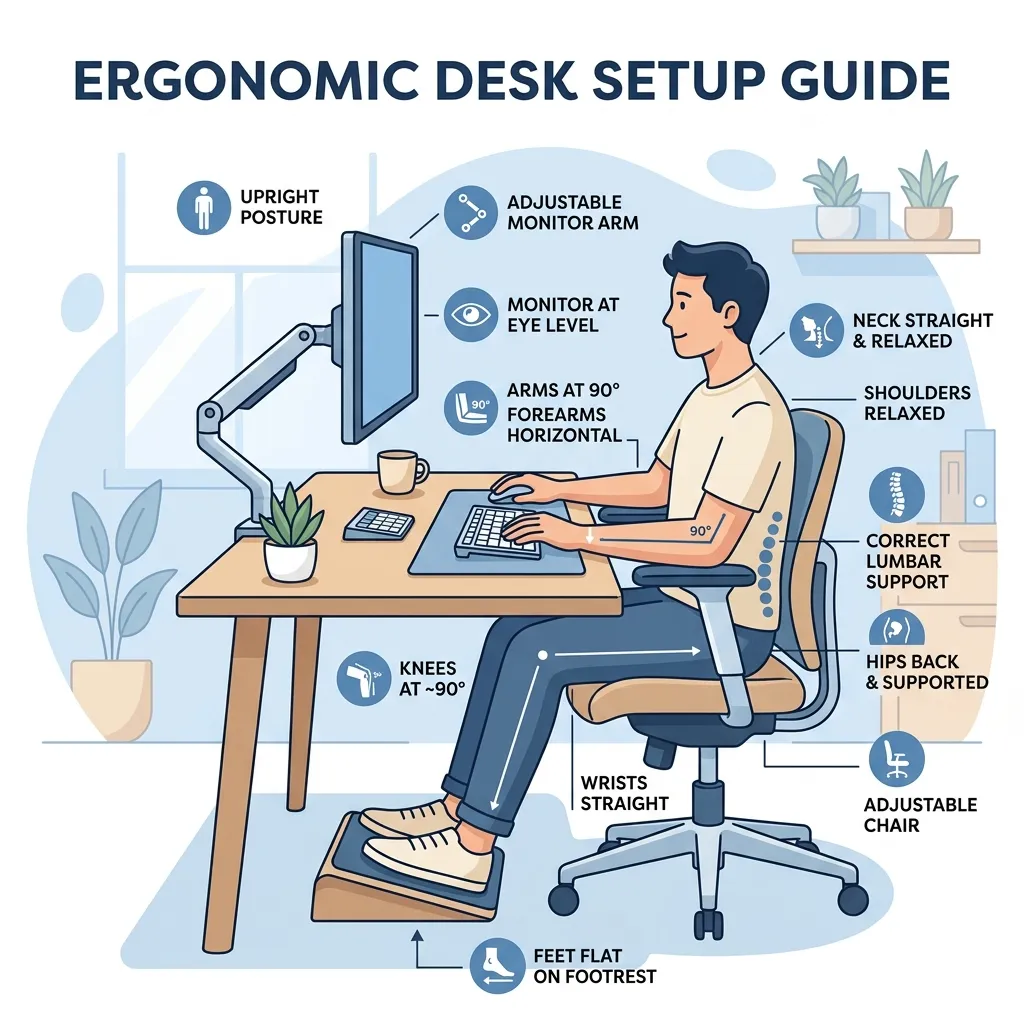
For further enhancements, consider a clean productivity desk setup and explore how to choose mechanical keyboard switches.
Adjustable Features for Enhanced Comfort
Modern office chairs often come with a variety of adjustable features that significantly enhance user comfort. These features include adjustable armrests, lumbar support, and seat depth, which can be tailored to individual preferences.
Adjustable armrests allow users to position their arms at a comfortable height, reducing strain on the shoulders and neck. Proper arm placement can alleviate pressure on the upper back and enhance overall posture.
Lumbar support is crucial for maintaining the natural curve of the spine. Chairs equipped with adjustable lumbar support enable users to customize the fit, providing essential support to the lower back during prolonged sitting.
Seat depth adjustment is vital for accommodating different leg lengths. A properly adjusted seat depth ensures that the backrest supports the user’s lumbar region while allowing for adequate legroom, promoting better circulation.
The Role of Monitor Height in Ergonomics
Monitor height directly impacts neck and eye health, making it a critical consideration in ergonomic setup. A monitor positioned at eye level helps maintain a neutral neck position, reducing the likelihood of strain.
When the monitor is too high or too low, users may find themselves leaning forward or tilting their heads, which can lead to discomfort and long-term musculoskeletal issues. Adjustments should ensure that the top of the screen is at or just below eye level.
Additionally, the distance between the user and the monitor should be approximately an arm's length away. This distance helps reduce eye strain and allows for a comfortable viewing angle, promoting better focus and productivity.
Using monitor risers or adjustable stands can facilitate the ideal setup, ensuring that users can achieve the correct height and distance for their specific needs.
Importance of Foot Placement and Support
Foot placement plays a significant role in overall ergonomic posture. Feet should rest flat on the floor or on a footrest to provide stability and support while sitting.
When feet dangle or are improperly positioned, it can lead to poor circulation, discomfort, and fatigue. A footrest can help maintain proper foot positioning, particularly for individuals who are shorter in stature.
Proper foot placement also influences the alignment of the hips and spine. When feet are supported, it encourages a more upright posture, reducing the risk of slouching or leaning, which can lead to back pain over time.
Employing a footrest can also promote movement, allowing users to shift their weight and avoid stiffness during long hours of sitting. This subtle activity can enhance comfort and overall well-being in the workplace.
Environmental Factors Affecting Ergonomics
The workplace environment can significantly influence ergonomic comfort and productivity. Factors such as lighting, temperature, and noise levels should be considered when setting up an ergonomic workspace.
Proper lighting is essential to reduce eye strain and enhance visibility. Natural light is preferred, but if that is not an option, adjustable task lighting can help minimize glare and ensure adequate illumination for reading and working.
Temperature control is another critical factor; a comfortable ambient temperature can improve concentration and reduce fatigue. Ensuring that the workspace is neither too hot nor too cold will contribute to a more productive environment.
Noise levels can also impact focus and comfort. Utilizing sound-absorbing materials or noise-canceling headphones can help create a quieter workspace, allowing for increased concentration and better ergonomic outcomes.
Regular Breaks and Movement Integration
Incorporating regular breaks into the workday is essential for maintaining good ergonomic posture. Prolonged sitting can lead to discomfort and health issues, making it crucial to encourage movement throughout the day.
Taking short breaks every hour to stand, stretch, or walk can help alleviate tension and promote circulation. Simple stretches targeting the back, neck, and shoulders can rejuvenate the body and enhance overall comfort.
Implementing movement into the work routine can also enhance energy levels and focus. Activities such as walking meetings or using standing desks can facilitate a more dynamic work environment.
Encouraging a culture of movement within the workplace can lead to increased employee satisfaction and productivity, ultimately contributing to better ergonomic outcomes for all employees.
Personalization of Ergonomic Workstations
Personalization of ergonomic workstations is vital for optimizing comfort and productivity. Each individual has unique needs and preferences, making it essential to customize the workspace accordingly.
Users should assess their specific requirements, including chair type, desk height, monitor positioning, and accessories. This personalized approach ensures that all components of the workstation work harmoniously together.
Utilizing tools like ergonomic assessments or consultations can aid in identifying the best configurations for individual users. This tailored setup can significantly enhance comfort and reduce the risk of injury.
Regular re-evaluation of ergonomic setups is also important, as changes in job roles or personal health can necessitate adjustments. Ensuring that workstations evolve with individual needs promotes sustainable ergonomic practices.
Training and Education on Ergonomics
Training and education on ergonomic principles are essential for fostering a culture of health and safety in the workplace. Employees should be informed about the importance of ergonomics and how to set up their workstations effectively.
Workshops, seminars, and online resources can provide valuable insights into proper ergonomic practices. By educating employees on the significance of posture, equipment adjustment, and regular movement, organizations can enhance overall workplace well-being.
Implementing ergonomics training can also lead to reduced injury rates and increased productivity. Employees who understand how to optimize their work environments are more likely to experience comfort and satisfaction in their roles.
Continuous education on ergonomics ensures that employees remain aware of best practices and emerging trends, fostering a proactive approach to workplace health and safety.
Assessing the Impact of Poor Ergonomics
Poor ergonomic practices can lead to a variety of musculoskeletal disorders, including carpal tunnel syndrome and chronic back pain. Studies have shown that individuals who spend long hours in non-ergonomic setups are at a higher risk of developing these conditions over time.
In addition to physical ailments, inadequate ergonomic setups can also affect mental well-being. Discomfort caused by improper chair and desk heights can lead to increased stress levels and decreased productivity.
Long-term exposure to poor ergonomics can result in lasting damage, which may require medical intervention or physical therapy. Addressing ergonomic issues early on can prevent these complications and enhance overall workplace health.
Employers should conduct regular assessments of workstation ergonomics to identify potential risks and implement necessary changes. This proactive approach not only promotes employee health but also fosters a more productive work environment.
Implementing Ergonomic Assessment Tools
Utilizing ergonomic assessment tools can significantly enhance the effectiveness of workplace evaluations. Tools such as posture analysis software and ergonomic assessment checklists provide valuable insights into the current setup and highlight areas needing improvement.
Posture analysis software can capture real-time data on an individual's posture while working, allowing for precise adjustments to be made. This technology typically offers feedback on alignment and encourages users to maintain optimal positions throughout the workday.
Ergonomic assessment checklists serve as practical guides for evaluating various aspects of a workstation, including chair height, desk height, and monitor placement. These checklists can help both employees and employers systematically address ergonomic deficiencies.
Incorporating these assessment tools into regular workplace evaluations not only ensures compliance with ergonomic standards but also helps cultivate a culture of health and safety among employees. This commitment can lead to improved job satisfaction and lower turnover rates.
The Role of Technology in Ergonomic Solutions
Advancements in technology have led to innovative solutions for enhancing workplace ergonomics. Smart desks and chairs with built-in sensors can monitor posture and provide real-time feedback, helping users maintain optimal positions throughout the day.
Wearable technology, such as posture-correcting devices, can also play a crucial role in reminding users to adjust their positions. These devices typically vibrate or provide alerts when the wearer slouches or maintains a poor posture for extended periods.
Software applications designed to promote ergonomic practices can offer personalized recommendations based on user data. These applications can track working hours and suggest breaks or adjustments tailored to the individual's habits and preferences.
By embracing these technological advancements, organizations can create a more ergonomic workspace that adapts to the needs of each employee. This personalized approach can lead to increased comfort and productivity, ultimately benefiting the organization as a whole.
Future Trends in Ergonomic Design
The future of ergonomic design is likely to focus on greater customization and adaptability in workspaces. As remote work continues to rise, developing ergonomic solutions for home offices will become increasingly important.
Sustainable materials and designs will also play a pivotal role in future ergonomic developments. Manufacturers are expected to prioritize eco-friendly materials that not only enhance comfort but also reduce environmental impact.
Moreover, the integration of artificial intelligence in ergonomic design will enable more personalized work environments. AI-driven systems can analyze user behavior and preferences to suggest adjustments that optimize comfort and productivity.
As these trends evolve, it is essential for organizations to stay informed about the latest ergonomic innovations. Investing in contemporary ergonomic solutions will not only improve employee well-being but also contribute to a more sustainable and efficient workplace.
Importance of Arm Position and Support
The positioning of the arms plays a crucial role in maintaining good ergonomic posture while working at a desk. Ideally, the arms should rest comfortably by the sides of the body, with elbows bent at approximately 90 degrees.
Avoiding excessive reaching or lifting of the arms can help prevent strain in the shoulders and neck. Armrests on office chairs can provide additional support, helping to reduce the load on the shoulders and upper back.
When selecting an office chair, consider one with adjustable armrests that can be aligned with the desk height. This ensures that the forearms can rest parallel to the ground, promoting a more relaxed and natural posture.
Regular checks on arm positioning throughout the day can enhance comfort and productivity. Simple adjustments can yield significant improvements in overall ergonomic alignment.
The Impact of Lighting on Ergonomic Posture
Lighting is often an overlooked factor in maintaining ergonomic posture at a workstation. Proper lighting reduces eye strain, which can lead to poor posture as individuals lean closer to screens or shift positions to avoid glare.
Positioning desk lamps or utilizing natural light sources effectively can create a well-lit environment that promotes better posture. Avoid harsh fluorescent lighting, which can exacerbate discomfort and reduce focus.
Consider using adjustable window shades or light-diffusing screens to control the brightness of the workspace. This adjustment can help minimize shadows and reflections on monitors, contributing to a more comfortable viewing experience.
Additionally, incorporating different light sources, such as task lighting, can enhance focus and reduce the tendency to hunch or strain while working. A well-lit space supports not only visual comfort but also ergonomic integrity.
Understanding the Role of Chair Back Support
Chair back support plays a crucial role in maintaining spinal alignment while seated. A chair with proper lumbar support can help prevent slouching and reduce the risk of back pain.
The ideal lumbar support should fit the natural curve of the lower back. This encourages the user to maintain an upright position, distributing weight evenly across the spine.
Adjustable backrests allow users to personalize their seating experience, accommodating various body types and preferences. It is essential to test different settings to find the most comfortable position.
Inadequate back support can lead to muscle fatigue and long-term postural issues. Investing in a chair with ergonomic features is a proactive measure for overall health and productivity.
The Importance of Desk Organization for Ergonomics
Desk organization significantly impacts ergonomic efficiency and comfort. A well-organized workspace reduces the need for excessive reaching and twisting, promoting a more natural posture.
Frequently used items should be within arm's reach to minimize strain. Positioning tools like keyboards, mice, and documents at optimal heights fosters a more streamlined workflow.
Implementing cable management solutions can also contribute to a clean workspace, reducing distractions and the risk of accidents. This leads to a more focused and productive work environment.
Regularly assessing and reorganizing the desk layout ensures that ergonomic principles remain a priority. A clutter-free and strategically arranged desk can enhance comfort and efficiency over time.
Frequently Asked Questions
What is the ideal chair height?
The ideal chair height is typically adjustable between 16 to 21 inches to accommodate various users.
How should desk height be determined?
Desk height should be set approximately 1-2 inches below the user's seated knee height for optimal ergonomics.
Why is an ergonomic setup important?
An ergonomic setup reduces the risk of injury and enhances productivity by promoting better posture and comfort.
Can desk height be customized?
Yes, many desks are designed to be height-adjustable, allowing customization for individual needs.
What materials should be avoided in office furniture?
Avoid cheap, non-breathable fabrics and rigid materials that can cause discomfort during extended use.