How to Change Chinese Bluetooth Headphone Language to English

Detailed Introduction, Core Definitions, and Why This Theme is Important
Changing the language settings on Bluetooth headphones, especially those produced in China, is a common concern among users. These headphones may come equipped with advanced features, yet the default language settings are often in Chinese, which can hinder usability. Knowledge of how to change these settings not only enhances the user experience but also unlocks the full potential of the device. Bluetooth headphones often serve as a gateway to freedom in audio consumption, allowing users to listen to music, podcasts, or take calls without the constraints of wired connections. The process of changing the language typically involves a combination of button presses, often referred to as trigger patterns. These patterns vary across different models and manufacturers, as each may have its unique interface and configuration. Common button sequences include double-clicking, triple-clicking, or performing a long press when the device is not connected to any other device. Understanding these patterns can save time and frustration, enabling users to swiftly switch to English and enjoy their headphones fully. Moreover, it is important to note that some Bluetooth headphones are equipped with generic chips, such as Jerry or Realtek. These chips may have standardized methods for language switching, making it beneficial to familiarize oneself with these methods. In the following sections, a detailed tutorial will be provided, outlining step-by-step instructions to facilitate this process across various models.Core Tutorial, Step-by-Step Instructions, and Settings
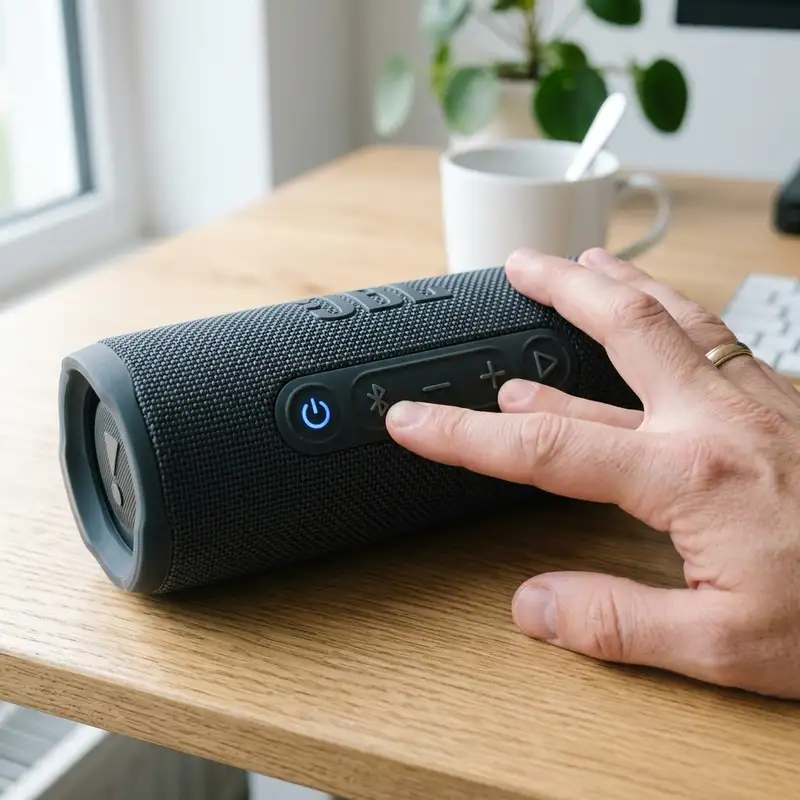
Language Toggle Techniques Based on Button Layout Types
A comparative analysis of language toggle techniques based on the button layout of various headphones can greatly assist users in navigating the language setting process. Below is a table summarizing the common button configurations and their respective language change methods.| Button Layout Type | Common Language Change Method | Example Models |
|---|---|---|
| Single Multifunction Button | Long Press (5 seconds) | Model A, Model B |
| Multiple Dedicated Buttons | Double Click | Model C, Model D |
| Combination of Buttons | Triple Click | Model E, Model F |
| Touch Sensitive Controls | Swipe Gesture | Model G, Model H |
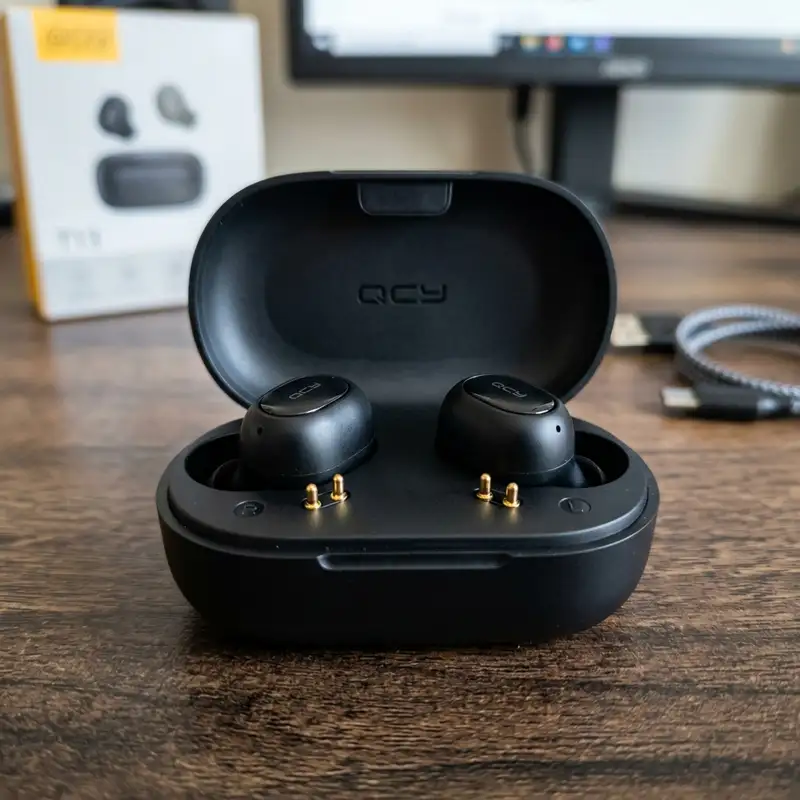
Additional Resources and Recommended Links
For those seeking further assistance and tips on managing their Bluetooth headphones, several resources are available. For instance, the article on how to turn off the LED on Airdots provides insights into maximizing battery life, while the guide on how to charge the earbud case properly ensures that users maintain their devices effectively. These resources can complement the information provided in this article and help users navigate their Bluetooth headphone settings with greater ease. For official support and comprehensive troubleshooting, consulting the manufacturer’s website or documentation can provide additional assistance. Many manufacturers offer detailed FAQs and support sections dedicated to language settings and other user inquiries.Detailed Technical Troubleshooting, Advanced Settings, or Hardware Checks
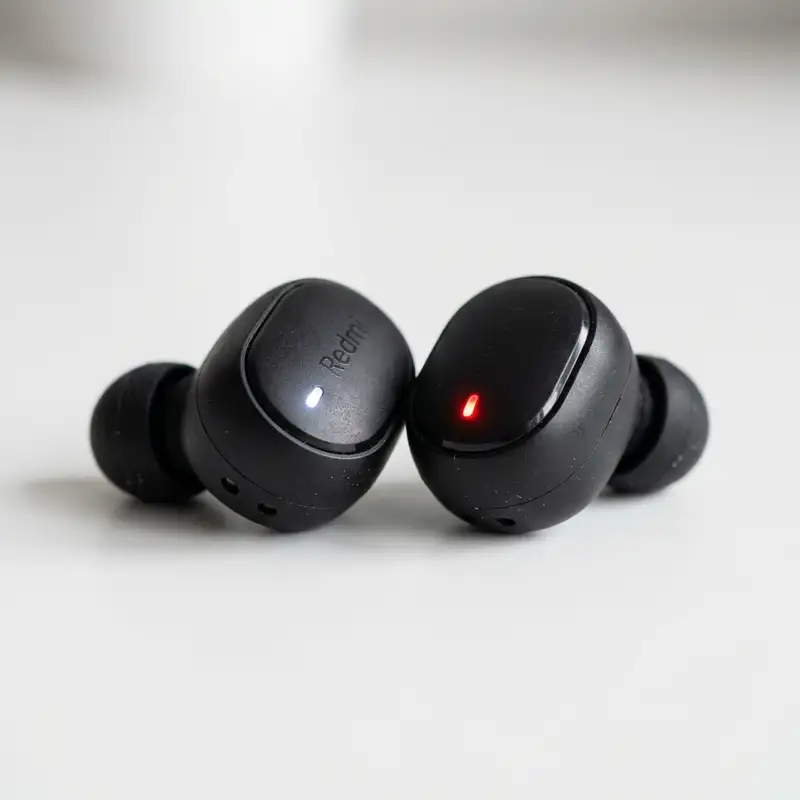
When addressing issues related to changing the language settings of Chinese Bluetooth headphones to English, it is essential to conduct thorough technical troubleshooting. Initial steps typically involve ensuring that the headphones are charged adequately. A low battery can prevent the headphones from functioning optimally, impacting connectivity and settings adjustments.
Therefore, it is advisable to charge the device fully before proceeding with any troubleshooting steps.
Next, the Bluetooth connection should be inspected. This involves checking whether the headphones are properly paired with the device. Disconnecting and re-establishing the connection can sometimes resolve minor bugs that may hinder language setting changes.
It is recommended to remove the headphones from the Bluetooth settings of the connected device and then attempt to pair them again. This process ensures that the connection is refreshed and can help in accessing the language settings.
Another critical aspect to consider is the firmware version of the Bluetooth headphones. Manufacturers frequently release firmware updates that can improve functionality and fix bugs. To check for updates, the user should refer to either the manufacturer's app or website for the specific model.
If an update is available, following the provided instructions to install it can resolve existing issues and may facilitate a smoother experience when changing language settings.
In cases where language settings cannot be found or modified, exploring the advanced settings of the headphones is crucial. Some models may have hidden menus accessible through a specific combination of button presses. Referencing the user manual for the headphone model can provide insights into these advanced functionalities.
For models lacking a manual, online forums or user groups may also provide valuable information regarding accessing hidden settings.
Lastly, hardware checks are vital. Inspecting the physical components of the headphones is necessary to ensure they are functioning correctly. Loose connections, damaged buttons, or other physical issues can impede the ability to change settings.
If any physical damage is detected, seeking professional repair services or warranty assistance may be necessary to restore full functionality.
Preventative Maintenance, Battery Protection Practices, or Compatibility Insights
Preventative maintenance plays a significant role in prolonging the lifespan of Bluetooth headphones. One critical aspect of this maintenance involves proper battery protection practices. Lithium-ion batteries, commonly used in Bluetooth devices, can degrade over time if not charged properly.
It is essential to avoid letting the battery completely drain frequently as this can lead to reduced overall battery life. Instead, charging the headphones when they reach around 20% to 30% capacity is advisable.
Additionally, it is beneficial to avoid exposing the headphones to extreme temperatures. High heat or freezing cold can adversely affect battery performance and overall functionality. Storing the headphones in a temperature-controlled environment when not in use will ensure that they remain in optimal condition.
Users are encouraged to keep their headphones in a protective case to shield them from physical impacts and environmental factors.
Compatibility insights are also crucial when using Chinese Bluetooth headphones. Many users may not realize that certain features, such as language settings, may only be accessible when paired with specific devices or applications. For instance, some headphones may only support language changes through a dedicated app available on certain operating systems.
Researching compatibility with the intended devices before purchase can save users from future frustrations and enhance user experience.
Moreover, keeping an eye on software updates not only for the headphones but also for the connected devices can prevent compatibility issues. Bluetooth protocols evolve, and staying up to date ensures that all devices communicate effectively. Additionally, understanding the specifications of the headphones, such as supported codecs and profiles, can help users select the best devices for seamless integration.
Lastly, regular cleaning of the headphones is essential for maintaining sound quality and functionality. Dust and debris can accumulate in the ear cups and connectors, leading to potential performance issues. Using a soft, dry cloth to clean the external surfaces and a gentle brush for the connectors helps ensure the headphones remain in peak condition.
This routine can prevent audio issues and prolong overall usability.
Long Term Expectations, Technology Landscape, and Expert Recommendations
As technology continues to evolve, the expectations surrounding Bluetooth headphones, particularly those manufactured in China, have also changed significantly. Users should anticipate ongoing improvements in audio quality, connectivity, and user interface as manufacturers strive to enhance the user experience. The shift towards advanced AI integration and smart functionalities within headphones points towards a future where language settings might become more intuitive and accessible.
In the current technology landscape, the integration of voice assistants into Bluetooth headphones is becoming standard. This advancement suggests that future models may allow users to change language settings simply by voice command, streamlining the process significantly. As this trend continues, it is recommended to keep an eye on upcoming models that feature these capabilities, as they are likely to offer more user-friendly experiences.
Expert recommendations emphasize the importance of selecting headphones from reputable brands that provide clear user manuals and robust customer support. Many lesser-known manufacturers may not provide the same level of documentation or assistance, which can lead to challenges when attempting to navigate language settings or troubleshoot issues. Investing in products from established companies can ensure better long-term support and a more reliable user experience.
Furthermore, it is advisable to participate in online forums and communities focused on Bluetooth headphone usage. Engaging with other users can provide valuable insights into common issues, solutions, and feature enhancements. These platforms often serve as a wealth of information, allowing users to learn from shared experiences and adopt best practices when interacting with their devices.
Finally, as Bluetooth technology continues to mature, users should remain adaptable and open to learning about new features and functionalities. Regularly reviewing the specifications and capabilities of Bluetooth headphones can reveal hidden features that enhance usability, such as different language options or sound profiles. Embracing these changes will lead to a more satisfying and efficient audio experience over time.
DomineTec Tip: Regularly updating firmware and maintaining compatibility with connected devices can significantly enhance the performance of Bluetooth headphones. Keeping user manuals and technical support contacts readily available is advisable for seamless troubleshooting and user experience.



