Office Chair Headrest Adjustment: How to Fix Neck and Cervical Pain
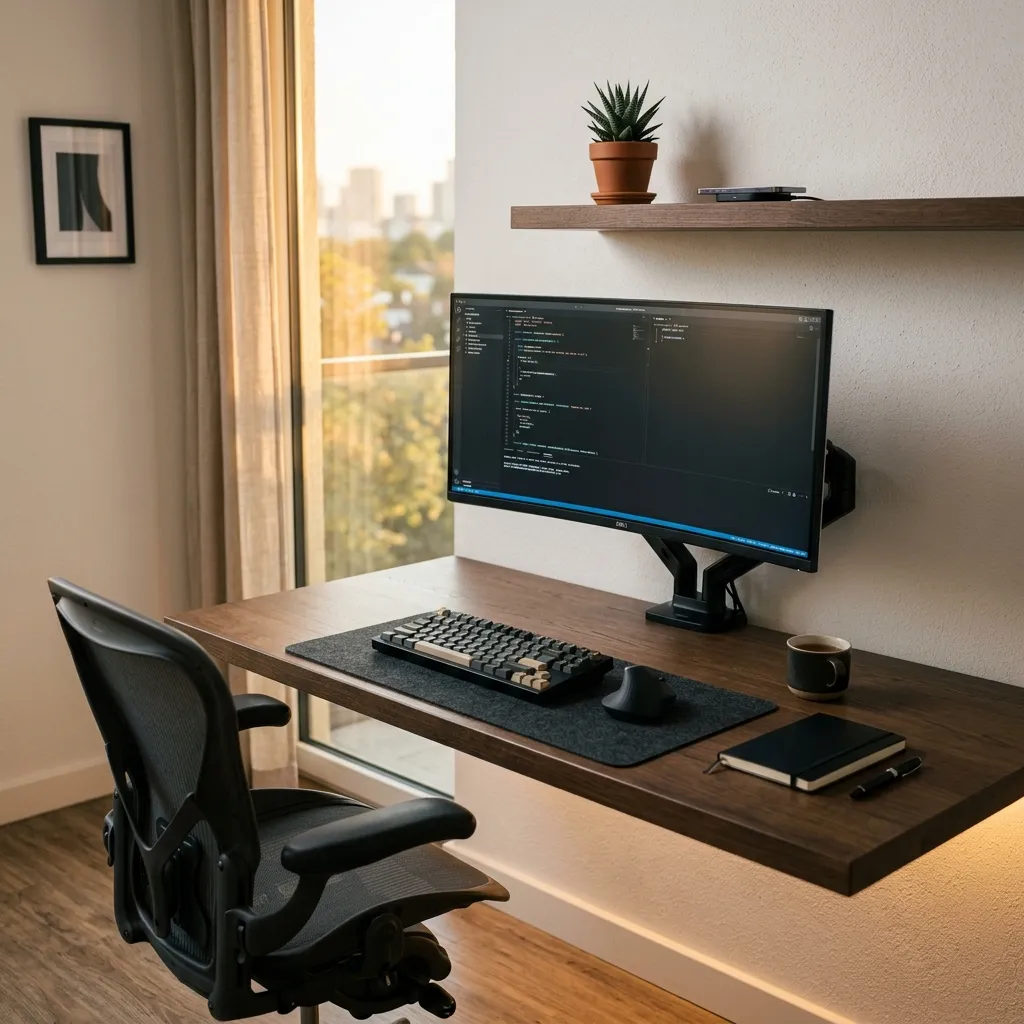
Adjusting the office chair headrest correctly can alleviate neck and cervical pain effectively.
Ergonomics of Headrest Positioning
Proper headrest positioning supports the natural curve of the neck, preventing strain during prolonged sitting.
An adjustable headrest enhances comfort by allowing users to find their optimal position for head and neck alignment.
Performance Impact on Productivity
A well-adjusted headrest can reduce fatigue, enhancing concentration and overall productivity during work hours.
Studies indicate that ergonomic adjustments correlate with lower incidences of workplace-related injuries.
Materials and Manufacturing Specifications
High-quality headrests typically feature memory foam or gel padding for enhanced comfort and support.
Durable materials like nylon or aluminum are commonly used in headrest frames to ensure longevity and stability.
Design Features of Top Brands
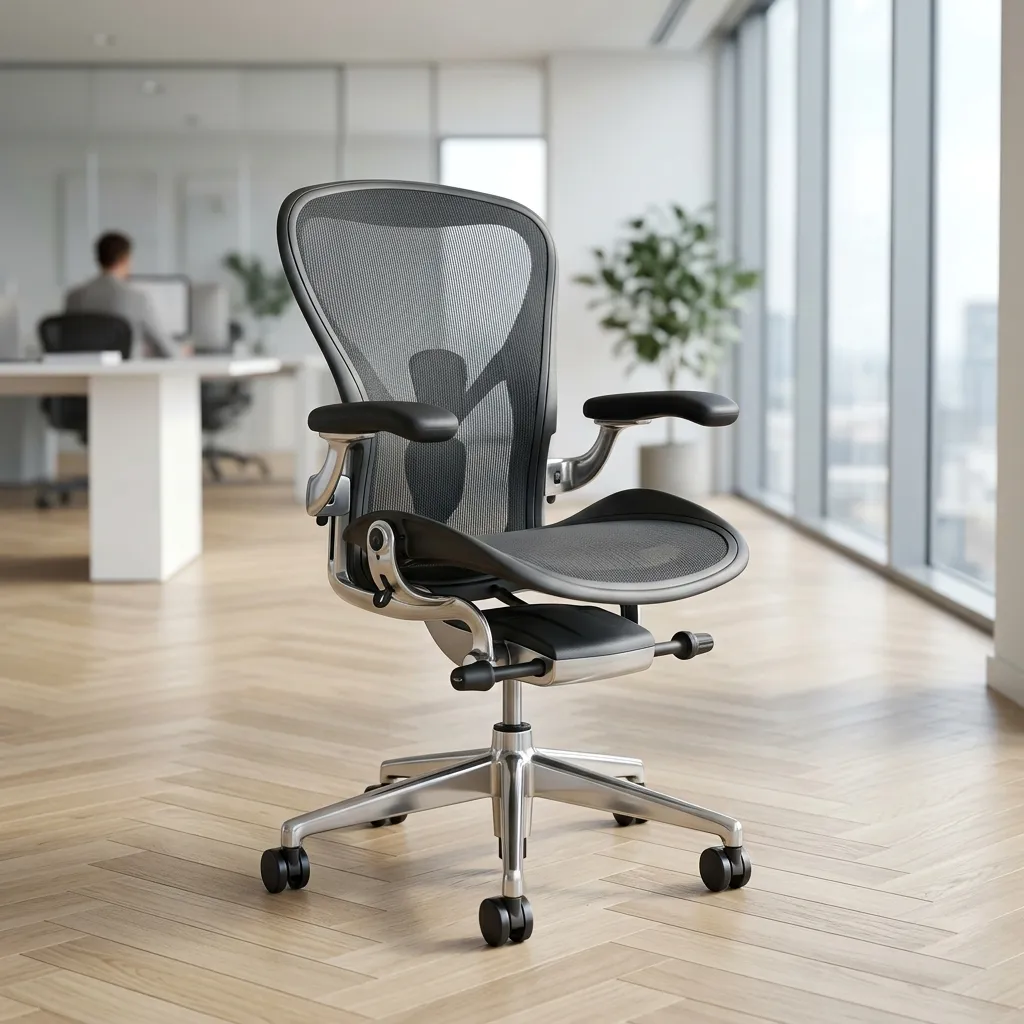
Brands such as Herman Miller and Steelcase incorporate adjustable headrests that cater to various user heights and postures.
Designs that include pivoting and height-adjustable features promote better neck positioning and comfort.
Comparative Table of Popular Office Chairs with Headrest Features
| Chair Model | Headrest Type | Adjustability | Materials | Price Range |
|---|---|---|---|---|
| Herman Miller Aeron | Adjustable | Height, Angle | Mesh, Aluminum | $1,000 - $1,400 |
| Steelcase Leap | Height Adjustable | Height, Depth | Fabric, Plastic | $800 - $1,200 |
| Secretlab TITAN Evo | Adjustable | Height, Angle | PU Leather, Steel | $400 - $500 |
| Humanscale Diffrient | Fixed | N/A | Mesh, Aluminum | $800 - $1,100 |
| Autonomous ErgoChair Pro | Adjustable | Height, Angle | Mesh, Plastic | $300 - $400 |
DomineTec Tip: Ensure that the headrest is positioned to cradle the back of the head, promoting a neutral neck alignment.
- Identify the preferred sitting posture and headrest height.
- Adjust the headrest to a height that supports the base of the skull.
- Ensure the angle of the headrest allows for a slight lean back without discomfort.
- Test the adjustment by performing common tasks to verify comfort.
- Regularly reassess headrest positioning during long work sessions.
For those looking to optimize efficiency, consider how to choose mechanical keyboard switches and learn how to clean productivity desk setup.
Understanding Cervical Pain Causes in Office Settings
Cervical pain commonly arises from poor posture and prolonged periods of sitting. It can be exacerbated by improper headrest usage.
Muscles and ligaments in the neck can become strained when the head and neck are unsupported, leading to discomfort. Identifying these causes is essential for effective prevention.
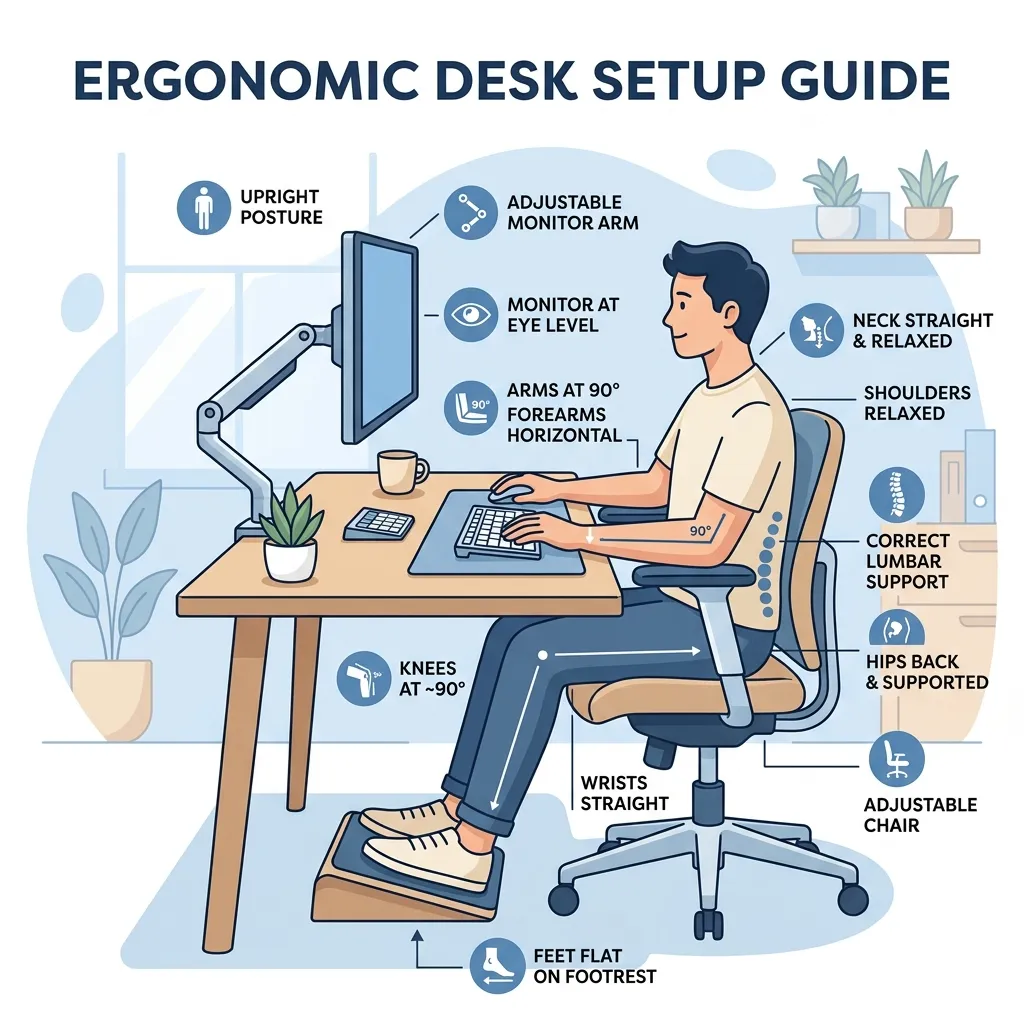
Additional factors include the height of the desk and the angle of the computer screen, which can influence neck strain. An ergonomic assessment of the workspace is recommended for improvement.
Addressing these issues not only helps in alleviating pain but also promotes overall well-being in the workplace. Awareness of these factors can lead to better chair and headrest selection.
Headrest Adjustment Techniques
Proper adjustment of the headrest is crucial for maximizing comfort and support. The headrest should align with the natural curve of the neck to provide adequate support.
To adjust, sit back in the chair and ensure that the headrest supports the back of the head, not the neck. This can reduce strain and improve overall posture.
Different types of headrests may have varying adjustment mechanisms, such as height and angle adjustments. Familiarizing oneself with the specific chair model is necessary for effective use.
Regularly reassessing the headrest position throughout the day can adapt to changes in posture or fatigue. Staying proactive in adjustments can significantly reduce discomfort.
The Role of Neck Exercises and Stretches
Incorporating neck exercises and stretches can complement the use of a headrest in alleviating pain. Simple stretches can relieve muscle tension that builds throughout the day.
Exercises such as neck rotations and shoulder shrugs can promote flexibility and strengthen neck muscles. These practices can be performed discreetly in an office setting.
Establishing a routine that includes these stretches can lead to lasting improvements in neck health. Regular movement counteracts the effects of prolonged sitting.
Encouraging workplace wellness programs that integrate exercise can further enhance employee health. A proactive approach to neck pain can foster a more productive work environment.
Choosing the Right Office Chair for Your Needs
Not all office chairs are created equal, and selecting the right one is crucial for preventing neck pain. Consider factors such as adjustability, lumbar support, and cushioning.
Chairs with adjustable headrests allow users to customize the fit according to their body type. This customization is key to achieving proper neck alignment.
Additionally, features such as dynamic movement and multi-position locking can enhance comfort and support. Testing different chairs can help identify the best fit for individual needs.
Investing in a chair that supports proper ergonomics can yield long-term benefits. A well-chosen chair not only alleviates pain but also enhances overall productivity.
Impact of Screen Height on Neck Health
The height of the computer screen plays a significant role in neck strain. Screens that are too low can lead to awkward neck angles, causing discomfort.
Ideally, the top of the screen should be at or slightly below eye level, promoting a neutral neck position. This setup helps to minimize strain during prolonged use.
Using monitor risers or adjustable arms can help achieve the correct height if the desk is fixed. Ensuring that the screen is positioned correctly is a fundamental aspect of an ergonomic workspace.
Regularly reviewing and adjusting screen height as needed can prevent the onset of cervical pain. A proper setup promotes better posture and reduces fatigue.
Psychological Factors Influencing Neck Pain
The psychological aspect of workplace stress can also contribute to neck pain. Stress may lead to muscle tension, particularly in the neck and shoulders.
Understanding the correlation between stress levels and physical symptoms is crucial for comprehensive pain management. Implementing stress-reduction techniques can be beneficial.
Practices such as mindfulness, deep breathing, and scheduled breaks can help alleviate tension. A supportive work culture can further enhance psychological well-being.
Encouraging open communication about stress and discomfort can foster a healthier work environment. Addressing these factors holistically can lead to significant improvements in neck health.
Long-Term Effects of Poor Posture
Long-term poor posture can lead to chronic neck issues and other complications. Over time, the body may adapt to these positions, reinforcing pain patterns.
Persistent cervical pain can also affect other areas, leading to shoulder, upper back, and even headaches. Recognizing these potential consequences is essential for prevention.
Education on posture and ergonomics can empower employees to take control of their workspace. Long-term investment in ergonomic solutions can mitigate these risks.
Regular ergonomic assessments and adjustments can help maintain a healthy posture. Proactive measures can significantly enhance long-term health outcomes.
Importance of Regular Headrest Adjustment
Regular adjustment of the headrest is crucial for maintaining optimal neck support throughout the day. As one's posture shifts during prolonged sitting, the headrest must be repositioned to align with the natural curve of the neck.
Failing to adjust the headrest can lead to increased tension in the cervical spine, which may exacerbate discomfort or pain. Regular adjustments can help mitigate these issues and promote a more comfortable working environment.
Moreover, frequent adjustments encourage mindfulness about posture, prompting users to check their alignment periodically. This proactive approach can significantly reduce the risk of developing chronic neck issues.
Incorporating reminders to adjust the headrest into daily routines can serve as a beneficial habit. Setting alarms or using apps designed for ergonomic breaks can help encourage this practice.
Connection Between Headrest Height and Spine Alignment
The height of the headrest plays a vital role in maintaining spine alignment while seated. A properly positioned headrest supports the natural curvature of the cervical spine, reducing the strain on neck muscles.
When the headrest is too high or too low, it can force the neck into awkward positions, leading to muscle fatigue and discomfort over time. Proper alignment ensures the head is balanced over the shoulders, facilitating better weight distribution.
Additionally, the headrest should allow the user to rest their head without lifting their chin excessively. This balance is essential for preventing forward head posture, which can lead to long-term musculoskeletal issues.
Regularly assessing headrest height in relation to overall chair settings can enhance overall ergonomics. Users should consider making these evaluations part of their workspace setup routine.
Guidelines for Adjusting Headrest During Work Hours
Establishing guidelines for headrest adjustment can enhance comfort and productivity. Users should begin by assessing their seated position, ensuring their feet are flat on the ground and their back is well-supported.
Next, they should adjust the headrest height so that it supports the back of their head while keeping the neck in a neutral position. This adjustment should be made while the user is seated in their typical working posture.
It is recommended to check the angle of the headrest, ensuring it is not too steep, as this could push the head forward. A slight backward tilt can provide optimal support without compromising neck alignment.
Incorporating short breaks to reassess headrest positioning throughout the day can foster better neck health. Users should take a moment to stand, stretch, and adjust their workspace as necessary.
Customizing Headrests for Individual Needs
Customizing headrests to fit individual preferences can significantly improve comfort and reduce neck pain. Each user has unique anatomical features and preferences, which necessitate personalized adjustments.
For individuals with specific neck issues, consulting with a healthcare professional before making adjustments can provide valuable insights. Tailoring the headrest to accommodate these needs can lead to better outcomes.
Users may also consider using additional accessories, such as lumbar pillows or neck cushions, to enhance support. These can be especially helpful for those who travel frequently or work in multiple locations.
Feedback from users should be taken into account when selecting office chairs with adjustable headrests. Personal experiences can guide decisions on which features are most beneficial for long-term comfort and health.
Innovative Technology in Headrest Design
Recent advancements in office chair design have led to the incorporation of innovative technologies aimed at enhancing user comfort and support. Smart technology, such as sensors integrated into headrests, can monitor posture and provide real-time feedback to users.
These sensors help in adjusting the headrest position automatically based on the user's movements, ensuring optimal neck support throughout the day. Moreover, some modern office chairs come equipped with memory foam or gel-infused materials that adapt to the contours of the user’s neck and head.
This personalized support reduces pressure points, thereby alleviating discomfort and promoting better posture. The use of breathable mesh materials in headrests also enhances air circulation, preventing overheating during long working hours.
Additionally, manufacturers are exploring the use of artificial intelligence to analyze user behavior and preferences. This technology can suggest optimal headrest adjustments based on the user's work habits, thereby minimizing the risk of cervical pain caused by poor positioning.
The integration of such technologies reflects a growing trend toward personalized ergonomics in the workplace. As the demand for ergonomic solutions continues to rise, it is expected that more office chair brands will invest in cutting-edge technology that enhances headrest functionality.
Impact of Office Environment on Headrest Utilization
The overall office environment plays a crucial role in how effectively users can adjust and benefit from their chair's headrest. Factors such as desk height, monitor placement, and ambient lighting can significantly influence a person's posture and comfort level.
For instance, a poorly positioned desk or screen can lead individuals to slouch, negating the positive effects of an adjustable headrest. Moreover, the layout of the workspace can affect how frequently individuals adjust their headrests.
In collaborative environments, where employees frequently move between different workstations, the lack of personal space may discourage proper headrest adjustments. This can result in increased neck strain as users may settle for a less than ideal head position.
Noise levels and overall distractions in the office can also impact the effectiveness of headrest adjustments. A noisy environment can lead to increased stress and tension, which may exacerbate neck pain regardless of headrest positioning.
Therefore, creating a conducive office atmosphere that promotes focus and comfort is essential for maximizing the benefits of ergonomic furniture. Finally, workplace culture plays a significant role in encouraging employees to prioritize their health.
Understanding the Relationship Between Headrest Adjustment and Sleep Quality
The quality of sleep is significantly influenced by the alignment of the spine during waking hours, particularly when working long hours in an office chair. A poorly adjusted headrest can contribute to discomfort that may carry over into nighttime rest, leading to sleep disturbances.
Proper headrest adjustment ensures that the neck and cervical spine are supported adequately, reducing tension and strain. This support can prevent discomfort that disrupts sleep, ultimately improving overall sleep quality and health.
Studies show that individuals who maintain ergonomic postures during the day report fewer sleep issues. Therefore, incorporating regular headrest adjustments into daily routines can play a crucial role in enhancing both work comfort and sleep hygiene.
Employers should consider providing training on headrest adjustments as part of wellness programs, emphasizing the connection between daytime posture and nighttime rest. This holistic approach can lead to a healthier workforce.
Assessing the Effectiveness of Headrest Adjustments Through User Feedback
User feedback is a vital component in assessing the effectiveness of headrest adjustments in alleviating neck and cervical pain. Engaging employees in discussions about their comfort levels can provide valuable insights into specific needs and preferences.
Surveys and questionnaires can be utilized to gather data on how users perceive headrest adjustments. This information can help identify common issues and lead to targeted solutions that address the unique concerns of different individuals.
Regular check-ins and feedback sessions can foster an environment where employees feel comfortable voicing their discomfort and suggesting improvements. This proactive approach can enhance employee satisfaction and productivity.
Incorporating user feedback into the design and functionality of office chairs with headrests allows manufacturers to create products that better meet the needs of users, ultimately reducing the prevalence of neck pain in office settings.
Frequently Asked Questions
What is the ideal height for a headrest?
The ideal headrest height supports the base of the skull and allows for a slight angle backward.
Can an adjustable headrest prevent neck pain?
Yes, proper adjustment can alleviate neck strain by supporting natural cervical curvature.
Are all office chairs equipped with headrests adjustable?
No, some chairs come with fixed headrests that do not allow




