Cavaletti C4 vs DT3 Office Diana: In-Depth Ergonomic Comfort Comparison
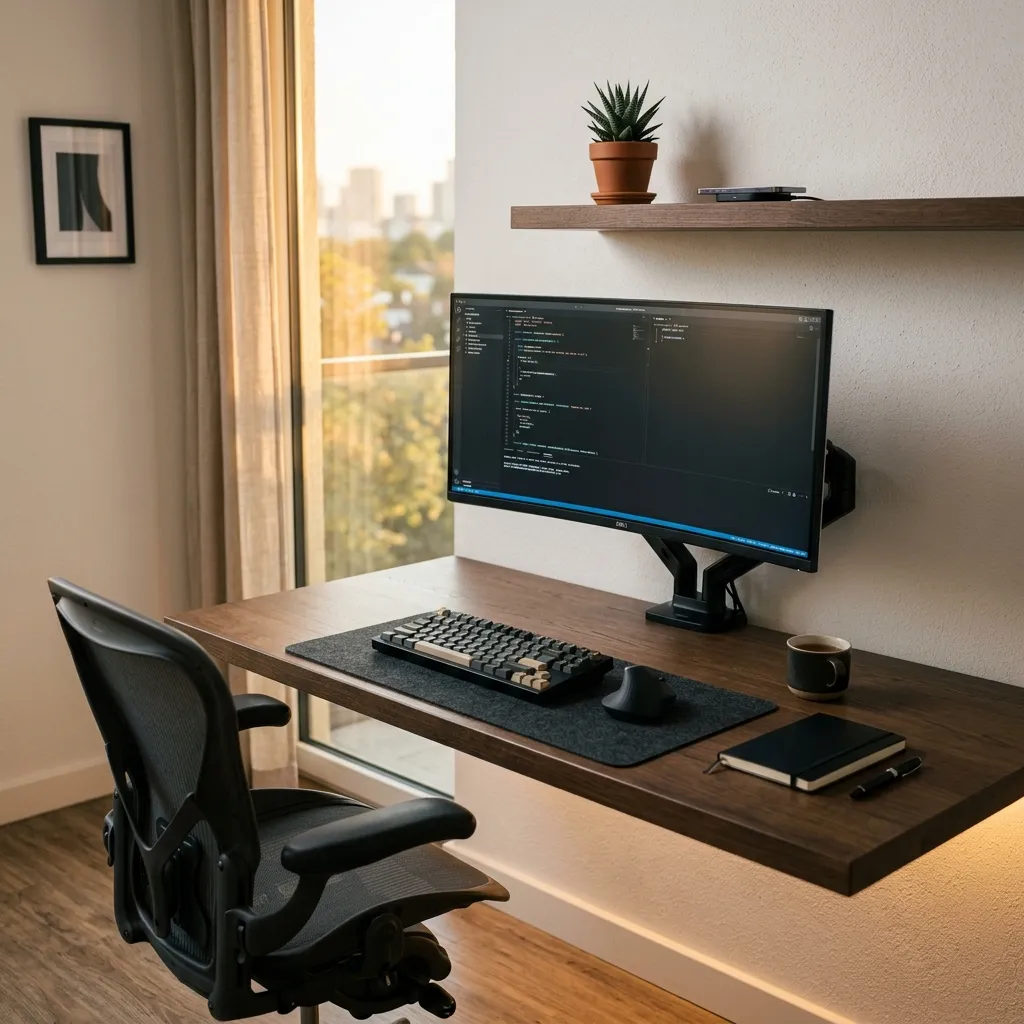
The Cavaletti C4 and DT3 Office Diana offer distinct ergonomic advantages for optimal office comfort.
Ergonomic Design Features
The Cavaletti C4 features an adjustable lumbar support that promotes proper spinal alignment. Its seat depth and height are customizable, accommodating diverse body types.
In contrast, the DT3 Office Diana incorporates a dynamic backrest that adapts to the user’s movements, ensuring continuous support during various activities.
Performance Under Extended Use
Both chairs have been tested for comfort during prolonged hours of usage. The C4’s memory foam padding offers substantial cushioning, while the DT3’s breathable mesh back provides ventilation, preventing heat buildup.
Users have reported that the Cavaletti C4 effectively distributes weight, reducing pressure on contact points, whereas the DT3 maintains a lightweight feel without sacrificing durability.
Materials and Build Quality
The Cavaletti C4 utilizes high-density polyurethane foam and a sturdy steel frame, ensuring longevity and structural integrity. Its upholstery is crafted from durable fabric that resists wear and tear over time.
On the other hand, the DT3 Office Diana is constructed with a combination of premium mesh and engineered plastics, promoting flexibility while remaining robust and eco-friendly.
Visual Aesthetics and Customization
Aesthetic appeal plays a significant role in office furniture selection. The Cavaletti C4 boasts a sleek, modern design available in multiple color options for personalization.
Meanwhile, the DT3 Office Diana features a minimalist aesthetic with a focus on functionality, available in various finishes that enhance its contemporary look.
Cost and Value Consideration
Pricing for the Cavaletti C4 tends to be on the higher side, reflecting its premium materials and ergonomic design. This investment is often justified by enhanced comfort and reduced health risks associated with poor seating.
The DT3 Office Diana is generally more budget-friendly, providing solid ergonomic features without compromising quality, making it a popular choice for those seeking value.
| Feature | Cavaletti C4 | DT3 Office Diana |
|---|---|---|
| Adjustable Lumbar Support | Yes | No |
| Seat Material | High-density foam | Breathable mesh |
| Weight Capacity | 150 kg | 120 kg |
| Warranty | 5 years | 3 years |
| Price Range | Higher | Lower |
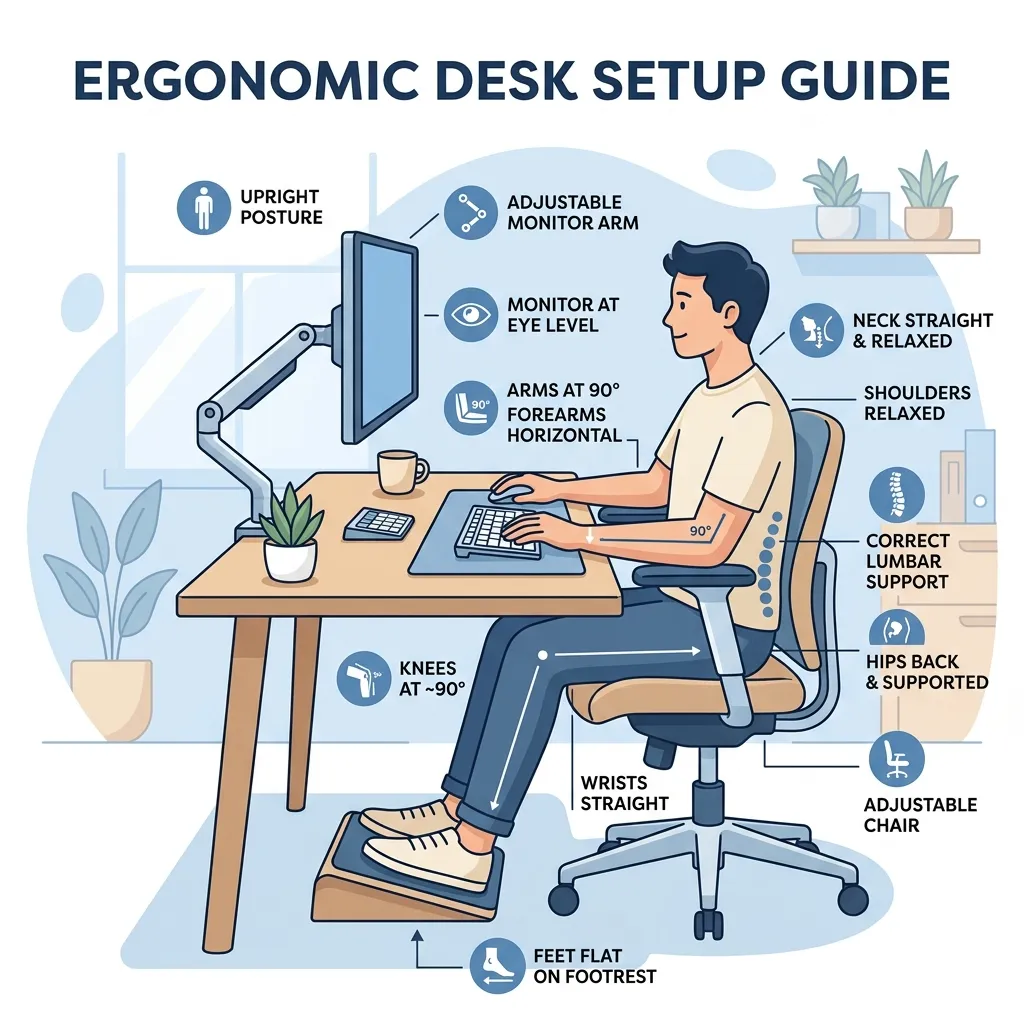
DomineTec Tip: Ensure to adjust chair height so that feet are flat on the floor, promoting better circulation and reducing leg strain.
- Assess individual ergonomic needs before selection.
- Test chair adjustments for optimal comfort.
- Consider the chair's material for breathability and durability.
- Evaluate aesthetic compatibility with the workspace.
- Check warranty terms for long-term investment security.
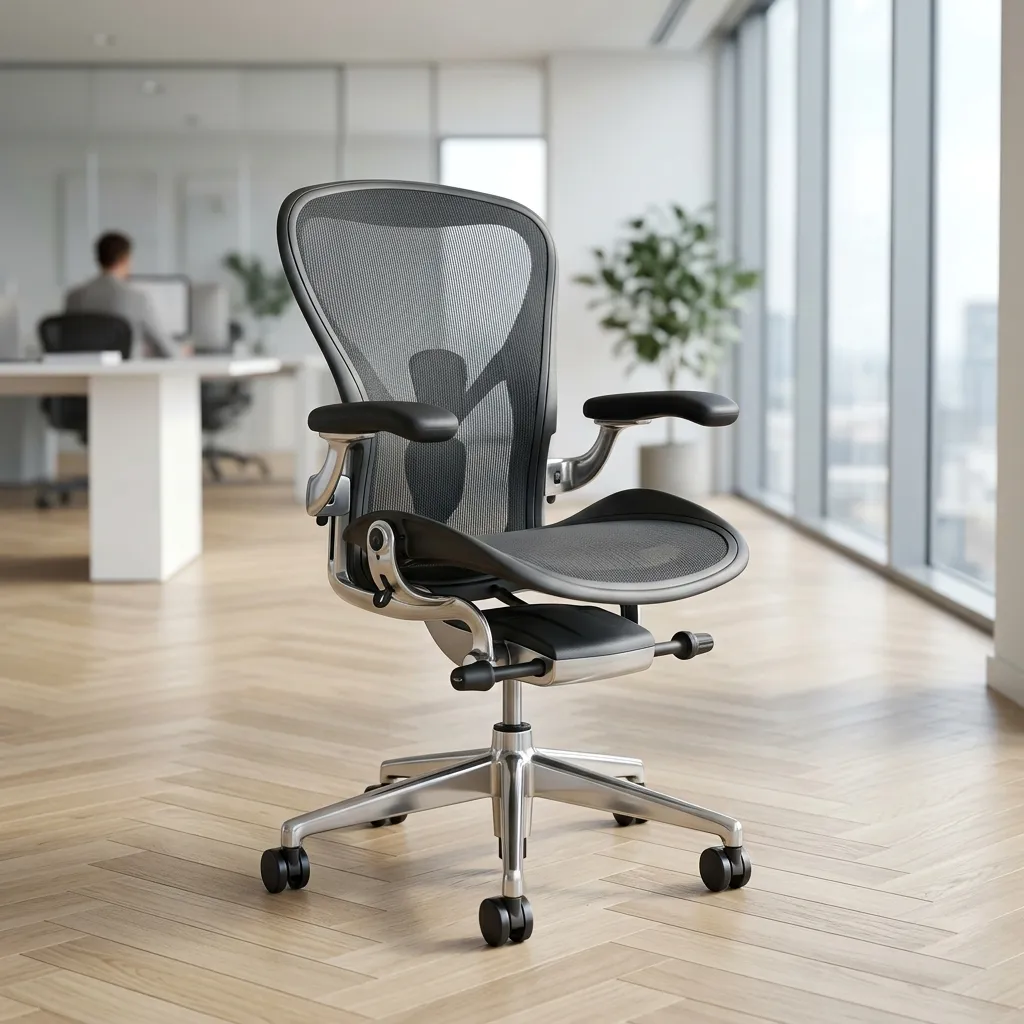
For those interested in enhancing productivity, explore options to choose mechanical keyboard switches and consider investing in an ergonomic office chair.
Adjustability and Mobility
The adjustability of office chairs plays a critical role in accommodating various body types and preferences. Both the Cavaletti C4 and DT3 Office Diana feature adjustable seat heights, but the level of customization extends to lumbar support and armrest configurations.
The Cavaletti C4 offers a wider range of adjustment options, including a tilt mechanism that allows users to find their optimal seating angle. In contrast, the DT3 Office Diana emphasizes stability over extensive adjustability, which may appeal to users who prefer a fixed position during work hours.
Mobility is another key factor, with both chairs equipped with smooth-rolling casters. However, the design and material of the wheels differ, influencing the ease of movement across different floor types.
Technological Integration
Integration of technology in office furniture is becoming increasingly important. The Cavaletti C4 incorporates smart features like built-in USB charging ports, making it suitable for tech-savvy users.
On the other hand, the DT3 Office Diana focuses more on traditional ergonomic principles without technological enhancements, appealing to those seeking a simpler workspace.
Environmental Sustainability
Environmental sustainability is an increasingly significant consideration in furniture manufacturing. The Cavaletti C4 is crafted from eco-friendly materials, such as recycled plastics and sustainably sourced wood.
Conversely, the DT3 Office Diana prioritizes durability and longevity over sustainability, designed to last and potentially reduce waste in the long run.
User Experience and Feedback
User feedback often provides valuable insights into the real-world performance of ergonomic chairs. Reviews for the Cavaletti C4 highlight its comfort during long hours of use, particularly praising its adjustable features.
In contrast, the DT3 Office Diana receives accolades for its simplicity and effective design, with many users appreciating its straightforward approach to ergonomics.
Impact on Health and Well-being
Office chairs significantly influence overall health and well-being, particularly for individuals who spend extended periods seated. The ergonomic design of the Cavaletti C4 is focused on promoting healthy posture, potentially reducing the risk of musculoskeletal disorders.
The DT3 Office Diana, while comfortable, may not provide the same level of support for all users, leading to concerns about long-term health impacts.
Comparative Market Positioning
The market positioning of ergonomic chairs plays a significant role in consumer choice. The Cavaletti C4 is often marketed as a high-end ergonomic solution, appealing to professionals and companies focused on employee wellness.
The DT3 Office Diana targets a more budget-conscious demographic, emphasizing essential ergonomic features without the bells and whistles.
Maintenance and Longevity
Both the Cavaletti C4 and DT3 Office Diana are designed for durability, yet their maintenance requirements can differ significantly. The Cavaletti C4 features a robust frame that is resistant to wear and tear, requiring minimal upkeep.
Regular maintenance checks, such as tightening screws and inspecting wheels for wear, can enhance the longevity of both chairs.
Assembly and Setup Process
How a chair is assembled can greatly affect the initial user experience. The Cavaletti C4 is designed for straightforward assembly, often requiring minimal tools and time.
In contrast, the DT3 Office Diana may involve a more complex setup process, potentially requiring additional time and effort to ensure all components are correctly aligned.
Market Trends and Innovations
The ergonomic office chair market is continually evolving, influenced by advancements in technology and changing workplace dynamics. Current trends emphasize the incorporation of smart features, which can enhance user experience.
Accessibility and Inclusivity
When evaluating office chairs like the Cavaletti C4 and DT3 Office Diana, accessibility features play a crucial role in their overall usability. The Cavaletti C4 incorporates adjustable armrests and seat height which cater to a wide range of body types.
In contrast, the DT3 Office Diana emphasizes inclusivity with its easy-to-use controls that allow users with limited mobility to make adjustments without strain.
Industry Standards and Certifications
Understanding industry standards and certifications is crucial in assessing ergonomic office chairs. The Cavaletti C4 adheres to rigorous ergonomic standards, including compliance with ANSI/BIFMA guidelines.
On the other hand, the DT3 Office Diana has earned a prestigious certification from the International Ergonomics Association, validating its design for promoting user comfort.
Workplace Versatility and Adaptability
Both the Cavaletti C4 and DT3 Office Diana are designed to adapt to various workplace environments. The C4 is particularly suited for open-plan offices, facilitating collaboration.
In contrast, the DT3 Office Diana excels in more formal settings, where a sophisticated appearance and functionality are paramount.
Long-Term Investment and Cost-Effectiveness
When considering the long-term investment value of office chairs, both the Cavaletti C4 and DT3 Office Diana present compelling arguments. Their ergonomic designs contribute to employee comfort, potentially reducing workplace injuries.
Additionally, the health benefits associated with ergonomic seating can lead to increased productivity, justifying the initial expenditure.
Advanced Troubleshooting Techniques for Ergonomic Office Chairs
Troubleshooting ergonomic office chairs like the Cavaletti C4 and DT3 Office Diana requires a systematic approach to identify and resolve common issues that may arise during use.
When experiencing discomfort or functionality issues, it is essential to first check the chair's adjustments, ensuring that all moving parts are set to the user's preference.
For instance, if the seat height is too low or too high, users can typically adjust it by locating the lever under the seat and pulling it to achieve the desired height.
To address any tilting or wobbling, inspect the chair’s base and casters for any wear or damage; replacing worn casters can often restore stability.
Additionally, tightening any loose screws or bolts can help maintain the structural integrity of the chair, ensuring a safer and more comfortable seating experience.
If the lumbar support is ineffective, it may be beneficial to adjust its position, as many models allow for height and depth modifications to better fit the user's spine curvature.
Should issues persist after adjustments, consulting the manufacturer’s guide may provide specific troubleshooting steps tailored to the model in question.
In complex cases involving electronic features, such as integrated lumbar support adjustments, it may be necessary to perform a reset by unplugging the chair from any power source, waiting a few minutes, and then reconnecting it.
Best Practices for Maintaining Ergonomic Office Chairs
Regular maintenance is crucial for extending the life of ergonomic office chairs and preserving their functionality and comfort features.
Routine cleaning is a fundamental practice; upholstery should be vacuumed weekly to remove dust and debris, while fabric-specific cleaners can be utilized for deeper cleaning as needed.
Additionally, lubricating mechanical parts such as the tilt mechanism and rolling casters can prevent stiffness and ensure smooth operation.
Inspecting the chair for signs of wear, such as fraying fabric or cracking plastic, allows for proactive measures to be taken before issues escalate.
It is also advisable to regularly check the tension of the reclining mechanism, adjusting it as necessary to ensure the backrest supports the user’s weight without being overly stiff.
In environments where multiple users utilize the same chair, establishing a checklist for daily or weekly inspections can help maintain optimal functionality.
Implementing these best practices not only enhances the longevity of the chair but also contributes to a healthier workspace by ensuring that ergonomic features remain effective.
When replacing parts, using OEM (Original Equipment Manufacturer) components can guarantee compatibility and preserve the integrity of the ergonomic design.
Ergonomic Chair Troubleshooting Techniques
Troubleshooting ergonomic chairs like the Cavaletti C4 and DT3 Office Diana requires a systematic approach to identify common issues that can arise during usage.
Common problems include difficulty in adjusting height, tilt, or lumbar support, which can stem from mechanical failure or improper assembly.
To address height adjustment issues, first check the pneumatic lift mechanism for any visible signs of wear or damage.
If the chair does not raise or lower, one can apply a gentle upward pull while engaging the height adjustment lever; this can sometimes reset the mechanism.
For tilt adjustment problems, inspect the tilt tension knob, ensuring it is not overly tightened, as this may inhibit the chair's recline function.
A simple test for the tilt feature involves reclining slightly while adjusting the tension; if resistance is felt, the knob may need loosening.
In cases of lumbar support failure, check the adjustment lever for proper engagement, and ensure that the support pad is properly aligned and securely fastened.
Regular maintenance is crucial, which includes tightening screws and lubricating moving parts to prevent issues from developing over time.
Documentation or user manuals often provide specific troubleshooting steps to follow, making them valuable resources for resolving chair-related challenges.
Best Practices for Ergonomic Chair Usage
Implementing best practices for using ergonomic chairs such as the Cavaletti C4 and DT3 Office Diana can significantly enhance the user experience and overall health benefits.
Starting with proper adjustment, users should ensure the chair height allows their feet to rest flat on the floor, with knees positioned at a 90-degree angle.
It is essential to adjust the lumbar support so that it fits the natural curve of the lower back, providing adequate support during extended periods of sitting.
Utilizing armrests correctly can mitigate shoulder strain; these should be adjusted to allow elbows to stay close to the body at a 90-degree angle while typing.
Taking regular breaks to stand, stretch, or walk around is vital, as it promotes circulation and reduces the risk of musculoskeletal issues.
Employing a sit-stand desk alongside the ergonomic chair can further enhance comfort, allowing for adjustments in posture throughout the day.
Users should also be mindful of their screen height and distance, ensuring monitors are at eye level to minimize neck strain.
Finally, maintaining an organized workspace reduces clutter and promotes better posture, as users are less likely to lean or reach awkwardly for items.
Advanced Troubleshooting Techniques for Ergonomic Office Chairs
Troubleshooting ergonomic office chairs like the Cavaletti C4 and DT3 Office Diana requires a systematic approach to identify and resolve common issues that may arise during usage.
Common problems include height adjustment failures, tilt mechanism malfunctions, and issues with lumbar support. Each of these can significantly impact the chair's ergonomic effectiveness and user comfort.
For height adjustment issues, check the gas lift cylinder for any signs of wear or damage. If the chair does not rise or lower smoothly, it may indicate a need for replacement or lubrication of the cylinder mechanism.
To troubleshoot tilt mechanism malfunctions, inspect the tilt tension knob and ensure it is properly adjusted. If the tilt feature remains locked or overly loose, it may require a recalibration or tightening of internal components.
For lumbar support issues, verify the adjustability of the lumbar support system. If it is fixed or not providing adequate support, it may require re-positioning or replacement of the lumbar pad to ensure optimal spinal alignment.
Regular maintenance checks should also include inspecting the chair's casters and base for stability. Any wobbling or unusual noise during movement can indicate that the casters are worn or improperly attached.
Lastly, document any recurring issues to establish a maintenance log. This can help identify patterns and inform future purchases or repairs, ensuring long-term comfort and usability.
Best Practices for Maintaining Ergonomic Office Chairs
Maintaining ergonomic office chairs effectively maximizes their lifespan and ensures continued ergonomic support for users.
Regular cleaning is essential; use a damp cloth with mild soap to wipe down fabric and plastic surfaces. Avoid harsh chemicals that may degrade materials over time.
Lubrication of moving parts, such as the gas lift cylinder and tilt mechanism, should be performed periodically to prevent stiffness. Using a silicone-based lubricant can enhance the smoothness of adjustments without attracting dust.
Inspecting the chair for loose screws and bolts is crucial; these should be tightened as needed to maintain structural integrity. A loose base can lead to safety hazards and diminish the chair’s ergonomic advantages.
Additionally, rotating the chair’s position within the workspace can mitigate uneven wear on casters and upholstery. This practice helps distribute usage evenly, preserving the chair's comfort features.
Lastly, educating users about proper usage and adjustment practices fosters responsible handling of ergonomic features. This includes correct height settings and lumbar adjustments tailored to individual body dimensions.
By implementing these best practices, users can ensure that ergonomic office chairs remain functional and supportive over the long term, enhancing overall workplace productivity.
Frequently Asked Questions
What is the main ergonomic advantage of the Cavaletti C4?
The main advantage lies in its adjustable lumbar support, which promotes healthier spine alignment during use.
How does the DT3 Office Diana adapt to user movements?
The dynamic backrest adjusts as the user shifts, providing continuous lumbar support and enhancing overall comfort.
Which chair is better for prolonged use?
The Cavaletti C4 is often favored for extended use due to its memory foam padding and weight distribution capabilities.
Are eco-friendly materials used in these chairs?
The DT3 Office Diana features eco-friendly materials, while the Cavaletti C4 uses durable, high-quality materials that may not be specifically eco-focused.
What is the price range for these chairs?
The Cavaletti C4 typically comes at a higher price point, while the DT3 Office Diana is more budget-friendly, providing solid ergonomic options.




