Can You Add Cleaning Solution or Disinfectant to Robot Mops?
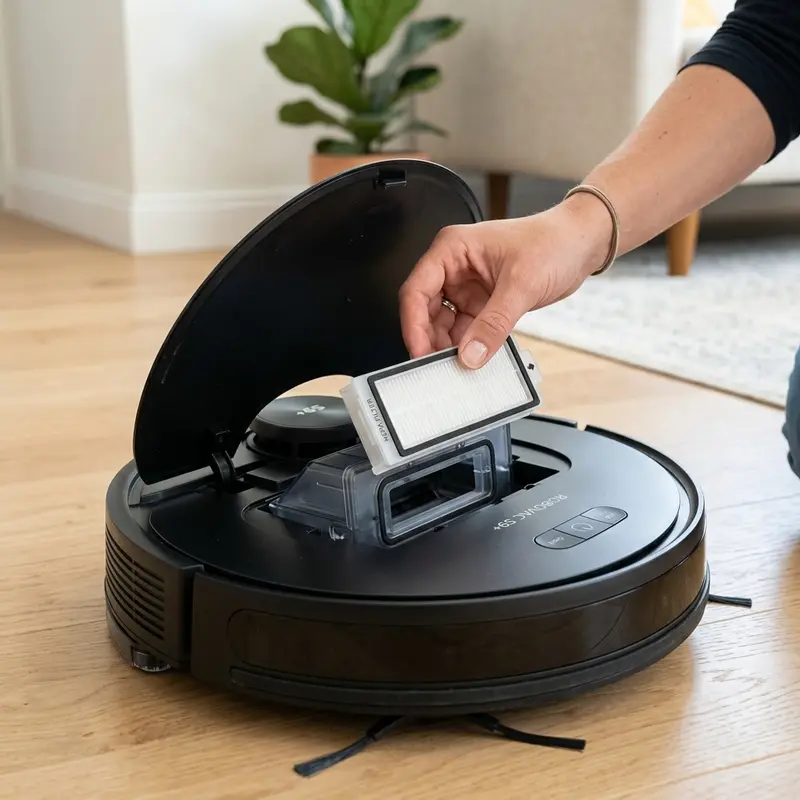
Can You Add Cleaning Solution or Disinfectant to Robot Mops?
If you are wondering about this, the short answer is: never put concentrated disinfectants, floor waxes, bleach, or essential oils directly inside the robot vacuum water tank, as they corrode seals and clog the electric pump. The capillary size nozzles on robot mops clog easily when contacting viscous cleaning chemicals, preventing water flow. Understanding the correct method to deodorize floors without damaging the hardware is vital.
1. The Mechanical Design of Electric Mopping Water Reservoirs
Robot vacuums equipped with active mopping features rely on an internal peristaltic pump or an electric solenoid valve. Water flows through small silicone tubes to the drip nozzles. Clogging is caused by two main chemical reactions:
- Mineral Calcification: Tap water contains dissolved minerals. As the water evaporates near the warm vacuum motor, it leaves calcium deposits that block the nozzles.
- Viscous Chemical build-up: Commercial floor cleaners contain chemical thickeners, dyes, and fragrance oils. When heated by the nearby electronics, these agents solidify into a gel that blocks the pump.
To learn about cleaning other parts of your robot, read our guide on how to clean robot vacuum caster wheel or check our review to see if the Mondial Pratic Clean vacuum is worth the money.
2. Corrosion Risks for Brass and Rubber Seals
Corrosive cleaning agents like bleach, pine-based disinfectants, or heavy alcohols attack the internal parts of the pump. The solenoid pump contains brass springs and steel valve pins. Exposure to chlorine causes these metal parts to oxidize and seize, disabling the pump module permanently.
Additionally, the rubber seals on the fill cap dry out and crack when exposed to strong chemical solvents. This leads to water leaking inside the chassis, causing motherboard short circuits that can destroy the vacuum.
3. Permitted and Prohibited Chemical Solutions Table
The table below summarizes the risks associated with different liquid solutions in robot mop reservoirs:
| Solution Type | Safe for Tank? | Potential Risk | Recommended Alternative |
|---|---|---|---|
| Commercial Disinfectant | No | Clocged pump, dried out valves | Spray directly onto the microfiber pad |
| Bleach / Chlorine | No (Strictly Prohibited) | Severe metal corrosion | Never use in or on the robot |
| White Vinegar (diluted) | Yes (Max 5% concentration) | Low (helps clear calcium) | Dilute heavily in filtered water |
| Liquid Dish Soap | No | Foam blockages in the suction path | Wet the microfiber pad manually |
| Distilled Water | Highly Recommended | None | Ideal water type for all robot mops |
4. The Safe Method: Spraying the Microfiber Pad Directly
If you want to use a specific floor disinfectant, follow this simple and safe spray method:
- Fill the robot vacuum water reservoir with pure filtered or distilled water;
- Remove the microfiber mopping pad and wet it under warm tap water;
- Wring out the pad to remove excess moisture so it is damp, not dripping;
- Spray your preferred diluted floor cleaner or disinfectant directly onto the pad surface;
- Attach the microfiber pad back onto the plastic mount and slide it onto the vacuum;
- Start the cleaning cycle from your mobile app or control remote.
Using this method, the perfume is distributed across the floor, while the reservoir drops clean water to keep the pad wet, protecting the internal electronics.
5. Clearing Clogged Water Reservoirs
If the water flow stops due to mineral or soap build-up, remove the tank and empty it. Fill the reservoir with a warm solution of 50% white vinegar and 50% distilled water. Do not use boiling water, as it can warp the acrylic housing. Let it sit for 1 hour, shake gently, and press the rubber drain valve to flush the system. Rinse with clean water before reinstalling.
Surface Tension Alterations and Solenoid Pump Calibration Values
The flow control logic of a robot vacuum's water pump is calibrated for the surface tension of pure water. Adding soap or concentrated cleaners lowers the surface tension, causing the liquid to bypass the pump seals. This leads to continuous dripping even when the vacuum is stopped, creating puddles on wood floors.
To avoid leakage, keep the water reservoir filled with clean, filtered water. Spraying cleaning chemicals directly onto the damp microfiber mop pad keeps the pump calibrated and protects your floors from over-saturation.
Chemical Degradation Thresholds of Silicone Seal Gaskets
The water tank plug and internal tubing are made of silicone or rubber. Highly acidic cleaners or chlorine bleach break down these elastomers, causing them to dry, shrink, and crack. This breakdown allows water to leak into the battery and motor compartments, causing electrical short circuits.
Inspect the tank seals monthly. If you notice cracks or hardening, replace the plug or seal rings immediately. Keeping the seals flexible prevents leaks and keeps water away from internal circuit boards.
Decalcifying Closed Water Loops with Micro-Dosed Acetic Solutions
If the water flow stops due to mineral scale build-up inside the pump, a mild decalcification cycle is needed. Do not use metal wires, as they can puncture the internal tubes. Instead, fill the tank with a solution of 5% white vinegar and warm water, letting it flush through the pump to clear mineral scales safely.
Run clean water through the system after decalcifying to rinse out the vinegar residue. This simple maintenance keeps the water lines clear and ensures even dampness across the mop pad.
Fluid Viscosity Ratings and Output Pressure Drops in Drip Valves
Commercial disinfectants have high dynamic viscosity compared to pure water. When poured into the reservoir, the micro-pump must work harder to push the fluid through the narrow channels, causing the pump motor to overheat. Overheating degrades the electrical insulation, shorting out the pump driver.
To avoid pump damage, use only thin, water-like liquids or dilute cleaning solutions heavily. Keeping the fluid viscosity low keeps the pump running cool and prevents pressure drops during mopping cycles.
Polymer Stress Cracking Caused by Surfactants in Acrylic Tanks
Water reservoirs are made of rigid acrylic. Surfactants found in heavy floor cleaners can cause stress cracking in the acrylic polymer under constant vibration. These micro-cracks expand over time, causing the tank to leak water inside the vacuum housing.
Avoid harsh chemicals in the tank to prevent stress cracking. Keeping the acrylic housing intact prevents leaks and keeps water away from delicate navigation controllers and drive motors.
Decalcifying Tubing Lines Using Low-Concentration Organic Acids
To clear mineral scaling inside the pump lines, use a mild solution of white vinegar. The acetic acid dissolves calcium deposits without damaging the internal silicone tubes. Do not use chemical descalers, as they are too aggressive for the thin rubber valves.
Run a 5% vinegar solution through the vacuum for 20 minutes to clean the lines. Rinse the tank with clean water afterwards to clear any remaining acid residue, keeping the drip system clean.
Suds and Soap Foam Backpressure on Intake Fan Assemblies
Adding soapy detergents to the water tank generates foam during clean runs. This foam can be drawn into the vacuum's intake fan, dampening the HEPA paper filter. Wet filters swell up, blocking airflow and dropping suction power to zero.
This forces the intake fan to run hot, risking motor damage. Use only non-foaming cleaning solutions designed for robot mops to keep the filtration system dry and maintain high suction power.
Silver Ion Sterilization Cartridges inside Modern Mop Tanks
Some value hybrid vacuums feature silver ion cartridges inside the water tank. Silver ions released into the water eliminate bacteria on hard floors without needing chemical disinfectants.
This chemical-free sterilization keeps the water tank clean and prevents algae build-up without degrading the internal rubber seals or causing pump blockages.
Bacterial Film formation inside Solenoid channels from Soap residue
Leaving cleaning solutions inside the water reservoir causes soap residues to settle in the solenoid pump lines, creating a bacterial film. This film clogs the tiny water channels, blocking water flow and making the vacuum mop dry.
Empty and rinse the water reservoir with clean water after each clean run. Leaving the fill cap open to air-dry prevents bacterial growth and keeps the lines clear.
Preventing Valve Clogging with Micro-Dosed Isopropyl rinses
If water flow is reduced due to soap build-up, run a mild cleaning cycle. Fill the reservoir with a solution of 90% water and 10% isopropyl alcohol, shaking gently to clear soap film from the solenoid channels without damaging the pump.
Rinse the tank with distilled water after the cleaning cycle. This maintenance keeps the water lines clear and ensures even dampness across the mop pad.
Algae and Mold prevention inside Active Mop Tanks
Leaving damp water inside the tank leads to algae and mold growth on the internal silicone lines, blocking water flow. To prevent this, empty the tank after every cleaning cycle and let it air-dry with the cap open.
Rinsing the tank with a mild vinegar solution once a month keeps the internal lines clean and prevents blockages, ensuring even gotejamento across the mop pad.
Decalcifying Tubing Lines Using Low-Concentration Organic Acids
Mineral scale from tap water blocks the capillary lines inside the vacuum. Avoid using metal wires to clean the lines, as they can puncture the silicone tubes. Instead, flush the system with a 5% white vinegar solution to clear build-ups safely.
Flush the tank with clean water after decalcifying. This simple step keeps the water lines clear and ensures optimal dampness during cleaning cycles.
Preventing Water Streaks on Highly Polished Floors
Water streaks on polished tiles occur when the microfiber pad is dirty or saturated with soap. The soapy film acts as a barrier, preventing clean evaporation and leaving wheel track marks across your floors.
Wash mopping cloths with neutral soap and rinse them thoroughly. Using clean cloths and pure water prevents streaks, delivering spotless and shining hard floors.
Protecting Floor Grout from Chemical Build-up
Mopping with concentrated soap solutions can leave a sticky chemical film in tile grout lines, attracting dirt and turning the grout black over time.
Use clean water or heavily diluted cleaners in the vacuum mop. Using neutral soap and clean water prevents residue build-up, keeping your tile floors and grout clean.
Restoring Solenoid Pump Valves from Chemical Jams
If chemical build-up blocks the peristaltic water pump, a decalcification flush is needed. Use warm water mixed with 5% white vinegar to dissolve mineral scaling and flush out soap residues, restoring even water dripping and keeping your floors clean.
Managing Water Flow Rate settings in Mobile Apps
Mobile applications allow users to adjust water flow rates to match different floor surfaces. Low flow settings are ideal for laminate floors, while high settings provide thorough cleaning on tile surfaces.
Check the flow settings in the app before starting a mopping cycle. Adjusting the flow based on room humidity prevents puddling and ensures spotless floor results.
Understanding Peristaltic Pump Roller Wear
The peristaltic water pump uses rotating rollers to compress silicone tubing and move water. Over time, chemical residues from soap can harden the silicone, causing it to lose flexibility.
This wear reduces output pressure and halts mopping. Rinsing the reservoir with distilled water after cleaning runs preserves the tubing's elasticity and extends pump service life.
Frequently Asked Questions (FAQ)
Can I use Lysol liquid cleaner in my robot vacuum?
No. Concentrated Lysol contains chemical compounds that build up inside the tiny solenoid tubes. It is safer to spray a diluted solution directly onto the microfiber mop pad.
Can I add rubbing alcohol to the water tank for sanitizing?
No. Rubbing alcohol dries out the flexible silicone tubes and rubber seals inside the reservoir, leading to cracks, leaks, and potential electrical failure.
Is diluted white vinegar safe for robot vacuum water tanks?
Yes. Diluting white vinegar (maximum 5% concentration) in filtered water is safe and helps dissolve calcium deposits that block the water nozzles.
Why is my robot vacuum water tank not dripping?
Keep in mind that Roborock S7 warranty service is handled exclusively by import sellers or foreign distributors..
Conclusion
To prevent pump failure and valve corrosion, keep the water reservoir free of concentrated floor disinfectants. Applying your preferred cleaners directly to the microfiber mop pad keeps your robot running smoothly and your floors smelling clean.




