Best Silent Mechanical Keyboard Switches for Quiet Offices
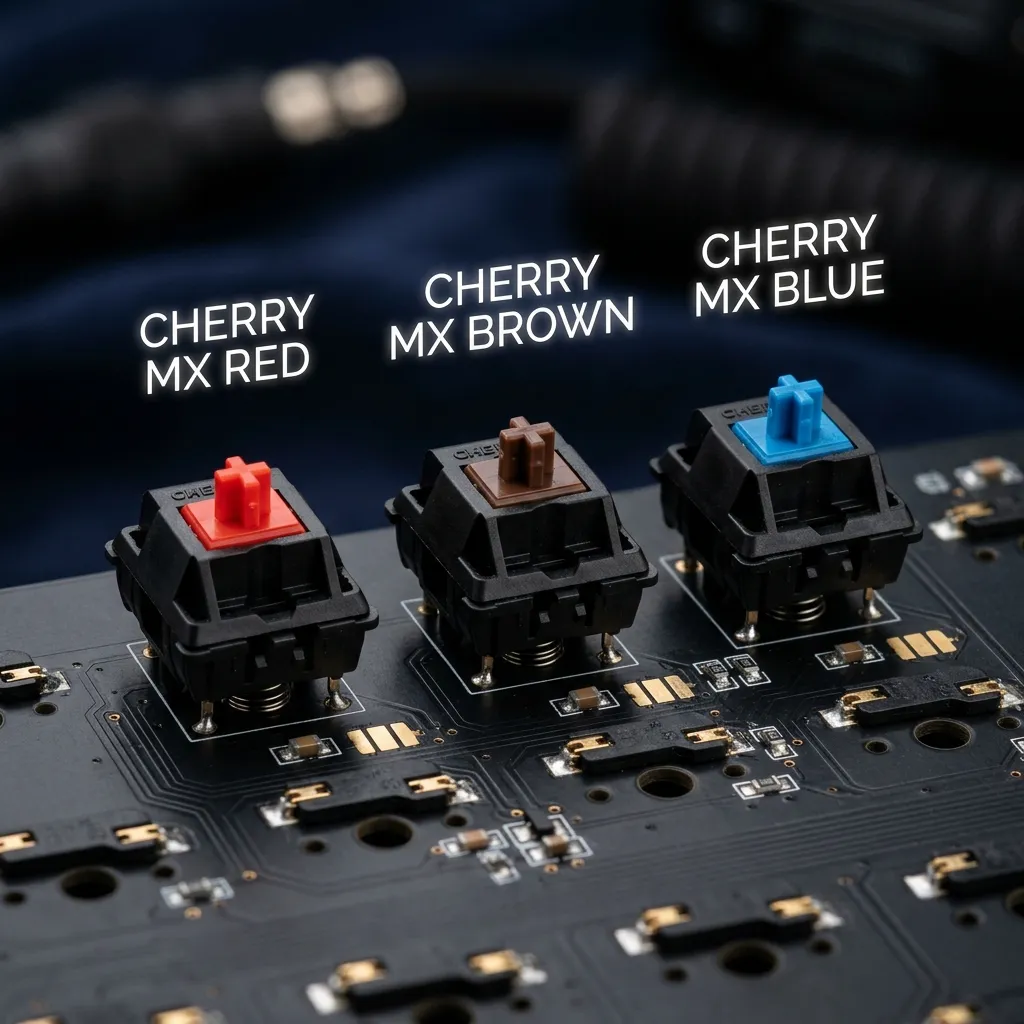
For quiet offices, silent mechanical keyboard switches offer the best blend of performance and noise reduction.
Understanding Mechanical Switch Types
Mechanical switches can be categorized into linear, tactile, and clicky types, each providing distinct auditory feedback. Silent switches, typically linear, reduce noise without compromising performance.
Ergonomics of Silent Switches
Silent mechanical switches are designed for comfort, minimizing finger fatigue during long typing sessions. Switch actuation force, typically between 45g to 60g, plays a critical role in user comfort.
Material Composition and Durability
High-quality silent switches incorporate materials like polycarbonate and PBT to enhance durability and tactile response. The lifespan of these switches often exceeds 50 million key presses, ensuring long-term reliability.
Performance in Professional Environments
Performance metrics such as actuation speed and key travel distance are essential for typing efficiency. Silent switches often feature actuation distances of 1.5mm to 2mm, promoting rapid key response.
Design Aesthetics and Customization
Silent mechanical keyboards come in various designs, catering to different aesthetic preferences. Customizable RGB lighting and keycap designs allow personalization while maintaining a professional appearance.
| Switch Brand | Type | Actuation Force | Noise Level | Lifespan |
|---|---|---|---|---|
| Cherry MX Silent Red | Linear | 45g | Very Quiet | 50 million |
| Gateron Silent Brown | Tactile | 55g | Quiet | 50 million |
| Razer Yellow | Linear | 45g | Very Quiet | 80 million |
| Kailh Box Silent Pink | Tactile | 50g | Quiet | 80 million |
| Logitech Romer-G | Linear | 45g | Quiet | 70 million |
DomineTec Tip: Consider using wrist rests to enhance ergonomics and further reduce strain during extensive typing sessions.
- Determine the preferred switch type (linear or tactile).
- Evaluate actuation force based on personal comfort.
- Research brands known for high-quality silent switches.
- Consider the keyboard layout and additional features such as backlighting.
- Test the keyboard personally, if possible, to assess tactile feedback and noise levels.
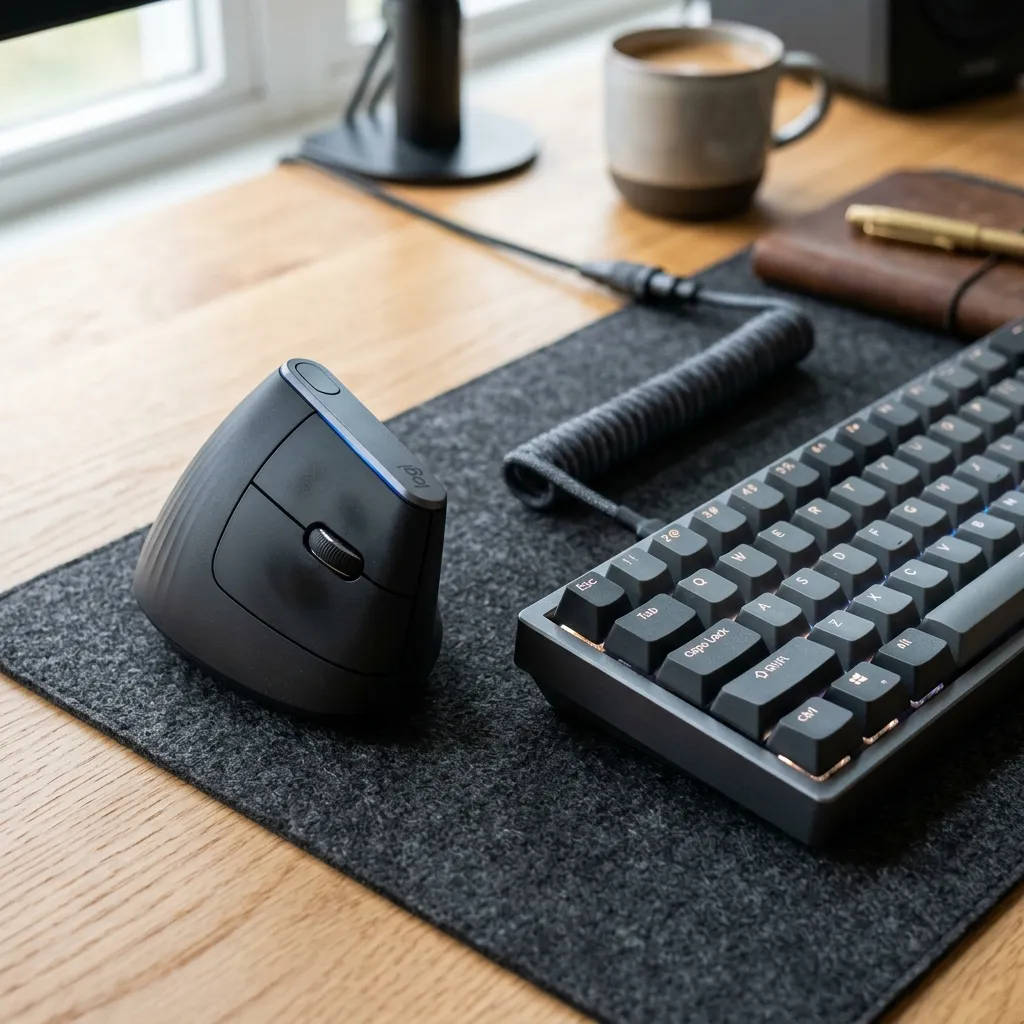

For optimal ergonomics, consider pairing silent mechanical keyboards with an ergonomic office chair and ensuring the correct monitor height is maintained.
Sound Dampening Technologies in Mechanical Switches
Modern silent mechanical switches incorporate sound dampening technologies to minimize noise during typing. These often include rubber O-rings or silicone dampers that absorb sound and vibrations.
Some manufacturers design their switches with special housing that helps to muffle sound, ensuring a quieter typing experience. Understanding these technologies can aid in selecting the most effective silent switch for a quiet office environment.
Comparative Analysis of Popular Silent Switches
Several brands have developed popular silent switches, each with unique characteristics that cater to different user preferences. Cherry MX Silent Red and Brown switches are widely recognized for their smooth keystrokes and quiet operation.
Other notable options include Gateron Silent and Kailh Silent switches, which offer competitive performance and tactile feedback. Evaluating the nuances of each type can help users make informed decisions based on their typing style and office requirements.
Impact of Switch Actuation Force on Noise Levels
The actuation force required to engage a switch significantly influences both the typing experience and the noise produced. Lighter actuation forces can lead to faster typing speeds, but may also result in more inadvertent key presses, generating additional noise.
In contrast, heavier actuation forces might require more deliberate effort but can provide quieter performance due to reduced accidental keystrokes. Assessing the actuation force that best fits individual typing habits can enhance both productivity and noise management in office settings.
Maintenance and Care for Silent Mechanical Keyboards
Regular maintenance of silent mechanical keyboards is essential for preserving performance and longevity. Cleaning the keyboard surface and removing debris from between the keys can prevent unwanted noise and maintain a smooth typing experience.
Additionally, lubricating the switches can reduce friction and enhance the overall feel, contributing to quieter operation. Implementing a consistent maintenance routine can ensure the keyboard remains in optimal condition for quiet office environments.
Compatibility with Different Devices and Operating Systems
The compatibility of silent mechanical keyboards with various devices and operating systems is an important consideration for users. Many silent mechanical keyboards offer plug-and-play functionality, allowing for seamless integration with multiple platforms, including Windows, macOS, and Linux.
Some models feature customizable keys and programmable functions that enhance productivity across different operating systems. Understanding compatibility ensures that users can maximize the utility of their silent mechanical keyboards in diverse working environments.
Future Trends in Silent Mechanical Switch Technology
The landscape of silent mechanical switch technology is continuously evolving, driven by user demand for quieter typing solutions. Emerging trends include the development of more advanced materials that enhance sound dampening properties without compromising key feel.
Additionally, manufacturers are exploring innovative designs that incorporate smart technology for customizable sound profiles and haptic feedback. Keeping abreast of these trends can help consumers anticipate future innovations in silent mechanical switches.
Personalizing Your Silent Mechanical Keyboard Experience
Personalization options for silent mechanical keyboards allow users to tailor their typing experience to their preferences. Custom keycaps, lighting effects, and switch modifications can enhance both the aesthetic and functional aspects of the keyboard.
Users can also experiment with different switch types to find the perfect combination of sound, feel, and performance for their individual needs. Engaging in personalization not only improves user satisfaction but can also lead to a more productive and enjoyable work environment.
Environmental Considerations for Keyboard Use
As the demand for quieter workplaces grows, the environmental impact of mechanical keyboards is becoming increasingly significant. Many manufacturers are now focusing on sustainable practices, including sourcing materials responsibly and reducing carbon footprints.
Some brands have started to implement eco-friendly packaging and offer recycling programs for old keyboards, reflecting a growing awareness of environmental issues within the tech industry. Using silent mechanical switches not only contributes to a quieter workspace but can also enhance the longevity of the keyboard, thereby reducing electronic waste.
Investing in durable products aligns with both personal and ecological sustainability goals. Moreover, the development of biodegradable materials for key switches is on the rise, indicating a promising future for environmentally conscious consumers seeking quieter solutions.
Influence of Key Travel Distance on Noise Levels
Key travel distance, or the distance a key travels before registering an input, plays a crucial role in the overall sound profile of a keyboard. Shorter travel distances typically result in less noise, making them ideal for silent environments.
Manufacturers are experimenting with various travel distances in silent switches, aiming to find the optimal balance between tactile feedback and sound reduction. Users should consider their typing habits when selecting a keyboard with a specific travel distance.
For example, individuals who type lightly may prefer switches with shorter travel distances, as they produce less sound compared to those who press keys more forcefully. Understanding how travel distance correlates with noise can help users make informed choices, leading to a more productive and serene workspace.
Switch Stability and Its Impact on Typing Experience
The stability of mechanical switches is a critical factor that influences both typing comfort and noise levels. A stable key switch minimizes wobbling and rattling, which can contribute to unwanted sound during typing.
High-quality silent switches often feature additional components, such as stabilizers, that enhance stability and reduce noise. This construction allows for a smoother typing experience, especially for larger keys like the spacebar and enter key.
Moreover, the feel of a stable switch can improve overall typing accuracy, as it provides a consistent feedback mechanism that helps users maintain their rhythm. By focusing on stability, manufacturers can create silent switches that decrease noise levels while enhancing user satisfaction.
Community Feedback and User Reviews
Community feedback plays a significant role in the evolution of silent mechanical keyboards. User reviews often highlight real-world experiences and can guide potential buyers in their decision-making process.
Forums and online platforms dedicated to keyboard enthusiasts provide valuable insights into the performance of various silent switches. Engaging with the community can also lead to discovering lesser-known brands that offer high-quality silent options.
Choosing the Right Keycap Profile for Silent Keyboards
The keycap profile significantly influences both the typing experience and noise levels when using silent mechanical keyboards. Various profiles, such as SA, DSA, and Cherry, provide different heights and shapes that can affect finger placement and comfort during extended use.
Low-profile keycaps generally promote a more subdued typing sound, making them ideal for quiet office environments. Additionally, the material of the keycaps, such as ABS or PBT, can also impact sound dampening.
Ultimately, the right keycap profile should complement the user's typing style and preferences while ensuring minimal noise disruption in professional settings.
The Role of Keyboard Layout in Noise Reduction
The keyboard layout can play a crucial role in the overall noise level of silent mechanical keyboards. A compact layout, such as a 75% or TKL (tenkeyless) design, can reduce the distance fingers travel between keys, potentially leading to a softer typing experience.
Choosing a layout that aligns with typing habits while prioritizing noise reduction can significantly enhance the overall user experience in quiet office settings.
Assessing the Impact of Typing Technique on Noise Levels
Typing technique is a critical factor affecting noise levels when using silent mechanical keyboards. Encouraging proper typing techniques can help minimize the impact of keystrokes, especially in a professional environment where noise levels need to be controlled.
Training users on effective typing methods can lead to a more comfortable and quieter office environment, enhancing productivity while reducing distractions caused by keyboard noise.
Integration of Smart Features in Silent Mechanical Keyboards
As technology advances, the integration of smart features in silent mechanical keyboards is becoming increasingly common. Many modern silent keyboards offer programmable keys, allowing users to customize their typing experience based on personal preferences and workflow requirements.
Additionally, some silent keyboards now come equipped with features such as backlighting, which improves visibility in low-light settings. The incorporation of software applications enables users to remap keys, create macros, and track typing statistics.
As the demand for multifunctional devices increases, future silent mechanical keyboards are likely to incorporate even more smart features, including voice control and artificial intelligence capabilities.
Health Benefits of Using Silent Mechanical Keyboards
The selection of a silent mechanical keyboard can have significant health benefits, particularly for individuals who spend long hours typing. One of the primary advantages is the reduction of auditory stress, which can lead to distractions and decreased productivity.
Furthermore, silent mechanical keyboards often promote better ergonomic practices, reducing the risk of strain injuries over time. The tactile feedback provided by silent switches can contribute to a more satisfying typing experience, allowing for a more natural typing rhythm.
Ultimately, the health benefits of using silent mechanical keyboards extend beyond physical comfort. The combination of reduced noise levels and ergonomic design fosters an environment conducive to focus and productivity.
Customizing Key Press Feedback for Enhanced Typing Experience
Customizing key press feedback is essential for creating a personalized typing experience that balances tactile response and noise reduction. Many silent mechanical switches offer a fine-tuning option that allows users to adjust the actuation point, giving them the ability to choose between a softer touch and a more pronounced feedback sensation.
To achieve this customization, users can utilize software provided by keyboard manufacturers or third-party applications. For instance, software like QMK or VIA allows for remapping keys and fine-tuning actuation points, ensuring that the keyboard suits specific typing styles and preferences.
This level of customization can also address common issues like accidental key presses, especially in a quiet office setting. By adjusting the actuation distance, users can prevent unintentional activations, thus maintaining a peaceful working environment.
Furthermore, the incorporation of adjustable tactile feedback can enhance the typing experience. By using dampeners or modifying the switch's internal components, users can create a keyboard that feels responsive yet quiet, maintaining productivity without disturbing coworkers.
Advanced Troubleshooting Techniques for Silent Mechanical Keyboards
Advanced troubleshooting is crucial for maintaining the performance of silent mechanical keyboards, particularly in a professional office environment. Common issues include inconsistent key responses or unresponsive keys, which can often be resolved through systematic diagnostics.
The first step is to check the connection between the keyboard and the computer. Users should ensure that the keyboard is properly connected via USB or Bluetooth. For wired keyboards, trying different USB ports can sometimes resolve connectivity issues.
If connectivity is not the problem, the next step involves inspecting the key switches themselves. This can be done by removing keycaps and using compressed air to clear out debris that might be obstructing the switches. If a switch appears damaged or unresponsive, replacing it may be necessary to restore full functionality.
Lastly, if the keyboard is equipped with programmable features, reverting to factory settings can resolve software-related issues. This can typically be done by pressing a specific key combination; for example, holding down the 'Fn' key and 'Esc' simultaneously while connecting the keyboard can reset the device.
Frequently Asked Questions
What are the quietest mechanical switches?
Cherry MX Silent Red and Gateron Silent Brown are among the quietest mechanical switches available.
Is a silent mechanical keyboard worth it?
A silent mechanical keyboard is worth it for environments where noise reduction is vital, such as offices.
How long do silent switches last?
Most silent switches have a lifespan of approximately 50 to 80 million key presses, depending on the brand.
Can silent switches still offer good tactile feedback?
Yes, some silent switches, like the Gateron Silent Brown, provide tactile feedback while remaining quiet.
Are there any silent mechanical keyboards with RGB lighting?
Many silent mechanical keyboards come equipped with customizable RGB lighting options, enhancing aesthetic appeal.




