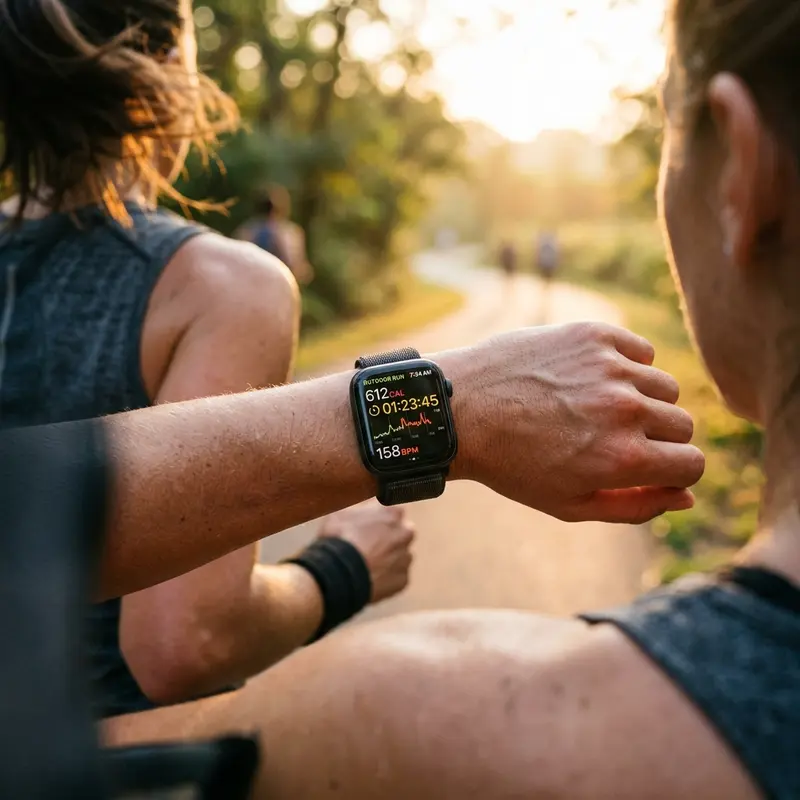
The best Bluetooth running earbuds that won't fall out are those designed with secure ear hooks, ergonomic ear fins, or bone conduction bands. Whether you are sprinting on an athletic track, navigating a rugged trail, or completing a high-intensity interval training (HIIT) session, standard in-ear buds tend to slip and slide the moment sweat begins to accumulate. A secure fit is not just about convenience; it directly affects sound isolation, acoustic performance, and overall safety during outdoor activities. In this comprehensive guide, we will analyze the top secure-fit designs, discuss vital specifications like water resistance ratings, and help you find the absolute best audio partner for your daily runs.
Every runner has experienced the frustration of adjusting their earbuds mid-stride. Not only does this interrupt your rhythm, but it also increases the risk of dropping and damaging your expensive audio equipment. Fortunately, audio manufacturers have recognized this issue, engineering specialized sports earbuds that utilize physical anchoring mechanisms to stay locked in place. From wrap-around hooks that distribute weight behind your ear to soft silicone wings that nestle inside the cartilage fold, there is a design suited for every unique ear anatomy. As we explore these options, you will discover how modern engineering has solved the stability problem without compromising on audio quality or wireless connection strength.
Furthermore, choosing sports earbuds requires understanding how form factors interact with your movements. Marathon runners and trail enthusiasts need devices that withstand hours of rhythmic impact, heavy sweat, and unpredictable weather. By examining design, materials, and audio technology, you can ensure your workout soundtrack continues uninterrupted through your training.
Why Fit Architecture Matters: Ear Hooks, Ear Fins, and Bone Conduction
When it comes to selecting sports headphones, the physical architecture of the earbud is the single most critical factor determining whether it will stay in place. Standard earbuds rely purely on friction within the ear canal, which is easily compromised by sweat, jaw movements, and the impact of running. To counteract these forces, manufacturers have developed three primary secure-fit styles, each offering distinct advantages depending on your running environment and comfort preferences:
- Over-Ear Hooks: Ideal for trail runners and high-impact sprints where physical stability is the absolute top priority.
- In-Ear Fins (Wings): Perfect for gym workouts and runners who wear sunglasses or prescription glasses, providing a compact profile.
- Bone Conduction Bands: Best for safety in high-traffic urban areas, leaving your ear canal completely open to ambient sound.
The first and most reliable design is the over-ear hook. Earbuds featuring flexible, wrap-around hooks leverage the upper curve of the outer ear to distribute the weight of the earbud evenly. This mechanical anchor ensures that even during rapid head movements or high-impact jogging, the earbuds remain firmly in place. The ear hook design is especially popular among long-distance runners who need a secure fit that remains comfortable over several hours. Many premium options, such as the Powerbeats Pro or the Soundcore Sport series, use pliable materials or shape-memory wire inside the hooks, allowing users to bend and customize the fit according to their ear shape. Even if the ear tip shifts slightly inside the ear canal, the outer hook ensures the device never drops to the ground, preventing loss or damage on busy trails.
The second option is the in-ear fin, also known as ear wings. This design utilizes a small, flexible silicone extension that protrudes from the body of the earbud and tucks under the ridge of your ear cartilage (the concha). Ear fins offer a much more compact profile than over-ear hooks, making them a favorite for runners who prefer a discreet look or wear glasses and sunglasses, which can sometimes clash with external ear hooks. Brands like Bose and Jabra have perfected this with proprietary textures that grip the skin even when wet. Because the fin exerts gentle outward pressure inside the ear, it keeps the ear tip tightly sealed, preserving bass response, rich mid-tones, and passive noise isolation during high-speed runs.
Finally, bone conduction technology represents a revolutionary approach to sports audio. Instead of sitting inside or over your ear canal, bone conduction headphones use transducers that rest on your cheekbones, sending sound vibrations directly to your inner ear through your skull. They are held in place by a lightweight, wrapping headband that circles the back of your head. This open-ear design provides unmatched stability because the headband tension holds the transducers snugly against your temples. Furthermore, since your ear canals remain completely open, you can hear ambient noises like passing cars, cyclists, and warning signals. This makes bone conduction the safest choice for urban runners who navigate heavy traffic or shared recreational pathways.
Each design has its fan base, depending on anatomy and comfort. Some runners find in-ear tips cause a plugged feeling or amplify their footsteps (the occlusion effect). For them, bone conduction or ear hooks are the ideal alternative. Audiophiles who prioritize deep bass will gravitate toward in-ear fins or hook designs that seal the canal for high-fidelity playback.
Key Specifications to Prioritize in Sports Earbuds
While a secure fit is paramount, sports earbuds must also withstand the harsh environments of outdoor workouts. The first specification you must check is the IP (Ingress Protection) rating, which indicates the level of dust and water resistance. For running, a minimum rating of IPX4 is necessary to protect against sweat and light rain splashes. However, if you frequently run in heavy downpours, sweat heavily, or want to wash your earbuds under running water, opting for IPX7 or IP68 ratings is highly recommended. These ratings guarantee that the electronics are fully waterproof and can survive temporary submersion, meaning a sudden storm will never ruin your equipment.
Battery life is another crucial consideration, especially for endurance runners, marathon trainees, and triathletes. You should look for earbuds that offer at least 6 to 8 hours of continuous playback on a single charge, with an additional 20 to 30 hours provided by the charging case. Fast charging capabilities are also incredibly convenient; many modern sport earbuds can deliver up to an hour of playback with just a 10-minute charge, saving you when you forget to charge your device before a workout. Ensure the case itself is durable and seals tightly to protect the earbuds from moisture when stored in a gym bag.
Connectivity stability is equally important, as nothing ruins a run faster than audio dropouts or pairing issues. Earbuds utilizing Bluetooth 5.2 or higher provide a more stable connection, faster pairing, and better power efficiency. If you ever experience issues setting up your wireless headphones, understanding how to configure them correctly is essential. For instance, you can read our detailed guide on how to pair JBL headphones to phone to learn standard pairing protocols, troubleshooting steps, and tips for maintaining a seamless link between your phone and your audio gear. This knowledge is universal and applies to many other major audio brands as well.
Lastly, consider the microphone quality and ambient awareness features. Many premium sports earbuds include a transparency mode that uses external microphones to pass ambient sounds into your ears. This allows you to enjoy your music while remaining fully aware of your surroundings, combining the acoustic benefits of in-ear earbuds with the safety features of open-ear bone conduction designs. High-quality onboard controls, whether capacitive touch or physical buttons, are also vital so you can adjust volume, skip tracks, or take calls without breaking your running form.
Additionally, companion apps allow you to customize the EQ settings, tweak touch controls, and perform firmware updates. Updating firmware is important because manufacturers regularly release patches that improve Bluetooth stability and battery efficiency. Before your next run, check the app to ensure your device is running the latest software version.
Sports Earbuds Side-by-Side Comparison
To help you decide which style suits your workout routine, we have compiled a detailed comparison table. This matrix contrasts the fit mechanism, water resistance, battery performance, and primary use-case for the most popular configurations available on the market today. Reviewing these parameters will help you balance safety, durability, and sound quality based on your personal running habits.
| Fit Architecture | IP Waterproof Rating | Average Battery Life | Sound Isolation Level | Best Suited For |
|---|---|---|---|---|
| Over-Ear Hooks | IPX7 to IP68 (Very High) | 8 - 10 Hours (Single Charge) | Moderate to High | High-Impact Workouts & Trail Runs |
| In-Ear Wings / Fins | IPX4 to IPX7 (Moderate) | 6 - 8 Hours (Single Charge) | High (Excellent Bass) | Gym Sessions & Track Sprinting |
| Bone Conduction | IP55 to IP68 (High) | 8 - 12 Hours (Single Charge) | None (Open-Ear Safety) | Urban Running & Cycling |
| Standard In-Ear Tips | IPX2 to IPX4 (Low to Med) | 5 - 7 Hours (Single Charge) | High (Passive Isolation) | Light Jogging & Casual Walks |
As shown in the table, over-ear hooks provide the absolute highest stability for intense, high-impact movements. If your routine involves technical trail running where your head and body shift dynamically, the mechanical security of an over-ear hook is unmatched. On the other hand, if you prefer isolating yourself from background noise in a busy gym, in-ear wings offer superior passive noise isolation and deeper bass response, though they may require periodic adjustments as sweat reduces friction. Bone conduction is the clear winner for safety, providing zero isolation so you can hear traffic in busy urban environments.
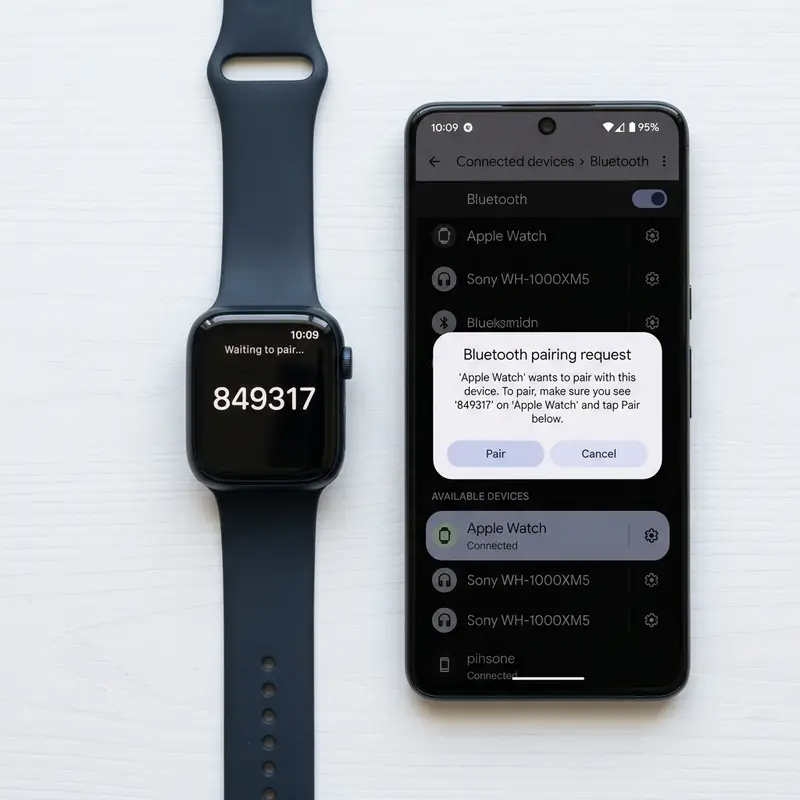
Consider compatibility with smartwatch accessories. Many runners leave smartphones at home and sync earbuds to an Apple Watch, Garmin, or Android watch. Ensure your earbuds support standard Bluetooth profiles for seamless wearable connection, providing a lightweight, hands-free experience while tracking your pace and heart rate.
Dica DomineTec: Always clean the charging pins on your sports earbuds and inside the case after every run. Sweat contains salts that can corrode the delicate metal contacts, leading to charging failures or connection bugs over time.
How to Clean and Maintain Your Sports Earbuds
Running outdoors exposes your earbuds to a combination of sweat, rain, dust, and earwax. Over time, this debris accumulates in the speaker meshes and charging contacts, causing muffled sound, reduced volume, or charging failures. Regular maintenance is essential to extend the lifespan of your audio investment and ensure sanitary usage. Cleaning your earbuds should become a weekly habit if you run multiple times a week.
To clean your earbuds safely, start by removing the silicone ear tips or fins. Wash these silicone components separately in warm, soapy water, making sure they are completely dry before reattaching them. For the main earbud body, use a dry, soft microfiber cloth to wipe down the exterior surfaces. If there is stubborn wax buildup blocking the speaker grill, use a soft-bristled brush or a wooden toothpick to gently scrape it away, taking care not to push the wax deeper into the acoustic chamber. If you own Apple earbuds, you can follow our step-by-step guide on how to clean earwax out of AirPods to safely restore their sound quality without damaging the sensitive internal meshes.
Never submerge your earbuds in water, even if they have a high waterproof rating. Waterproof ratings are tested under controlled laboratory conditions, and high-pressure tap water or soap can degrade the protective acoustic membranes. Instead, use isopropyl alcohol wipes with a 70% concentration to disinfect the outer plastic casing and the ear hooks, avoiding direct contact with the speaker mesh itself. Allow the components to air dry completely for at least 30 minutes before placing them back into the charging case to avoid short-circuiting.
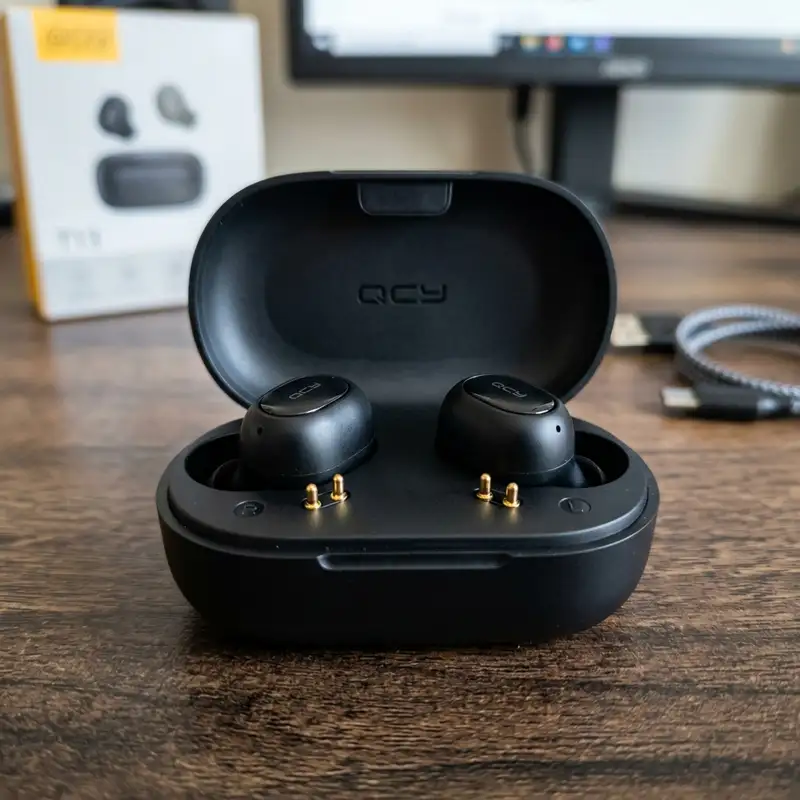
Additionally, pay close attention to the charging case. Dirt, lint, and sweat residue can accumulate inside the charging wells, preventing the earbud contacts from touching the charging pins. Use a dry cotton swab to gently clean these hard-to-reach areas. If you notice any corrosion on the metal contacts, a tiny drop of rubbing alcohol on a cotton swab can help clean the grime away. Keeping the charging path clean ensures that your earbuds are always fully charged and ready to power your next run without interruption.

Optimizing the Fit and Troubleshooting Connection Issues
Achieving a secure fit often requires some initial experimentation. Most premium running earbuds package multiple sizes of silicone ear tips (small, medium, and large) and ear fins. It is common for runners to have slightly different ear canal sizes, meaning you might need a medium tip for your right ear and a large tip for your left ear. Take the time to test different combinations during a short trial jog to find the seal that balances stability, comfort, and noise isolation.
When inserting earbuds with ear fins, use a twist-to-lock technique. Insert the ear tip into your canal, then rotate the earbud backward until the fin nestles securely under the cartilage ridge. For over-ear hooks, adjust the bendable wire if your model features it, conforming the hook closely to the back of your ear lobe. If the earbuds feel loose or if you notice a loss in bass frequencies, the seal is likely incomplete, which will also make the earbuds more prone to falling out during high-impact intervals.
Outdoor running environments can also present unique challenges for wireless connectivity. Unlike indoor spaces where Bluetooth signals can bounce off walls, outdoor areas lack reflective surfaces, making your body the primary obstacle. If you wear your smartphone on an arm band or in a pocket on the opposite side of the earbud's primary receiver, you might experience minor signal dropouts. To resolve this, position your playback device on the same side of your body as the earbud's main receiver or use a smartwatch synced directly to your buds.
Furthermore, running in areas with high electromagnetic interference, such as near power lines, cell towers, or crowded transit hubs, can disrupt the wireless connection. In these scenarios, modern earbuds with advanced Bluetooth chipsets perform much better, as they can dynamically switch channels to avoid interference. Keeping your earbud firmware updated via the manufacturer's mobile app also ensures optimal antenna performance and resolves known connectivity bugs.
Lastly, if you experience persistent audio sync issues or connection drops, performing a factory reset on your earbuds can often solve the problem. Most wireless earbuds can be reset by placing them in the charging case and holding the physical buttons or touch panels for 10 to 15 seconds until the LED lights flash. After resetting, delete the earbuds from your phone's Bluetooth settings and pair them again. This clears out old connection caches and establishes a fresh, stable link for your upcoming outdoor training sessions.

Frequently Asked Questions About Running Earbuds
1. Why do my earbuds keep falling out when I run?
Earbuds usually fall out during runs due to a combination of sweat, jaw movements from breathing, and the mechanical vibration of your strides. Sweat acts as a lubricant, reducing friction between the ear canal and the silicone tip. To prevent this, choose earbuds with physical anchors like over-ear hooks or silicone ear wings that lock into the outer ear structure.
2. Can I use noise-canceling earbuds while running outside?
While active noise cancellation (ANC) is excellent for blocking out ambient noise in gyms or office spaces, it can be dangerous when running outdoors on public roads. For outdoor running, it is recommended to use transparency mode or open-ear bone conduction headphones. This ensures you remain aware of traffic, pedestrians, and emergency sirens.
3. What IP rating should I look for in sports headphones?
You should look for a minimum rating of IPX4, which protects against sweat and light rain from any direction. If you sweat heavily, run in heavy rain, or want to wash your earbuds under running water after your workouts, choose earbuds with an IPX7 or IP68 rating, which indicates complete waterproof protection.
4. Do bone conduction headphones fall off during sprints?
No, bone conduction headphones are highly stable. They feature a continuous, wrap-around tension band that fits around the back of your head, clamping the transducers securely against your cheekbones. Because they do not rely on friction inside the ear canal, they remain securely in place even during high-impact sprinting or vigorous head movement.



