Best Replacement PTFE Mouse Feet (Skates) for Glass Mouse Pads
Choosing the best replacement PTFE mouse feet for glass mouse pads can significantly enhance glide and precision.
Ergonomic Benefits of PTFE Mouse Feet
PTFE (Polytetrafluoroethylene) mouse feet provide reduced friction, allowing smoother movements across glass surfaces. Their ergonomic design promotes a natural hand position, minimizing strain during extended use.
Material Specifications
High-quality PTFE mouse feet typically feature a thickness ranging from 0.5mm to 1mm, offering durability without sacrificing glide. Some brands incorporate a textured finish to enhance control and precision.
Performance Comparison
Performance can vary significantly between brands, with some offering a consistent glide speed while others may exhibit a sticky feel on certain glass surfaces. Evaluating glide characteristics is essential for optimal performance.
Design Variations
Mouse feet are available in various shapes and sizes, tailored to different mouse models for optimal fit. Custom shapes can cater to specific gaming styles or work preferences, enhancing overall user experience.
Top Brands and Options
Popular brands such as Hyperglide, Corepad, and Glorious offer premium PTFE mouse feet designed for various mouse models. Each brand presents unique features that cater to specific user needs and performance expectations.
| Brand | Material | Thickness | Compatibility | Glide Rating |
|---|---|---|---|---|
| Hyperglide | PTFE | 0.8mm | Logitech G series | 9/10 |
| Corepad | PTFE | 1.0mm | Razer mice | 8/10 |
| Glorious | PTFE | 0.5mm | Generic mice | 10/10 |
DomineTec Tip: Regular maintenance of mouse feet can prolong their lifespan and maintain optimal glide by cleaning surfaces from debris and oil buildup.
- Assess mouse compatibility with replacement feet.
- Compare glide ratings and user reviews for performance insights.
- Select feet with an appropriate thickness for desired glide feel.
- Consider a reputable brand known for quality materials and design.
- Purchase from authorized retailers to ensure product authenticity.
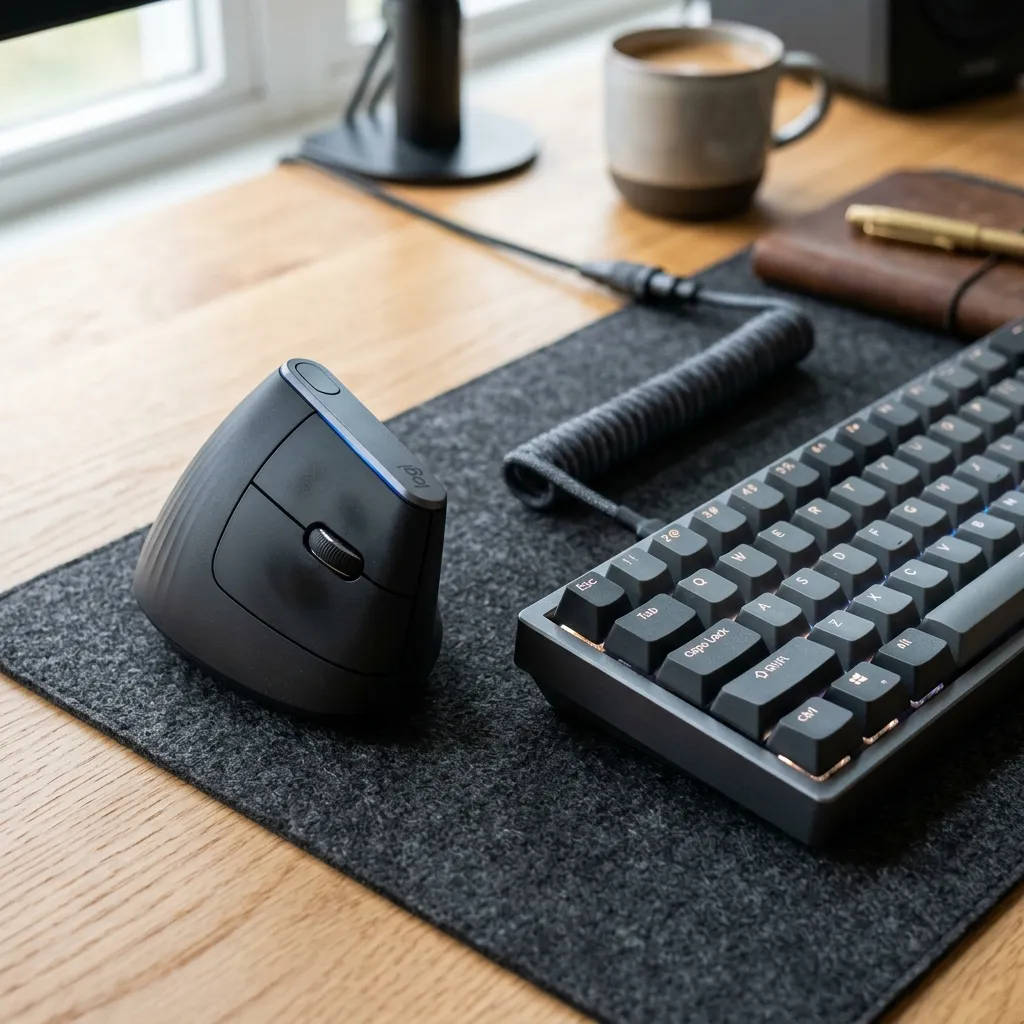

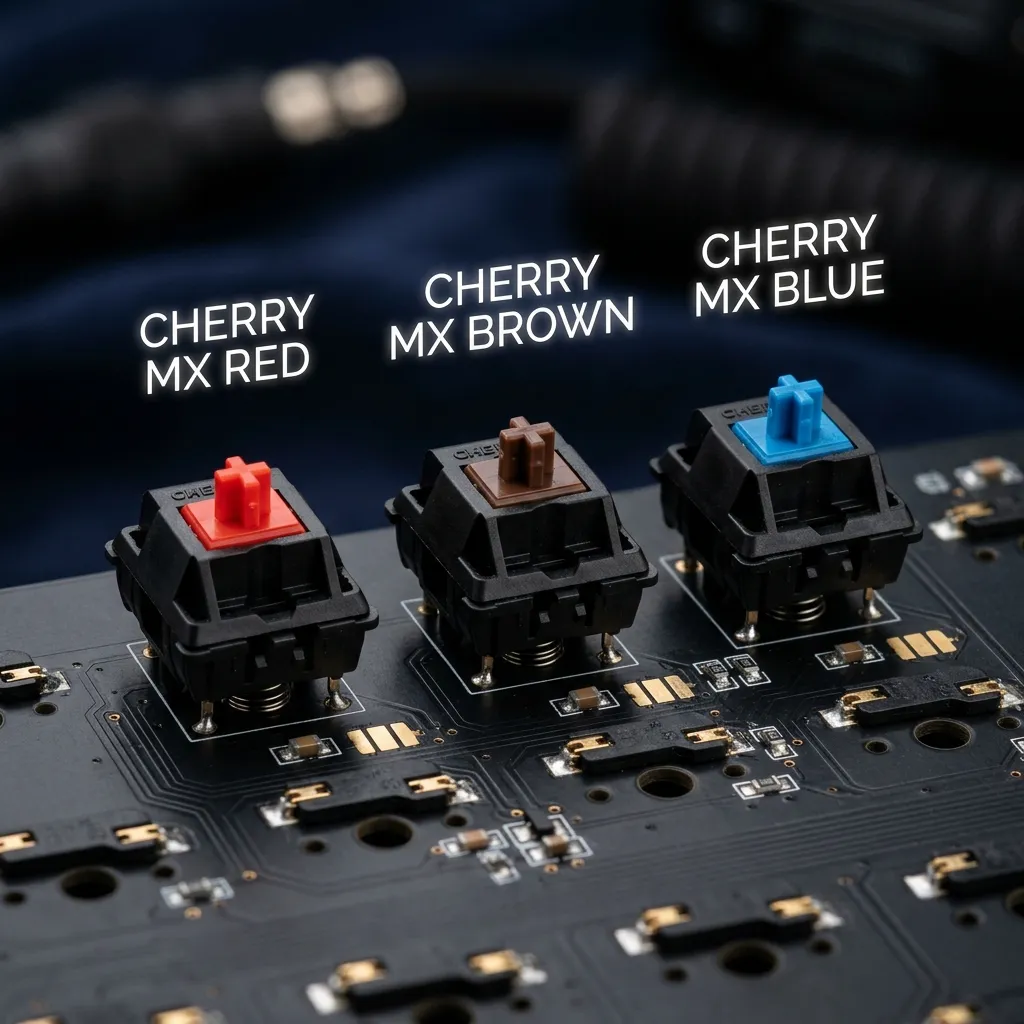
For those interested in optimizing their workspace, explore how to choose mechanical keyboard switches or tips for a clean productivity desk setup.
Installation Tips for PTFE Mouse Feet
Proper installation of PTFE mouse feet is crucial for maximizing performance and ensuring longevity. Start by cleaning the bottom of the mouse thoroughly to remove any old adhesive or residue that could hinder the new feet's performance.
Use a high-quality adhesive remover and a lint-free cloth for this purpose, ensuring that the surface is completely dry before proceeding. Carefully peel the backing off the new PTFE feet and align them with the mouse's contact points, applying even pressure to secure them in place.
Maintenance of PTFE Mouse Feet
Maintaining PTFE mouse feet can significantly extend their lifespan and enhance performance on glass surfaces. Regularly inspect the feet for signs of wear or damage, as even minor abrasions can affect glide quality.
Cleaning the feet with a soft cloth and a mild cleaning solution can help remove dirt and debris that accumulates over time. Reapplying adhesive or replacing the feet when they become worn is essential to maintain optimal performance.
Impact of Surface Texture on Performance
The texture of the glass mouse pad can significantly influence the performance of PTFE mouse feet. Smooth glass surfaces generally provide a faster glide, while textured surfaces may offer more control but can create more friction.
Understanding how your mouse feet interact with your specific mouse pad can help in choosing the right type for your needs. Testing different combinations can lead to a more personalized setup that enhances both comfort and precision.
Environmental Considerations for PTFE Materials
PTFE materials are known for their durability, but environmental concerns have been raised regarding their production and disposal. Many manufacturers are now exploring eco-friendly alternatives that do not compromise performance while being kinder to the planet.
Choosing brands that prioritize sustainability can contribute to a more responsible consumption cycle in the gaming and tech industries. Researching the lifecycle of mouse feet materials informs consumers about the environmental impact of their purchases.
Compatibility with Different Mouse Models
Not all PTFE mouse feet are created equal, and compatibility with specific mouse models is critical. It's essential to check the manufacturer's specifications and recommendations before purchasing replacement feet.
Many brands offer model-specific options, ensuring a perfect fit and optimal performance tailored to the design and weight of the mouse. Consulting online forums or user reviews can provide additional insights into successful pairings between mouse models and PTFE feet.
Cost vs. Performance Analysis
When selecting PTFE mouse feet, it is vital to consider the balance between cost and performance. Higher-priced options often incorporate advanced manufacturing techniques and quality materials, leading to improved glide and durability.
However, budget-friendly alternatives can still provide satisfactory performance for casual users or gamers. Understanding your usage patterns can help in making a cost-effective decision without sacrificing essential performance attributes.
User Experiences and Reviews
User experiences and reviews offer invaluable insights into the real-world performance of PTFE mouse feet on glass pads. Many users highlight improvements in glide and precision after switching to high-quality PTFE feet, especially during gaming sessions.
Conversely, some reviews may caution against specific brands or models that do not meet expectations, providing a balanced view. Reading a variety of user feedback can guide prospective buyers toward making informed decisions based on collective experiences.
Long-Term Durability of PTFE Mouse Feet
PTFE mouse feet are renowned for their durability, which often surpasses that of other materials. This longevity is attributed to the inherent properties of PTFE, which resist wear and tear under friction.
When used on glass mouse pads, the combination of a smooth surface and resilient material ensures that the mouse feet maintain their shape and performance over extended periods. Users can expect less frequent replacements compared to other materials.
Factors such as the frequency of use and the type of games or applications can influence the lifespan of PTFE mouse feet. Regular evaluation of the feet's condition can help determine when replacements are necessary.
In summary, investing in high-quality PTFE mouse feet can lead to long-term savings and consistent performance, making them an excellent choice for avid gamers and professionals alike.
Impact of Weight on Performance
The weight of a mouse can significantly affect the performance of PTFE feet. Heavier mice may require denser and more robust PTFE feet to maintain optimal glide and control.
A lighter mouse may benefit from thinner PTFE feet, allowing for faster movements and reduced resistance on smooth surfaces. Users should consider their mouse's weight when selecting appropriate feet.
Testing various weights can help determine the ideal configuration for individual preferences, impacting overall gaming experiences and productivity. Adjustments in weight distribution can lead to noticeable changes in how a mouse responds on a glass pad.
Ultimately, understanding the relationship between mouse weight and PTFE foot performance can enhance user satisfaction and efficiency, ensuring that every movement is deliberate and precise.
Customization of PTFE Mouse Feet
Customization options for PTFE mouse feet have become increasingly popular among gamers and enthusiasts. Users can modify the shape and thickness of the feet to better suit their personal preferences.
Some brands offer customizable kits that include various sizes and shapes of PTFE feet, allowing users to experiment with different configurations. This tailored approach can significantly enhance comfort and performance.
Additionally, certain manufacturers provide options for color and design, enabling users to match their mouse aesthetics. Customization not only improves functionality but also adds a personal touch to gaming setups.
Overall, the ability to customize PTFE mouse feet can lead to a more personalized and enjoyable user experience, catering to the diverse needs of gamers and professionals alike.
Compatibility with Different Surface Types
While PTFE mouse feet are optimal for glass surfaces, their performance can vary across other types of mouse pads. Understanding compatibility with different materials is crucial for maximizing glide and responsiveness.
For instance, cloth mouse pads may provide additional friction, which can affect the smoothness of movement. Users may need to adjust the thickness or hardness of the PTFE feet depending on the surface type.
Testing various combinations of mouse feet and surface types can help users identify the best setup for their specific needs. This adaptability can lead to better performance in gaming and productivity tasks.
Ultimately, recognizing the importance of surface compatibility ensures that users can achieve the best possible performance from their PTFE mouse feet, regardless of the mouse pad material.
Innovations in PTFE Foot Technology
Recent advancements in PTFE foot technology have led to improved formulations and designs. Manufacturers are exploring new blends and treatments to enhance performance characteristics further.
Innovations such as nano-coating can reduce friction even more, allowing for smoother gliding and improved tracking. These enhancements cater to the ever-evolving demands of gamers and professionals.
Additionally, developments in manufacturing processes can lead to more precise and consistent foot shapes, resulting in better performance across various mouse models. This precision is crucial for competitive gaming, where every movement counts.
In conclusion, staying informed about the latest innovations in PTFE foot technology can benefit users seeking the best performance from their equipment and enhance their overall experience.
Choosing the Right Thickness for PTFE Mouse Feet
The thickness of PTFE mouse feet can greatly influence the overall performance of a mouse on glass surfaces. Thicker feet typically provide more cushioning, enhancing comfort during prolonged use, while thinner options may offer a more direct feel for precision movements.
Users should consider their personal preferences and usage scenarios when selecting the thickness. For gamers who require rapid, precise movements, thinner feet may facilitate quicker glides, whereas casual users may prefer the additional comfort provided by thicker options.
It is also essential to note that the thickness can impact the mouse's height from the surface, potentially affecting sensor accuracy. Ensuring compatibility with the mouse's design and sensor technology is crucial for optimal performance.
Ultimately, experimenting with different thicknesses can help users find the perfect balance between comfort and performance, allowing for a tailored experience that meets individual needs.
Impact of Ambient Temperature on PTFE Performance
Ambient temperature can significantly affect the glide performance of PTFE mouse feet. In colder environments, PTFE may become less pliable, leading to increased friction and a less responsive feel during mouse movements.
Conversely, warmer conditions can enhance the smoothness of PTFE, allowing for a more effortless glide across glass surfaces. Users should be aware of how temperature fluctuations in their environment may impact their mouse's performance.
Additionally, prolonged exposure to extreme temperatures can degrade the material over time, affecting its longevity and performance. Regular assessments of the mouse feet's condition may be necessary, especially in varying climates.
Considering the ambient temperature can help users make informed decisions about their mouse setup, ensuring optimal performance and longevity of PTFE mouse feet in diverse conditions.
Effect of Mouse Feet on Gaming Performance
The performance of a gaming mouse is significantly influenced by the type of mouse feet used. PTFE feet provide a smooth glide that minimizes friction, allowing for quicker and more precise movements during gameplay. This is particularly crucial in fast-paced gaming scenarios where split-second decisions can determine the outcome of a match.
In competitive gaming, the ability to make rapid adjustments is often the difference between victory and defeat. PTFE mouse feet enhance control, allowing gamers to execute quick flicks and fluid movements with minimal resistance. This responsiveness can lead to improved accuracy, especially in first-person shooters where precision aiming is critical.
Moreover, the uniformity of PTFE feet ensures consistent tracking across various surfaces. This consistency translates to a more reliable performance over extended gaming sessions, reducing the likelihood of inconsistencies that could disrupt gameplay. Players can therefore maintain their focus on the game rather than adjusting their mouse settings or compensating for erratic movements.
Additionally, the low-friction properties of PTFE help in reducing hand fatigue. Gamers can enjoy longer play sessions without experiencing discomfort, as the effortless glide minimizes the strain on the wrist and fingers. This ergonomic advantage contributes to an overall enhanced gaming experience.
Testing Methodologies for Mouse Feet Performance
Testing the performance of PTFE mouse feet involves several methodologies to ensure accurate and reliable results. One common method is the use of specialized testing surfaces designed to measure glide resistance. These surfaces provide a controlled environment to assess how different mouse feet perform under various conditions.
Another crucial aspect of testing is the use of high-speed cameras to analyze the movement of the mouse. By capturing the mouse's trajectory during rapid movements, testers can evaluate the precision and responsiveness of the PTFE feet. This data helps in understanding the impact of different foot designs on tracking accuracy.
Durability tests are also essential in evaluating long-term performance. This includes wear-and-tear assessments that simulate extensive usage over time. By measuring how the PTFE feet hold up against abrasion and other forms of damage, manufacturers can determine the lifespan and reliability of their products.
Finally, user feedback is invaluable in testing methodologies. Gathering experiences from real users helps identify any inconsistencies or potential issues that may not be evident in controlled tests. This qualitative data complements quantitative findings, providing a comprehensive view of PTFE mouse feet performance.
Frequently Asked Questions
How do PTFE mouse feet improve performance?
PTFE mouse feet minimize friction, allowing for smoother movements and better precision, especially on glass surfaces.
Are all PTFE mouse feet compatible with glass mouse pads?
Not all PTFE mouse feet are designed for glass mouse pads; it is crucial to check compatibility before purchasing.
How to maintain PTFE mouse feet?
Regular cleaning with a soft cloth and mild cleaning solution can prevent buildup and maintain glide efficiency.
Can PTFE mouse feet be replaced easily?
Yes, most PTFE mouse feet are designed for easy replacement; however, care should be taken during the removal process to avoid damaging the mouse.
What thickness of PTFE mouse feet is recommended?
A thickness between 0.5mm and 1mm is generally recommended, depending on personal preference for glide feel.