Best Leonardo AI Models for Photorealism and Rendering
Discover the top Leonardo AI models optimized for photorealism and rendering, perfect for advanced designers and digital artists.
Introduction to Leonardo AI Models
In the realm of digital art, achieving photorealism and exceptional rendering quality is paramount. Leonardo AI has emerged as a powerful tool that offers various models tailored for different artistic needs. The best Leonardo AI models for realism are designed to enhance the creative workflow of advanced designers and digital artists by leveraging cutting-edge algorithms and extensive datasets. From the Kino XL models, which excel in creating realistic portraits, to the Leonardo Vision XL, known for its photorealistic output, there is a plethora of options to explore. This guide will delve into the intricacies of these models, comparing their features, settings, and optimal usage to help you maximize your artistic potential.
Recommended Reading: See also our guide on Leonardo AI vs Midjourney comparison.
Recommended Reading: See also our guide on how to use Leonardo AI for free.
Comparative Overview of Leonardo AI Models

| Model | Specialization | Key Features | Pricing |
|---|---|---|---|
| Kino XL | Realistic Portraits | High detail, natural skin tones, expressive features | $49/month |
| Leonardo Vision XL | Photorealism | Dynamic lighting, realistic textures, high resolution | $59/month |
| Render Pro | 3D Rendering | Advanced shading, environmental effects, animation support | $69/month |
| Concept Art AI | Environment Design | Stylized landscapes, atmospheric effects, color grading | $39/month |
| Character Creator | Character Design | Customizable models, diverse ethnicities, pose adjustments | $29/month |
Understanding Key Settings and Parameters
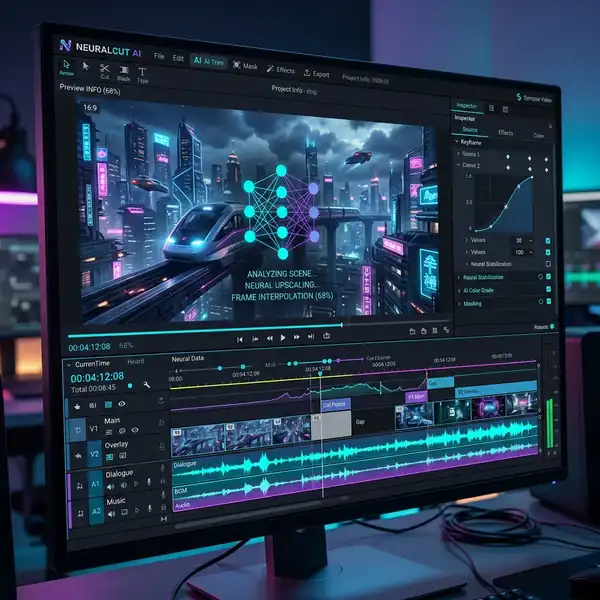
To fully harness the capabilities of the best Leonardo AI models for realism, understanding the key settings and parameters is essential. Each model comes with a set of adjustable parameters that can significantly influence the output quality. Below is a detailed breakdown of critical settings and their recommended values for optimal results.
- Resolution: Set between 512x512 to 2048x2048 pixels depending on the desired detail level.
- Style Weight: Adjust between 0.5 to 2.0 to control the influence of stylistic features in the output.
- Lighting Adjustments: Use dynamic lighting options to create realistic shadows and highlights.
- Texture Quality: Set to high for detailed surfaces, especially in photorealistic models.
- Rendering Engine: Choose from options like Rasterization or Ray Tracing based on the complexity of the scene.
Step-by-Step Guide to Creating Photorealistic Images
Creating photorealistic images using Leonardo AI models requires a systematic approach. Follow these steps to achieve stunning results:
- Select a Model: Choose the appropriate model based on your project needs. For instance, opt for Leonardo Vision XL for photorealism or Kino XL for portraits.
- Set Up Your Environment: Ensure your software environment is optimized for AI rendering. This includes having adequate GPU resources and the latest version of the Leonardo AI platform.
- Configure Parameters: Adjust the key settings as outlined in the previous section. For a photorealistic image, set the resolution to at least 1024x1024 and texture quality to high.
- Prepare the Prompt: Craft a detailed prompt that includes the elements you want to see in the image. For example, “Create a photorealistic landscape featuring a sunset over a mountain range, with high levels of detail in the clouds and foreground vegetation.”
- Run the Model: Execute the command to render the image. Depending on the model and your settings, this may take a few minutes.
- Review and Refine: After the initial render, review the output. Make any necessary adjustments to parameters or prompts and re-render if needed.
- Finalize the Image: Once satisfied with the render, save your image in the desired format (JPEG, PNG, etc.) and make any final edits in your preferred image editing software.
DomineTec Tip: Always experiment with different prompts and parameter settings to discover unique artistic styles and outputs!
Optimizing Your Workflow with Leonardo AI
Efficiency is important when working on complex projects with Leonardo AI models. By optimizing your workflow, you can minimize rendering times and streamline your creative process. Here are some strategies to enhance your workflow:
- Batch Processing: Utilize batch processing capabilities to render multiple images simultaneously. This is particularly useful when creating a series of related artworks.
- Template Use: Create templates for commonly used settings and prompts. This will save time during the setup phase of your projects.
- Utilize Presets: Take advantage of any available presets that come with the models. These can provide a quick starting point for specific styles or outputs.
- Hardware Optimization: Ensure your hardware is optimized for AI rendering. Invest in a high-performance GPU and ensure your system is running efficiently to handle large data processing.
- Regular Updates: Keep your software and models updated to the latest versions to access new features and improvements.
Conclusion
In conclusion, the best Leonardo AI models for photorealism and rendering provide advanced designers and digital artists with powerful tools to create stunning, realistic images. By understanding the capabilities of models like Leonardo Vision XL and Kino XL, and mastering the associated settings and workflows, you can elevate your digital artistry to new heights. Remember to experiment with different parameters and prompts to discover unique outputs that resonate with your creative vision. With the right approach, Leonardo AI can become an invaluable asset in your artistic toolkit.
Advanced Techniques for Optimizing Photorealism in Leonardo AI Models
Achieving photorealism in rendering using Leonardo AI models involves a deep understanding of various advanced techniques and configurations. One of the most critical aspects of enhancing photorealism is the meticulous adjustment of lighting settings. To begin, it is essential to utilize a three-point lighting setup, which includes key, fill, and back lights. The key light serves as the primary source of illumination, while the fill light softens shadows created by the key light. The back light adds depth by separating the subject from the background. When configuring these lights, pay attention to their intensity, color temperature, and position relative to the subject. Experimenting with different angles and intensities can yield dramatic improvements in the overall realism of the rendered image.
Another vital technique is the use of texture mapping and material properties. Leonardo AI models allow for detailed texture mapping that can significantly enhance the realism of surfaces. Begin by sourcing high-resolution textures that are appropriate for the materials you wish to replicate, such as wood, metal, or fabric. Once you have your textures, apply them using UV mapping techniques to ensure that they fit seamlessly onto your 3D models. Additionally, adjust the material properties such as glossiness, reflectivity, and bump mapping to simulate real-world materials accurately. For instance, a wooden surface might require a low glossiness value and a subtle bump map to create the appearance of grain, while a metallic surface would benefit from higher reflectivity and a more pronounced bump map to mimic imperfections.
Post-processing techniques also play a important role in achieving photorealism. After rendering your scene, consider using software like Adobe Photoshop or After Effects to enhance the final output. Techniques such as color grading, adding depth of field, and applying subtle lens effects can elevate the realism of your image. For instance, using a Gaussian blur to simulate depth of field can draw attention to the focal point of your composition while softening the background. Additionally, consider adding film grain or noise to mimic the imperfections found in real-life photography. These post-processing steps can significantly enhance the overall aesthetic and realism of your rendered images.
Lastly, it is essential to leverage the power of AI-driven enhancements within the Leonardo framework. Many AI models come equipped with features that allow for real-time adjustments based on user feedback. Utilize these features to iteratively refine your renders. For example, if a particular aspect of your scene lacks realism, use the AI’s suggestion tools to explore alternative lighting setups or material adjustments. This iterative process not only saves time but also helps in discovering unique configurations that may not have been initially considered. By combining these advanced techniques with the capabilities of Leonardo AI models, you can achieve stunning photorealistic renders that stand out in any portfolio.
Frequently Asked Questions
1. What is the best model for creating realistic portraits?
The Kino XL model is specifically designed for realistic portraits, offering high detail, natural skin tones, and expressive features that enhance the overall quality of portraiture.
2. How can I ensure the best results when using Leonardo Vision XL?
To achieve optimal results with Leonardo Vision XL, set the resolution to at least 1024x1024, adjust the style weight between 0.5 to 2.0, and craft detailed prompts that specify the elements you wish to include in the image.
3. Are there any common issues I should be aware of when rendering with Leonardo AI models?
Common issues include long rendering times and unexpected output results. To mitigate these, ensure your hardware is optimized, use appropriate parameters, and refine your prompts for clarity and specificity.
Optimizing Leonardo AI for High-Quality Photorealistic Rendering
When working with Leonardo AI models for photorealism, configuring the system for optimal performance is essential. The web interface provides a robust platform for making granular adjustments that can significantly impact the output quality. Begin your setup by ensuring you have the latest version of the Leonardo AI software installed, as updates often include enhancements to rendering algorithms and performance optimizations. Following this, you can adjust the rendering settings by utilizing the available options in the interface. Setting the rendering quality to high or ultra will enable more complex algorithms that enhance photorealistic aspects such as lighting, shadows, and texture details. Remember that increasing quality typically requires more processing power, so ensure your hardware meets the necessary specifications to avoid performance bottlenecks.
To further refine your workflow, consider implementing batch processing for rendering multiple images simultaneously. This approach not only saves time but also allows for a more organized output, helping you maintain clarity in your project files. Additionally, take advantage of Leonardo AI's ability to leverage GPU acceleration by enabling the appropriate settings in the interface. This significantly reduces rendering times while maintaining high-quality outputs. Ensure that your system's GPU drivers are up to date and compatible with Leonardo AI to maximize performance.
The structure of your prompts plays a important role in the final rendering quality. To achieve stunning photorealistic results, focus on detailed prompts that include specific attributes and environmental conditions. For example, instead of using a generic prompt like “create landscape,” a more effective prompt would be “generate a photorealistic alpine landscape during sunset with snow-capped mountains, reflective water bodies, and a clear sky filled with dynamic clouds.” This level of specificity guides the AI to understand the desired composition and elements, resulting in a more refined and realistic output. Additionally, combining multiple attributes can enhance creativity; using specific style parameters with well-defined artistic influences can further help in achieving the desired aesthetic.
Lastly, fine-tuning the post-processing options in Leonardo AI can significantly elevate your photorealistic renderings. After generating the initial output, apply post-processing parameters using the available options in the interface. Options like sharpening, denoising, and color correction can help refine the final image, enhancing details, reducing artifacts, and adjusting color balance for a more lifelike appearance. Furthermore, consider integrating Leonardo AI with external image editing software to create a seamless workflow. By ensuring your images are perfectly sized for their intended use, whether for digital display or print, you can maximize the quality of your outputs. By paying close attention to these aspects of configuration, prompt structuring, and post-processing, you can significantly enhance the photorealistic quality of your outputs from Leonardo AI models.
Advanced Configuration Techniques for Optimizing Photorealistic Outputs in Leonardo AI Models
When working with Leonardo AI models, achieving photorealism in rendering requires not only the right model selection but also expert configurations that can significantly enhance the quality of the output. One of the key parameters to manipulate is the resolution setting, which determines the dimensions of the generated images. For instance, using a higher resolution can provide a greater level of detail compared to the default settings. Additionally, ensuring that the model dedicates more resources and time to produce finer details, shadowing, and texturing is important for achieving a lifelike appearance. It is also beneficial to explore the rendering style options, which allow you to choose between various algorithms tailored for photorealism. By fine-tuning these parameters, users can establish a robust baseline for high-quality image generation.
Another significant factor in optimizing photorealistic outputs is the use of prompt structures that effectively communicate the desired visual characteristics to the AI. When crafting prompts, incorporating specific descriptors such as “hyper-realistic,” “highly detailed,” and “natural lighting” can guide the AI to align its output with user expectations. For example, a prompt structured as “A hyper-realistic depiction of a serene forest scene, with detailed foliage and natural lighting at sunset” provides a clear directive to the model. Furthermore, employing modifiers can further enhance the specificity of the request. Users should also consider utilizing a multi-part prompt format, where they can break down the scene into elements, such as foreground, background, and atmosphere, allowing the AI to process and render each component with greater focus. This method not only improves the overall coherence of the generated image but also facilitates iterative refining based on the outputs received.
Workflow optimization is another critical aspect that can lead to significant improvements in rendering efficiency and quality when using Leonardo AI models. Implementing a batch processing approach allows users to queue multiple prompts for concurrent processing, thereby reducing the total time required for generating a set of images. This is particularly useful when dealing with large projects that require multiple variations of a photorealistic scene. Additionally, utilizing scripting to automate repetitive tasks can streamline the workflow. Scripts can be created to dynamically alter parameters based on the outcomes of previous runs, allowing for real-time adjustments and optimizations based on the quality of generated outputs.
Finally, it is essential to incorporate post-processing techniques into your workflow to further refine the photorealistic outputs generated by Leonardo AI models. Utilizing tools such as image editing software can allow for advanced adjustments to contrast, saturation, and sharpness. For example, applying filters for noise reduction or sharpening can significantly improve the perceived quality of the images. Moreover, it is advisable to save the original outputs in a high-quality format before proceeding to any transformations, ensuring that the original data remains intact for further adjustments. By combining expert configurations, effective prompt structures, and advanced post-processing techniques, users can maximize the potential of Leonardo AI models in producing stunningly photorealistic renderings.