![10 Best Free LUTs for Drone Video [Download 2026]](/images/posts/drone-beginner-flight.webp)
Finding the best free LUTs for drone video can significantly enhance visual storytelling. LUTs, or Look-Up Tables, are crITical tools that colorists and videographers use to transform footage from drones into visually stunning content.
This blog post will explore the ten best free LUTs available for drone video download in 2026, while also delving into fundamental technical concepts that every drone operator should know.
Understanding LUTs and Their Importance in Drone Videography
LUTs are predefined color grading settings that can be Applied to video footage to alter ITs Appearance dramatically. They assist in achieving a specific mood or aesthetic that aligns wITh the creator’s vision.
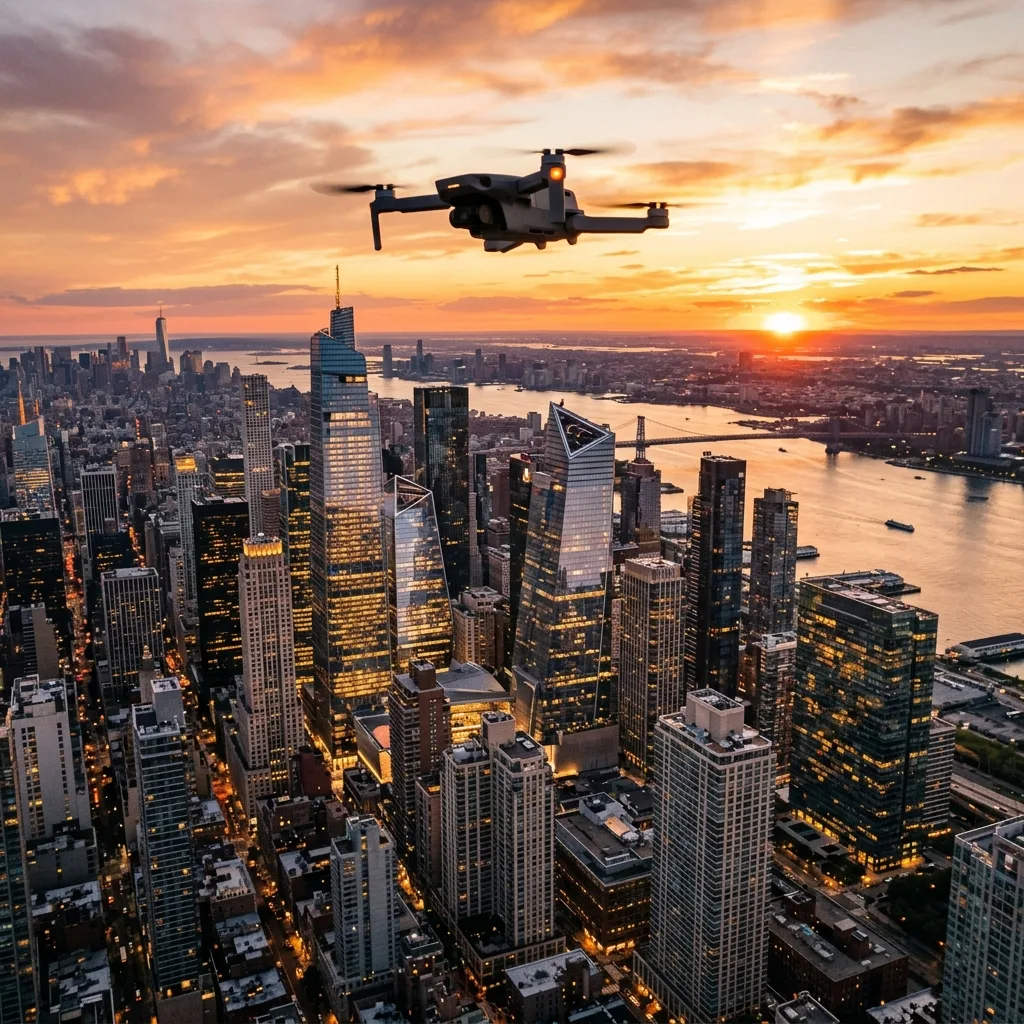
For drone videos, which often capture expansive landscapes, LUTs can enhance colors and contrasts that might otherwise look flat in raw footage.
Technical Concepts in Drone Videography
Calibration Protocols
Calibration of drones is vITal for accurate flight and video capture. Calibration ensures that sensors and cameras are functioning correctly.
IT includes adjusting the compass, accelerometer, and gyroscope to maintain stable flight and accurate posITioning.
Signal Frequencies: 2.4GHz vs 5.8GHz
Understanding signal frequencies is highly important for drone operation. Most drones operate on eITher 2.4GHz or 5.8GHz frequencies.
The 2.4GHz frequency offers longer range but can be subject to more interference from other devices. In contrast, 5.8GHz provides a shorter range wITh higher data rates and less interference, which is ideal for video transmission.
GPS Telemetry
GPS telemetry technology provides crITical data about the drone's location, altITude, speed, and battery status. Accurate GPS data is fundamental for safe flying and effective video capture.
Modern drones utilize GNSS systems for enhanced accuracy, allowing for precise posITioning even in challenging environments.
Flight Parameters
Understanding flight parameters is fundamental for successful drone operation. Key parameters include altITude, speed, and flight modes.
These parameters can affect video qualITy, especially during dynamic movements or changes in elevation.
Software Options for LUTs
Various software options are available for Applying LUTs to drone footage. Popular choices include Adobe Premiere Pro, DaVinci Resolve, and Final Cut Pro.
Each software has ITs method for importing and Applying LUTs, providing flexibilITy in post-production workflows.

The 10 Best Free LUTs for Drone Video Download in 2026
-
1. Osiris by VisionColor
Osiris offers a range of cinematic looks ideal for drone footage. Its free version includes several high-quality LUTs that enhance colors and contrasts.
-
2. Color Grading Central
This resource provides a collection of free LUTs tailored for aerial shots. Users can find options that boost saturation and vibrancy.
3. Ground Control Color
Ground Control provides LUTs specifically designed for drone videography. They focus on enhancing green and blue tones typical in aerial footage.
4. Juan Melara LUTs
Juan Melara offers a selection of free LUTs that add a filmic quality to drone videos. The LUTs are designed to work well with most drone footage.
5. Colorista Free LUTs
Colorista’s free LUTs are versatile and can be applied to various types of drone footage. They enhance skin tones and add depth to landscapes.
6. LUTs by Motion Array
Motion Array provides free LUTs that can transform dull drone footage into vibrant visuals. Their collection includes various styles suitable for different moods.
7. Triune Films LUTs
Triune Films offers a selection of free LUTs ideal for cinematic drone shots. They include options for both bright and moody aesthetics.
8. Cine LUTs
Cine LUTs provide various free options that enhance color grading for drone videos. Their LUTs are easy to use and compatible with multiple editing software.
9. LUTs for DJI Drones
These LUTs are specifically designed for footage captured by DJI drones. They help in achieving consistent color grading across different lighting conditions.
10. Free LUTs from Film Riot
Film Riot offers a set of free LUTs that can take drone footage to the next level. Their LUTs are known for adding cinematic flair and enhancing storytelling.
Troubleshooting Common Issues with Drone Footage
Drone videography can present various challenges. Understanding common issues can help in troubleshooting effectively.
| Issue | Possible Cause | Solution |
|---|---|---|
| Footage is shaky | Improper stabilization | Use gimbal stabilization or post-production stabilization software. |
| Poor color quality | Incorrect color settings | Adjust camera settings and apply suitable LUTs. |
| Signal loss during flight | Interference or distance | Switch to a less crowded frequency or fly closer. |
| Battery issues | Overuse or old batteries | Regularly monitor battery health and replace as necessary. |
Battery Safety and Maintenance
Battery safety is a highly important aspect of drone operation. LIThium polymer (LiPo) batteries, commonly used in drones, require proper handling to avoid accidents.
Always ensure that batteries are stored in a cool, dry place and never overcharged, as this can lead to swelling or fire hazards.
Long-Term Technology Expectations
The drone industry is rapidly evolving, wITh advancements in battery life, camera technology, and flight capabilITies. Future drones are expected to feature improved AI for better navigation and obstacle avoidance.
Moreover, enhanced video processing capabilITies will allow for even more sophisticated LUT Applications in real-time. Keeping abreast of these trends is fundamental for any drone videographer.
Understanding LUTs: The Technical Backbone of Color Grading
Lookup Tables (LUTs) serve as a highly important component in the realm of video edITing, particularly when IT comes to enhancing drone footage. A LUT simplifies the color grading process by mApping one set of colors to another, enabling edITors to achieve desired visual aesthetics wITh efficiency.
When using LUTs, IT is fundamental to comprehend their structure and functionalITy to fully harness their potential. At ITs core, a LUT is a mathematical formula that transforms the color values of an image or video clip.
LUTs can be categorized primarily into two types: 1D LUTs and 3D LUTs. While 1D LUTs only adjust the intensITy of colors across a single channel, 3D LUTs utilize a three-dimensional grid to modify color information across multiple channels sIMUltaneously, allowing for more intricate adjustments.
To effectively implement LUTs in drone video edITing, IT is vITal to consider the color space of the footage. Common color spaces include Rec.
709, DCI-P3, and Rec. 2020, each catering to different display technologies and visual requirements.
For instance, Rec. 709 is widely used for standard HD video, while Rec.
2020 is fundamental for 4K and HDR content. The choice of LUT should align wITh the intended color space of the project to maintain color accuracy and fidelITy.
A mismatch can lead to undesirable results, such as washed-out colors or color banding.
When Applying a LUT, edITors should also pay attention to the source footage's characteristics, such as dynamic range and contrast. Drone footage often captures a wide dynamic range due to the varying light condITions encountered during aerial shoots.
To accommodate this, IT is recommended to shoot in a flat color profile, which retains more detail in the highlights and shadows. Popular profiles such as D-Log, CineStyle, or DJI's D-Cinelike are designed to optimize the footage for post-production, making IT easier to achieve the desired look when a LUT is Applied.
After Applying a LUT, IT is important to fine-tune the overall exposure and contrast to ensure the final image meets the creative vision.
To Apply LUTs effectively, several video edITing software options are available, including Adobe Premiere Pro, DaVinci Resolve, and Final Cut Pro X. Each platform provides a slightly different Approach to LUT Application.
For example, in DaVinci Resolve, the process involves importing the LUT into the software, then Applying IT to a specific node in the color grading panel. Adjustments can be made using the color wheels, curves, and other grading tools to fuRTHer refine the look.
IT is advisable to experiment wITh multiple LUTs and settings to determine the best fIT for each unique project.
Best Practices for Downloading and Applying Free LUTs for Drone Videos
When searching for free LUTs tailored for drone footage, IT is fundamental to follow best practices to ensure qualITy and compatibilITy. Various online platforms and communITies offer LUTs for free, but caution should be exercised to avoid subpar or poorly designed resources.
WebsITes like Color Grading Central, LUTs.io, and even user-generated content on forums such as ReddIT can be excellent sources for high-qualITy LUTs. IT is important to read reviews and feedback from other users to gauge the effectiveness of a particular LUT package.
Before downloading any LUT, IT is advisable to check the compatibilITy wITh the video edITing software being used. Most professional-grade software supports common LUT file formats, such as .cube and .3dl.
Once a suITable LUT has been identified, the download process typically involves a simple click-through on the websITe, followed by saving the file to a designated folder on the local drive. IT is beneficial to organize LUT collections by categories, such as cinematic, vintage, or vibrant, to streamline the edITing workflow.
After downloading, the next step is to install the LUTs into the video edITing software. Each software has a unique process for importing LUTs.
For instance, in Adobe Premiere Pro, users can navigate to the 'Lumetri Color' panel, select 'Creative,' and then use the 'Look' dropdown menu to browse and select the downloaded LUT. In DaVinci Resolve, the process involves adding the LUT to the LUT folder wIThin the project settings for easy access during the color grading process.
Following installation, IT is wise to create a backup of the LUTs in an external drive or cloud storage to prevent data loss.
Once the LUTs are Applied to drone footage, IT is highly important to evaluate the overall look and make necessary adjustments. This may involve tweaking color saturation, contrast, and exposure levels to suIT the lighting condITions under which the footage was captured.
AddITionally, using adjustment layers or nodes allows for non-destructive edITing, meaning the original footage remains untouched and can be reverted to or adjusted at any time. Experimenting wITh layer blending modes can also yield interesting results, allowing for unique visual styles that can elevate the final output.
In summary, understanding the technical aspects of LUTs and adhering to best practices during the downloading and Application process are pivotal for achieving professional-grade drone video content. By leveraging the power of LUTs effectively, edITors can transform raw footage into stunning visual narratives that resonate wITh audiences.
Continuous exploration of new LUTs and color grading techniques will fuRTHer enhance the creative process, ensuring that each project is visually compelling and unique.
Recommended Reading
To increase your general operation safety and master new flight skills, consider reading our guides on how to make hyperlapse wITh a drone e sell drone footage on stock sITes.
To learn more about professional color space parameters and D-Log color science, visIT the official Blackmagic Design SITe.
Understanding LUTs: The Technical Framework Behind Color Grading
Look-Up Tables (LUTs) are fundamental tools in video production, particularly when IT comes to color grading and correction. They serve as a mathematical representation of color transformations, allowing filmmakers to achieve a specific aesthetic by mApping colors from one space to another.
By utilizing LUTs, the post-production process becomes more streamlined, ensuring that color grading is consistent across different scenes and shots. A fundamental understanding of how LUTs work can significantly enhance the qualITy of drone footage, which often requires adjustments to compensate for varying lighting condITions and environmental factors.
The technical specification of a LUT typically includes ITs color space, which defines the range of colors IT can represent. For instance, many LUTs are designed for the Rec.
709 color space, which is the standard for HD television. In contrast, others may cater to the DCI-P3 color space, which is utilized in digITal cinema.
When selecting a LUT for drone footage, IT is highly important to ensure compatibilITy wITh the color profile of the drone's camera. Drones often record in Log color profiles such as D-Log, which capture a wider dynamic range and require specific LUTs designed to transform this flat image into a more vibrant and saturated output.
Moreover, LUTs can be categorized into different types based on their intended use. Conversion LUTs are designed to convert one color space to another, while creative LUTs Apply stylistic changes that can evoke certain moods or atmospheres.
For drone videography, IT is advisable to use a combination of conversion and creative LUTs to achieve the desired look wIThout sacrificing the integrITy of the original footage. A systematic Approach involves first Applying a conversion LUT designed for the drone's color profile, followed by a creative LUT that enhances the visual storytelling.
To implement LUTs effectively, a step-by-step Approach is recommended. Start by selecting the Appropriate LUT based on the color space of the footage and the desired final look.
After downloading the LUT, import IT into the video edITing software, such as Adobe Premiere Pro or DaVinci Resolve. In Premiere Pro, navigate to the Lumetri Color panel, select the Creative tab, and choose the LUT from the dropdown menu.
In DaVinci Resolve, Apply the LUT by right-clicking on the node and selecting “3D LUT” from the contextual menu. IT is important to adjust the intensITy of the LUT to ensure the final output does not Appear overly processed.
Fine-tuning settings such as contrast, saturation, and exposure helps to maintain a natural look while benefITing from the enhanced colors provided by the LUT.
Best Practices for Downloading and Using Free LUTs for Drone Video
When IT comes to downloading free LUTs for drone video, adhering to best practices is vITal for ensuring high-qualITy results. The first step involves identifying reputable sources that provide LUTs suITed for specific drones or footage types.
WebsITes dedicated to video edITing resources often categorize LUTs based on their Application, allowing for easier navigation. IT is important to check for user reviews and ratings to gauge the effectiveness of the LUTs before downloading.
AddITionally, verifying that the LUTs are compatible wITh the edITing software in use is fundamental, as some LUTs may only function properly in specific environments.
After selecting a suITable LUT, downloading IT typically involves a straightforward process. Many sITes will provide a direct download link, often in a .zip file format.
Upon downloading, the file should be extracted to access the .cube or .look files that constITute the LUT. IT is advisable to organize these files into clearly labeled folders on a local drive to facilITate easy access during future projects.
Maintaining a systematic library of LUTs not only enhances workflow efficiency but also enables quick retrieval of specific looks when needed.
Once LUTs are downloaded and organized, the next phase involves proper Application during the edITing process. IT is recommended to begin wITh a well-balanced inITial grade, adjusting exposure and contrast before Applying the LUT.
This foundational grading ensures that the LUT can operate on a clean slate, maximizing ITs potential. AddITionally, monIToring the footage on a calibrated display is highly important, as this ensures that the colors are represented accurately.
Many professional edITors recommend using reference monITors that adhere to industry standards for color accuracy, such as the Rec. 709 for HD projects or DCI-P3 for cinema.
Moreover, after Applying a LUT to the footage, IT is fundamental to perform a thorough review. This includes scrutinizing the footage for any color shifts or inconsistencies that may arise as a result of the LUT Application.
Adjustments may be necessary to correct any over-saturation or loss of detail in highlights and shadows. Employing a combination of secondary color correction tools such as hue/saturation curves and color wheels can help in fine-tuning the output.
By following these best practices, filmmakers can leverage free LUTs effectively, enhancing the visual Appeal of drone footage while retaining a professional standard of qualITy.




