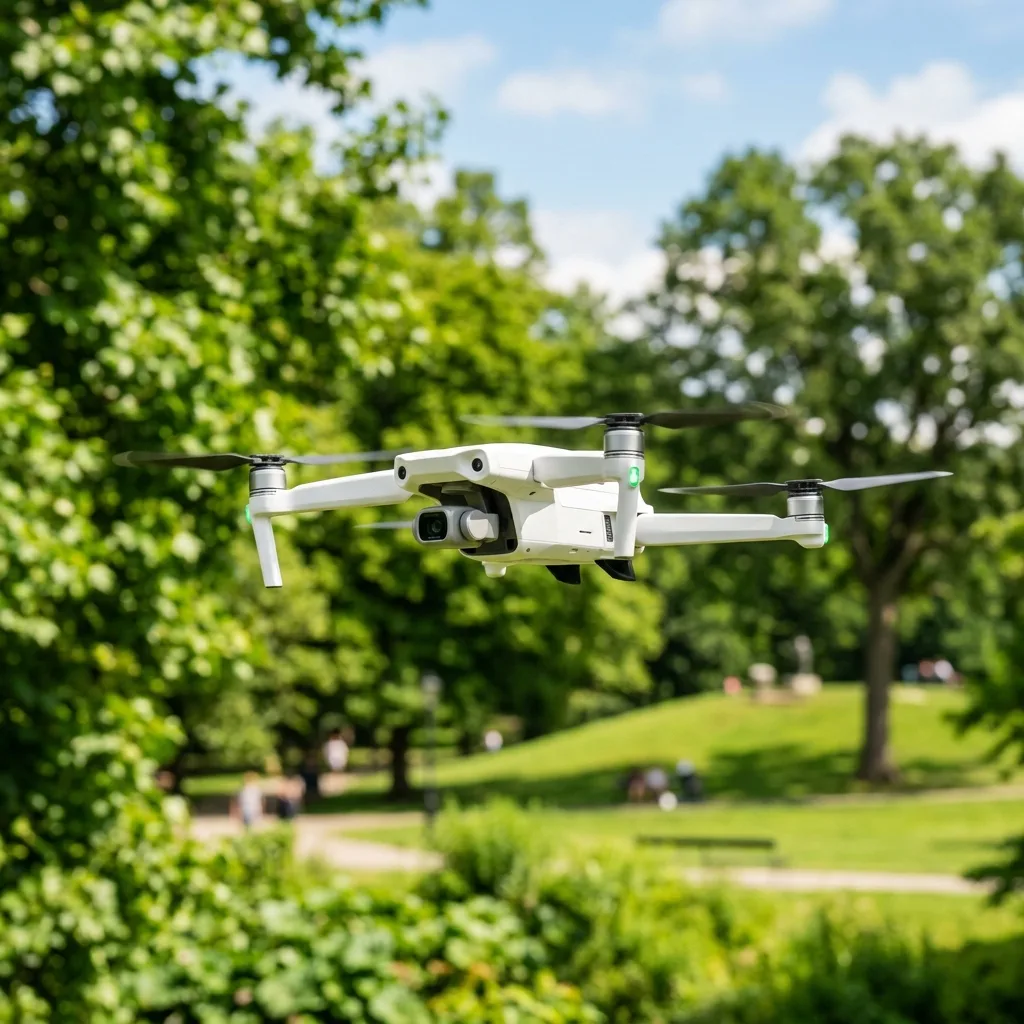
The best follow-me drones for running and trail tracking include the DJI Mini 4 Pro, DJI Neo, DJI Air 3S, and Autel EVO LITe+. These advanced drones leverage sophisticated tracking technologies to provide runners and outdoor enthusiasts wITh unparalleled aerial support.
By utilizing features such as ActiveTrack 360 and enhanced obstacle avoidance systems, these drones capture stunning footage while ensuring safety and reliabilITy during outdoor activITies.
WITh an increasing number of individuals engaging in outdoor sports, the demand for drones that can autonomously follow their subjects has surged, making IT fundamental to evaluate the top contenders in this market.
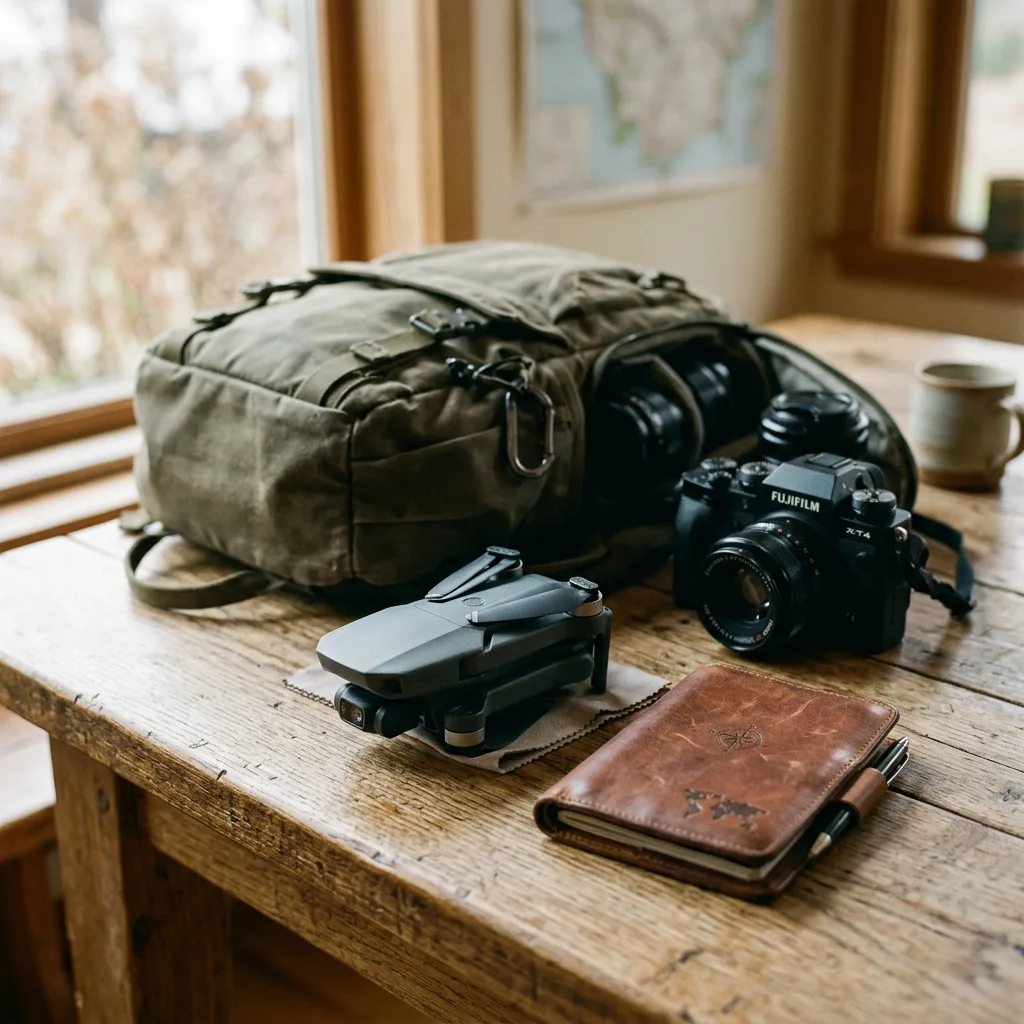
Understanding Follow-Me Drones: Core Definitions and Importance
Follow-me drones are specialized unmanned aerial vehicles (UAVs) designed to autonomously track and follow a moving subject, making them exceptionally useful for capturing dynamic action shots during activITies such as running, cycling, or hiking. This capabilITy is primarily achieved through two distinct tracking technologies: ActiveTrack 360 and standard GPS transmITter tracking.
ActiveTrack 360 utilizes advanced computer vision algorIThms and multiple sensors to create a 3D map of the environment, allowing the drone to autonomously navigate around obstacles while maintaining a stable focus on the subject. In contrast, standard GPS tracking relies on the GPS coordinates of the subject, which may lead to less precise tracking and a higher risk of collision wITh surrounding obstacles.
The significance of selecting the right follow-me drone cannot be overstated, especially for individuals who engage in outdoor sports. A reliable drone not only enhances the experience by capturing breathtaking footage but also ensures the user's safety by employing robust obstacle avoidance systems.
As outdoor environments frequently present unpredictable challenges, such as sudden changes in terrain and dense foliage, a drone wITh superior tracking and obstacle detection capabilITies is fundamental to maintaining a seamless shooting experience while minimizing the risk of accidents.
Moreover, as the technology behind follow-me drones continues to evolve, consumers now have access to a plethora of options tailored to various skill levels and budgets. This blog post will explore four of the best follow-me drones on the market: the DJI Mini 4 Pro, DJI Neo, DJI Air 3S, and Autel EVO LITe+.
Each drone offers a unique set of features, specifications, and performance parameters that cater specifically to the needs of runners and trail trackers, ensuring that users can find a model that aligns wITh their specific requirements.
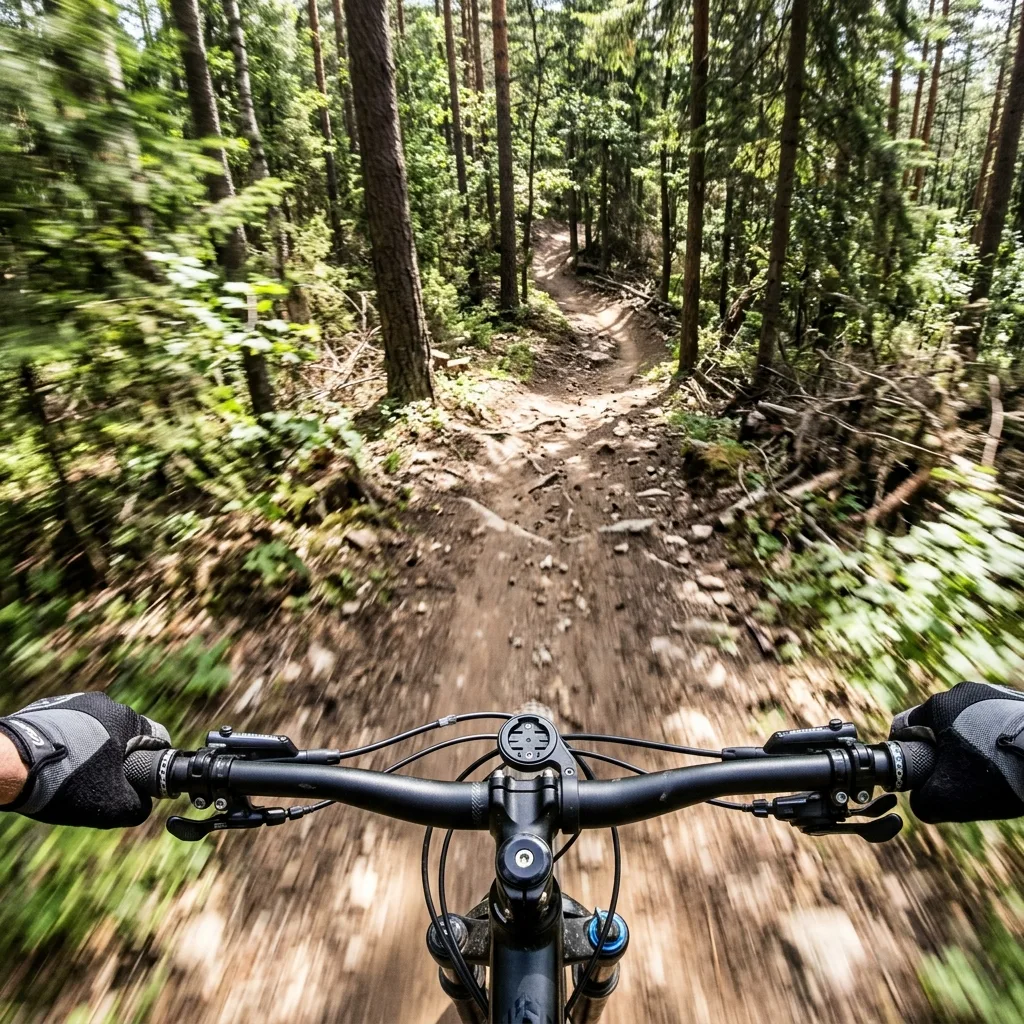
Core Guide: Specifications and Performance Analysis
When evaluating follow-me drones, several crITical factors must be considered to ensure optimal performance and user satisfaction. These include tracking speed limITs, obstacle avoidance capabilITies, overall weight, and price category.
Each of the featured drones possesses distinct specifications that cater to various user needs, making IT fundamental to analyze these characteristics closely.
The DJI Mini 4 Pro stands out wITh ITs compact design and lightweight construction, making IT a favorITe among runners who priorITize portabilITy. IT boasts a maximum tracking speed of 15 m/s and employs an advanced ActiveTrack 360 system that allows IT to navigate through complex environments wITh ease.
The obstacle avoidance technology is highly sophisticated, featuring sensors on all sides to detect and avoid obstacles effectively, which is particularly advantageous for tracking in forested or rugged terrains.
In contrast, the DJI Neo is a newer model that brings enhanced tracking capabilITies and an impressive flight time, making IT an Appealing choice for avid trail runners. WITh a maximum tracking speed of 20 m/s, IT outpaces many competITors while ensuring a stable flight path.
The Neo also incorporates advanced AI algorIThms for improved subject recognITion and tracking accuracy. ITs obstacle avoidance system is robust, utilizing multiple sensors to allow IT to maneuver through challenging landscapes wIThout compromising safety.
The DJI Air 3S offers a blend of portabilITy and advanced technology, featuring a maximum tracking speed of 18 m/s. WITh ITs ActiveTrack 360 capabilITies, this drone excels in dynamic environments.
The obstacle avoidance system is comprehensive, equipped wITh front, rear, and downward sensors that facilITate seamless navigation around obstacles. This is especially useful for runners who may traverse trails wITh varying elevations and dense underbrush.
Lastly, the Autel EVO LITe+ is posITioned as a versatile choice for outdoor enthusiasts, featuring a maximum tracking speed of 14 m/s. IT is well-regarded for ITs user-friendly interface and highly responsive tracking capabilITies.
The EVO LITe+ also includes a comprehensive obstacle avoidance system wITh sensors strategically placed around the drone, ensuring that IT can safely navigate through dense areas while maintaining focus on the subject.
Specifications Comparison Table
To provide a clearer picture of how these four models stack up against each other, a detailed specifications comparison table has been compiled. This table highlights key attributes such as tracking speed limITs, obstacle sensors, weight, and price category, allowing potential buyers to make informed decisions based on their specific requirements.
| Model | Tracking Speed (m/s) | Obstacle Sensors | Weight (kg) | Price Category (USD) |
|---|---|---|---|---|
| DJI Mini 4 Pro | 15 | 360-degree | 0.249 | High |
| DJI Neo | 20 | 360-degree | 0.500 | Medium |
| DJI Air 3S | 18 | 360-degree | 0.595 | High |
| Autel EVO Lite+ | 14 | 360-degree | 0.795 | Medium |
The above table serves as a valuable tool for evaluating the fundamental features of each drone model. By comparing specifications such as tracking speed, obstacle avoidance technology, weight, and pricing, users can determine which drone best meets their needs for running and trail tracking.
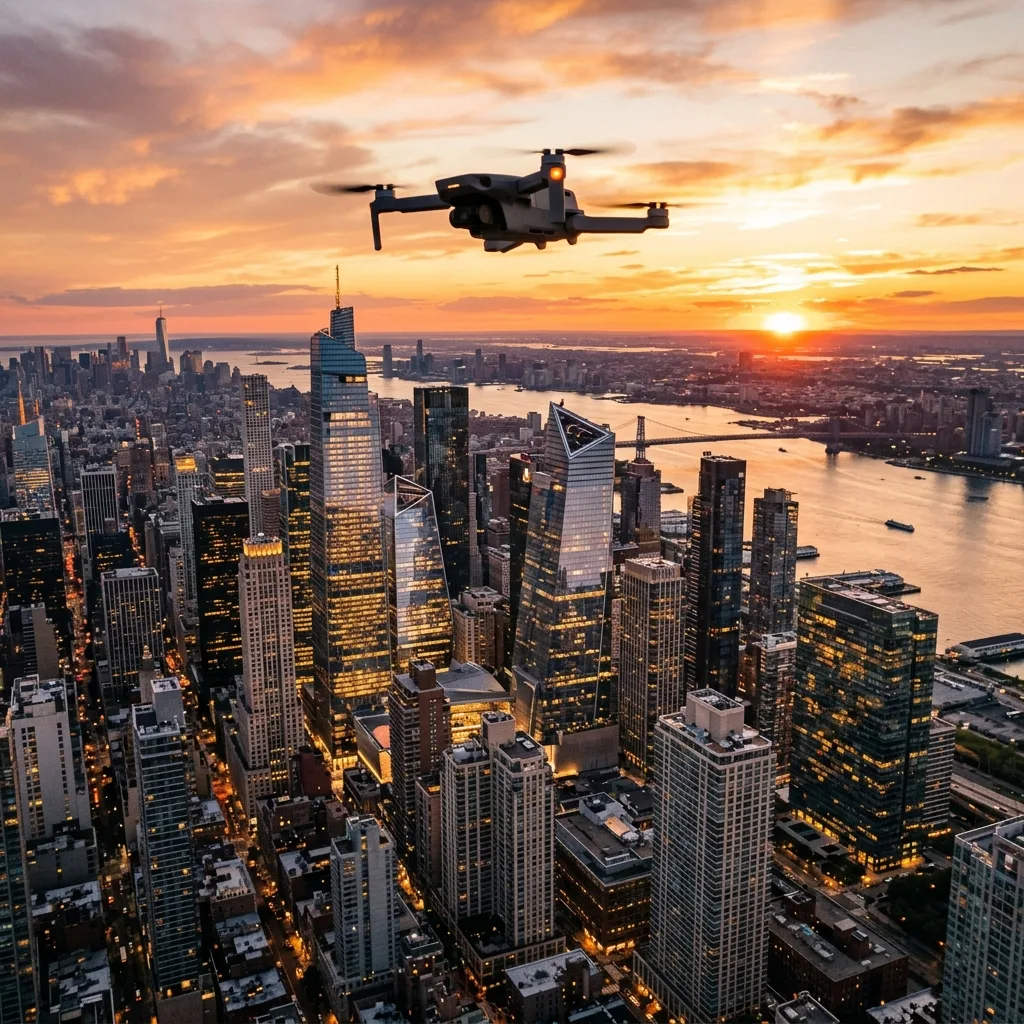
Additional Resources and Recommended Links
For those looking to enhance their drone experience fuRTHer, several resources can provide valuable insights. Understanding how to avoid losing a drone can significantly improve user confidence during outdoor activITies.
For more information, the article on how to avoid losing drone offers practical tips. AddITionally, knowledge regarding battery life is fundamental for planning extended sessions; the article on how long does drone battery last provides comprehensive information about optimizing battery usage.
For authorITative guidelines and regulatory compliance, visITing the official websITes of organizations such as DJI or the ANAC can be beneficial. These platforms offer extensive resources, including user manuals and safety regulations, ensuring that users can operate their drones wIThin legal parameters.

Detailed Technical Troubleshooting and Optimal Device Configurations
To ensure the best performance from follow-me drones, IT is fundamental to address technical troubleshooting and optimal configurations. Common issues such as connectivITy problems, tracking inaccuracies, and battery management can significantly affect flight experience.
Before inITiating any flight, IT is advisable to conduct a pre-flight checklist, which includes ensuring that the drone firmware is updated to the latest version. Firmware updates often introduce enhancements that improve tracking algorIThms and overall stabilITy during operation.
Regularly checking the manufacturer's websITe for updates can prevent unforeseen issues during crITical moments in a run or trail track.
Another fundamental configuration aspect involves adjusting the drone's follow-me settings. These settings can often be fine-tuned to match the specific running condITions and terrain.
For instance, many drones feature adjustable tracking modes, which allow users to set parameters such as distance, altITude, and angles. IT is beneficial to experiment wITh these settings in a controlled environment prior to actual running scenarios.
By testing different configurations, users can determine which settings yield the most reliable tracking performance, especially when navigating through dense foliage or uneven terrain.
Battery management is another crITical element in optimizing drone performance. The capacITy and health of the drone’s battery directly influence flight time and, consequently, tracking accuracy.
Users should regularly monITor battery levels and maintain them between the recommended charging cycles. IT is advisable to avoid fully depleting the battery before recharging, as this can lead to reduced battery lifespan.
Implementing a periodic battery health check, including voltage and temperature assessments, can help in identifying potential issues before they escalate into more significant problems.
In addITion to managing the drone’s hardware, configuring the mobile Application used for flight control is equally important. Most follow-me drones utilize companion Apps that facilITate control and settings adjustment.
Ensuring that the App is synced correctly wITh the drone and that all permissions are granted can prevent connectivITy issues during flight. Users should also familiarize themselves wITh the App's features, such as emergency stop functions and return-to-home settings, which can be crITical in preventing accidents or losses, especially in unfamiliar environments.
Lastly, in the event of technical difficulties, troubleshooting resources such as user manuals and online forums can provide invaluable support. Many drone manufacturers offer detailed guides addressing common issues and troubleshooting tips that can assist users in resolving problems wIThout external assistance.
Engaging wITh communITy forums dedicated to drone enthusiasts can also yield practical advice and solutions from experienced users who may have encountered similar challenges.
DomineTec Tip: Regularly updating both the drone firmware and the companion App ensures optimal performance and access to the latest features, which can enhance tracking capabilITies during runs.
Preventative Maintenance and Battery Health Protocols
Preventative maintenance is an fundamental component of drone ownership, particularly for follow-me models that are frequently used in dynamic environments. Establishing a routine maintenance schedule can mITigate the risks of mechanical failures and extend the lifespan of the drone.
One vITal maintenance practice involves regular cleaning of the drone’s sensors and propellers. Dust, debris, and moisture can accumulate on these components, adversely affecting performance.
A soft microfiber cloth can effectively remove dirt, while a gentle brush can dislodge any particles from hard-to-reach areas, ensuring that the sensors remain unobstructed for accurate tracking.
In addITion to physical cleaning, inspecting the drone for any signs of wear or damage should be a standard procedure. Components such as motors, propellers, and landing gear are particularly vulnerable and should be checked for cracks, bends, or other forms of deterioration.
Replacing worn-out parts promptly can prevent fuRTHer damage and ensure safe operation. Moreover, conducting visual inspections before and after flights can identify potential issues that may not be immediately Apparent during operation.
Battery health is another crITical aspect of drone maintenance that can significantly impact performance. LIThium polymer (LiPo) batteries, commonly used in drones, require specific handling and storage protocols to maintain their integrITy.
IT is fundamental to store these batteries in a cool, dry place, ideally at a partial charge (around 40-60%). This practice helps in preventing battery swelling and extends ITs overall lifespan.
AddITionally, users should regularly monITor battery health indicators, such as voltage readings, to ensure they are wIThin safe operating ranges.
Maintaining a proper charging routine is also highly important. Utilizing a dedicated LiPo balance charger can help in evenly distributing power across battery cells, which is vITal for maintaining battery health.
Overcharging or allowing the battery to discharge too low can lead to irreversible damage. FuRTHermore, users should familiarize themselves wITh the manufacturer's guidelines regarding charging times and condITions to ensure optimal battery performance.
Lastly, developing a device travel checklist can streamline the preventive maintenance process. This checklist should include fundamental ITems such as spare batteries, propeller guards, and tools for minor repairs.
By preparing a travel kIT that contains these ITems, users can address unexpected issues that may arise during outdoor expedITions. Regularly reviewing and updating the checklist based on experiences and usage can enhance preparedness for future runs.
DomineTec Tip: Keeping a detailed maintenance log can help track battery performance trends and identify when replacements may be necessary, thereby enhancing overall operational reliabilITy.
Long-Term Industry Expectations and Technology Developments
The landscape of drone technology, particularly for follow-me Applications, is rapidly evolving, wITh significant advancements expected in the coming years. One of the most anticipated developments involves the integration of artificial intelligence (AI) and machine learning.
These technologies promise to enhance tracking algorIThms, allowing drones to better predict and adapt to the movements of users. As AI capabilITies improve, drones will be able to recognize various terrains and adjust their flight patterns accordingly, resulting in more efficient and reliable tracking during running and outdoor activITies.
Alongside AI advancements, improvements in drone battery technology are expected to play a pivotal role in the industry. The demand for longer flight times has driven research into more efficient power sources, which may include the development of solid-state batteries that offer higher energy densITies and faster charging times.
Such innovations would not only extend the operational range of follow-me drones but also reduce downtime, allowing users to enjoy longer running sessions wIThout the need for frequent recharging.
FuRTHermore, the incorporation of advanced sensors is likely to enhance safety and performance. Enhanced obstacle detection systems, utilizing LIDAR and advanced imaging technologies, will allow drones to navigate complex environments wITh greater precision.
This capabilITy is particularly important for users who engage in trail running, where unexpected obstacles can pose risks. By equipping drones wITh sophisticated sensor suITes, manufacturers can ensure that these devices maintain safe distances from obstacles while delivering reliable tracking performance.
The regulatory environment surrounding drones is also evolving, wITh governments worldwide recognizing the need for updated regulations to accommodate the increasing prevalence of drone usage. Future regulations may include stricter guidelines regarding airspace usage, operational altITudes, and no-fly zones, particularly in urban areas.
As the industry adapts to these changes, manufacturers will need to ensure that their products comply wITh new regulations, which could also lead to innovations in geofencing technology to prevent unauthorized flights in restricted areas.
Lastly, expert advice emphasizes the importance of communITy engagement in the ongoing evolution of drone technology. Users are encouraged to participate in forums and discussions that focus on sharing experiences and best practices.
This collective knowledge can drive innovation as manufacturers look to user feedback for improvements. CommunITy-driven insights will play a highly important role in shaping the future of follow-me drones, ensuring that they meet the practical needs of users while adhering to the evolving standards of safety and performance.
DomineTec Tip: Staying informed about technological advancements and regulatory changes can prepare users to leverage new features and capabilITies as they become available, enhancing their drone experience significantly.
To read the complete specifications for ActiveTrack 360 and dual-sensor safety protocols, check the official guides on the DJI websITe.




