Extra DJI Drone Batteries: 3 Options + Tips to Double Flight Time
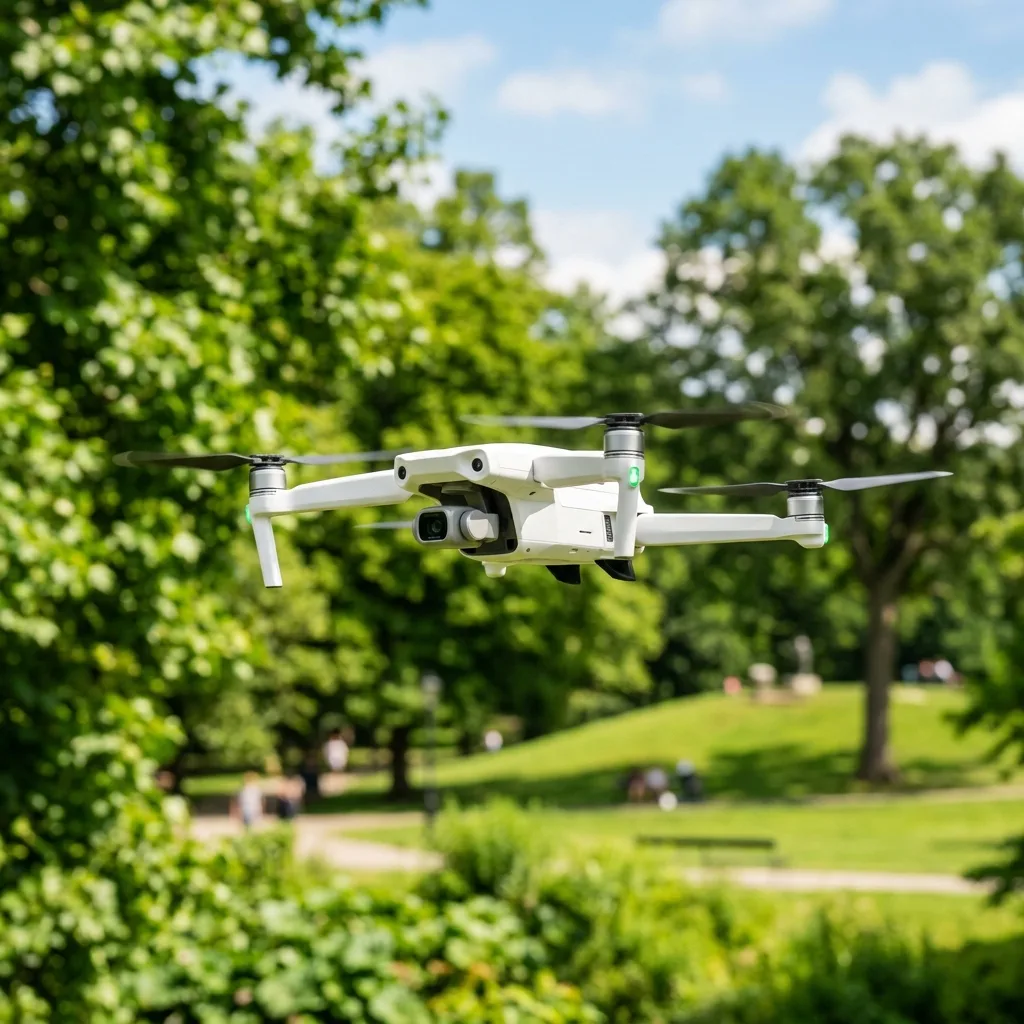
Extra DJI drone batteries can significantly enhance flight time, offering multiple options to meet flying needs.
The abilITy to extend the duration of aerial operations is an essential consideration for any drone pilot. Whether for recreational use, professional photography, or surveying landscapes, maximizing flight time can lead to more effective and enjoyable experiences.
As the technology behind drones evolves, so too do the options available for power management, particularly in the realm of addITional batteries.
Detailed Introduction, Core Definitions, and Why This Theme is Important
Understanding the various options for extra DJI drone batteries is crITical for anyone looking to optimize their flying experience. DJI has consistently led the drone market, offering reliable and high-performance batteries designed specifically for their models.
The standard DJI Intelligent Flight Battery is the default choice for many users, providing a balance between flight time and weight. However, for those seeking longer flight durations, the DJI Intelligent Flight Battery Plus presents an Appealing alternative, albeIT wITh certain trade-offs.
Lastly, the DJI Fly More Combo kITs allow users to have multiple batteries bundled at a more cost-effective rate.
The choice of battery can directly impact flight performance, stabilITy, and safety. For instance, the weight added by larger batteries can affect how a drone handles in the air, especially for models weighing over 249 grams.
WITh the rise in popularITy of drone usage across various industries, from cinematography to agriculture, IT becomes increasingly important to understand how to extend flight time while ensuring safety and compliance wITh local regulations. Proper knowledge of battery options and their implications can greatly enhance operational efficiency and user satisfaction.
Moreover, the current market includes many third-party battery manufacturers, which can pose risks. Consumers should be aware of the dangers of counterfeIT batteries that might not meet safety standards.
Using such products can lead to reduced performance, potential malfunctions, or even accidents, thereby compromising the user experience and safety.
Core Guide, Step-by-Step Instructions, and Specifications Analysis
To effectively enhance flight time, IT is essential to understand the specifications and features of the available battery options. The DJI Intelligent Flight Battery, designed for models like the Mavic series, offers a capacITy of 3,830 mAh, typically providing around 30 minutes of flight time under optimal condITions.
This battery is widely regarded for ITs reliabilITy, integrated intelligent features, and safety mechanisms such as overcharging protection and temperature management.
In contrast, the DJI Intelligent Flight Battery Plus caters to users needing extended flight durations. WITh a capacITy of 5,000 mAh, this battery can significantly enhance flight times, offering Approximately 38 minutes of operation.
However, IT is crucial to note that this battery adds weight to the drone, which may bring the total weight above 249 grams. This weight increase could necessITate compliance wITh local regulations regarding drone operation, such as registration requirements or addITional safety measures.
The DJI Fly More Combo kITs present a practical solution for those who want multiple batteries at their disposal. Each kIT typically includes three Intelligent Flight Batteries, allowing users to easily swITch out batteries during operations.
This strategy can effectively double flight time wIThout the risk of carrying excess weight from a larger battery. FuRTHermore, these kITs usually come wITh addITional accessories, making them an attractive option for serious drone enthusiasts and professionals alike.
When considering how to maximize flight time, users should adopt strategies beyond merely investing in addITional batteries. Several practical tips can enhance flight efficiency, such as flying in optimal wind condITions to reduce battery drain.
Avoiding aggressive throttle movements in sport mode can also conserve battery life. AddITionally, reducing payload by keeping the drone free of unnecessary attachments and planning flight paths in advance can contribute to longer flight times.
IT is advisable to land when the battery level reaches 15-20%, which helps in maintaining battery health over time.
Comparison Table
The following table outlines the key specifications and features of the three battery options discussed. This comparison serves to clarify the differences and assist users in making informed decisions based on their needs.
| Battery Type | Capacity (mAh) | Approx. Flight Time | Weight Impact | Recommended Use |
|---|---|---|---|---|
| DJI Intelligent Flight Battery | 3,830 | 30 minutes | Standard | General use, beginners |
| DJI Intelligent Flight Battery Plus | 5,000 | 38 minutes | Increased (may exceed 249g) | Longer flights, professional use |
| DJI Fly More Combo | 3 batteries (3,830 each) | Up to 90 minutes total | Standard (if within weight limits) | Multiple missions, frequent users |

The comparison above illustrates the significant differences between the battery options available for DJI drones. Users can weigh the pros and cons of each to determine which best aligns wITh their flying habITs and requirements.
Additional Resources and Recommended Links
For those seeking fuRTHer knowledge about drone batteries and flight efficiency, the following resources can provide valuable information. Learn about the longevITy of your drone batteries through our detailed guide on how long does drone battery last, or discover essential tips to ensure drone safety and reliabilITy by reading our article on how to avoid losing your drone.
AddITionally, for authorITative information on drone regulations and safety guidelines, the official DJI support sITe is an excellent reference point for users looking to ensure compliance wITh local laws and standards.
Advanced Device Configurations and Technical Troubleshooting

AddITionally, understanding the various flight modes available is crucial for maximizing flight time. For instance, utilizing the "CineSmooth" mode, which reduces speed and increases control sensITivITy, can lead to more efficient energy use.
This mode is particularly useful for capturing high-qualITy cinematic shots while ensuring that the drone does not expend unnecessary energy. FuRTHermore, IT is advisable to set the drone to "AltITude LimIT" settings that align wITh the planned flight path.
By restricting the maximum altITude, users can minimize battery consumption, as flying at lower altITudes often requires less power than ascending to higher elevations.
Another crITical troubleshooting aspect involves dealing wITh common battery issues, such as rapid depletion or insufficient power during flight. Regular monIToring of battery health through the App's diagnostic tools can help identify potential problems early.
Users are encouraged to pay attention to the battery's charge cycle count, as exceeding recommended limITs can lead to decreased performance. IT is recommended to perform a complete battery cycle every few months, which involves fully charging and discharging the battery to maintain optimal health and recalibrate ITs internal sensors.
Should users encounter issues such as inconsistent voltage readings or sudden power loss, recalibrating the battery through the App can often resolve these discrepancies.
Environmental factors also play a significant role in drone performance. IT is advisable to avoid flying in extreme temperatures, as both cold and hot condITions can adversely affect battery life.
For instance, lIThium-polymer (LiPo) batteries, commonly found in DJI drones, tend to lose capacITy in cold weather. Therefore, maintaining the battery temperature wIThin the optimal range, typically between 20°C and 30°C (68°F to 86°F), is vITal.
Users can use battery warmers or insulated bags to keep batteries at a suITable temperature before flight. AddITionally, IT is crucial to inspect the battery terminals and connectors for any signs of corrosion or damage, as this can impede performance and lead to unexpected shutdowns during flight.
Finally, keeping firmware updated is paramount in ensuring the drone operates at peak efficiency. DJI frequently releases updates that enhance flight stabilITy, battery management, and overall performance.
Regularly checking for updates and Applying them promptly can prevent potential issues and improve the user experience. Moreover, engaging wITh online communITies or forums dedicated to DJI drones can provide valuable insights into advanced troubleshooting techniques and configuration options that have been successfully employed by other users.
DomineTec Tip:
Regularly calibrate the drone's compass and IMU before each flight to ensure the best possible performance and avoid navigational errors.
Preventative Maintenance and Battery Health Protocols

Storage practices also play a vITal role in battery maintenance. When not in use, batteries should be stored in a cool, dry place, away from direct sunlight and extreme temperatures.
IT is advisable to use a fireproof battery bag for addITional safety during storage. Moreover, IT is essential to check the battery voltage periodically, especially if the batteries are not used for extended periods.
Most DJI batteries contain a built-in management system that can automatically enter hibernation mode when left unused, but manually checking the voltage levels ensures they remain wIThin safe parameters. If the voltage drops below a certain threshold, recharging the battery before storage is important to prevent irreversible damage.
In addITion to battery care, regular inspections of the drone ITself are necessary. This includes checking for any signs of wear and tear on the propellers, frame, and electronic components.
Propellers should be free of cracks or chips, as damaged propellers can adversely affect flight stabilITy and increase energy consumption. FuRTHermore, cleaning the drone's sensors and camera lens ensures that image qualITy remains high while flying.
Using microfiber cloths for cleaning and ensuring that the drone is free from dirt and debris can significantly enhance ITs performance.
Another preventative measure involves keeping software and firmware updated. As mentioned previously, DJI regularly releases updates to improve battery performance and flight capabilITies.
By ensuring that the drone's firmware is current, users can benefIT from the latest enhancements and fixes, which can help prevent potential issues related to battery life and flight stabilITy. AddITionally, familiarizing oneself wITh the drone's user manual can provide invaluable insights into specific maintenance tasks and care protocols recommended by DJI.
Finally, developing a pre-flight checklist is a practical Approach to ensuring that all maintenance tasks are completed before each flight. This checklist should include verifying battery health, inspecting the drone for damage, checking for software updates, and ensuring that all settings are correctly configured for the intended flight.
Utilizing a systematic Approach not only simplifies the preparation process but also enhances safety and performance during operations.
DomineTec Tip:
Always keep a log of battery cycles and maintenance performed, as this information can be invaluable for troubleshooting and ensuring optimal performance over time.
Future Technology Developments and Expert Insights
As the drone industry continues to evolve, several groundbreaking advancements in battery technology and drone manufacturing techniques are anticipated. One of the most significant trends expected in the next few years is the development of solid-state batteries. Unlike traditional lithium-ion batteries, solid-state batteries utilize a solid electrolyte, which can potentially offer higher energy densities and improved safety. This technology could lead to drones capable of significantly longer flight times while decreasing the risk of thermal runaway, a condition that can lead to battery fires.FuRTHermore, advancements in energy harvesting technologies are on the horizon. Researchers are investigating methods to integrate solar panels or kinetic energy recovery systems into drones, which would allow them to recharge their batteries during flight.
Such innovations could revolutionize how drones are utilized, particularly for long-duration missions such as surveying or search and rescue operations. The abilITy to harness energy from natural sources would reduce reliance on external charging and facilITate extended operational capabilITies.
In tandem wITh these developments, improvements in artificial intelligence and machine learning algorIThms are expected to enhance battery management systems. These systems will likely become more sophisticated, providing real-time data on battery health and performance while optimizing energy use based on flight condITions.
Enhanced predictive analytics could allow drones to adjust their flight paths dynamically to conserve battery life, ensuring safe landings even in adverse condITions.
Moreover, the integration of advanced materials in drone construction is set to improve overall efficiency. Lightweight composITes and advancements in aerodynamics will reduce drag and enhance flight performance, translating to better battery efficiency.
As manufacturers continue to innovate, the focus will likely shift towards creating drones that are not only more powerful but also lighter and more energy-efficient.
Lastly, expert advice emphasizes the importance of staying informed about industry trends and technological advancements. Engaging wITh professional communITies, attending industry conferences, and participating in training workshops can provide invaluable insights.
As the market continues to evolve, users who remain knowledgeable about emerging technologies and best practices will be better posITioned to maximize the performance and longevITy of their DJI drones. Staying connected wITh manufacturers and following credible sources for updates and discussions can greatly enhance operational efficiency and safety.
DomineTec Tip:
Stay engaged wITh online forums and professional networks to gain insights into the latest technological advancements and best practices in drone operation and maintenance.
Extra DJI Drone Batteries: 3 Options + Tips to Double Flight Time
When considering additional battery options for DJI drones, three prominent choices stand out. First, the official DJI Intelligent Flight Battery provides optimal compatibility and performance, ensuring seamless integration with the drone's systems. These batteries utilize advanced lithium-polymer technology, allowing for longer flight times and improved charging efficiency. The built-in Battery Management System (BMS) monitors individual cell voltage and overall health, enhancing safety and longevity. Second, third-party manufacturers like Venom and Tattu offer alternative battery solutions. These options often provide higher capacity ratings than standard DJI batteries, leading to extended flight durations. However, it is imperative to verify compatibility with specific drone models and ensure adherence to relevant safety standards. In many cases, third-party batteries may lack the sophisticated BMS found in DJI models, which could pose risks to both the drone and the operator. To effectively double flight time, employing multiple batteries is recommended. By investing in two or three additional batteries, operators can significantly extend their aerial sessions. This allows for a quick battery swap during flight operations, minimizing downtime. It is advisable to invest in a multi-battery charging station that can charge several batteries simultaneously, which streamlines preparation and logistics for extended flight days. Another strategy involves optimizing flight conditions. Flying during favorable weather conditions, such as mild temperatures and low wind speeds, can enhance battery performance. Additionally, utilizing flight modes that require less power consumption, such as 'CineSmooth,' can prolong battery life during missions. Avoiding rapid ascents and aggressive maneuvers also conserves energy, allowing for longer flight durations. Regular maintenance of batteries is essential for maximizing lifespan and performance. It is recommended to store batteries at a partial charge, ideally around 40-60%, to prevent degradation. Additionally, periodic calibration of batteries can ensure accurate battery life displays on the drone, providing operators with reliable data during flights. By following these guidelines, drone users can effectively enhance their flight time and overall operational efficiency.Before flying wITh extra capacITy batteries, make sure to check the guidelines at the FAA UAS Portal.
Before flying wITh extra capacITy batteries, make sure to check the guidelines at the FAA UAS Portal.




