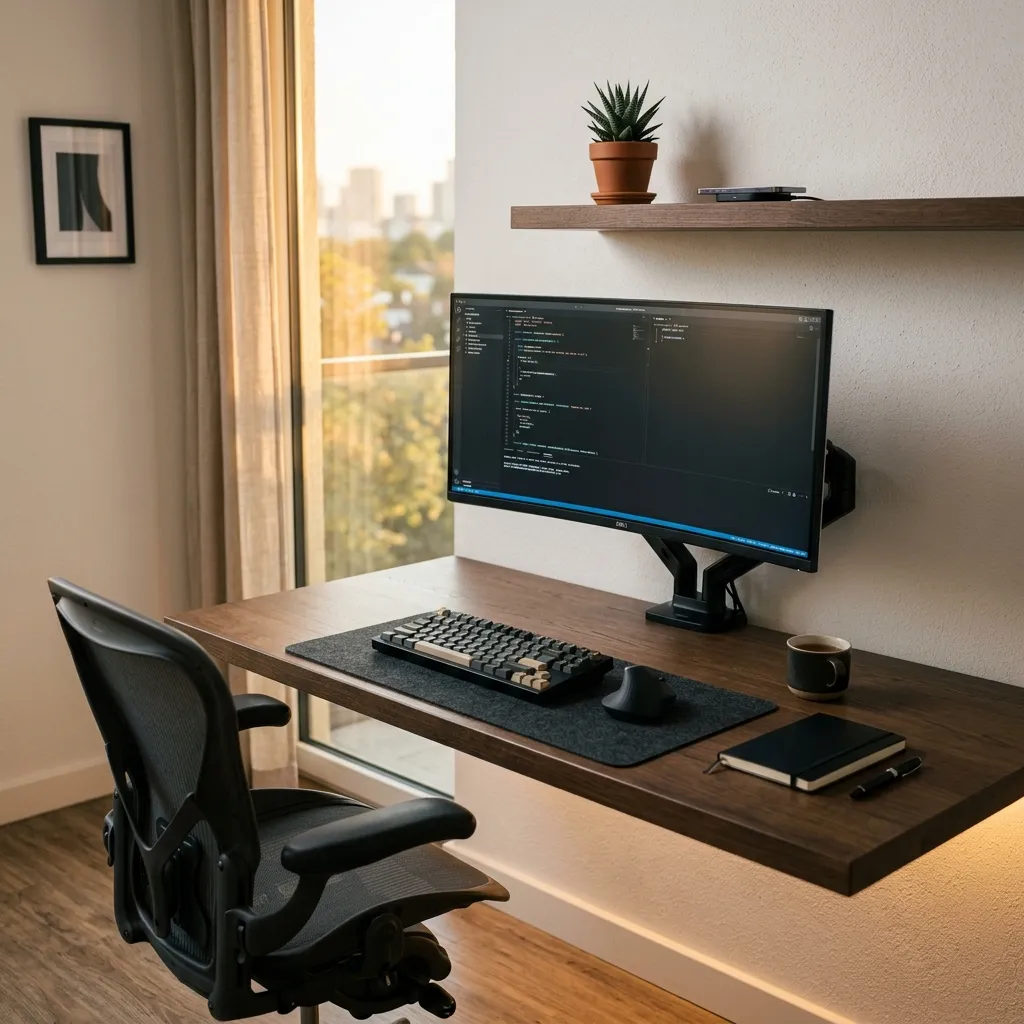
Choosing the right ergonomic chair significantly enhances productivity and comfort in the workplace.
Understanding Ergonomics in Office Chairs
Ergonomics focuses on designing chairs that support the body’s natural posture, reducing strain during prolonged sitting. Key features include lumbar support, adjustable seat height, and armrest customization.
Performance and Productivity Enhancement
A well-designed ergonomic chair can boost productivity by minimizing discomfort and fatigue. Research indicates that improved posture correlates with enhanced concentration and efficiency in work tasks.
Materials Impacting Comfort and Durability
Common materials used in ergonomic chairs include breathable mesh, high-density foam, and durable plastics. The choice of materials affects both comfort levels and the longevity of the chair.
Design Innovations for Modern Workspaces
Modern ergonomic chairs often incorporate adjustable features and aesthetic designs that blend with contemporary office environments. Innovations such as 3D mesh and dynamic lumbar support are gaining popularity.
Top Brands and Their Offerings
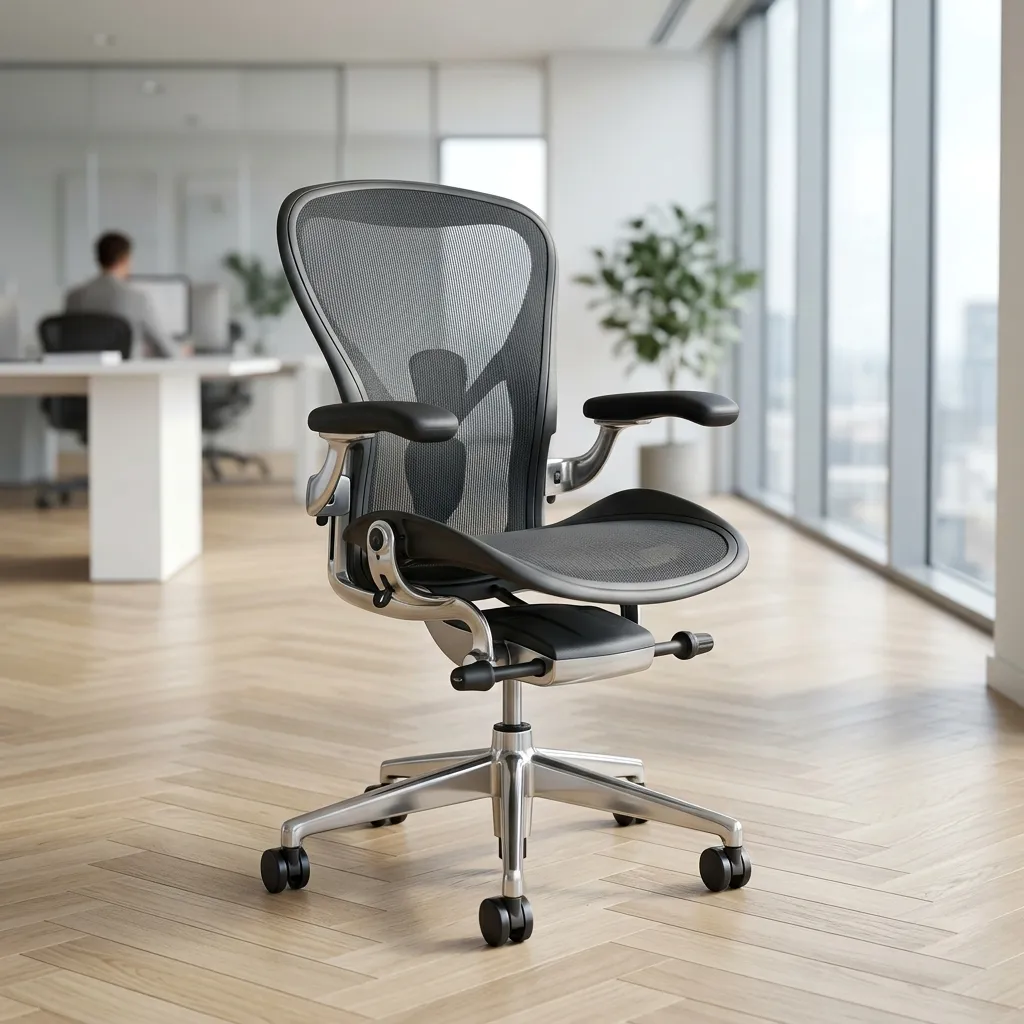
Brands like Herman Miller, Steelcase, and Secretlab lead the ergonomic chair market, each offering unique characteristics. Comparative analysis of these brands reveals distinct advantages in customization and ergonomic support.
| Brand | Model | Material | Adjustability | Price Range |
|---|---|---|---|---|
| Herman Miller | Aeron | Mesh | Height, tilt, armrests | $1,000 - $1,500 |
| Steelcase | Leap | Fabric, foam | Height, seat depth, lumbar | $900 - $1,200 |
| Secretlab | Omega | PU leather | Height, recline, lumbar | $400 - $600 |
| Humanscale | Diffrient | Mesh | Height, recline | $800 - $1,100 |
| Autonomous | ErgoChair Pro | Mesh, foam | Height, armrest, lumbar | $300 - $500 |
DomineTec Tip: Regularly adjust chair settings to maintain optimal posture and support throughout the workday.
- Assess the ergonomic features you require based on your body type and work habits.
- Compare chair models from various brands focusing on adjustability and material quality.
- Test the chairs in-store if possible to evaluate comfort and support.
- Consider the warranty and customer service reputation of the brand.
- Read reviews and seek recommendations to ensure the chair meets productivity needs.
For more insights on creating a clean productivity desk setup and selecting mechanical keyboard switches, explore the linked articles.
Adjustable Features for Customization
Adjustable features in ergonomic chairs are crucial for individual comfort and support. These chairs often include adjustable seat height, lumbar support, armrests, and backrest tilt, allowing users to customize their seating experience.
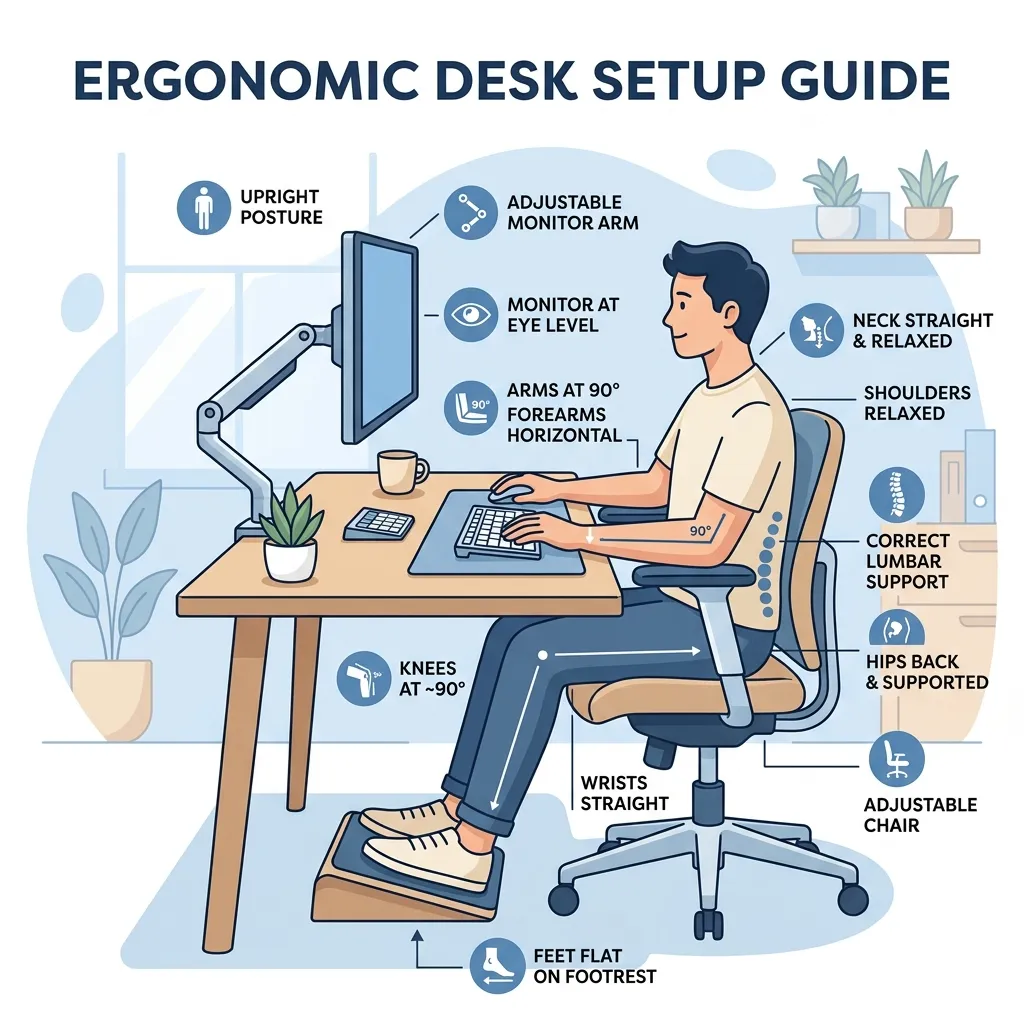
For instance, a chair with a seat height adjustment enables users to align their knees at a 90-degree angle with their feet flat on the ground. This positioning promotes better circulation and reduces strain on the lower back.
Armrest height and width adjustments help accommodate varying body sizes, ensuring that arms can rest comfortably without causing shoulder tension. Such features are essential for maintaining a relaxed posture during long work hours.
Moreover, having a chair that allows backrest angle adjustments supports the natural curvature of the spine. Users can find their preferred angle, which can significantly alleviate discomfort during extended periods of sitting.
Health Benefits of Ergonomic Seating
Investing in ergonomic office chairs can lead to numerous health benefits, particularly for individuals who spend long hours seated. One of the primary advantages is the reduction of musculoskeletal disorders.
Proper lumbar support provided by ergonomic chairs minimizes the risk of developing lower back pain, a common complaint among office workers. This support encourages proper alignment of the spine, which is vital for overall health.
Additionally, ergonomic chairs can help reduce the incidence of repetitive strain injuries. By promoting a more natural posture, these chairs lessen the strain on muscles and joints, allowing for more comfortable and productive work sessions.
Furthermore, the use of an ergonomic chair can enhance circulation, reducing the likelihood of conditions such as deep vein thrombosis (DVT). Improved blood flow contributes to better overall health and can increase energy levels throughout the workday.
Impact of Chair Mobility on Workflow
Chair mobility significantly influences workplace efficiency and workflow. Chairs equipped with wheels allow for easy movement between different areas of a workspace without the need to stand up.
This mobility is particularly beneficial in collaborative environments, where quick access to team members or resources is often required. Ergonomic chairs with a swivel base enhance this capability, enabling users to turn and reach without straining.
Moreover, chairs that slide easily on various flooring types, such as carpet or hardwood, can reduce distractions and interruptions during work. This seamless transition facilitates a more focused and productive work environment.
Additionally, the right chair mobility can encourage users to maintain better posture. When users can move freely, they are more likely to adjust their position and engage their core muscles, further supporting their ergonomic needs.
Eco-Friendly Options in Ergonomic Chairs
The growing awareness of environmental sustainability has led to an increase in eco-friendly ergonomic chairs. Many manufacturers are now utilizing sustainable materials and production processes to minimize their environmental impact.
Chairs made from recycled plastics, organic fabrics, and sustainably sourced wood are becoming more common. These materials not only reduce waste but also contribute to healthier indoor air quality.
Additionally, some brands emphasize low-VOC (volatile organic compounds) finishes to ensure that their products do not emit harmful chemicals. This focus on sustainability aligns with the health benefits that ergonomic chairs offer.
Investing in eco-friendly ergonomic chairs is not only beneficial for the environment but can also enhance brand reputation for businesses that prioritize sustainability in their workplace design.
Cost vs. Value: Understanding Investment in Ergonomics
When considering ergonomic chairs, understanding the relationship between cost and value is essential. While some ergonomic options can be more expensive, they often provide long-term benefits that justify the initial investment.
Higher-priced ergonomic chairs typically feature advanced adjustments, superior materials, and better durability. These aspects can lead to reduced medical costs associated with poor posture and discomfort over time.
Moreover, the productivity gains resulting from enhanced comfort can translate into tangible financial benefits for businesses. Employees may experience fewer sick days and improved focus, contributing positively to overall performance.
It is also worth noting that many ergonomic chairs come with warranties, further protecting the investment. A well-constructed chair can serve its purpose effectively for many years, making it a worthwhile consideration for any workspace.
User Reviews and Testimonials
User reviews and testimonials play a significant role in selecting ergonomic chairs. Real-world experiences provide valuable insights into the comfort, durability, and functionality of various models.
Many users highlight the importance of trying out chairs before purchase, as individual comfort preferences can vary greatly. Reviews often detail specific features that users find beneficial, such as adjustable lumbar support and breathable materials.
Additionally, testimonials can shed light on the long-term performance of chairs. Users frequently discuss how their chairs have held up over time, indicating which models provide the best value for money.
Online platforms and forums dedicated to office ergonomics can be excellent resources for gathering diverse opinions. Engaging with these communities allows potential buyers to make informed decisions based on collective experiences.
Future Trends in Ergonomic Chair Design
The future of ergonomic chair design is expected to evolve significantly with advancements in technology and user-centric research. One promising trend is the integration of smart technology into office furniture.
Smart ergonomic chairs may feature sensors that monitor user posture and provide real-time feedback. This technology can help users maintain optimal posture, reducing the likelihood of discomfort and injury.
Moreover, customization options based on user preferences and biometric data are likely to increase. As personalization becomes a priority, manufacturers may offer chairs that adjust automatically to suit individual users.
Additionally, the focus on aesthetics combined with functionality is anticipated to grow. Future ergonomic chairs may blend seamlessly with modern office designs while still providing the essential support needed for prolonged use.
Understanding Posture Dynamics in Ergonomic Seating
Posture dynamics play a critical role in the effectiveness of ergonomic chairs, influencing not only comfort but also overall productivity. An ergonomic chair should support the natural curvature of the spine, promoting a neutral posture that minimizes strain on the back and neck.
When seated, the hips should be positioned slightly higher than the knees, which can be achieved through adjustable seat height features. This alignment helps distribute body weight evenly, reducing pressure points and enhancing blood circulation throughout the legs.
Additionally, lumbar support is essential for maintaining proper spinal alignment. Chairs that offer adjustable lumbar support allow users to customize the level of support based on individual back curvature, which can significantly reduce discomfort during long working hours.
Understanding the dynamics of posture not only affects comfort but also influences cognitive function. A well-supported posture can lead to improved focus and concentration, ultimately enhancing work performance.
Influence of Chair Aesthetics on Workspace Engagement
The aesthetics of an ergonomic chair can significantly impact workplace engagement and employee morale. A visually appealing chair can enhance the overall ambiance of a workspace, making it more inviting and conducive to productivity.
Modern ergonomic chairs often incorporate contemporary design elements that align with current office trends, providing a stylish addition to any workspace. Companies that invest in attractive ergonomic seating are likely to foster a positive work environment, which can lead to higher employee satisfaction.
Moreover, the color and material choices of office chairs can influence psychological responses. For instance, vibrant colors may stimulate creativity, while neutral tones can promote a sense of calm and focus, allowing employees to tailor their environment to their personal and professional needs.
In conclusion, while functionality is crucial, the aesthetic appeal of ergonomic chairs should not be overlooked. Fostering an engaging and visually pleasing workspace can contribute to enhanced employee motivation and productivity.
Integration of Technology in Ergonomic Chairs
The integration of technology in ergonomic chairs is a growing trend that enhances user experience and promotes better health outcomes. Smart chairs equipped with sensors can monitor posture and provide real-time feedback, encouraging users to adjust their seating position throughout the day.
Some advanced ergonomic chairs feature built-in timers that remind users to take breaks or change positions, reducing the risks associated with prolonged sitting. This integration of technology supports a more dynamic work routine, which can contribute to overall well-being.
Moreover, certain models offer connectivity options that allow users to sync their chair with health apps, tracking metrics such as sitting time and posture patterns. By leveraging data, users can make informed decisions about their seating habits, ultimately fostering a healthier work environment.
As technology continues to evolve, the potential for ergonomic chairs to incorporate innovative features aimed at improving user comfort and productivity is vast. The intersection of ergonomics and technology represents a promising frontier in the design of office seating solutions.
Impact of Chair Size and Fit on User Experience
The size and fit of an office chair play a crucial role in determining the overall comfort and effectiveness for the user. Chairs that are too large or too small can lead to improper support, resulting in discomfort and decreased productivity. It is essential to choose a chair that aligns with the individual's body dimensions to optimize their working experience.
Chairs designed with specific weight and height ranges can help ensure that users maintain a neutral posture. A well-fitted chair supports the lumbar region, promotes proper spinal alignment, and allows for easy mobility while seated. It is advisable for users to test different sizes to find the most appropriate fit for their body type.
Moreover, manufacturers are increasingly offering various size options to accommodate a diverse range of users. This includes chairs with adjustable seat depths, wider seat pans, and customizable armrest heights. Ensuring the right fit can significantly enhance comfort levels and promote longer periods of productivity without fatigue.
In addition to user-specific sizing, it is also essential to consider the chair’s weight capacity. Chairs that do not support the user’s weight may lead to structural failure and increased discomfort. Therefore, selecting a chair that fits both the physical stature and weight of the user is vital for long-term ergonomic benefits.
Role of Chair Mobility and Stability in Work Efficiency
Chair mobility and stability are critical components that influence work efficiency in an office environment. A chair with smooth-rolling casters allows users to move effortlessly between different areas of their workspace, reducing the need for excessive reaching or straining. This mobility can enhance workflow, especially in dynamic work environments where collaboration is frequent.
Conversely, stability is equally important. A chair that wobbles or has a poor base can create distractions and may lead to safety concerns, particularly in high-traffic areas. Stability is often influenced by the chair's base design; options with five-point bases typically offer better support and reduce the risk of tipping over during movement.
Furthermore, the integration of features such as swivel capabilities can enhance access to various workstation components, allowing users to maintain focus on tasks without unnecessary disruption. A chair that can rotate freely can minimize strain on the back and neck, as users can turn to reach items without shifting their entire body.
Ultimately, the balance between mobility and stability is essential for creating an ergonomic workspace. Users should seek chairs that offer both smooth movement and a secure base to maximize productivity while ensuring safety and comfort throughout the workday.
Frequently Asked Questions
What is the importance of lumbar support?
Lumbar support is crucial for maintaining the natural curve of the spine, reducing lower back strain.
How do materials affect chair comfort?
Materials such as mesh and foam influence breathability and cushioning, impacting overall comfort during extended use.
Can an ergonomic chair improve my posture?
Yes, ergonomic chairs are designed to promote proper alignment, which can enhance posture over time.
What features should I look for in an ergonomic chair?
Key features include adjustable height, lumbar support, armrest adjustments, and seat depth customization.
Are expensive ergonomic chairs worth the investment?
Higher-priced ergonomic chairs often provide superior support, durability, and features that justify the investment for long-term health and productivity.