Best Budget Mechanical Keyboards with Brazilian ABNT2 Layout
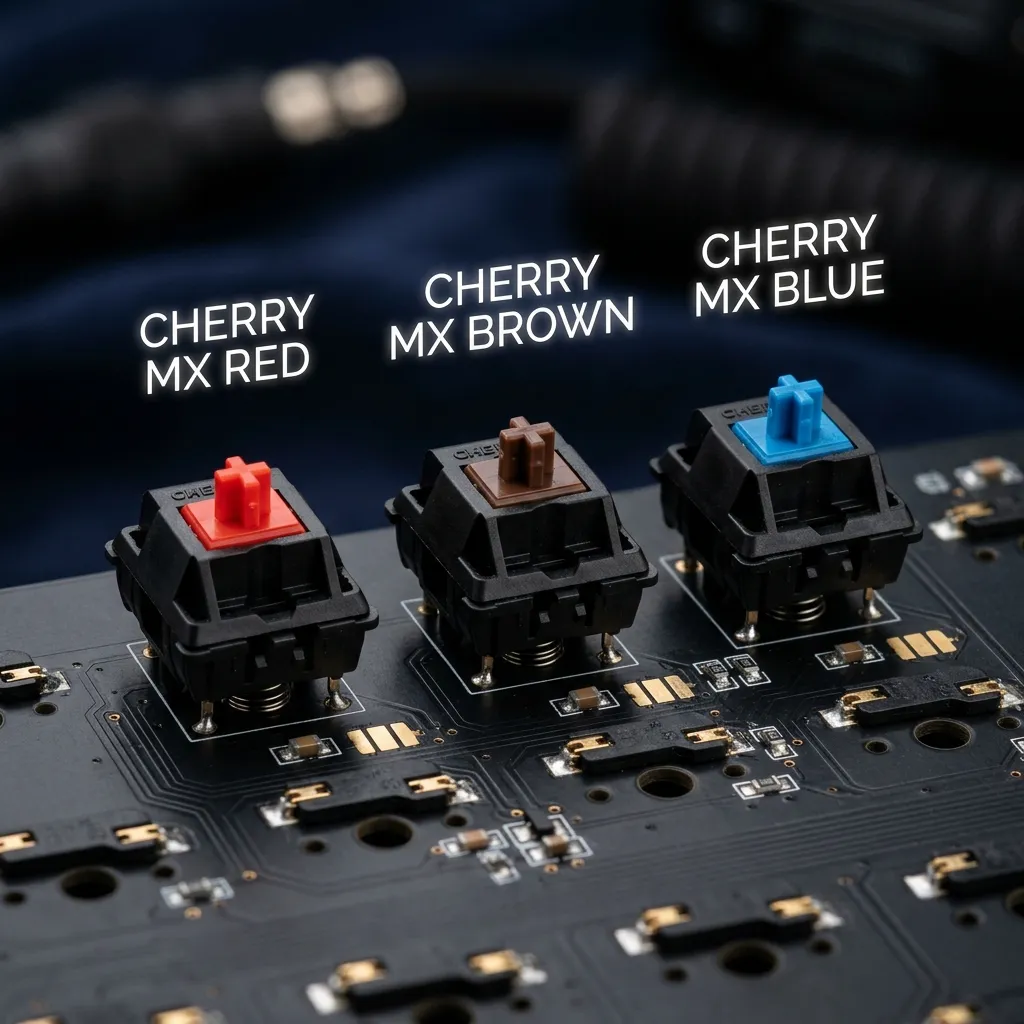
Discover the best budget mechanical keyboards featuring the Brazilian ABNT2 layout, optimized for performance and ergonomics.
Ergonomic Design for Comfort
Many budget mechanical keyboards incorporate ergonomic features such as wrist rests and adjustable angles. This ensures prolonged comfort during extensive typing sessions.
Performance and Responsiveness
Mechanical keyboards utilize individual switches that provide tactile feedback and faster actuation times. This enhances typing speed and accuracy, critical for gamers and professionals alike.
Durability and Materials
Quality budget mechanical keyboards typically use ABS or PBT plastic for keycaps, offering varying levels of resistance to wear. Metal backplates can also be found, enhancing structural integrity.
Switch Options and Customization
Different mechanical switches, such as Cherry MX, Outemu, and Gateron, offer unique feels and sounds. The choice of switch can significantly impact typing experience and preference.
Compact vs. Full-Size Layout
Budget keyboards come in various sizes, from compact 60% layouts to full-sized boards. This choice affects desk space and portability, catering to diverse user needs.
| Model | Switch Type | Material | Price |
|---|---|---|---|
| Redragon K552 | Outemu Blue | ABS | R$ 250,00 |
| Keychron K6 | Gateron Brown | PBT | R$ 350,00 |
| Logitech G413 | Romer-G | Aluminum | R$ 400,00 |
| HyperX Alloy FPS Pro | Cherry MX Red | Steel | R$ 450,00 |
DomineTec Tip: Optimize keyboard height by using a wrist rest to maintain a neutral wrist position and reduce strain.
- Assess your typing style and preferences for tactile feedback.
- Consider the size of your workspace and choose between compact or full-size layouts.
- Evaluate materials for durability based on your usage habits.
- Try different switches before purchasing to find the best fit.
- Set a budget to narrow down options effectively.
For more insights, explore how to choose mechanical keyboard switches and pair your setup with an ergonomic office chair.
Typing Experience and Key Feel
The typing experience is crucial for users who spend long hours typing. Tactile feedback from mechanical switches enhances typing efficiency and reduces fatigue.
Switch types like Cherry MX Brown offer a noticeable bump, while clicky switches such as Cherry MX Blue provide an audible click. Linear switches like Cherry MX Red are smooth, appealing to gamers.
Ultimately, personal preference is key. Trying different switches can help users find their ideal typing experience.
Backlighting Options and Aesthetics
Backlighting provides functional and aesthetic benefits. Options range from single-color to RGB, enhancing visibility in low-light conditions.
Single-color backlighting is budget-friendly, while RGB allows for customization. Programmable lighting profiles can create an immersive experience for gamers.
Consider battery life for wireless models, as brighter settings may drain power quickly. Evaluate aesthetics versus practicality when choosing backlighting features.
Software and Macro Functionality
Many budget mechanical keyboards come with software for customization. Features like macro recording and key remapping enhance productivity and gaming performance.
Macro functionality is beneficial for gamers, allowing complex commands with a single keystroke. Key remapping can streamline workflows for various tasks.
Check software compatibility before purchasing to ensure it meets your needs.
Noise Levels and Environment Considerations
The noise level of a mechanical keyboard influences its suitability for different environments. Users should consider their need for quiet operation in shared spaces.
Switches like Cherry MX Red or Brown are quieter, while clicky switches like Cherry MX Blue can be distracting in close quarters. Keyboard construction also affects noise levels.
Evaluate your environment and choose a keyboard that balances tactile feedback with noise control.
Compatibility with Operating Systems
Compatibility with operating systems is vital when purchasing a mechanical keyboard. Many budget options are designed for Windows, but macOS and Linux users should verify compatibility.
Some keyboards include dedicated keycaps for macOS, while others may limit customization for non-Windows users. Plug-and-play functionality is essential for seamless connectivity.
Check manufacturer specifications to avoid compatibility issues.
Portability and Build Quality
Portability is key for users who travel frequently. Compact keyboards or those with detachable cables are often preferred for ease of transport.
Build quality is crucial for durability during travel. Keyboards with sturdy frames and high-quality materials withstand the rigors of movement.
Evaluate your needs for portability against the features offered by different keyboards.
Price vs. Performance: Making the Right Choice
Weighing price against performance is crucial when considering budget mechanical keyboards. Ensure essential features are not sacrificed for cost savings.
Investing in a slightly more expensive keyboard may provide a better experience and longer lifespan. Warranty and customer support are also important factors.
Conduct thorough research to balance affordability with functionality and longevity.
Maintenance and Care for Longevity
Proper maintenance is essential for the longevity of mechanical keyboards. Regular cleaning prevents dirt and debris from accumulating under the keys.
To clean, unplug the keyboard and remove keycaps if possible. Use a soft brush or compressed air to dislodge particles, and a damp cloth for the surface.
Be mindful of the environment; high humidity can damage components. Replacing worn switches or keycaps can revive an older keyboard.
Gaming Features and Performance
Many budget mechanical keyboards include features for gamers. Anti-ghosting technology allows multiple key presses to be registered simultaneously.
Customizable key layouts and programmable keys provide tactical advantages in gameplay. Budget models can still offer excellent performance and durability.
Community Feedback and Reviews
Community feedback helps identify the best budget mechanical keyboards. Users share experiences on forums and review sites, providing insights into performance.
Comparison tests highlight strengths and weaknesses of various models. Long-term usage reviews can guide purchasing decisions.
Engaging with community feedback enables buyers to select keyboards that align with their needs.
Wireless Connectivity and Convenience
Wireless mechanical keyboards are popular for their convenience. Many budget models offer reliable wireless connectivity, eliminating cable clutter.
These keyboards can connect to multiple devices, allowing easy switching. Battery life is crucial, with many options offering extended usage times.
Look for keyboards with battery-saving features and USB-C charging ports for modern convenience.
Software Integration and Customization
Many budget mechanical keyboards come with software for enhanced user experience. This allows for key remapping, macro creation, and backlighting adjustments.
Intuitive interfaces simplify the customization process. Regular firmware updates can improve performance and compatibility.
Community resources provide additional customization options, enhancing both aesthetics and user experience.
Environmental Impact and Sustainability
Consumers are increasingly aware of the environmental impact of their purchases. Many brands focus on eco-friendly materials and manufacturing processes.
Utilizing recycled plastics and biodegradable materials helps reduce waste. Longevity also contributes to sustainability, minimizing the need for frequent replacements.
Choosing a budget mechanical keyboard with environmental considerations can lead to responsible purchasing decisions.
Community and Support Resources
The mechanical keyboard community offers numerous resources for users. Online forums and social media groups provide platforms for advice and troubleshooting.
Many brands offer customer support and warranty services, which can be beneficial for users. Engaging with the community can lead to helpful tips on maintenance and modifications.
Community feedback can influence future product designs, enhancing the overall experience of owning a mechanical keyboard.
Troubleshooting Common Mechanical Keyboard Issues
Troubleshooting mechanical keyboards can be essential to maintaining optimal performance and ensuring a smooth typing experience. Frequent issues include unresponsive keys, ghosting, or connectivity problems, particularly with USB connections.
For unresponsive keys, the first step is to verify the physical connection. Disconnect the keyboard and plug it back into a different USB port, preferably one directly on the motherboard, to rule out any issues with the port itself.
If the problem persists, check for software conflicts. In Windows, use the Device Manager to uninstall the keyboard driver and then reboot the system, allowing the operating system to reinstall the driver automatically.
Ghosting, where multiple key presses fail to register, can often be resolved by using keyboards that feature anti-ghosting technology. This technology allows more simultaneous key presses to be registered by employing a more complex circuitry design.
Advanced Key Mapping and Remapping Techniques
Advanced key mapping is an invaluable feature for users who require a customized typing experience or specific key functions not available on standard configurations. Many mechanical keyboards come with built-in software that allows users to remap keys or create macro commands.
For example, using software like QMK or VIA, users can create custom layouts and assign specific functions to keys. This can involve remapping a key to act as a shortcut for frequently used applications or even creating complex macros that execute multiple commands with a single key press.
To start remapping, install the relevant software and connect the keyboard. Follow the software's instructions to select a key, input the desired function or macro, and save the changes to the keyboard's firmware.
Testing the new configuration is crucial to ensure that the remapping works as intended. Users can create a simple text document and press the remapped keys to verify that they perform the desired actions correctly.
Troubleshooting Common Connectivity Issues
Mechanical keyboards with a Brazilian ABNT2 layout can occasionally experience connectivity issues that hinder their performance, particularly when using wireless models. Common symptoms of these problems include intermittent disconnections, lag in input response, or complete failure to connect.
To diagnose connectivity issues, start by checking the power source. Ensure that the USB receiver is securely connected to the computer's port and that the keyboard is powered on, with fresh batteries installed if applicable. Use commands like "lsusb" on Linux or Device Manager on Windows to confirm that the keyboard is recognized by the operating system.
If the keyboard is still not functioning properly, testing it on another device can help isolate the issue. Connect the keyboard to a different computer to determine if the problem persists, as this can indicate whether the fault lies with the keyboard or the original device’s settings.
Additionally, interference from other wireless devices can disrupt the signal. Try moving other wireless devices away from the keyboard and receiver, or switch to a different USB port to see if it improves stability.
Advanced Key Mapping and Customization Techniques
Advanced key mapping and customization techniques allow users to optimize their mechanical keyboards for specific tasks and enhance overall productivity. Software provided by manufacturers can offer extensive options for remapping keys, creating macros, and adjusting profiles.
Users can utilize utilities like AutoHotkey for Windows, which allows users to script custom keyboard shortcuts and automate repetitive tasks. For example, a simple script can remap the "Caps Lock" key to function as a "Control" key, streamlining shortcuts for programming or text editing.
Another method is through the keyboard's firmware, which often allows for on-board programming. Many budget mechanical keyboards support this feature, enabling users to customize key functions directly without needing additional software, thus maintaining a lightweight setup.
It's essential to keep track of changes made during customization, as reverting back to the original settings can sometimes be challenging. Documenting the key mappings and macro functions can greatly assist in troubleshooting and restoring the keyboard to its preferred state.
Troubleshooting Common Electrical Issues in Mechanical Keyboards
Electrical issues can arise in mechanical keyboards due to various factors such as defective circuitry, connection problems, or power supply inconsistencies. To diagnose these issues effectively, it is crucial to first check the keyboard's connection by ensuring that it is securely plugged into the computer’s USB port.
If the keyboard is wired, try connecting it to a different USB port or another computer to ascertain whether the issue persists. For wireless keyboards, ensure that the batteries are charged and that the Bluetooth connection is active, as low battery levels can lead to intermittent connectivity problems.
In case of malfunctioning keys or unresponsive sections, utilize software like “Keyboard Tester” to identify which keys are not registering. This can help determine if the problem lies in the keyboard's hardware or if a specific key switch needs replacement.
Another common electrical issue is ghosting, where multiple key presses do not register correctly. To troubleshoot this, refer to the keyboard's specifications to determine its rollover capabilities, and test combinations of keys to identify any specific failures.
Best Practices for Keyboard Maintenance and Optimization
Regular maintenance is key to maximizing the lifespan and performance of mechanical keyboards. Start by routinely cleaning the keyboard to remove debris and dust that can accumulate between the keycaps, using compressed air for hard-to-reach areas.
To maintain optimal performance, consider removing the keycaps periodically for thorough cleaning. This can be accomplished using a keycap puller and a soft cloth or isopropyl alcohol to clean the switches and the surface beneath.
In addition to physical maintenance, optimizing keyboard settings through firmware updates can significantly enhance performance. Manufacturers often release firmware updates to improve responsiveness or fix bugs, which should be regularly checked on the manufacturer's website or through their provided software.
Finally, consider customizing key assignments and lighting profiles based on usage patterns. This can enhance not only the typing experience but also productivity, particularly for tasks requiring specific shortcuts, thereby tailoring the keyboard to individual workflow needs.
Frequently Asked Questions
What is the Brazilian ABNT2 layout?
The ABNT2 layout is a Brazilian keyboard layout that accommodates the Portuguese language, featuring additional characters such as ç and accented vowels.
How do mechanical switches differ from membrane switches?
Mechanical switches provide individual actuation for each key, resulting in better tactile feedback and longevity, while membrane switches are quieter but less durable.
Are budget mechanical keyboards suitable for gaming?
Many budget mechanical keyboards are designed with gaming in mind, offering fast response times and customizable features that enhance gameplay.
Can mechanical keyboards help with typing speed?
Yes, mechanical keyboards often improve typing speed due to their tactile feedback and precise actuation, allowing for quicker key presses compared to other types.
What maintenance do mechanical keyboards require?
Regular cleaning of keycaps and the keyboard surface is essential, along with occasional lubrication of switches to maintain optimal performance.




