Best AI Product Photography Tools for Free E-commerce Mockups

AI product photography tools can significantly enhance your e-commerce store's visuals, driving higher conversions and engagement. By leveraging these advanced technologies, businesses can create stunning product images that attract customers and improve sales without the need for expensive photography sessions.
The Impact of AI Product Photography on E-commerce Conversions
DomineTec Tip: Make high-quality product photography with PhotoRoom. If you need a simple background remover tutorial, check out how to use PhotoRoom AI background remover.
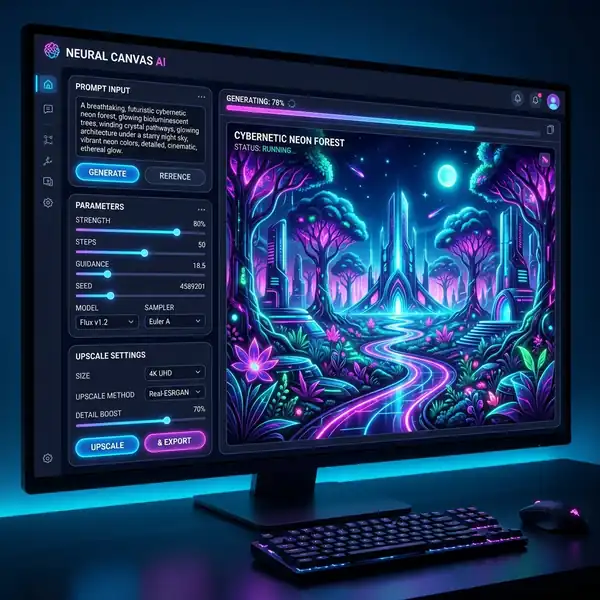
In the competitive landscape of e-commerce, high-quality product images are paramount. Research has shown that product visuals directly influence consumer buying decisions. AI product photography tools assist in generating exceptional images that not only showcase products effectively but also create an emotional connection with potential buyers. This emotional engagement can lead to increased trust in the brand and, ultimately, higher conversion rates.
Moreover, AI-driven tools streamline the image creation process, allowing businesses to generate multiple visuals in a fraction of the time it would take traditional photography. This efficiency enables e-commerce stores to keep their product listings fresh and appealing, which is important for retaining customer interest. The ability to quickly produce high-quality images can also assist in A/B testing different styles and backgrounds to determine what resonates best with the target audience.
Best Free AI Tools to Generate Product Backgrounds and Settings
| Tool Name | Key Capability | Free Tier Limits |
|---|---|---|
| PhotoRoom | Background replacement studio | Unlimited (Watermarked exports) |
| Pebblely | Automated setting generation | 40 free generated credits/mo |
Several AI tools are available that cater specifically to the needs of e-commerce businesses looking to enhance their product photography. These tools not only help in creating stunning backgrounds but also allow for customization to align with brand aesthetics. Among the most prominent options are PhotoRoom, Pebblely, and Flair AI, each offering unique features that can cater to various business needs.
PhotoRoom, for instance, specializes in removing backgrounds and replacing them with aesthetically pleasing settings that highlight the product. Its user-friendly interface makes it accessible for users with no graphic design experience. Pebblely, on the other hand, focuses on generating realistic 3D backgrounds, giving products a more dynamic and engaging presentation. Flair AI combines these capabilities with advanced editing tools that allow users to manipulate lighting and shadows, creating a more professional look.
Step-by-Step Guide: Generating aesthetic product backgrounds
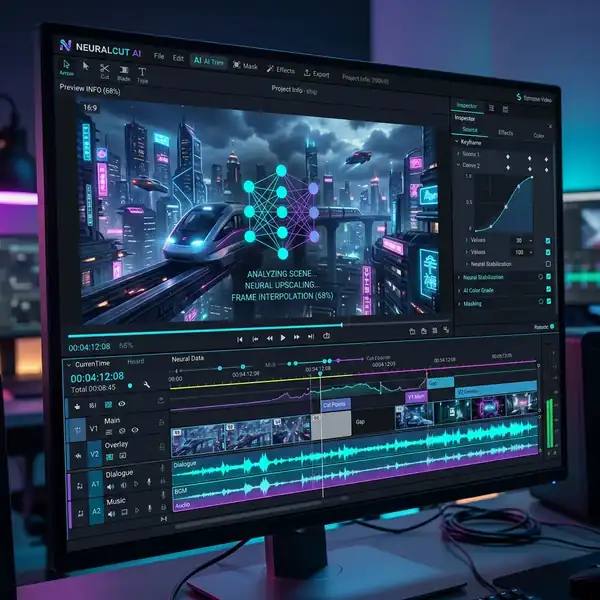
Creating stunning product backgrounds using AI tools involves a few straightforward steps. First, select the AI product photography tool that best suits your needs. For instance, if you choose PhotoRoom, start by uploading your product image onto the platform. The tool will automatically remove the existing background, allowing you to choose from a variety of pre-designed settings or upload your own.
Next, customize the background according to your brand’s color scheme and style. For a more polished look, consider adjusting the lighting and shadow effects within the tool. After finalizing the design, download the image in the required resolution for optimal quality on your e-commerce platform. This process, while simple, yields professional-grade images that can significantly enhance the appeal of your products.

Comparison Table: PhotoRoom vs. Pebblely vs. Flair AI features
| Feature | PhotoRoom | Pebblely | Flair AI |
|---|---|---|---|
| Background Removal | Yes | No | Yes |
| 3D Background Generation | No | Yes | Yes |
| Custom Lighting Options | Basic | Standard | Advanced |
| User Interface | Intuitive | Moderate | User-friendly |

Image Size Optimization: Compressing assets for fast page loads
Once you have generated your product images, optimizing their size for web use is important. Large image files can significantly slow down page load times, leading to higher bounce rates and negatively impacting SEO. Various tools and techniques can aid in compressing images without sacrificing quality. Tools like TinyPNG and ImageOptim are excellent for reducing file size while maintaining visual integrity.
Additionally, using the right file formats plays a vital role in image optimization. JPEG is commonly used for photographs due to its balance of quality and file size, while PNG is ideal for images requiring transparency. By selecting the appropriate format and using compression tools, e-commerce businesses can ensure their product images are both visually appealing and optimized for fast loading, enhancing user experience and boosting conversions.
Additional Resources and Recommended Links
For more guides and tutorials on AI image and video generators, check out our step-by-step articles on how to use PhotoRoom AI background remover and can I use Leonardo AI images commercially. For official platforms and tools, visit the Official PhotoRoom App.
Mastering Advanced Prompting Techniques: Harnessing Technical Parameters for Optimal AI Outputs
In the realm of AI product photography, the ability to craft sophisticated prompts is paramount for generating high-quality images that align closely with your branding and marketing strategy. Advanced prompting techniques allow users to manipulate various technical parameters, such as style weights, aspect ratios, and other adjustable settings that can significantly influence the final output. For instance, when specifying style weights, it’s essential to balance the influence of different artistic styles in a single output. A common formula for prompts might include a base image description followed by a weighted style description, such as "A sleek, modern smartwatch on a wooden table::2, in the style of minimalist photography::1," where the numbers denote the strength of the respective influences. This allows you to fine-tune the appearance of the generated images, ensuring that they resonate with your target audience.Another important parameter to consider is the aspect ratio of the images you are generating. E-commerce platforms typically favor certain aspect ratios to maintain consistency across product listings. By specifying an aspect ratio in your prompts, you can ensure that the images fit seamlessly into your online store’s layout.
For example, using a prompt like "A high-end kitchen gadget::1, 16:9 aspect ratio" can yield images that are perfectly suited for promotional banners or social media marketing. Additionally, advanced users can experiment with seed control, which allows them to generate variations of the same image by altering the seed number in their prompts. This technique can be particularly useful for creating a series of product images that maintain a cohesive look while offering slight variations that can be tested for market effectiveness.
Incorporating chaos parameters can further enhance the creative output by introducing an element of randomness that can lead to surprising and unique results. When working with parameters like chaos in your prompts, you might structure a prompt as follows: "An abstract version of a stylish lamp::1, with chaos level of 15." This allows the AI to explore different interpretations of the lamp design, which can be especially useful for fashion and lifestyle products that benefit from a more artistic representation.
Beginners should take note that mastering these technical parameters requires practice and experimentation. By analyzing the outputs and refining prompts iteratively, users can develop a deep understanding of how these parameters interact and influence the generated images.
Furthermore, exploring the concept of reference images or vrefs can greatly enhance the quality of the outputs. Reference images provide the AI with a visual guide to understand the desired style and composition.
By including a reference image prompt, such as "Generate an image of a running shoe based on the attached reference image," users can achieve outputs that are more closely aligned with their creative vision. This approach not only leverages the AI’s capabilities but also allows for a more collaborative process between the human designer and the AI tool.
In conclusion, mastering advanced prompting techniques and understanding the intricacies of technical parameters not only enhances the quality of AI-generated product photography but also empowers users to maintain control over their creative process, ultimately leading to more successful e-commerce visual strategies.
Integrating AI-Generated Product Images into Professional Workflows for E-commerce Success
The integration of AI-generated product images into professional workflows is important for maximizing their impact within e-commerce environments. To effectively utilize these images, designers and marketers must establish a streamlined process that encompasses the creation, refinement, and implementation of visuals across various platforms. One effective approach is to combine AI-generated images with robust design tools such as Photoshop, Canva, or Figma. After generating initial images through AI tools, importing them into Photoshop allows designers to fine-tune elements, adjust colors, and add additional graphical components that align with branding requirements. This flexibility is essential for ensuring that product images not only look appealing but also convey the intended message and ethos of the brand.Once the AI-generated images have been refined, integrating them into e-commerce platforms can be further optimized by leveraging automation tools. Platforms like Zapier can facilitate the seamless transfer of images from design software to e-commerce systems, ensuring that product updates or new launches are executed promptly.
For instance, a designer can create a Zap that automatically uploads product images from Google Drive to a Shopify store once they are finalized. This not only saves time but also minimizes human error, ensuring that product images are consistently high-quality and up-to-date.
Furthermore, automated social media posting tools can be utilized to share product images across various channels, enhancing visibility and driving traffic back to the e-commerce site.
In addition to these technical integrations, it’s vital to maintain a cohesive branding strategy across all platforms. AI-generated images can be tailored to different marketing campaigns, but they should still align with the overall visual identity of the brand.
For example, if a brand’s aesthetic leans towards minimalism, the AI prompt should reflect this by emphasizing clean lines, soft colors, and uncluttered backgrounds. By developing a style guide that outlines specific attributes desired in AI-generated images, teams can ensure that all visual content maintains consistency.
This cohesive approach not only strengthens brand recognition but also fosters trust among consumers, who are more likely to engage with a brand that presents itself uniformly across various touchpoints.
Finally, the rise of augmented reality (AR) technology provides an exciting avenue for integrating AI-generated images into customer experiences. By overlaying AI-generated product visuals within AR environments, brands can create interactive experiences that allow customers to visualize products in their own spaces before making a purchase.
Tools like Adobe Aero can facilitate this process, allowing designers to create immersive experiences that leverage AI-generated imagery. This innovative integration not only enhances customer engagement but also increases conversion rates by providing potential buyers with a more comprehensive understanding of product offerings.
In summary, the effective integration of AI-generated product images into professional workflows is a multi-faceted process that requires thoughtful consideration of design practices, automation, branding, and emerging technologies to achieve e-commerce success.
Addressing Technical Limitations and Ethical Considerations of AI Product Photography Tools
While AI product photography tools offer immense potential for enhancing visual content, they also come with inherent technical limitations that users must navigate to ensure optimal results. One common issue is the quality of the generated images, which can vary significantly depending on the complexity of the input prompts and the capabilities of the AI model being used. Beginners often underestimate the importance of specificity in their prompts, which can lead to unsatisfactory outputs. For example, a vague prompt like "show a shoe" may yield generic images that lack the detail or context necessary for effective marketing. To mitigate this, users should invest time in crafting detailed and descriptive prompts that clearly outline desired attributes, which can lead to better-quality outputs.Another significant concern is the resolution of images produced by AI tools. Many free or lower-tier AI image generators may output images that are not high enough in resolution for professional use. In e-commerce, where high-quality visuals are essential to convey product features and attract customers, low-resolution images can detract from the overall shopping experience.
It’s vital to confirm the resolution specifications of the chosen AI tool and to perform additional upscaling if necessary. Tools like Topaz Gigapixel can be employed to enhance the resolution of AI-generated images, although care must be taken to avoid losing detail in the process. Users should also be aware that excessive upscaling can introduce artifacts that compromise image quality, which highlights the importance of starting with a solid base image.
Moreover, the ethical considerations surrounding the use of AI-generated content cannot be overlooked, particularly concerning commercial usage rights and copyright implications. Many AI tools operate under specific licensing agreements that dictate how generated images can be used.
Users must be diligent in reviewing these terms to ensure compliance, especially in commercial applications where unauthorized use could lead to legal repercussions. Additionally, ethical guidelines surrounding the use of AI in creative fields are evolving, prompting discussions about the originality of AI-generated content and the attribution of creative credit.
Brands and marketers should adopt transparent practices, clearly communicating to consumers when images are AI-generated and the extent to which AI was involved in the creative process.
Troubleshooting is another critical aspect that users must consider when utilizing AI tools for product photography. Common beginner mistakes include failing to iterate on prompts based on previous outputs and neglecting to engage in thorough post-processing. Users should develop a habit of analyzing the strengths and weaknesses of each generated image, allowing them to refine their approach continually.
Maintaining a feedback loop where designers can share insights and learnings from each AI output can significantly improve the quality of future images. Additionally, seeking support from community forums or user groups dedicated to specific AI tools can provide valuable resources and troubleshooting advice. By addressing these technical limitations, ethical considerations, and common pitfalls, users can harness the full potential of AI product photography tools while ensuring compliance and maintaining a high standard of quality in their visual content.




