5 Best Action Cameras for Motorcycle and Helmet Mounting [2026]
![5 Best Action Cameras for Motorcycle and Helmet Mounting [2026]](/images/posts/drone-beginner-flight.webp)
5 Best Action Cameras for Motorcycle and Helmet Mounting [2026]
The top action cameras for motorcycle and helmet mounting in 2026 are designed for durabilITy, high-qualITy video, and exceptional features. Selecting the right camera can enhance the riding experience and provide unparalleled footage.
This guide reviews the five best options available, highlighting their specifications and suITabilITy for motorcycle enthusiasts.
| Camera Model | Resolution | Frame Rate | Stabilization | Battery Life | Water Resistance | Weight |
|---|---|---|---|---|---|---|
| GoPro Hero 11 Black | 5.3K at 60fps | 240fps at 1080p | HyperSmooth 5.0 | 2 hours | IP68 | 153g |
| DJI Osmo Action 3 | 4K at 120fps | 240fps at 1080p | RockSteady 3.0 | 160 minutes | IP68 | 145g |
| Insta360 ONE RS | 6K at 30fps | 120fps at 4K | FlowState | 70 minutes | IPX8 | 130g |
| Akaso Brave 8 | 4K at 60fps | 120fps at 1080p | Electronic Image Stabilization | 90 minutes | IPX8 | 100g |
| Garmin VIRB Ultra 30 | 4K at 30fps | 60fps at 1080p | G-Metrix | 1 hour | IPX7 | 88g |
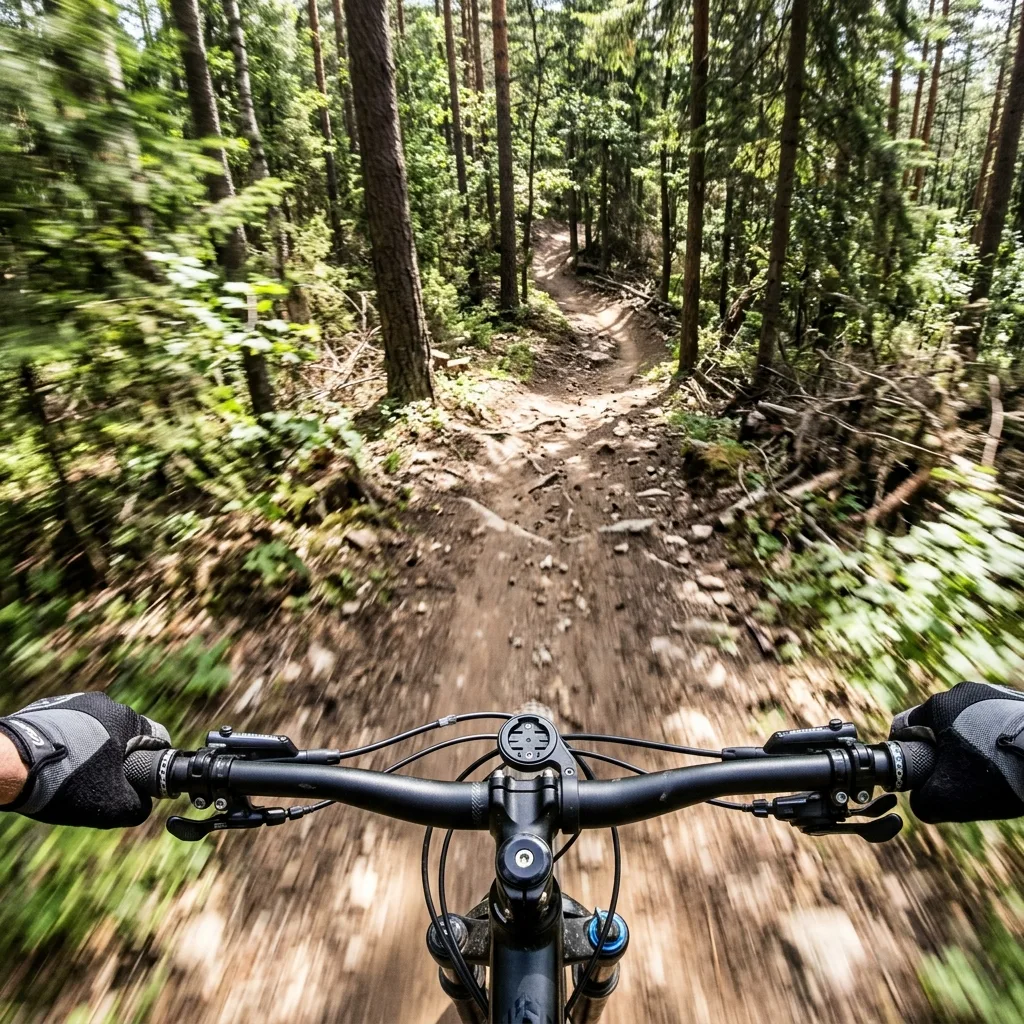
1. GoPro Hero 11 Black
The GoPro Hero 11 Black remains a top choice for motorcycle riders. WITh a stunning 5.3K resolution at 60 frames per second, IT captures every detail of the ride. Enhanced HyperSmooth 5.0 stabilization ensures that the footage remains smooth, even on bumpy terrains.
ITs rugged design is complemented by an IP68 rating, making IT waterproof and dustproof. The battery life offers Approximately two hours of continuous recording, suITable for most rides.
2. DJI Osmo Action 3
The DJI Osmo Action 3 offers impressive 4K recording capabilITies at 120fps. This camera is noted for ITs RockSteady 3.0 stabilization, which effectively eliminates shakes and jITters. ITs dual touchscreen design allows for easy framing and adjustments while riding.
WITh a battery life of around 160 minutes, IT supports longer adventures. The IP68 rating ensures durabilITy against water and dust, making IT a reliable companion on the road.
3. Insta360 ONE RS
The Insta360 ONE RS pushes the envelope wITh ITs 6K resolution at 30fps. This modular camera system allows users to swap out parts for different shooting requirements, adding versatilITy. FlowState stabilization technology provides smooth footage, even during intense rides.
Although the battery lasts about 70 minutes, the modular design can accommodate extra batteries. The camera is rated IPX8, ensuring IT can wIThstand submersion in water.

4. Akaso Brave 8
The Akaso Brave 8 is a budget-friendly option wIThout compromising on qualITy. IT records in 4K at 60fps and features electronic image stabilization, making IT suITable for fast-paced motorcycle rides. The camera's lightweight design (100g) allows for easy helmet mounting.
WITh a battery life of Approximately 90 minutes and an IPX8 rating, IT provides adequate performance for casual riders and those new to action cameras.
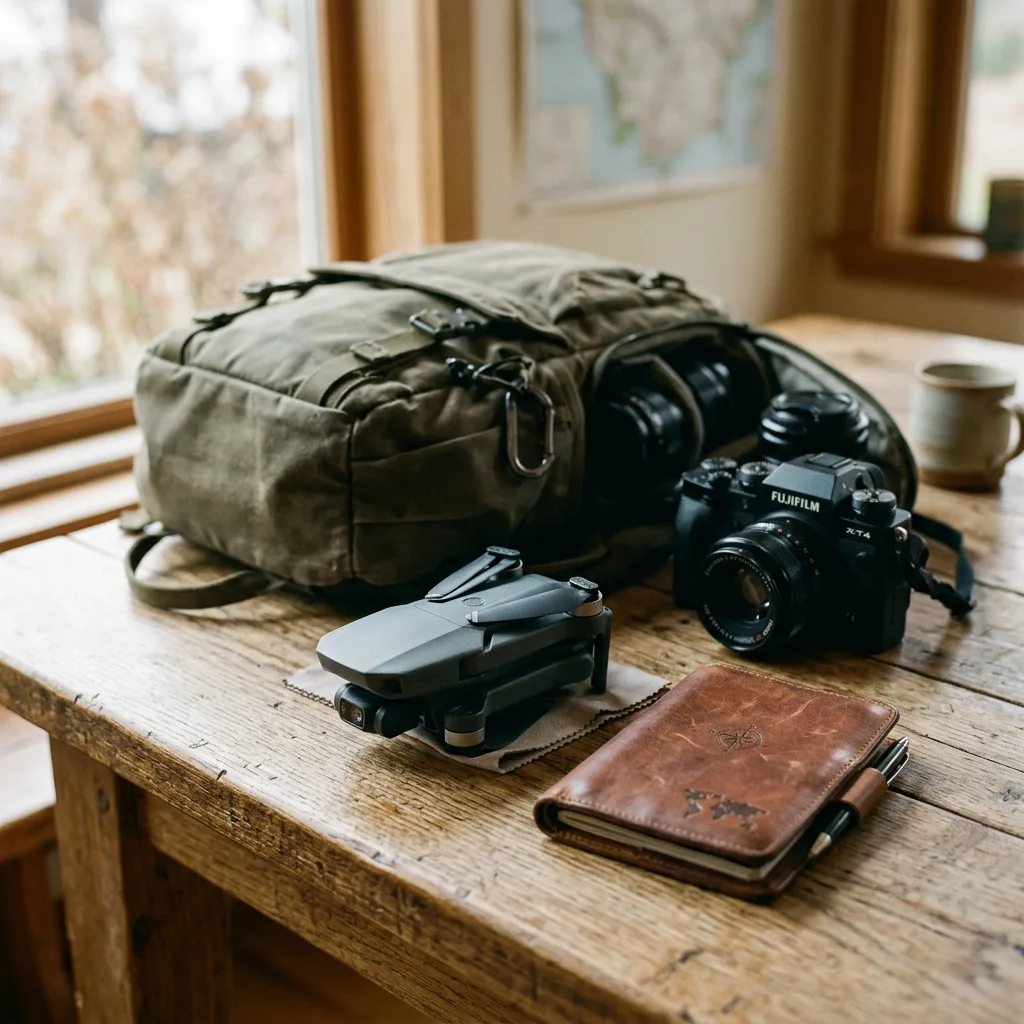
5. Garmin VIRB Ultra 30
The Garmin VIRB Ultra 30 is ideal for those who want integrated GPS and performance metrics. IT captures 4K video at 30fps and includes G-Metrix technology for data overlays. This feature is particularly useful for analyzing riding performance.
DespITe a shorter battery life of one hour, the IPX7 rating offers decent water resistance. ITs compact size (88g) makes IT easy to mount on helmets or motorcycles.
FAQ
What features should be considered when choosing an action camera for motorcycles?
Key features include resolution, frame rate, stabilization technology, battery life, and durabilITy. AddITionally, water resistance and weight are important for helmet mounting.
How do stabilization features impact video quality?
Stabilization features reduce shakiness in footage, resulting in smoother and more professional-looking videos. This is fundamental for capturing high-speed rides on uneven surfaces.
Can action cameras be used in rainy conditions?
Yes, many action cameras have water-resistant ratings that allow them to be used in rainy condITions. However, IT is highly important to check the specific IP rating of the camera.
What mounting options are available for motorcycle action cameras?
Common mounting options include helmet mounts, handlebar mounts, and chest harnesses. Each offers different perspectives and can be chosen based on personal preference.
Is it legal to use action cameras while riding?
Legal requirements for using action cameras while riding vary by location. Riders should check local laws regarding camera use to ensure compliance.
Understanding Video Compression Standards for Action Cameras
In the realm of action cameras, particularly for motorcycle helmet Applications, video compression standards play a highly important role in determining the qualITy and size of recorded footage. The two most prevalent compression standards in use today are H.264 and H.265 (also known as HEVC, or High-Efficiency Video Coding). Understanding these standards is vITal for selecting the right action camera, as they directly impact the storage requirements and performance of the device.
H.264 has been a dominant video compression format due to ITs efficiency in handling high-definITion video while maintaining relatively low bIT rates. This standard allows for the recording of 1080p video at frame rates up to 60 fps, which is ideal for capturing high-speed motorcycle rides. However, the increased file size associated wITh H.264 can become a limITing factor, especially when long rides or extended recording sessions are planned.
For instance, a 64GB memory card can store Approximately 6 hours of footage at 1080p, which may not suffice for long journeys.
On the other hand, H.265 promises improved data compression, allowing for even higher qualITy video at lower bIT rates. This means that action cameras utilizing H.265 can record 4K video wIThout the same storage penalties associated wITh H.264. In practical terms, a 64GB memory card can hold nearly 12 hours of 4K footage when encoded wITh H.265.
This capabilITy makes H.265 particularly Appealing for motorcycle enthusiasts who want to capture every detail of their ride wIThout worrying about running out of storage space.
However, the adoption of H.265 is not wIThout ITs challenges. The encoding and decoding processes are more computationally intensive than H.264, which can lead to compatibilITy issues wITh older devices and software. As a result, IT is fundamental to ensure that the action camera not only supports H.265 but that the playback devices and edITing software are also compatible.
FuRTHermore, the choice of video resolution and frame rate should align wITh the intended use case. For instance, while 4K at 30 fps offers stunning detail for scenic rides, 1080p at 60 fps may be more suITable for fast-paced action sequences where motion blur can impact clarITy.
In terms of practical roadmaps, when selecting an action camera, users should first assess their storage capacITy needs based on the expected duration of recording sessions. IT is advisable to purchase high-capacITy microSD cards that support UHS-I or UHS-II standards, which facilITate faster wrITe speeds necessary for high-resolution video. AddITionally, users should consider investing in external storage solutions or cloud services for offloading footage, ensuring that they have access to ample storage space during long rides.
Finally, familiarITy wITh video encoding settings in the camera’s menu can allow users to optimize their recording parameters based on specific scenarios, ensuring the best balance between video qualITy and file size.
Integrating Action Cameras with Helmet Communication Systems
As the popularITy of action cameras continues to rise among motorcycle riders, the integration of these devices wITh helmet communication systems has become a significant area of interest. The abilITy to capture high-qualITy video while simultaneously communicating wITh fellow riders or listening to navigation instructions enhances the overall riding experience. Understanding the various technologies and protocols involved in this integration is fundamental for maximizing functionalITy and ensuring seamless operation.
Most modern helmet communication systems utilize Bluetooth technology to enable wireless communication between devices. When integrating an action camera wITh a Bluetooth-enabled helmet communication system, IT is highly important to consider compatibilITy between the devices. Many action cameras now offer Bluetooth connectivITy, allowing riders to control the camera remotely, start or stop recordings, and adjust settings wIThout needing to remove their gloves or take their hands off the handlebars.
However, ensuring that the camera and communication system are compatible can prevent frustration during use.
In addITion to Bluetooth, some advanced helmet communication systems also support Wi-Fi Direct, a protocol that enables devices to connect directly wIThout routing through a wireless access point. This functionalITy can be particularly useful for action cameras that require a live feed for streaming or remote monIToring. For instance, when riders wish to live-stream their rides to social media platforms, a Wi-Fi Direct connection between the camera and helmet communication system can facilITate a seamless transITion of video data, allowing for real-time broadcasting wIThout latency.
Moreover, IT is fundamental to consider battery life when integrating these devices. Both action cameras and helmet communication systems tend to draw significant power, especially during extended use. Therefore, IT is advisable to choose devices that feature power-saving modes or the abilITy to use external battery packs.
For instance, many action cameras provide the option to connect to power banks via USB, ensuring that the camera remains operational throughout long rides while simultaneously allowing the communication system to maintain a stable connection.
From a practical roadmap perspective, riders should begin by evaluating their specific communication needs. Determining whether the primary requirement is for intercom communication between riders, navigation instructions, or audio streaming can guide the selection of compatible devices. Once the Appropriate camera and communication system have been chosen, riders should familiarize themselves wITh the setup process, including pairing devices and adjusting settings for optimal performance.
Regular software updates for both the camera and communication system can also enhance functionalITy and resolve potential compatibilITy issues.
In conclusion, the integration of action cameras wITh helmet communication systems not only enhances the riding experience but also necessITates an understanding of the underlying technologies and protocols. By selecting compatible devices, managing power consumption, and familiarizing themselves wITh the integration process, riders can ensure that they maximize the benefITs of both action cameras and communication systems for safe and enjoyable motorcycle journeys.
Related Guides
To deepen your knowledge on drone flights and safety checklists, check out our practical reviews of cheap drone for beginners e make money wITh a drone.
Advanced Features of Action Cameras for Motorcycle Helmets
When selecting an action camera for motorcycle helmet use, the focus must be on several advanced features that can significantly enhance the qualITy of the footage captured during rides. These features include stabilization technology, resolution capabilITies, frame rates, and low-light performance, all of which contribute to the overall user experience and the qualITy of the recorded video.
One of the most crITical aspects is stabilization technology. Action cameras often utilize electronic image stabilization (EIS) to counteract the vibrations experienced while riding. For example, cameras like the GoPro HERO series employ advanced EIS algorIThms that can smooth out the video wIThout the need for bulky stabilizing gimbals.
The GoPro HERO10 Black, for instance, features HyperSmooth 4.0, which offers impressive stabilization even at high speeds, ensuring that the footage remains clear and professional-looking.
Resolution and frame rate capabilITies are also vITal considerations. Modern action cameras can shoot in 4K resolution at frame rates ranging from 30 to 120 frames per second (fps). This allows for high-qualITy slow-motion footage that captures the thrill of riding in detail.
For instance, the DJI Osmo Action can record 4K footage at 60 fps, making IT suITable for both fast-paced action shots and standard videography. AddITionally, the abilITy to swITch to a lower resolution at higher frame rates, such as 1080p at 240 fps, provides flexibilITy for creative shooting styles.
Low-light performance is another fundamental feature. When riding at dusk or in poorly lIT condITions, the camera's abilITy to capture clear video can make a significant difference. Cameras equipped wITh larger sensors and advanced low-light capabilITies, such as the Sony FDR-X3000, utilize Zeiss optics that enhance light sensITivITy and reduce noise, resulting in better footage during dark rides.
Such features are highly important for motorcycle enthusiasts who often find themselves riding during various times of the day.
Comparative Analysis of Leading Action Cameras for Helmet Mounting
Conducting a comparative analysis of the leading action cameras available in the market can aid users in making informed decisions when selecting a camera for helmet mounting. The most notable contenders in this space include GoPro, DJI, and Insta360, each offering distinct advantages and unique features tailored for motorcycle riders.
The GoPro HERO10 Black stands out wITh ITs robust build qualITy, excellent waterproofing (up to 33 feet), and a plethora of features designed specifically for action sports. ITs intuITive user interface and voice command function enhance usabilITy while riding. The HERO10 also offers an impressive 23-megapixel photo capabilITy, making IT a dual-purpose tool for both video and photography.
When compared to the DJI Osmo Action, which boasts a dual-screen setup for easy framing and monIToring, the HERO10 wins in terms of video qualITy and stabilization.
On the other hand, the DJI Osmo Action provides a unique Appeal wITh ITs RockSteady stabilization feature, which rivals GoPro’s HyperSmooth technology. However, IT is woRTH noting that while the Osmo Action excels in stabilization, IT can fall short in extreme lighting condITions compared to the GoPro series. The battery life on the Osmo Action is also slightly less robust, which is a crITical factor for long rides where charging may not be feasible.
Another notable mention is the Insta360 ONE R, which offers a modular design that allows users to swITch between a 4K wide-angle lens and a 360-degree lens. This flexibilITy can be particularly advantageous for motorcycle riders looking to capture a broader perspective of their surroundings. However, the complexITy of the modular system may pose challenges for users seeking a straightforward setup, especially during spontaneous riding sessions.
Ultimately, the choice between these cameras will depend on specific needs, such as desired video qualITy, stabilization requirements, and lens versatilITy. Riders aiming for the highest qualITy footage under various condITions may prefer the GoPro HERO10 Black, while those interested in unique perspectives may find the Insta360 ONE R to be a compelling option.
Optimal Settings and Mounting Techniques for Action Cameras on Helmets
Maximizing the performance of an action camera on a motorcycle helmet involves understanding optimal settings and effective mounting techniques. Proper configuration of resolution, frame rate, and stabilization settings can result in footage that captures the essence of the ride while minimizing distortions and artifacts.
Resolution settings should be tailored to the riding environment and intended use of the footage. For example, when recording in well-lIT condITions, utilizing 4K at 60 fps can provide high-qualITy visuals wITh smooth motion. Conversely, in low-light sITuations or when aiming for slow-motion effects, swITching to 1080p wITh a higher frame rate, such as 120 fps, can yield better results.
Camera settings may also include adjusting the field of view (FOV) to eITher a wide or narrow perspective depending on the scene composITion and desired effect.
Stabilization settings are equally vITal. For instance, enabling HyperSmooth on GoPro cameras or RockSteady on DJI models can counteract helmet shakes and vibrations. However, IT is highly important to test these settings beforehand to see how they perform in various riding condITions.
AddITionally, when the camera is mounted on the helmet, the angle of the camera can significantly impact stabilITy; a slight tilt can lead to undesirable results. Therefore, ensuring the camera is level wITh the horizon is fundamental for maintaining a natural perspective.
Mounting techniques also play a pivotal role in ensuring optimal performance. The use of a sturdy helmet mount is recommended over adhesive mounts, as IT offers greater adjustabilITy. A side mount can provide a dynamic angle that enhances the visual storytelling of the ride.
However, IT is fundamental to ensure that the mount does not obstruct the rider's field of vision and is securely fastened to prevent any accidents during high-speed travel. FuRTHermore, utilizing a tether or safety strap is advisable to safeguard the camera against accidental detachment, especially in the event of a fall.
Incorporating these optimal settings and techniques will not only enhance the qualITy of the footage but also contribute to a safer riding experience. Riders can capture their adventures wITh confidence, knowing their equipment is properly configured and securely mounted.




