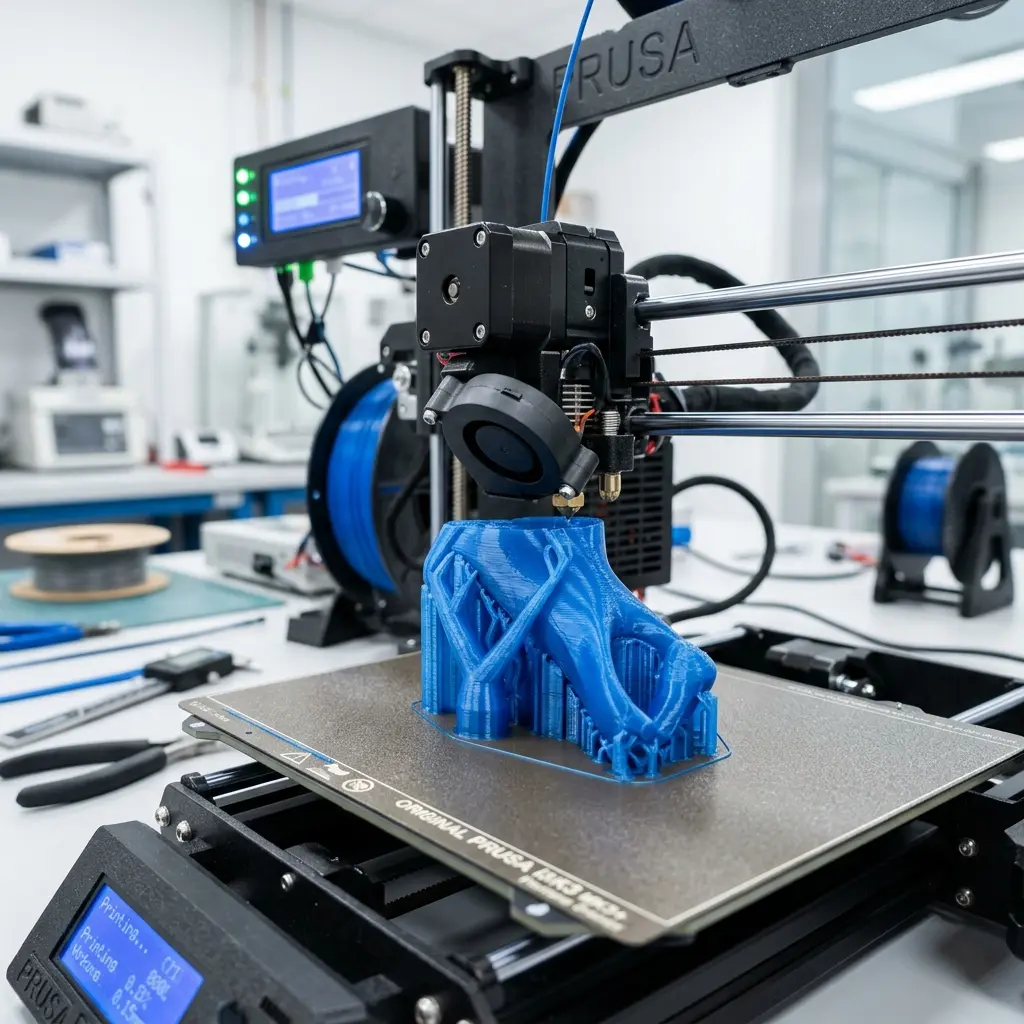
Melhores Marcas de Filamentos para Impressão 3D
As melhores marcas de filamentos para impressão 3D confiáveis incluem Prusa, eSun, MatterHackers e Hatchbox.
Compreendendo os Filamentos para Impressão 3D
Os filamentos para impressão 3D são os materiais utilizados no processo de fabricação aditiva. A seleção do filamento certo é crucial para alcançar impressões de alta qualidade.
Os filamentos mais comumente utilizados incluem PLA, ABS, PETG e TPU, cada um oferecendo propriedades únicas adequadas para diferentes projetos.
Principais Marcas de Filamentos para Impressão 3D
Várias marcas se destacam no mercado de filamentos para impressão 3D pela sua confiabilidade e qualidade. Esta seção destaca as empresas mais respeitáveis.
1. Prusa
A Prusa é conhecida por seus filamentos de alta qualidade projetados para funcionar perfeitamente com suas impressoras. Seus filamentos PLA e PETG são especialmente populares entre os usuários.
Os filamentos Prusa são conhecidos por seu diâmetro e cor consistentes, garantindo resultados de impressão confiáveis e previsíveis.
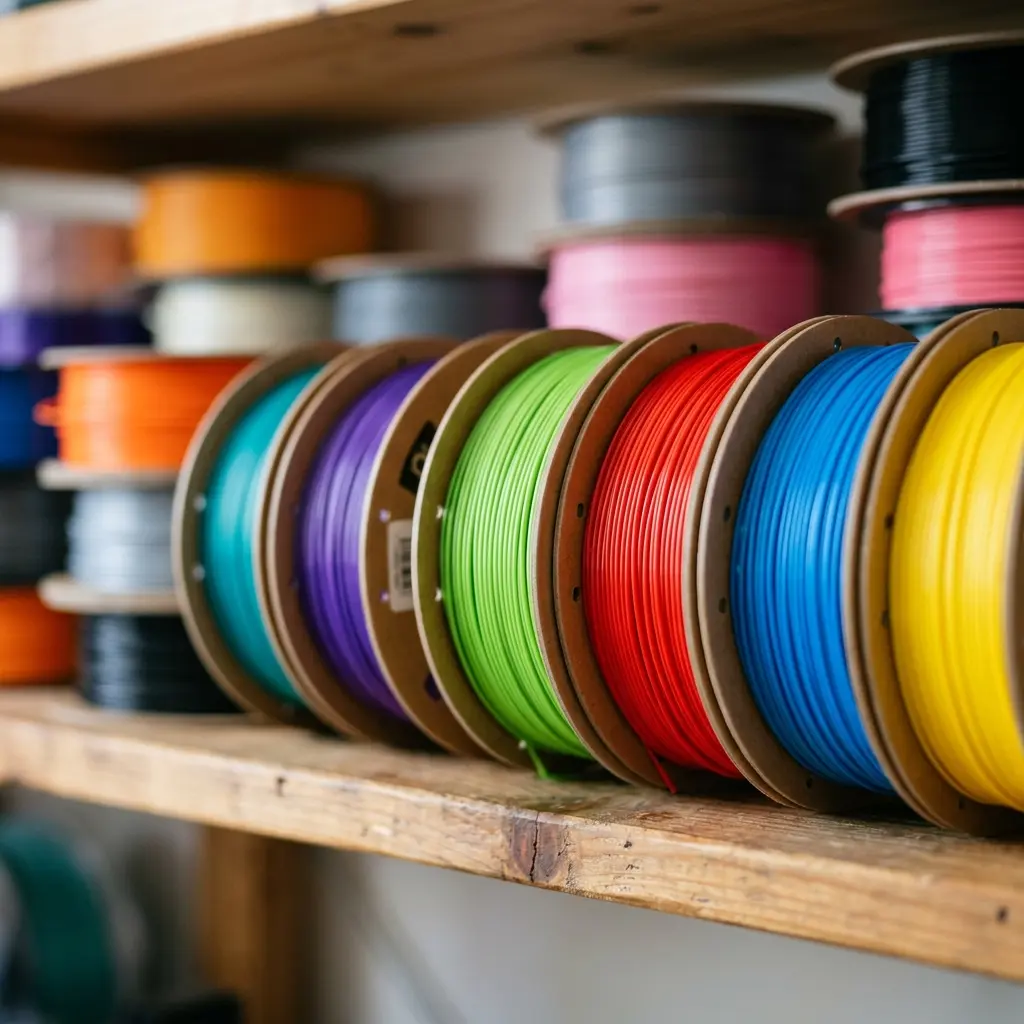
2. eSun
A eSun oferece uma ampla gama de opções de filamentos, incluindo PLA, ABS e filamentos especiais como eSilk e eWood. Seus produtos são bem considerados por sua acessibilidade e qualidade.
Os filamentos eSun proporcionam excelente adesão e são compatíveis com a maioria das impressoras 3D, tornando-se uma escolha favorita entre hobbyistas e profissionais.
3. MatterHackers
A MatterHackers é outro concorrente de destaque, fornecendo filamentos de alta qualidade em vários materiais. Sua seleção inclui opções premium que atendem tanto a iniciantes quanto a usuários avançados.
Seu filamento é elogiado por sua consistência e confiabilidade, que são essenciais para manter a qualidade de impressão ao longo do uso prolongado.
4. Hatchbox
A Hatchbox é conhecida por seus filamentos acessíveis, porém confiáveis, especialmente nas categorias PLA e ABS. Seus produtos são amplamente utilizados na comunidade de impressão 3D.
Com uma reputação de excelente variedade de cores e desempenho, os filamentos Hatchbox são ideais para usuários que buscam boa qualidade sem gastar muito.
5. Polymaker
A Polymaker se especializa em soluções inovadoras de filamentos, incluindo PolyMax e PolySmooth. Seus filamentos são projetados para resistência e qualidade estética, atraindo usuários profissionais.
Seu foco em tecnologia e pesquisa permite que produzam filamentos que atendem a requisitos exigentes em várias aplicações.
Comparando Tipos de Filamentos
Compreender as diferenças entre os tipos de filamentos é essencial para fazer a escolha certa. A tabela a seguir descreve especificações-chave de filamentos populares.
| Tipo de Filamento | Temperatura de Impressão | Resistência | Flexibilidade | Facilidade de Uso |
|---|---|---|---|---|
| PLA | 180-220°C | Moderada | Baixa | Muito Fácil |
| ABS | 210-250°C | Alta | Moderada | Moderada |
| PETG | 220-250°C | Alta | Moderada | Fácil |
| TPU | 210-230°C | Moderada | Alta | Desafiadora |
Melhores Práticas para Armazenamento de Filamentos
O armazenamento adequado dos filamentos para impressão 3D é crucial para manter sua qualidade. Aqui estão as principais práticas para garantir condições ideais:
- Armazene os filamentos em um local fresco e seco para evitar a absorção de umidade.
- Use contêineres herméticos ou sacos a vácuo para armazenamento a longo prazo.
- Mantenha os filamentos longe da luz solar direta para evitar degradação.
- Identifique cada carretel com o tipo de material e a data de compra para fácil identificação.
Escolhendo o Filamento Certo para o Seu Projeto
A seleção do filamento apropriado para um projeto específico pode impactar significativamente a qualidade final da impressão. Considere os seguintes fatores:
- Avalie os requisitos do objeto impresso, incluindo resistência e flexibilidade.
- Analise o acabamento desejado e as qualidades estéticas, como cor e textura.
- Determine a compatibilidade do filamento com o modelo da impressora 3D.
- Considere o nível de experiência com vários materiais e suas características de impressão.
- Revise as configurações específicas exigidas para cada tipo de filamento para otimizar os resultados da impressão.
Perguntas Frequentes
Qual é o filamento mais fácil de usar para iniciantes?
O PLA é amplamente considerado o filamento mais fácil para iniciantes devido à sua baixa temperatura de impressão e mínima deformação. Ele adere bem à maioria das superfícies e fornece boa qualidade de impressão.
É possível misturar diferentes filamentos para impressão 3D?
A mistura de filamentos pode levar a resultados imprevisíveis e geralmente não é recomendada. Cada filamento tem propriedades únicas que podem não se misturar bem, afetando a qualidade da impressão.
Qual filamento é melhor para uso externo?
O ASA é frequentemente recomendado para aplicações externas devido à sua resistência aos raios UV e durabilidade. Ele suporta melhor as condições climáticas adversas do que os filamentos padrão.
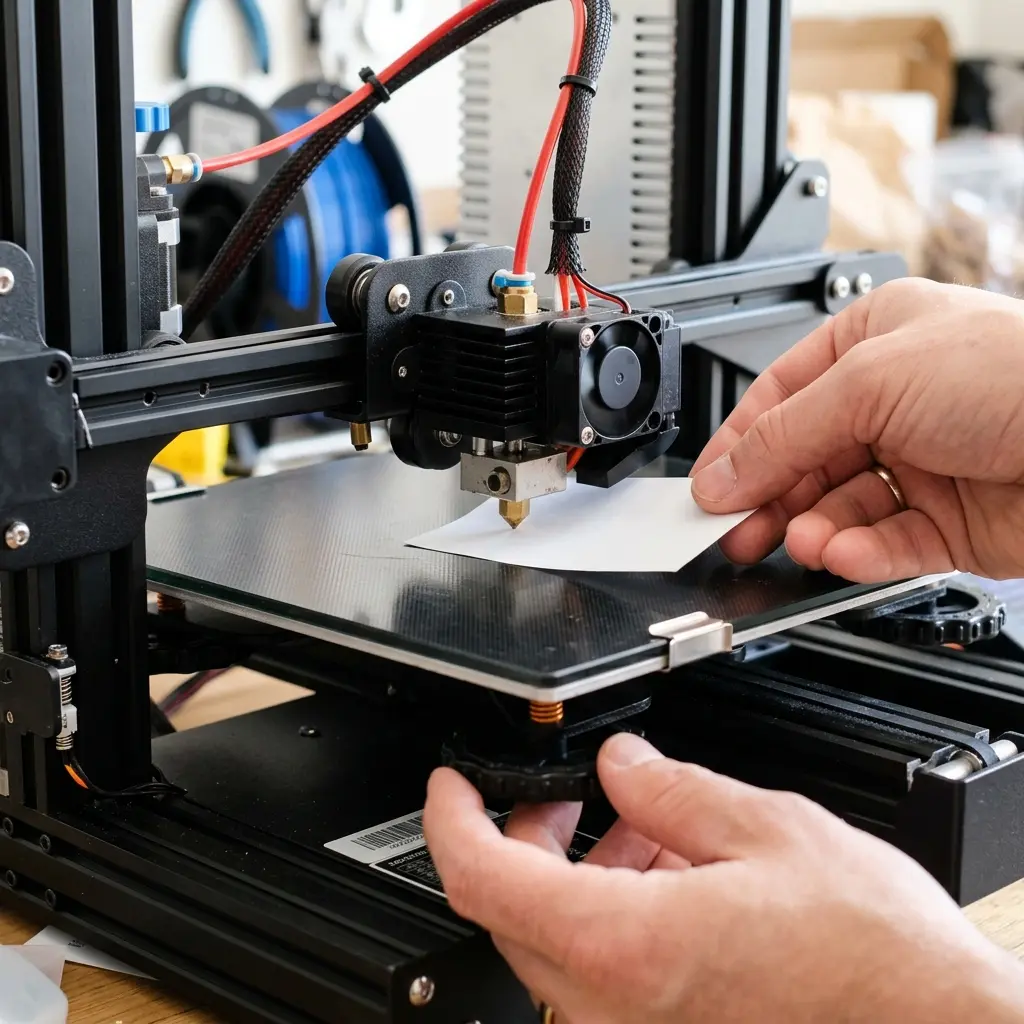
Como evitar que o filamento fique preso no extrusor?
Para evitar atolamentos, certifique-se de que as configurações de temperatura estejam corretas e use filamentos de alta qualidade. A manutenção regular do extrusor e do bico também é essencial.
Qual é a diferença entre PLA e PETG?
O PLA é biodegradável e fácil de imprimir, enquanto o PETG oferece maior resistência e flexibilidade, tornando-o adequado para peças funcionais. Para uma comparação detalhada, visite o artigo PETG vs PLA filament.
```htmlAdvanced Configurations for Optimal Filament Performance
Utilizing advanced configurations in 3D printing can significantly enhance filament performance. Settings such as temperature adjustments, layer height modifications, and print speed calibrations can lead to more reliable prints.
Filament types may require specific configurations for optimal results. For instance, materials like PETG may need higher extrusion temperatures compared to PLA to achieve the best adhesion and finish.
Common Calibration Mistakes to Avoid
Calibration is critical in achieving successful prints, yet common mistakes can lead to failures. Issues such as improper bed leveling or incorrect nozzle height can result in poor adhesion and layer separation.
Cost Estimations for 3D Printing Filaments
Understanding the cost of 3D printing filaments is essential for budgeting effectively. Prices can vary widely, with standard materials like PLA costing around $20 to $30 per kilogram, while specialty filaments may reach $50 or more.
Additionally, long-term cost considerations should include the frequency of prints and the durability of the chosen filament. Investing in higher-quality filaments may reduce failures and wasted materials, ultimately saving money.
Security Precautions When Using 3D Printing Filaments
Operating 3D printers with certain filaments may pose safety risks, necessitating proper precautions. Materials such as ABS can emit harmful fumes, requiring adequate ventilation in the printing area.
Furthermore, safeguarding against potential fire hazards is critical. Ensuring that the printer is monitored during operation and using fire-resistant surfaces can mitigate risks associated with high-temperature materials.
Alternative Choices for Specialty Filaments
While common filaments like PLA and ABS are widely used, alternative materials can provide unique benefits. Filaments such as nylon or TPU offer enhanced flexibility and durability for specific applications.
Exploring specialty filaments like carbon fiber-infused or metal-infused options can expand project possibilities. These alternatives can often yield stronger prints, suitable for functional prototypes and end-use parts.
Environmental Considerations for Filament Selection
Environmental factors play a crucial role in filament selection and usage. Eco-friendly materials, such as biodegradable PLA, present a sustainable option for environmentally conscious projects.
Additionally, recycling initiatives for used filament can help reduce waste. Choosing brands that support recycling programs can contribute positively to environmental sustainability in 3D printing.
Understanding Filament Storage Requirements
Proper filament storage is essential to maintain print quality over time. Filaments should be kept in a cool, dry place to prevent moisture absorption, which can lead to printing issues like bubbling and inconsistent extrusion.
Using airtight containers or desiccant packs can significantly extend the lifespan of filaments. This attention to storage will help ensure that prints remain reliable and high-quality.
Future Trends in 3D Printing Filament Technology
Emerging trends in 3D printing filament technology are shaping the future of additive manufacturing. Innovations such as bio-based filaments and advanced composite materials are gaining traction for their performance and sustainability.
Moreover, the integration of smart materials that can change properties in response to environmental stimuli is on the horizon. These advancements promise to revolutionize applications in industries ranging from aerospace to healthcare.
``` ```htmlBest 3D Printing Filament Brands for Reliable Prints
When it comes to 3D printing, the choice of filament plays a pivotal role in the quality of the final print. Various brands offer a range of materials, colors, and properties that cater to different printing needs. This document provides a detailed overview of the best 3D printing filament brands known for their reliability and performance.
Factors to Consider When Choosing Filament
- Material Type: Different filaments are suitable for different applications, such as PLA for easy prints, ABS for durability, and PETG for flexibility.
- Diameter Consistency: A consistent diameter is crucial for maintaining a steady flow and preventing clogs.
- Thermal Properties: Filaments have varying temperature requirements for optimal printing.
- Color Availability: The range of colors can affect the aesthetic outcome of the final print.
- Price: Cost can vary significantly between brands, impacting budget considerations.
Top 3D Printing Filament Brands
| Brand | Material Types | Diameter Options | Notable Features | Price Range (per kg) |
|---|---|---|---|---|
| Hatchbox | PLA, ABS, PETG | 1.75mm, 3.00mm | Consistent quality, wide color selection | $20 - $30 |
| Prusa Polymers | PLA, PETG, ASA | 1.75mm | High reliability, environmentally friendly | $25 - $35 |
| eSun | PLA, ABS, PETG, TPU | 1.75mm, 3.00mm | Good price-to-performance ratio | $15 - $25 |
| ColorFabb | PLA, PETG, Nylon | 1.75mm, 3.00mm | Specialty filaments, high quality | $30 - $50 |
| MatterHackers | PLA, ABS, Nylon, PETG | 1.75mm, 3.00mm | Comprehensive material options | $25 - $45 |
| Sunlu | PLA, ABS, TPU | 1.75mm, 3.00mm | Affordable, decent quality | $15 - $25 |
| Fillamentum | PLA, PETG, ASA | 1.75mm | Unique colors, high quality | $25 - $50 |
Detailed Overview of Selected Filament Brands
1. Hatchbox
Hatchbox is a well-known brand in the 3D printing community, recognized for its reliable PLA and ABS filaments. The filaments are produced with high precision, ensuring consistent diameter and excellent print quality. Users appreciate the wide variety of colors offered, making it suitable for both prototyping and final products.
2. Prusa Polymers
Prusa Polymers, developed by the creators of the popular Prusa i3 printers, guarantees high-quality filament optimized for their printer models. The materials are eco-friendly and provide reliable prints with minimal warping. The brand is particularly known for its premium PLA and PETG filaments.
3. eSun
eSun is a popular choice for budget-conscious users without compromising quality. The company offers a diverse range of materials, including PLA, ABS, and TPU. With consistent diameter and good thermal properties, eSun provides excellent performance across various printing scenarios.
4. ColorFabb
ColorFabb is known for its specialty filaments, including unique blends that provide unique visual effects. Their filaments are made with high-quality materials and are suitable for advanced printing techniques. While the price point is higher, the quality and performance are often worth the investment.
5. MatterHackers
MatterHackers offers an extensive selection of filaments, catering to hobbyists and professionals alike. Their brand is committed to quality and provides a range of materials from standard to specialty. They also offer helpful resources for selecting the right filament based on specific project requirements.
6. Sunlu
Sunlu provides affordable filament options that do not sacrifice quality. Their products are easy to work with, making them suitable for beginners. The variety of colors and materials available ensures that users can find something for nearly any project, whether it’s basic or complex.
7. Fillamentum
Fillamentum is praised for its high-quality filaments and unique color options. The brand is known for producing filaments that are user-friendly and provide excellent adhesion and layer bonding. They are an excellent choice for projects requiring aesthetic appeal.
Summary Table of Filament Brands
| Brand | Best For | Color Range | Durability | Ease of Use |
|---|---|---|---|---|
| Hatchbox | General Use | Wide | Medium | Easy |
| Prusa Polymers | High-Quality Prints | Moderate | High | Moderate |
| eSun | Budget-Friendly | Wide | Medium | Easy |
| ColorFabb | Specialty Prints | Narrow | High | Moderate |
| MatterHackers | Variety | Wide | Medium | Easy |
| Sunlu | Beginners | Moderate | Low | Very Easy |
| Fillamentum | Aesthetic Quality | Narrow | High | Moderate |
Conclusion
Selecting the right 3D printing filament brand is crucial for achieving reliable and high-quality prints. Each brand listed offers unique characteristics that cater to different printing requirements. Users should consider the material type, diameter consistency, and price when making their choice, ensuring that the selected filament aligns with their specific project goals.
``` ```htmlIntroduction to 3D Printing Filaments
3D printing filaments are essential materials that serve as the building blocks for creating 3D printed objects. The quality of filament significantly influences the reliability and appearance of the final print.
Criteria for Evaluating Filament Brands
When selecting a filament brand, several factors must be considered to ensure reliable prints. These include material quality, consistency, and compatibility with various 3D printers.
Material Quality
The material quality affects the strength and durability of the printed object. High-quality filaments typically yield better adhesion and fewer print defects.
Consistency
Consistency in diameter and composition is vital for reliable printing. Variations can lead to clogs or inconsistent extrusion, compromising print quality.
Compatibility
Different filaments require specific temperature settings and printer capabilities. It is crucial to choose filaments that match the specifications of the 3D printer being used.
Top 3D Printing Filament Brands
Numerous brands offer high-quality filaments tailored for various applications. The following brands are recognized for their reliability and performance.
1. Prusa Polymers
Prusa Polymers is known for producing high-quality filaments that are compatible with most FDM printers. Their materials undergo rigorous testing to ensure performance and reliability.
- Material Types: PLA, PETG, ASA, and more.
- Features: Excellent layer adhesion and minimal warping.
2. Hatchbox
Hatchbox is a popular choice among hobbyists and professionals alike, offering a wide range of filaments at competitive prices. Their products are well-known for high dimensional accuracy and consistent performance.
- Material Types: PLA, ABS, TPU, and others.
- Features: Good printability and variety of colors.
3. MatterHackers
MatterHackers provides a diverse selection of filaments designed for various applications, from prototyping to end-use parts. Their filaments are produced with high-quality standards to ensure optimal print results.
- Material Types: Nylon, PETG, and specialty materials.
- Features: Excellent strength-to-weight ratio and flexibility.
Comparative Analysis of Filament Brands
To better understand the differences between these brands, a comparative analysis based on key factors is useful. The table below summarizes the essential characteristics of each brand.
| Brand | Material Variety | Average Price per KG | Best Features |
|---|---|---|---|
| Prusa Polymers | PLA, PETG, ASA | $25 | High quality, excellent adhesion |
| Hatchbox | PLA, ABS, TPU | $20 | Dimensional accuracy, color variety |
| MatterHackers | Nylon, PETG | $30 | Strength, flexibility, specialty options |
Conclusion
Choosing the right filament brand is crucial for achieving reliable prints and high-quality results. Understanding the characteristics and offerings of various brands can lead to more successful 3D printing experiences.
```



