Best 360Hz Gaming Monitors for Professional eSports Players
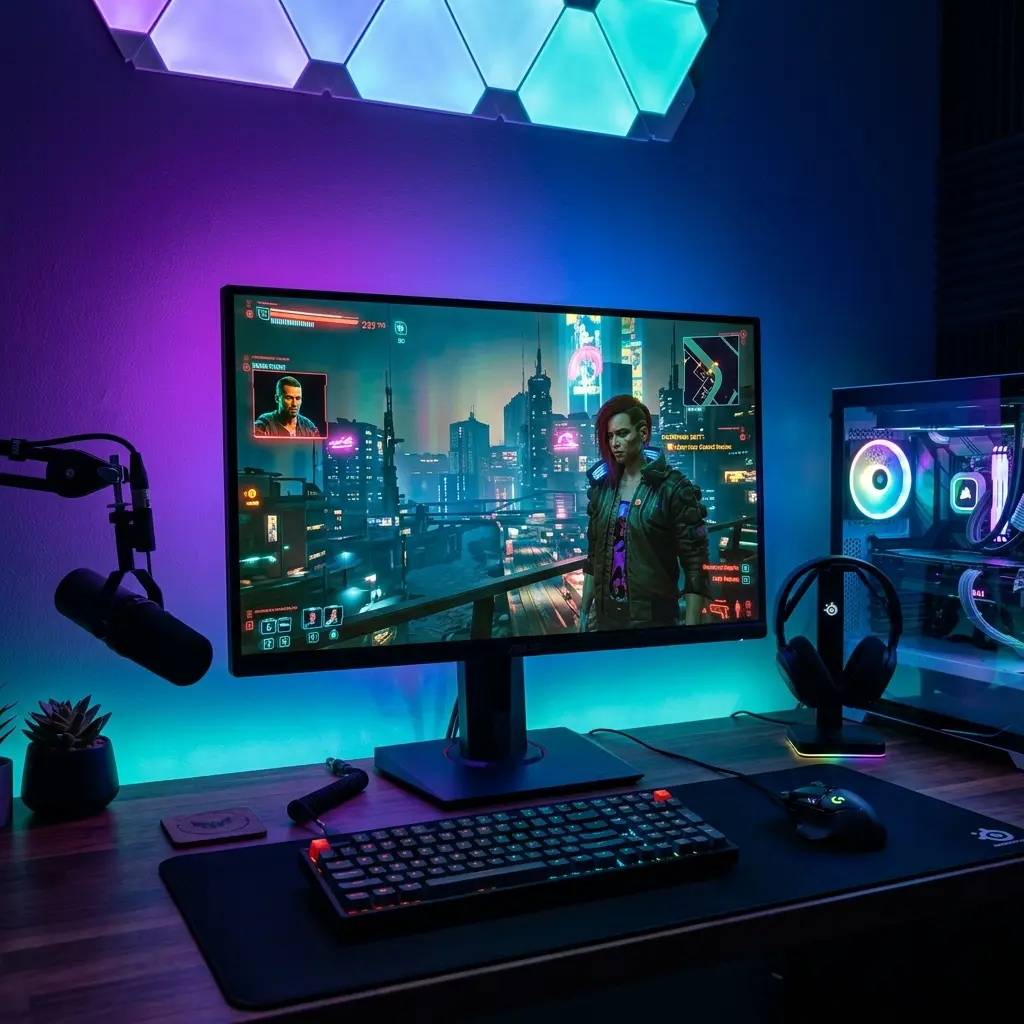
Professional eSports players benefit significantly from the precision and speed of 360Hz gaming monitors, providing a competitive edge.
Physical Aspects and Resolution
Most 360Hz monitors feature a Full HD (1920x1080) resolution, which is optimal for competitive gaming. This resolution allows for high frame rates without sacrificing clarity.
Performance and Technology
Utilization of NVIDIA G-SYNC or AMD FreeSync technology ensures smoother gameplay by synchronizing the monitor's refresh rate with the GPU. This results in reduced screen tearing and input lag, crucial for fast-paced gaming.
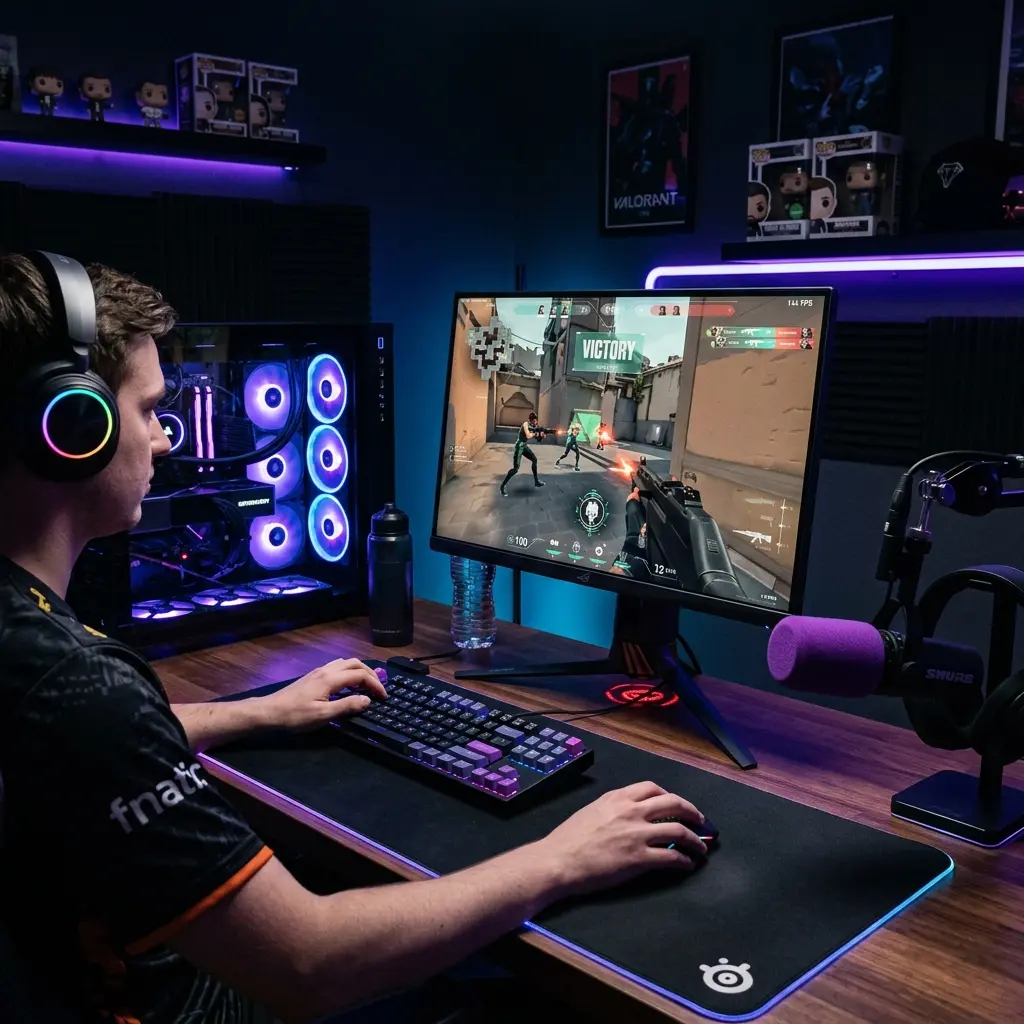
Ergonomics and Visual Comfort
Adjustable stands and VESA compatibility improve ergonomics, allowing for customized viewing angles. Anti-glare screens reduce eye strain during extended gaming sessions.
| Model | Resolution | Refresh Rate | Response Time | Panel Type |
|---|---|---|---|---|
| ASUS ROG Swift PG259QN | 1920x1080 | 360Hz | 1ms | IPS |
| Alienware AW2521H | 2560x1440 | 360Hz | 1ms | IPS |
| Samsung Odyssey G7 | 2560x1440 | 240Hz | 1ms | VA |
Materials and Durability
High-quality plastics and metal components enhance the durability of 360Hz monitors. Premium models often feature reinforced screens to withstand daily use in competitive environments.
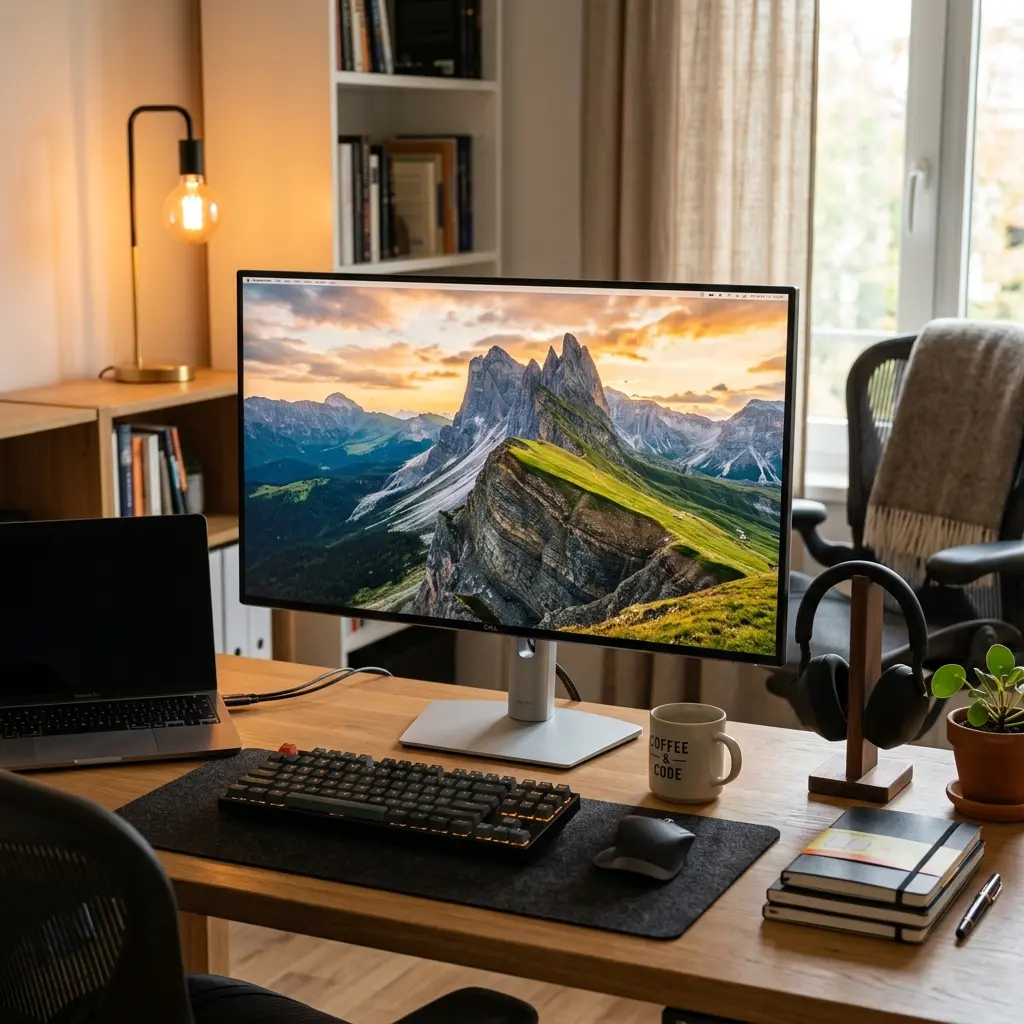
DomineTec Tip: Position monitors at eye level and maintain a distance of about an arm's length to optimize comfort and reduce eye strain.
Buying Recommendations and Brands
Leading brands in the 360Hz market include ASUS, Alienware, and Samsung, each offering unique features and specifications. Focus on models that meet individual gaming needs and preferences.
- Determine the ideal screen size, typically between 24 to 27 inches for optimal viewing.
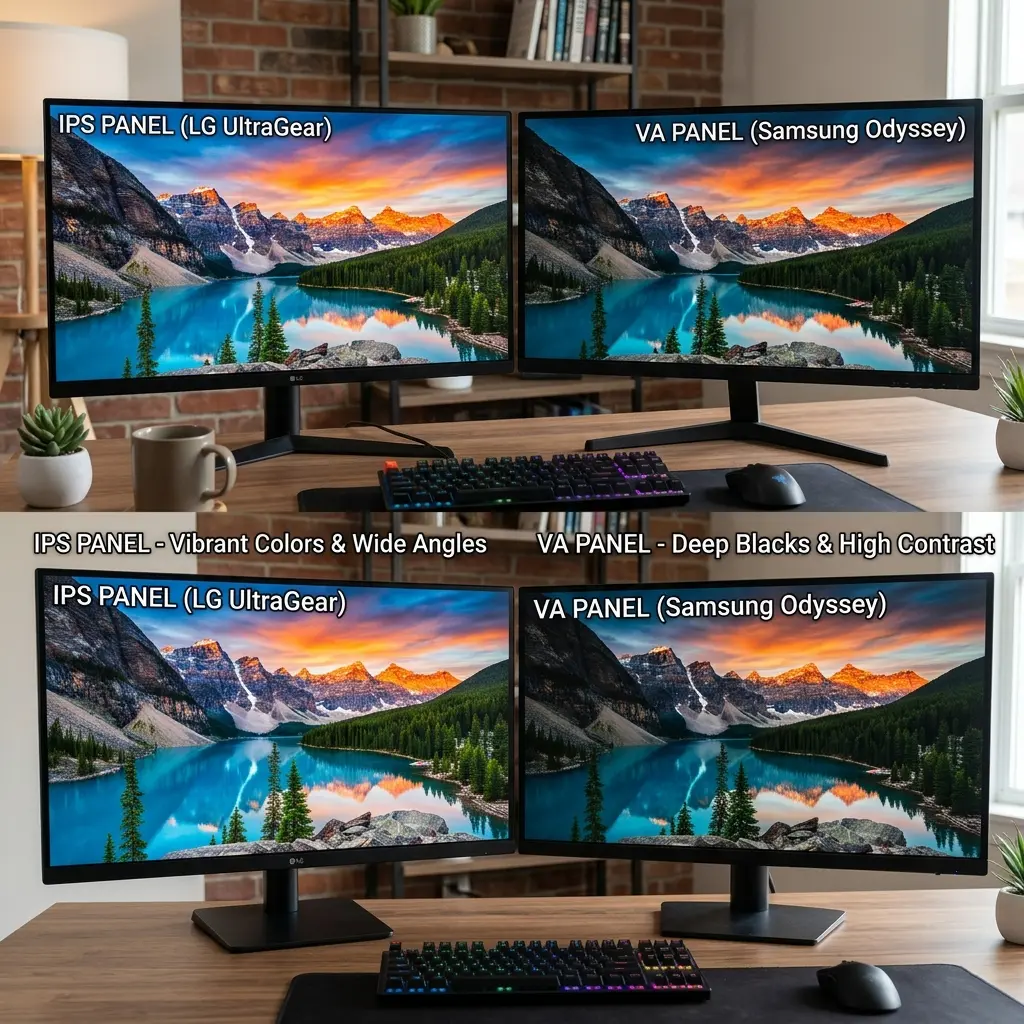
- Evaluate the panel technology, with IPS favored for color accuracy and VA for better contrast.
- Check for adaptive sync technologies like G-SYNC or FreeSync.
- Look for additional features such as customizable RGB lighting or programmable settings.
- Read user reviews and consider warranty options for long-term use.
Value Analysis and Verdict
Investing in a 360Hz monitor can significantly enhance gaming performance, especially in competitive settings. Balancing price, features, and brand reputation will lead to the best choice.
For those looking to further enhance their setup, it is essential to choose mechanical keyboard switches that complement the monitor's speed, as well as consider a clean productivity desk setup to maximize workspace efficiency.
Color Accuracy and Calibration
Color accuracy is crucial for professional eSports players, as it affects in-game visibility and overall experience. Monitors with high color fidelity ensure that colors are represented correctly, which can be critical in fast-paced games where visual details matter.
Many 360Hz gaming monitors support wide color gamuts, such as Adobe RGB or DCI-P3, allowing for a broader range of colors to be displayed. Calibration tools and software are often included or compatible with these monitors to enhance accuracy even further.
Players should consider monitors with factory calibration, which guarantees that the display is ready for use out of the box. Post-purchase calibration can also help achieve finer adjustments tailored to specific gaming preferences or ambient lighting conditions.
Additionally, regular recalibration is recommended to maintain color accuracy over time, especially for monitors used extensively in competitive settings. This ensures consistent performance and helps gamers make split-second decisions based on accurate visuals.
Input Lag and Response Time
Input lag and response time are critical specifications for competitive gaming, affecting how quickly actions are reflected on-screen. Monitors with low input lag provide a more responsive gaming experience, allowing players to react faster to in-game events.
Response time, measured in milliseconds (ms), indicates how quickly a pixel can change from one color to another. A lower response time reduces motion blur and ghosting, which are especially problematic in high-speed games.
Professional players typically seek monitors with input lag below 5ms and response times of 1ms or less. This combination helps ensure that every keystroke or mouse movement is translated into on-screen action without noticeable delay.
Additionally, technologies like G-Sync and FreeSync can further minimize input lag by synchronizing the monitor's refresh rate with the graphics card's output. This prevents screen tearing and provides a smoother gaming experience, which is vital in competitive environments.
Connectivity Options and Compatibility
Connectivity options play a significant role in a monitor's usability, especially for eSports players who may use multiple devices. A monitor should ideally offer a variety of ports, including HDMI, DisplayPort, and USB connections, to accommodate different setups.
DisplayPort is generally preferred for high refresh rates and resolutions, while HDMI has improved significantly in recent years. Players should check for the latest standards, such as HDMI 2.1, which supports higher bandwidth and better performance for next-gen consoles and graphics cards.
In addition to video input options, USB hubs are valuable for connecting peripherals like gaming mice, keyboards, and webcams directly to the monitor. This reduces cable clutter and enhances overall convenience, particularly in competitive gaming setups.
Compatibility with various gaming systems, including PCs and consoles, is essential. Monitors that support adaptive sync technologies should be prioritized to ensure smooth gameplay across platforms, providing versatility for players who switch between different gaming environments.
Brand Reliability and Customer Support
Brand reliability is an important factor when investing in high-performance gaming monitors. Established brands often have a history of producing quality products and providing reliable customer support, which is essential for resolving any issues that may arise.
Customer support services, including warranty options and return policies, should also be considered. A good warranty can provide peace of mind, especially for high-end products that are expected to perform well over time.
Reviewing user feedback and independent assessments can give insights into a brand's reliability. Players should look for brands known for their responsiveness and effectiveness in addressing customer concerns, as this can significantly impact the overall ownership experience.
Additionally, some brands offer extended service plans or on-site support for professional players, which can be invaluable during critical gaming events. This level of service can make a significant difference in maintaining performance and addressing any technical issues quickly.
Adaptive Sync Technologies
Adaptive sync technologies, such as NVIDIA G-Sync and AMD FreeSync, are vital for minimizing visual artifacts during gameplay. These technologies work by synchronizing the monitor's refresh rate with the graphics card's frame rate, resulting in smoother visuals and reduced screen tearing.
For competitive gamers, the choice between G-Sync and FreeSync may depend on their graphics card preference. G-Sync tends to be more expensive due to its proprietary hardware, while FreeSync is often more accessible and widely supported across various hardware platforms.
Some monitors support both technologies, allowing players flexibility in their hardware choices without sacrificing performance. This compatibility can be particularly beneficial in mixed-setup environments where players may switch between different GPUs.
It’s advisable to check for certification levels, as some displays may only support certain features of these technologies. Choosing a monitor with full support for adaptive sync can enhance the overall gaming experience and reduce strain during long gaming sessions.
Gaming-Specific Features
Gaming-specific features can significantly enhance the gameplay experience for eSports professionals. Features such as customizable crosshairs, frame rate counters, and built-in timers can provide a competitive edge in fast-paced environments.
Some monitors come equipped with game modes that optimize settings for different genres, adjusting parameters like brightness, contrast, and color profiles. These presets allow players to switch quickly between configurations tailored to specific games or scenarios.
Additionally, some models offer features like low blue light and flicker-free technology, which help reduce eye strain during extended gaming sessions. This is particularly beneficial for professional players who often practice for hours at a time.
Players should also consider monitors with advanced motion blur reduction technologies, which can enhance clarity during fast-moving scenes. This feature is particularly useful in competitive gaming, where split-second decisions can determine the outcome of a match.
Future-Proofing Considerations
Future-proofing is an essential consideration when investing in a gaming monitor, especially for eSports players who want to stay competitive. As gaming technology evolves, monitors that support higher resolutions and refresh rates can ensure longevity in a rapidly changing landscape.
Choosing a monitor with features like HDMI 2.1 or DisplayPort 2.0 can provide compatibility with next-generation consoles and graphics cards, allowing players to take full advantage of advancements in gaming technology.
Additionally, monitors that incorporate emerging technologies such as mini-LED backlighting or OLED displays can enhance visual performance and offer better contrast ratios. These technologies are becoming more common and can greatly improve the overall gaming experience.
Investing in a monitor that can adapt to future gaming demands will help players maintain a competitive edge. Continuous evaluation of market trends and technological advancements can aid in selecting a monitor that remains relevant for years to come.
Brightness and Contrast Performance
Brightness and contrast are critical factors influencing an immersive gaming experience, particularly for eSports players who require optimal visibility in various lighting conditions.
Monitors with high brightness levels, typically above 300 nits, can enhance gameplay by ensuring that details remain visible even in brightly lit environments.
Moreover, a strong contrast ratio allows for deeper blacks and more vibrant colors, which can improve the identification of opponents and environmental cues in competitive gaming.
When considering a 360Hz monitor, it's essential to evaluate both peak brightness and static contrast ratio to ensure that the display performs well in diverse gaming settings.
Panel Technology and Its Impact on Gaming
The type of panel technology used in a monitor significantly affects color reproduction, viewing angles, and overall gaming performance.
IPS (In-Plane Switching) panels are favored for their superior color accuracy and wider viewing angles compared to TN (Twisted Nematic) panels, which are traditionally faster but lack in color fidelity.
VA (Vertical Alignment) panels strike a balance, offering better contrast ratios than IPS while having slower response times than TN, making them less ideal for fast-paced gaming.
Understanding these distinctions is crucial for eSports players aiming to select a 360Hz monitor that aligns with their gaming style and visual preferences.
Environmental Considerations for Monitor Usage
As gaming becomes more integral to professional eSports, the environmental impact of monitor production and disposal is gaining attention.
Choosing monitors with energy-efficient certifications helps reduce power consumption, which is especially relevant for players who spend long hours gaming.
Additionally, some manufacturers are adopting sustainable practices in production, using recyclable materials and reducing harmful chemicals in their displays.
Being mindful of these environmental factors can not only enhance the gaming experience but also contribute to a more sustainable future for the gaming industry.
Advanced Color Depth and HDR Support
As gaming technology evolves, the importance of advanced color depth and High Dynamic Range (HDR) support in 360Hz monitors has become increasingly significant for professional eSports players. Monitors with higher color depth, such as 10-bit panels, can display over a billion colors, providing more nuanced and vibrant visuals that enhance the overall gaming experience.
HDR support allows for increased contrast ratios, enabling players to see details in both dark and bright areas of the game. This is crucial in competitive gaming where visibility can make the difference between winning and losing. Monitors that support HDR can significantly enhance in-game environments, making them more immersive and realistic.
Many modern 360Hz monitors come with various HDR certifications, such as DisplayHDR 400, 600, or even 1000, indicating the level of brightness and color accuracy they can achieve. Players should consider monitors with higher HDR certifications for an optimal visual experience, as they can provide stunning visuals that enhance gameplay.
Furthermore, advanced color calibration tools are often integrated into high-end monitors, allowing players to customize color profiles and ensure that the monitor displays colors as intended by game developers. This level of precision can lead to improved performance, as players can better discern enemy movements and environmental cues during gameplay.
Multi-Monitor Setup Considerations
For professional eSports players, a multi-monitor setup can enhance productivity and streamline gameplay. Utilizing multiple 360Hz monitors provides a broader field of view, allowing players to track opponents and navigate complex game environments more effectively. However, the benefits come with a set of considerations that need to be addressed.
One of the primary factors to consider is the monitor bezels. In a multi-monitor setup, the bezels can create visual interruptions that may distract players. Choosing monitors with thinner bezels or designing a setup that minimizes these interruptions can lead to a more seamless gaming experience.
Moreover, the alignment and height of multiple monitors can significantly impact comfort and performance. It is essential to ensure that all monitors are calibrated to the same height and angle to avoid neck strain and to maintain visual consistency across displays. This setup can require additional space, so players should evaluate their gaming area before investing in multiple monitors.
Finally, the graphics card capabilities play a critical role in supporting a multi-monitor setup. Players should ensure that their hardware can handle the increased resolution and refresh rates when running multiple monitors simultaneously. Investing in a powerful GPU can yield better performance and visual clarity across all screens, ensuring that players have the best experience possible during competitive play.
Frequently Asked Questions
What is the benefit of a 360Hz monitor?
A 360Hz monitor offers smoother visuals and reduced input lag, enhancing responsiveness in fast-paced gaming scenarios.
Are 360Hz monitors worth the investment?
For professional eSports players, the investment is justified by the competitive advantage gained from higher refresh rates.
Can 360Hz monitors work with lower-end GPUs?
While they can function, the full potential is realized only when paired with high-performance GPUs capable of delivering high frame rates.
What panel type is best for gaming?
IPS panels offer superior color accuracy and viewing angles, while TN panels provide faster response times, making them preferable for competitive gaming.
How important is resolution for gaming monitors?
Resolution impacts visual clarity; however, for competitive gaming, refresh rate often takes precedence over higher resolutions.




