Akko CS Jelly White vs Jelly Black: Light vs Heavy Linear Switches
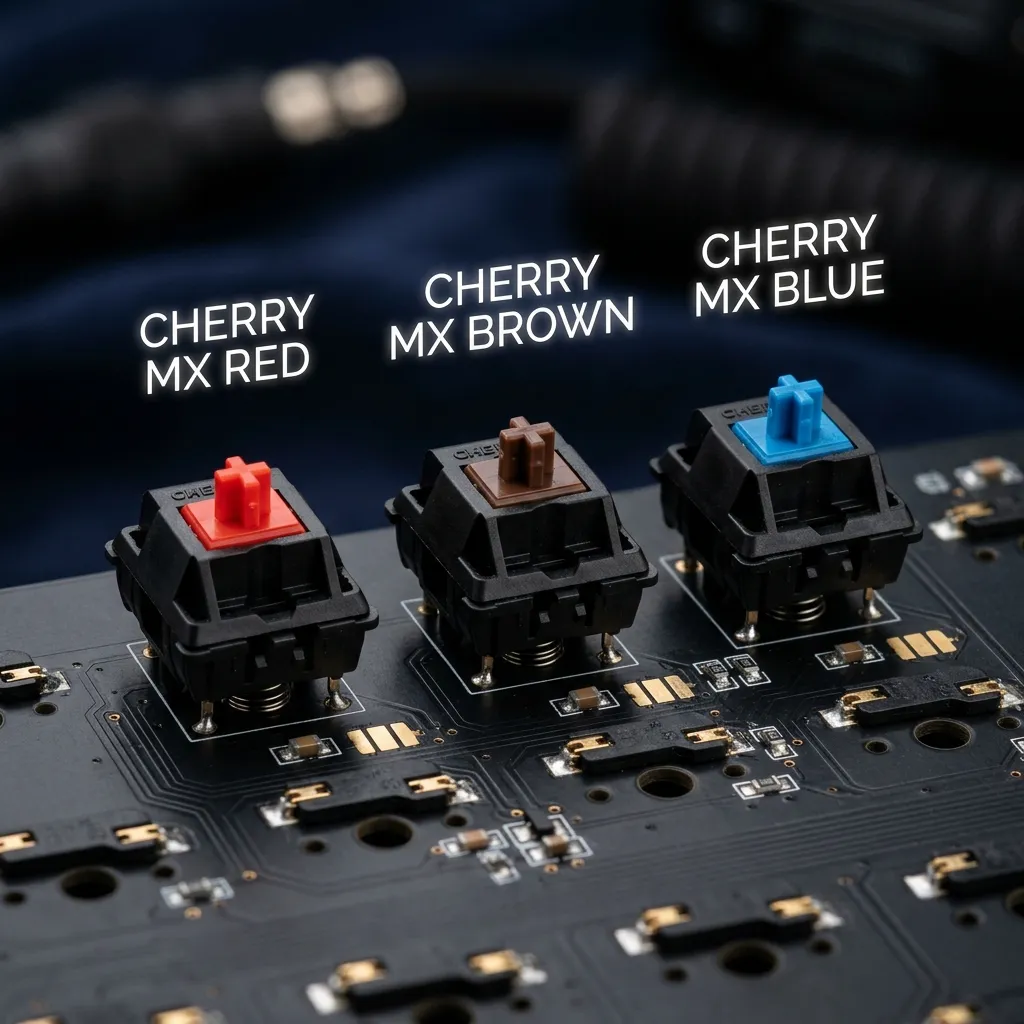
The Akko CS Jelly White and Jelly Black linear switches cater to different preferences in tactile feedback and actuation force.
Ergonomics of the Akko CS Jelly White
The Jelly White switches feature a lighter actuation force of approximately 45g, promoting faster key presses and reduced finger fatigue during extended typing sessions.
Its smooth linear motion helps in minimizing the strain on the fingers, making it an excellent choice for typists and gamers alike.
Ergonomics of the Akko CS Jelly Black
In contrast, the Jelly Black switches require a heavier actuation force of about 60g, which can enhance typing accuracy by providing a more deliberate keypress experience.
This additional resistance may lead to increased fatigue over long typing sessions, making it less suitable for users who prioritize speed and efficiency.
Performance Comparison
Both switches are rated for 50 million keystrokes, ensuring durability and reliability under heavy usage conditions.
The linear nature of both switches allows for consistent performance without tactile bumps, appealing to users who prefer a smooth typing experience.
Materials and Manufacturing
The Akko CS Jelly White switches utilize high-quality polycarbonate for the housing, contributing to a more refined and stable structure.
Conversely, Jelly Black switches are crafted with a similar polycarbonate housing but utilize a different spring material, affecting the force required for actuation.
Design and Aesthetics
Both switches feature translucent housings, allowing RGB lighting effects to shine through, enhancing visual appeal during use.
However, the distinct color coding of Jelly White and Jelly Black switches can influence the overall aesthetics of a keyboard setup, catering to different user preferences.
| Feature | Akko CS Jelly White | Akko CS Jelly Black |
|---|---|---|
| Actuation Force | 45g | 60g |
| Travel Distance | 4mm | 4mm |
| Switch Type | Linear | Linear |
| Durability | 50 million keystrokes | 50 million keystrokes |
| Housing Material | Polycarbonate | Polycarbonate |
DomineTec Tip: For optimal ergonomics, consider using a wrist rest to support your forearms while typing, especially with heavier switches.
- Assess personal typing style to determine which switch type aligns with preferences.
- Test both switches in-store or through a switch tester for a hands-on experience.
- Consider overall keyboard layout and design to ensure compatibility with desired switches.
- Evaluate the ergonomic setup, including chair height and monitor positioning, to complement switch choice.
- Research potential mods or lubricants for desired switch feel and sound profile.
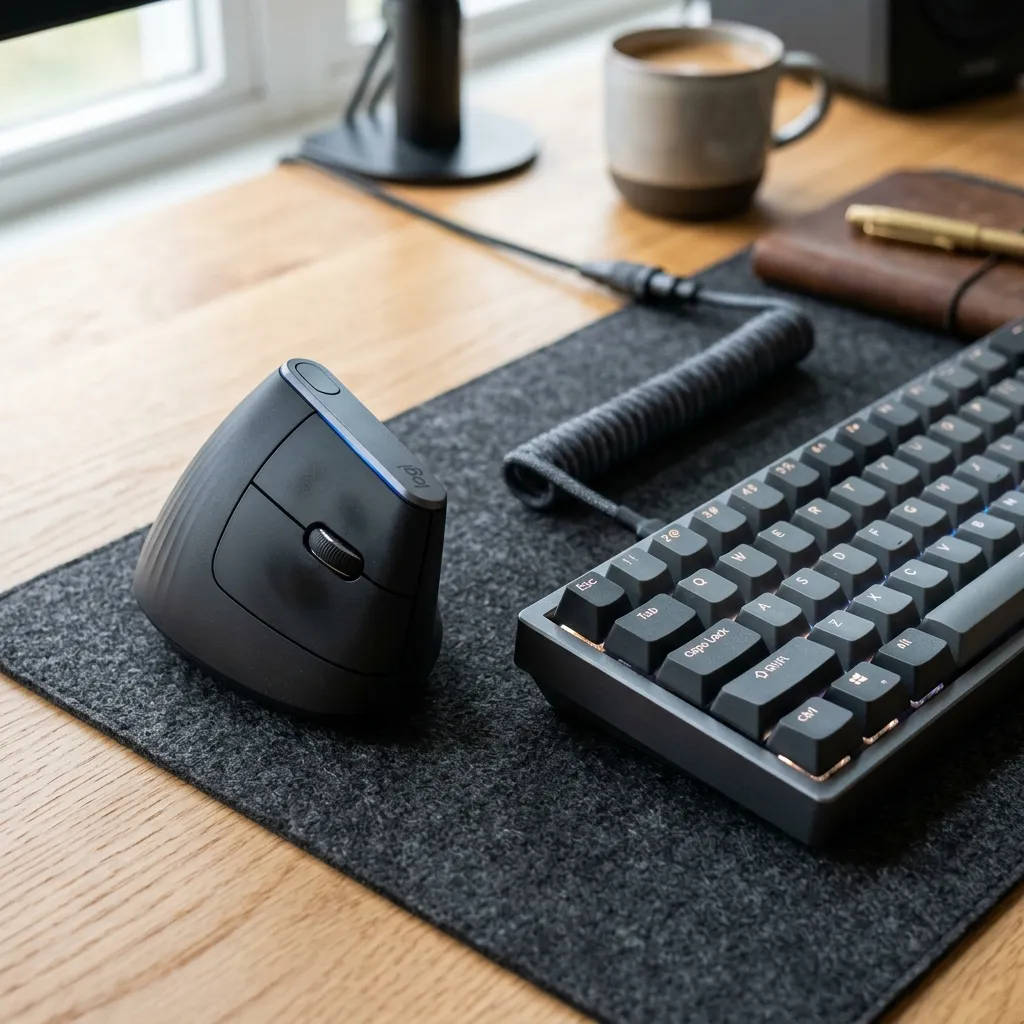

For further insights, explore our guide on how to create a clean productivity desk setup or compare different switch types in our mechanical keyboard switches comparison guide.
Sound Profile Analysis
The sound profile of a mechanical switch greatly influences the typing experience. The Akko CS Jelly White switches produce a higher-pitched sound due to their lighter actuation force, making them suitable for users who prefer more audible feedback during typing.
In contrast, the Akko CS Jelly Black switches emit a deeper, more muted sound. This characteristic is often preferred by users who want a quieter typing environment, such as in office settings or shared spaces.
Both switches exhibit a distinct sound signature, influenced by their materials and construction. The Jelly White switches may generate a more pronounced "click" at the actuation point, while the Jelly Black switches provide a smoother, more subdued sound.
Users may consider the sound profile alongside tactile feedback when selecting a switch, as it can significantly affect the overall typing satisfaction and experience.
Switch Durability and Longevity
Durability is a crucial factor when evaluating mechanical switches. The Akko CS Jelly switches are rated for a lifespan of approximately 50 million keystrokes, ensuring longevity for daily use.
Factors such as materials used in the switch construction and the quality of manufacturing processes are essential in determining durability. Both Jelly White and Jelly Black switches are designed with robust components that resist wear over time.
Regular maintenance, such as cleaning and proper keycap installation, can also contribute to the longevity of these switches. Users are encouraged to follow care guidelines to maximize the lifespan of their switches.
While both switches have similar durability ratings, individual user habits may impact their longevity, making it essential to consider personal usage patterns when choosing between the two.
Compatibility with Keyboards
Switch compatibility is an important consideration for users looking to customize their keyboards. The Akko CS Jelly switches are designed to be compatible with a wide range of PCBs, particularly those that support standard MX-style switches.
Users should check their keyboard's specifications to ensure compatibility before purchasing. The Jelly White and Jelly Black switches can be easily swapped in many hot-swappable keyboards, allowing for customization without soldering.
Additionally, the choice of switch may impact the overall feel and performance of the keyboard. Users should consider how the switch characteristics align with their typing style and preferences.
Switch mounting options, such as plate-mounted or PCB-mounted, can also influence the compatibility and feel of the switches. Users should ensure that their chosen switch fits their specific keyboard configuration.
Customizability and Aftermarket Options
Customizability is one of the appealing aspects of mechanical keyboards. Users can enhance their typing experience by pairing Akko CS Jelly switches with a variety of keycaps and accessories.
Keycap profiles, materials, and designs can significantly alter the feel and aesthetics of the keyboard. Users have the option to select keycap sets that match their personal style while ensuring compatibility with the switch type.
Aftermarket modifications, such as switch lubing and spring swapping, can further enhance the performance of the Jelly switches. These modifications can provide a smoother feel and alter the actuation characteristics.
Users interested in custom keyboards may also explore different plate materials and layouts, allowing for a more tailored typing experience that meets their specific needs and preferences.
Feedback and User Experience
User feedback plays a critical role in understanding the overall experience with mechanical switches. Many users report that the Akko CS Jelly White switches provide a satisfying tactile experience, particularly for fast typists.
Conversely, Jelly Black switch users often highlight the smoothness of the actuation, making them ideal for gaming scenarios where rapid key presses are essential.
Community forums and reviews indicate that individual preferences vary widely, with some users favoring a lighter touch while others prefer the heavier resistance of the Jelly Black switches.
Ultimately, user experience may also depend on factors such as typing technique, hand size, and personal preferences, highlighting the importance of trying out different switch types before making a decision.
Switch Technology and Engineering
Understanding the engineering behind the Akko CS Jelly switches provides insight into their performance characteristics. Both switches utilize a linear design, which means there is no tactile bump, allowing for smooth keypresses.
The internal components, including the spring and housing, are engineered to provide consistent performance across their lifespan. This consistency is crucial for users who rely on predictable key actions during typing or gaming.
Advancements in switch technology have also influenced the design of the Jelly switches, including enhancements in materials that reduce friction and improve the overall feel.
Such engineering innovations contribute to the appeal of these switches, making them suitable for various applications, from casual typing to competitive gaming scenarios.
Community and Support Resources
The mechanical keyboard community provides a wealth of resources for users interested in the Akko CS Jelly switches. Online forums and enthusiast groups often discuss their experiences, offering insights on customization and performance.
Users can find support resources, such as tutorials on switch modifications and keycap compatibility, which can enhance their understanding and usage of the Jelly switches.
Additionally, Akko often engages with its community through social media and events, allowing users to share feedback and suggestions for future products.
Participating in community discussions can also help users discover new techniques and setups, further enhancing their mechanical keyboard experience.
Key Features of Akko CS Jelly White and Jelly Black Switches
The Akko CS Jelly White and Jelly Black switches each offer unique features that cater to different typing preferences. The Jelly White switches are designed for those who prefer a lighter touch, making them ideal for fast typists and gamers. In contrast, the Jelly Black switches provide a heavier resistance, appealing to users who enjoy a more substantial feel under their fingers.
One of the standout features of the Jelly White switches is their lower actuation force, which typically ranges around 45g. This lighter force can lead to reduced finger fatigue during extended typing sessions. Conversely, the Jelly Black switches have a higher actuation force of approximately 60g, which can provide a satisfying tactile feedback that some users find preferable for typing accuracy.
Both switch types utilize a linear mechanism, which means they do not have a tactile bump or audible click, allowing for smooth key presses. This feature makes them suitable for environments where noise reduction is important, such as offices or shared workspaces. However, the feel of the key press varies significantly with the weight difference, influencing user experience.
Additionally, the Akko CS line is known for its consistency in manufacturing. Both switch types employ high-quality materials that contribute to their durability and overall performance. Users can expect a reliable experience with minimal variation between individual switches, which is an important consideration for keyboard enthusiasts.
Switch Installation and Maintenance
Installing the Akko CS Jelly switches is a straightforward process, especially for DIY enthusiasts. Both the Jelly White and Jelly Black switches are compatible with standard PCB-mounted keyboards, allowing for easy drop-in installation. Users typically appreciate the simplicity of swapping out switches without requiring extensive tools or modifications.
For those interested in maintaining their switches, regular cleaning is essential to ensure optimal performance. Dust and debris can accumulate over time, potentially affecting the smoothness and responsiveness of the switches. Users are encouraged to periodically remove and clean the keycaps, as well as the switches themselves, to maintain a pristine typing experience.
It's also worth noting that both switch types are relatively low-maintenance compared to other switch variants. Their linear nature means there are no complex mechanisms that can become worn out or fail, contributing to their longevity. For users who prefer to lubricate their switches for an even smoother action, both the Jelly White and Jelly Black switches can benefit from this process, though care must be taken to avoid over-lubrication.
Additionally, users can experiment with different keycap materials and profiles to further customize their typing experience. This option allows for personal preference in terms of feel and aesthetics, enhancing the overall satisfaction with the keyboard setup.
Market Position and Competitive Analysis
The Akko CS Jelly White and Jelly Black switches occupy a unique position in the mechanical keyboard market. They cater to a growing demographic of gamers and typists who seek high-quality, budget-friendly options without compromising on performance. Their competitive pricing makes them an attractive choice amidst a sea of premium switch offerings.
Compared to other popular linear switches, such as Cherry MX or Gateron, Akko CS switches often provide a more affordable alternative while maintaining a comparable level of quality. This balance of cost and performance allows more users to access premium-feeling switches without breaking the bank.
In terms of community feedback, both Jelly White and Jelly Black switches have garnered positive reviews for their performance and reliability. Users often highlight their smooth key presses and satisfying feel, which has contributed to a loyal following among keyboard enthusiasts. This grassroots support helps bolster Akko's reputation in an increasingly competitive market.
As mechanical keyboards continue to gain popularity, the demand for diverse switch options is on the rise. Akko's commitment to innovation and quality positions them well to capture a significant share of this market. By consistently releasing new products and actively engaging with the community, Akko is poised to remain a key player in the mechanical keyboard landscape.
Switch Actuation and Response Time
The actuation point of a switch significantly influences the typing experience, and both the Akko CS Jelly White and Jelly Black switches exhibit unique characteristics in this regard.
The Jelly White switches feature an actuation point of 1.9mm, which allows for responsive feedback that many typists and gamers appreciate.
In contrast, the Jelly Black switches have a slightly deeper actuation at 2.0mm, providing a more deliberate keystroke that can reduce accidental presses during intense gaming sessions.
Understanding the nuances of these actuation points can help users select the switch that best fits their typing style and usage scenarios, whether for gaming or productivity.
Environmental Impact and Sustainability
As the keyboard market grows, the environmental impact of switch manufacturing and disposal becomes increasingly important.
Akko has taken steps to ensure that both the CS Jelly White and Jelly Black switches are produced with sustainable practices, aiming to minimize waste during manufacturing.
The materials used in these switches are designed to be durable, which not only extends their lifespan but also reduces the frequency of replacements, further lessening environmental impact.
Consumers are encouraged to consider the sustainability aspects of their keyboard choices, as opting for durable switches contributes to a reduction in electronic waste over time.
Frequently Asked Questions
What are the primary differences between Jelly White and Jelly Black switches?
The main differences lie in actuation force and user experience, with Jelly White being lighter and Jelly Black offering a heavier feel.
Which switch is better for gaming?
Jelly White switches may be preferred for gaming due to their lighter actuation, allowing for quicker reactions.
Are both switches compatible with all mechanical keyboards?
Both switches fit standard MX-style switch housings, making them compatible with most mechanical keyboards.
Can the switches be modified for sound and feel?
Yes, both switches can be modified with lubricants and other modifications to enhance their performance and acoustic properties.
How do the switches perform under heavy usage?
Both switches are rated for 50 million keystrokes, ensuring durability even with extensive use.