Akko CS Jelly White: Do Ultra-Light Switches Cause Accidental Key Presses?
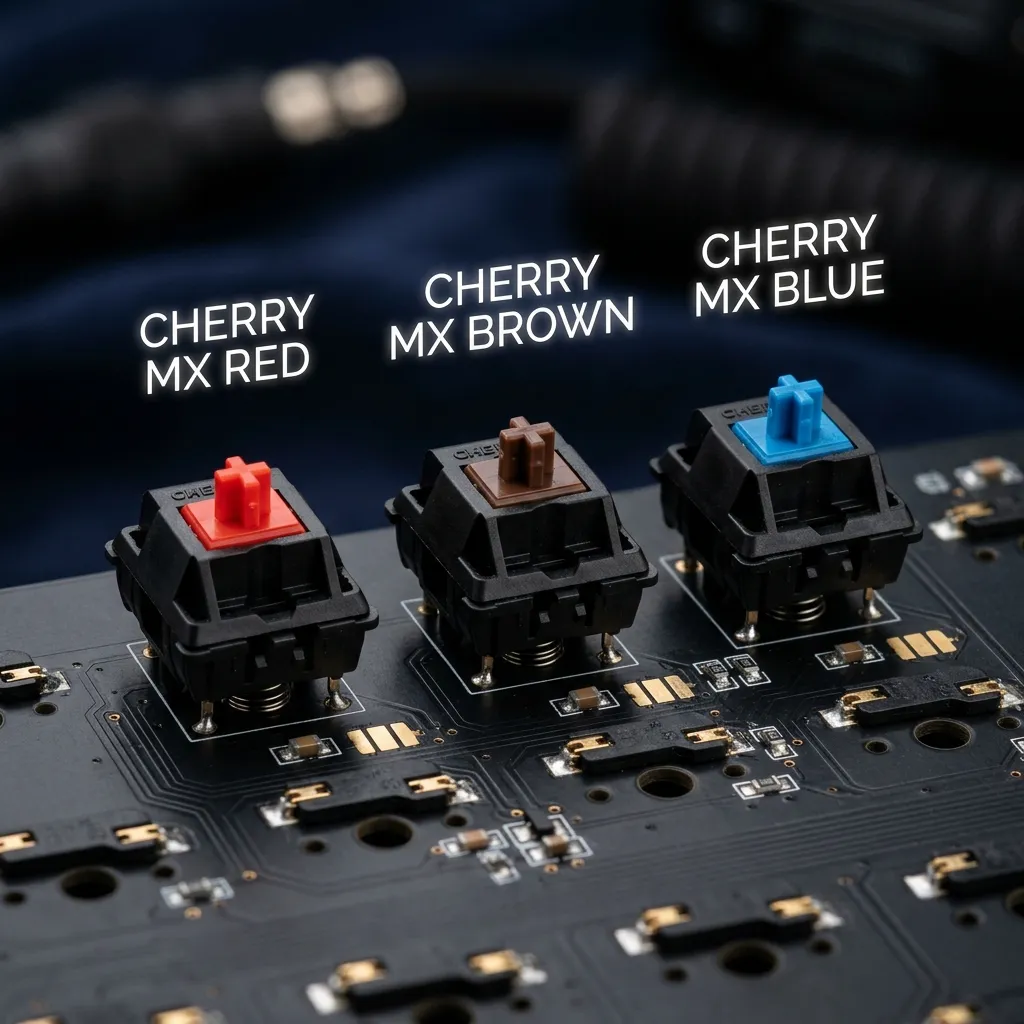
Ultra-light switches like the Akko CS Jelly White can lead to accidental key presses, especially without proper typing technique.
Ergonomics of Ultra-Light Switches
Ultra-light switches, such as the Akko CS Jelly White, provide minimal resistance, which can enhance typing speed for experienced users.
However, this reduced resistance may cause strain over prolonged use, necessitating careful consideration of typing habits.
Performance Metrics
The Akko CS Jelly White features a linear switch with an actuation force of just 45g, promoting quick response times.
This rapid actuation can be beneficial in fast-paced gaming scenarios but may result in unintentional key presses during regular typing tasks.
Material Composition
Manufactured from durable plastic, the Akko CS Jelly White switches are designed to withstand extensive use without significant wear.
The materials used contribute to the overall aesthetics and tactile feedback, which can influence user experience significantly.
Design and Aesthetics
The translucent housing of the Akko CS Jelly White enhances RGB lighting effects, making them visually appealing for custom setups.
This design feature also plays a role in how the switch feels during use, potentially affecting comfort and typing accuracy.
Comparative Analysis of Switches
| Switch Model | Actuation Force | Travel Distance | Type | Accidental Press Tendency |
|---|---|---|---|---|
| Akko CS Jelly White | 45g | 3.6mm | Linear | High |
| Cherry MX Red | 45g | 4.0mm | Linear | Medium |
| Gateron Brown | 55g | 4.0mm | Tactile | Low |
DomineTec Tip: To minimize accidental key presses, practice a light touch technique when typing.
- Evaluate your typing speed and accuracy regularly.
- Experiment with different switch types to find the best fit.
- Adjust your keyboard's angle to enhance wrist comfort.
- Consider using a wrist rest to promote proper ergonomics.
- Regularly take breaks to alleviate hand strain.
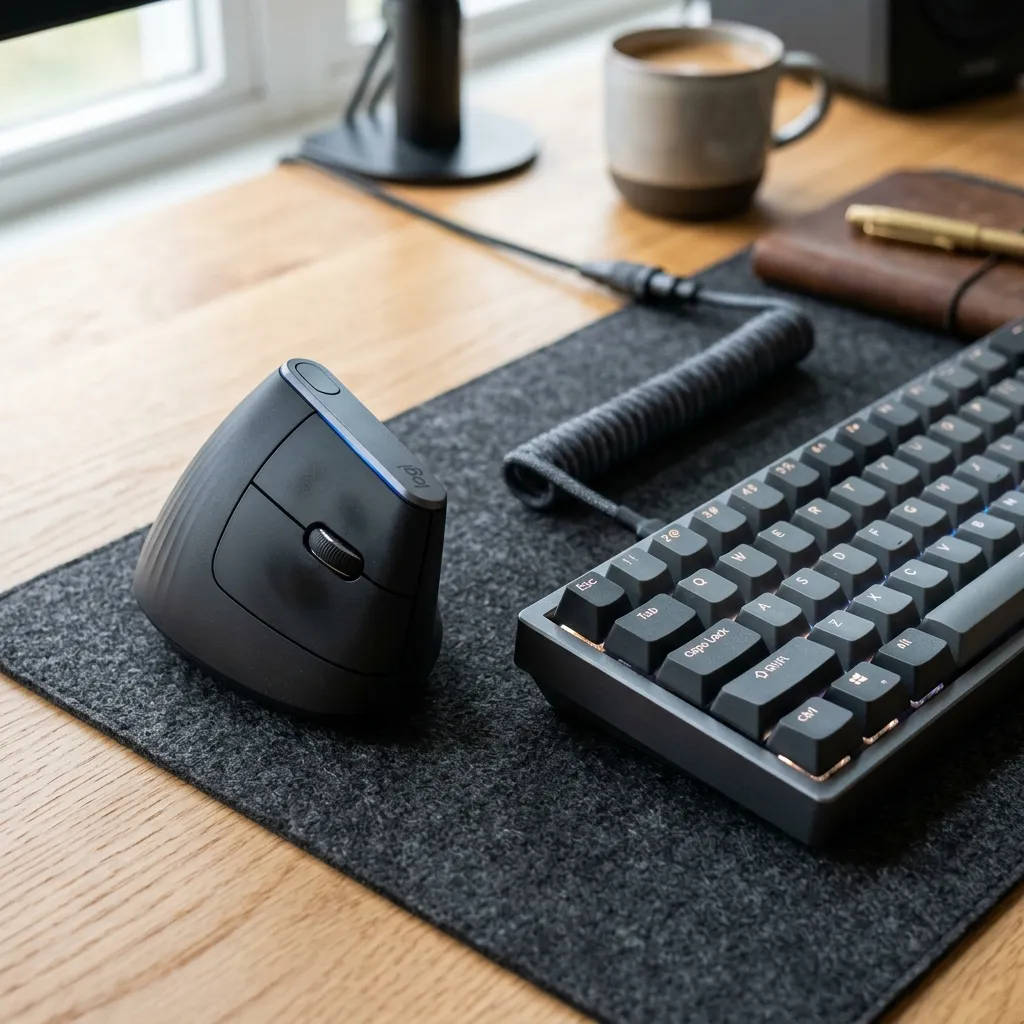

For more insights on selecting the right components, check out our mechanical keyboard switches comparison guide.
Additionally, explore options for an ergonomic office chair to improve overall comfort.
Durability and Longevity of Ultra-Light Switches
Ultra-light switches, such as those found in the Akko CS Jelly White, exhibit varying degrees of durability based on their design and materials.
Switches are typically rated for a specific number of key presses, often ranging from 50 million to over 100 million, depending on the manufacturer.
Factors that contribute to durability include the type of metal used for the spring and the quality of the plastic housing.
Regular maintenance and cleaning can also prolong the lifespan of these switches, ensuring consistent performance over time.
Impact on Typing Speed and Accuracy
The design of ultra-light switches can significantly affect both typing speed and accuracy among users.
Due to their lighter actuation force, users may achieve faster typing speeds, particularly in touch-typing scenarios.
However, the reduced resistance may lead to unintentional key presses, which can negatively impact overall typing accuracy.
Users must find a balance between speed and precision to maximize the benefits of ultra-light switches.
Customization Options for Ultra-Light Switches
Many keyboard enthusiasts appreciate the customization capabilities available with ultra-light switches.
Options include different keycap profiles, switch lubing, and even swapping out switches for different actuation characteristics.
Customization can enhance the tactile feedback and sound profile of the keyboard, tailoring it to individual preferences.
However, users should remain mindful of how these modifications can alter the original performance metrics of the switches.
Noise Levels Associated with Ultra-Light Switches
Noise levels produced by ultra-light switches are an important consideration for both gamers and office users.
Switches can vary greatly in sound profile, with some being designed for quiet operation while others have a more pronounced click.
The Akko CS Jelly White, for example, offers a balance of tactile feedback and moderate noise, appealing to a wide range of users.
Understanding the sound characteristics of switches can help users select a keyboard that fits their environment and usage scenarios.
Switch Compatibility and Interchangeability
Compatibility is a critical factor when considering ultra-light switches for custom keyboard builds.
Many switches utilize different mounting styles, such as plate-mounted or PCB-mounted, affecting their interchangeability.
Users should also consider the layout of their keyboard and the types of switches that can easily be swapped without extensive modifications.
Researching compatibility ensures a smoother transition when upgrading or replacing switches in a keyboard setup.
Effects of Temperature and Humidity on Switch Performance
Environmental factors like temperature and humidity can impact the performance of ultra-light switches over time.
Extreme temperatures can affect the elasticity of the switch's spring, potentially altering actuation force and responsiveness.
High humidity levels may lead to moisture accumulation, which can damage electrical components and affect switch longevity.
Users should be mindful of their environment to maintain optimal switch functionality and performance.
Community Feedback and User Experiences
The community surrounding mechanical keyboards plays a vital role in shaping perceptions of ultra-light switches like the Akko CS Jelly White.
User reviews, forums, and social media platforms provide valuable insights into real-world experiences with these switches.
Feedback often highlights the balance between performance and the potential for accidental key presses, leading to ongoing discussions about usability.
Engaging with the community can help users make informed decisions based on shared experiences and recommendations.
Maintenance and Care of Ultra-Light Switches
Proper maintenance is essential to ensure the longevity and optimal performance of ultra-light switches like the Akko CS Jelly White.
Regular cleaning can prevent dust and debris from accumulating within the switch mechanism, which can lead to performance degradation over time.
Users are encouraged to use compressed air or a soft brush to clear any particles without damaging the delicate components.
Additionally, periodic lubrication can enhance the feel and responsiveness of the switches, though it should be done carefully to avoid excess buildup.
Switch Actuation and Feedback Mechanisms
The actuation mechanism of ultra-light switches significantly influences user experience and typing feel.
These switches often provide tactile feedback that can vary in intensity, which is crucial for users who rely on tactile cues during typing.
Understanding the feedback mechanisms can help users select the most suitable switch type for their typing style and preferences.
Variations in actuation force and travel distance also play a role in determining how accidental key presses might occur in ultra-light switches.
Impact of Keycap Design on Switch Performance
Keycap design can significantly affect the performance and user experience of ultra-light switches.
Different shapes, heights, and materials can alter how a user engages with the switch, potentially reducing or increasing the likelihood of accidental presses.
It is essential to consider the compatibility of keycap profiles with ultra-light switches to ensure optimal performance.
Users should experiment with various keycap designs to find the best combination for their typing habits.
Applications and Use Cases for Ultra-Light Switches
Ultra-light switches, such as the Akko CS Jelly White, can be beneficial for various applications, including gaming and typing-intensive tasks.
The reduced actuation force can enhance reaction times in gaming scenarios, providing a competitive edge.
On the other hand, for long typing sessions, the lighter switches may help reduce finger fatigue.
Users should evaluate their specific needs to determine if the characteristics of ultra-light switches align with their intended applications.
Future Trends in Switch Technology
The mechanical keyboard industry is continuously evolving, and future trends may significantly impact ultra-light switch designs.
Emerging technologies, like smart switches with integrated sensors, could provide enhanced feedback and customization options.
Furthermore, advancements in materials may lead to more durable and responsive switches that maintain a lightweight feel.
Staying informed about these trends can help users make educated decisions about their keyboard setups in the future.
Adaptability for Different User Needs
Ultra-light switches can cater to a wide range of user preferences, making them a versatile choice for various applications.
Gamers often appreciate the rapid actuation and minimal resistance, which can contribute to faster response times in competitive scenarios.
Conversely, typists may find that the ultra-light mechanism complements their need for a smooth and effortless typing experience.
This adaptability enables users to select switches that best align with their specific activities, whether gaming or professional writing.
The customization options available with ultra-light switches further enhance their adaptability, allowing users to mix and match based on personal preferences.
Impact on Gaming Performance
In competitive gaming, the performance of ultra-light switches can significantly influence overall gameplay effectiveness.
Many gamers prefer switches that actuate with minimal force, allowing for quicker inputs and reducing the likelihood of missed keystrokes.
The speed at which these switches operate means that players can execute commands with greater agility, which is particularly beneficial in fast-paced environments.
However, the risk of accidental key presses due to the ultra-light actuation force should not be overlooked.
Gamers may need to adjust their play style or keyboard layout to minimize these occurrences, ensuring that they do not inadvertently trigger actions during intense gameplay.
Environmental Considerations in Switch Manufacturing
The production of ultra-light switches raises various environmental concerns that merit attention.
The materials used in switch construction, along with manufacturing processes, can contribute to ecological footprints that are not always considered by consumers.
Many manufacturers are increasingly adopting sustainable practices to mitigate environmental impacts, such as using recyclable materials or reducing waste during production.
This shift is essential for consumers who prioritize eco-friendly products in their purchasing decisions.
Additionally, the longevity of ultra-light switches plays a role in their environmental impact.
Durable switches that last longer can reduce the need for frequent replacements, thereby decreasing waste and resource consumption associated with manufacturing new switches.
Calibration Techniques for Ultra-Light Switches
Calibration techniques play a crucial role in optimizing the performance of ultra-light switches, especially in reducing the occurrence of accidental key presses.
Users often overlook the importance of calibrating their switches to suit their typing style and preferences.
One common method involves adjusting the actuation point through firmware settings, if supported by the keyboard.
This allows users to tailor the sensitivity of the switches, potentially mitigating issues related to unintended activations.
Educational Resources and Tutorials for Users
As ultra-light switches gain popularity, educational resources and tutorials have emerged to assist users in maximizing their benefits.
These resources often cover a range of topics, from basic understanding to advanced customization techniques.
Online forums and communities present a wealth of information, including video tutorials that demonstrate how to disassemble and modify switches.
Engaging with these resources can significantly enhance a user's understanding of their keyboard and the nuances of ultra-light switches.
Switch Actuation Force: Understanding User Preferences
The actuation force of a switch is a critical factor influencing user preference and overall typing experience.
Ultra-light switches typically require less force to register a keypress, making them appealing for users who prioritize speed and efficiency.
However, this lower actuation force can lead to unintentional key presses, particularly for users who are not accustomed to such sensitivity.
It is essential to consider how this sensitivity aligns with individual typing styles and habits, as some users may benefit from a slightly heavier switch to reduce accidental inputs.
Long-Term User Adaptation to Ultra-Light Switches
Adapting to ultra-light switches can take time, especially for users transitioning from heavier switch types.
Initial experiences may include a higher frequency of accidental key presses, leading to frustration and decreased typing efficiency.
However, studies suggest that with consistent use, many users gradually adjust to the lighter actuation forces.
This adaptation can enhance typing speed and accuracy over time, as users become more familiar with the nuances of the switch's responsiveness.
Key Press Sensitivity Calibration Techniques
Key press sensitivity calibration is essential for optimizing the performance of ultra-light switches like the Akko CS Jelly White. This process involves adjusting the actuation force and travel distance to match user preferences and minimize accidental key presses.
To begin, users can utilize software tools such as AutoHotkey or key remapping applications that offer sensitivity settings. These applications allow users to modify the actuation threshold, making it possible to fine-tune how light or heavy a key press needs to be before it registers as an input.
In conjunction with software tools, users may also physically modify switches by replacing springs with lighter or heavier alternatives. This adjustment directly impacts the actuation force and can be tested by performing typing tests to determine the optimal configuration.
It is recommended to document the changes made during the calibration process for future reference. Recording the actuation force and travel distance after each modification can help in identifying the most suitable setup for individual typing styles.
Advanced Troubleshooting for Accidental Key Presses
Accidental key presses can be frustrating, especially with ultra-light switches that require minimal force. The first step in troubleshooting this issue is to check if the key switches are properly installed and seated within the keyboard's PCB.
Next, users should inspect the debounce settings in their keyboard firmware. Debounce time is the delay between detecting a key press and registering the action, and adjusting this setting can significantly reduce the likelihood of false triggers due to the ultra-light nature of the switches.
Utilizing diagnostic software, such as Switch Hitter or Keyboard Tester, provides insights into key press behavior and can reveal whether multiple presses are being registered unintentionally. These tools can help users identify problematic keys that may require further adjustment.
If accidental presses persist, consider inspecting the surrounding environment for potential interference, such as electromagnetic interference from nearby electronics. Ensuring a clean and disturbance-free workspace can contribute to more reliable key press registration.
Frequently Asked Questions
Do ultra-light switches wear out faster?
While the materials in ultra-light switches are typically durable, the risk of wear increases with frequent unintentional typing.
Can typing technique reduce accidental key presses?
Yes, practicing a lighter touch and maintaining proper hand positioning can significantly minimize accidental activations.
Are ultra-light switches suitable for all users?
These switches may not be ideal for beginners or those with heavy typing styles, as they can lead to errors.
What is the lifespan of Akko CS Jelly White switches?
Typically, these switches boast a lifespan of around 50 million keystrokes, depending on usage patterns.
How do ultra-light switches affect gaming performance?
In gaming, ultra-light switches can enhance speed, but they may also compromise accuracy during critical moments.