How to Correctly Adjust Office Chair Headrest Height and Tilt Angle

Adjusting an office chair headrest correctly enhances comfort and promotes proper posture, leading to increased productivity.
Understanding Ergonomics in Office Chairs
Ergonomics focuses on optimizing the workspace to enhance comfort and efficiency. A well-adjusted headrest aligns the spine and reduces neck strain.
Performance Benefits of Proper Headrest Adjustment
The correct headrest height and tilt angle can significantly influence overall productivity. A supportive headrest prevents fatigue and distractions during work hours.
Materials Used in Headrests
Headrests are typically constructed from high-density foam, mesh, or polyurethane. These materials provide varying degrees of support and breathability, impacting overall comfort.
Design Features of Adjustable Headrests
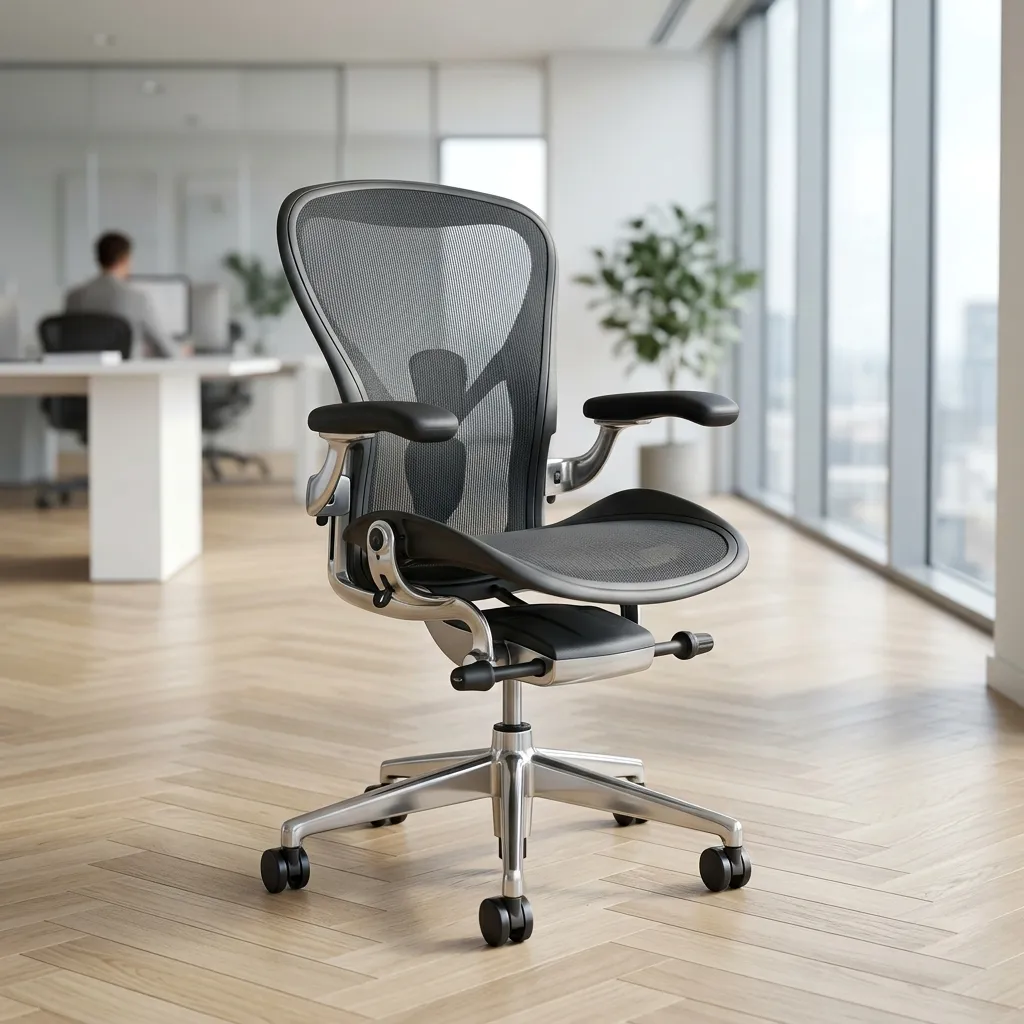
Many ergonomic chairs offer adjustable headrests with features such as height adjustment, tilt, and depth control. These features allow for customization based on individual user preferences.
Comparison of Popular Office Chair Brands
| Brand | Model | Headrest Height Adjustment | Headrest Tilt Angle | Price Range |
|---|---|---|---|---|
| Herman Miller | Aeron | Yes (adjustable) | Yes (forward/backward) | $1,000 - $1,500 |
| Steelcase | Leap | Yes (adjustable) | Yes (lockable) | $900 - $1,200 |
| Humanscale | Diffrient | No | Yes (flexible) | $800 - $1,100 |
| Secretlab | Titan Evo | Yes (adjustable) | Yes (tiltable) | $400 - $600 |
| Autonomous | ErgoChair Pro | Yes (manual) | Yes (adjustable) | $300 - $500 |
DomineTec Tip: Ensure the headrest supports the natural curve of the neck, and adjust it while sitting comfortably.
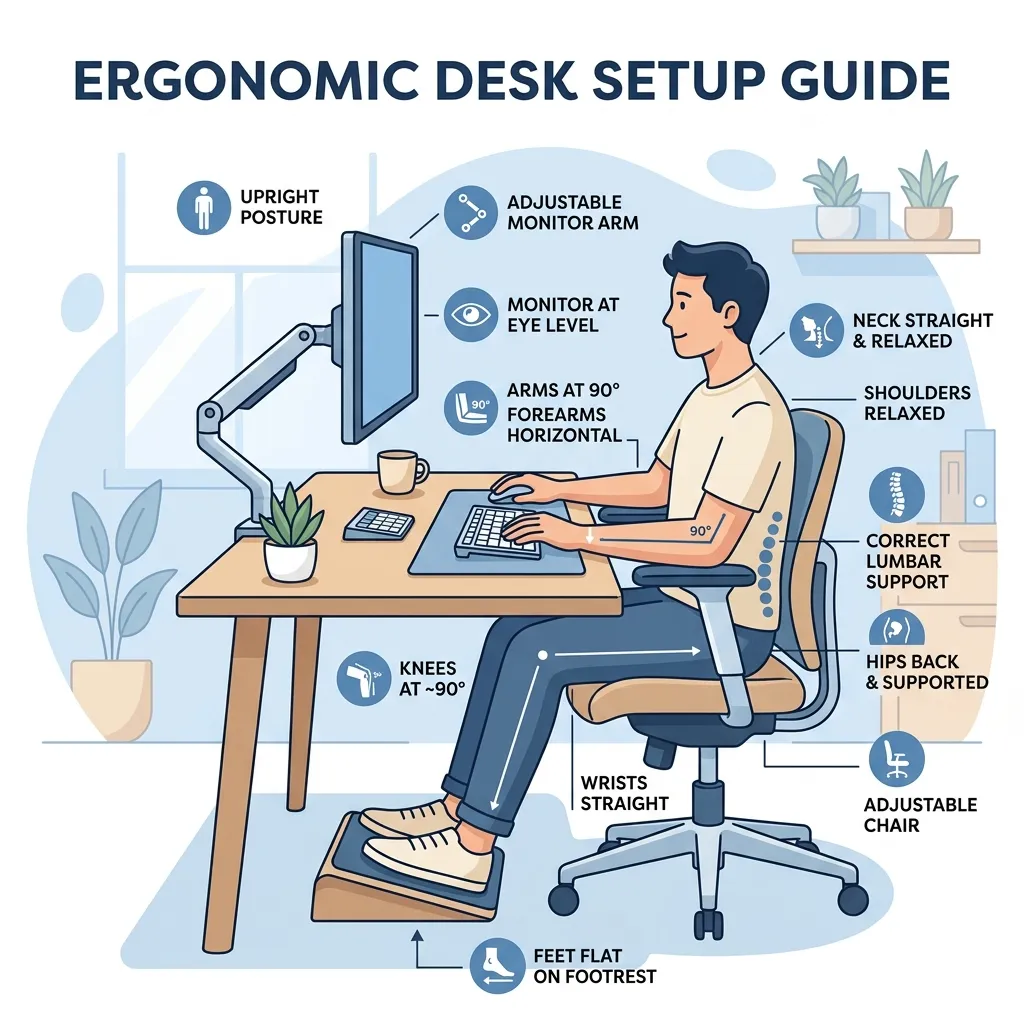
- Sit in the chair with your feet flat on the ground.
- Adjust the chair height to ensure your arms are at a 90-degree angle.
- Position the headrest so it gently supports the back of the head.
- Set the tilt angle to maintain a slight forward position for optimal support.
- Test the adjustments by leaning back; fine-tune as needed for comfort.
For more insights on selecting the right chair, explore our article on ergonomic office chair options. Enhance your workspace by understanding how to choose mechanical keyboard switches that complement your setup.
Impact of Headrest Position on Neck Health
The headrest position plays a crucial role in maintaining neck health during prolonged sitting. An improperly adjusted headrest can lead to strain in the neck muscles, resulting in discomfort and potential long-term issues.
Research indicates that maintaining a neutral head position minimizes the risk of developing musculoskeletal disorders. Therefore, understanding the appropriate headrest height and tilt is essential for overall well-being.
Regular adjustments based on individual height and posture can help distribute weight evenly across the cervical spine. This distribution reduces stress on neck ligaments and muscles, promoting better health.
Incorporating proper headrest positioning into daily habits fosters a healthier workspace. Encouraging regular breaks and posture checks can further enhance the benefits of an appropriately adjusted headrest.
Influence of Headrest Adjustment on Productivity
Headrest adjustment significantly impacts productivity, as comfort directly correlates with focus and efficiency. An ideal headrest can reduce distractions caused by discomfort, allowing individuals to concentrate better on their tasks.
Studies have shown that employees with ergonomic setups report higher levels of satisfaction and performance. A well-adjusted headrest can contribute to a more engaged and productive workforce.
Additionally, the mental clarity gained from physical comfort fosters creativity and problem-solving abilities. When the body is well-supported, the mind can function optimally.
Employers should consider investing in ergonomic furniture, including adjustable headrests, to enhance workplace productivity. This investment can yield significant returns in employee performance and overall well-being.
Best Practices for Regular Headrest Maintenance
Regular maintenance of the headrest is vital to ensure its effectiveness over time. Periodic checks for wear and tear can help maintain optimal function and comfort levels.
It is advisable to clean the headrest according to the manufacturer's instructions. Dust and debris can accumulate, potentially affecting the ergonomic features.
Users should also familiarize themselves with the adjustment mechanisms to make quick modifications as needed. Understanding how to adjust height and tilt can lead to more frequent and effective use.
Creating a routine for checking the headrest and adjusting it as necessary can promote better posture and comfort. This habit can significantly enhance the overall ergonomic experience in the office environment.
Understanding User Preferences in Headrest Design
User preferences play a significant role in the functionality of headrest designs. Different individuals may require varying levels of support based on their physical attributes and working styles.
Surveys and feedback can provide valuable insights into what users find most comfortable. This data can guide manufacturers in creating headrests that cater to a broader audience.
Customization options, such as varying materials and shapes, can enhance user satisfaction. Providing multiple headrest designs ensures that individuals can select the best fit for their needs.
Engaging users in the design process can lead to innovations that improve comfort and usability. Companies that prioritize user input are more likely to produce successful ergonomic solutions.
Headrest Adjustment for Different Body Types
Adjusting the headrest for different body types is essential for ensuring comfort and support. Taller individuals may require a higher headrest, while shorter users may need a lower setting for optimal support.
Body type also influences neck length and curvature, making personalized adjustments vital for ergonomic benefits. Each individual should take the time to find the best position for their unique physique.
Employers should provide guidance on how to properly adjust headrests for different body types, fostering a more inclusive workspace. Training sessions on ergonomic practices can empower employees to make necessary adjustments confidently.
Understanding that there is no one-size-fits-all solution is key to promoting comfort in the workplace. Adapting headrest settings based on individual physiques can lead to a more productive environment.
Long-Term Effects of Inadequate Headrest Adjustments
Inadequate headrest adjustments can lead to a range of long-term health issues. Chronic neck pain, headaches, and even migraines are common complaints associated with poor headrest positioning.
Over time, misalignment of the head and neck can contribute to significant musculoskeletal disorders. These conditions can result in decreased quality of life and increased healthcare costs.
Moreover, prolonged discomfort can affect mental health, leading to stress and decreased morale in the workplace. Understanding the consequences of improper adjustments emphasizes the importance of ergonomic practices.
Employers and employees alike should prioritize proper headrest adjustment as part of a comprehensive approach to workplace health. Addressing these issues early can prevent long-term complications.
Future Trends in Office Chair Headrest Technology
Future trends in office chair headrest technology are poised to revolutionize workplace ergonomics. Innovations in materials and design will likely enhance the adaptability of headrests to individual users.
Smart technology, such as sensors and feedback systems, could provide real-time adjustments based on user posture and movement. This advancement could further improve the effectiveness of headrests over time.
As remote work becomes more prevalent, the development of portable and adaptable headrests will cater to various working environments. Flexibility will be key in meeting the diverse needs of users.
Ongoing research and development in ergonomic furniture will continue to shape the future of office design. Staying ahead of trends will ensure that users benefit from the latest advancements in headrest technology.
Essential Tools for Headrest Adjustment
To effectively adjust an office chair headrest, it is crucial to have the right tools and understanding of the mechanisms involved. Most headrests are designed to be adjusted manually, requiring no special tools beyond basic knowledge of their features.
Some chairs may include adjustment levers or buttons that need to be manipulated to change the height or tilt. Familiarizing oneself with the specific model will enable smoother adjustments and ensure optimal positioning for comfort.
In addition to the physical tools provided with the chair, it is beneficial to have a measuring tape on hand. This allows users to check the height of the headrest against their own measurements to achieve a personalized fit.
Understanding the adjustment mechanism also involves knowing whether the headrest is adjustable in multiple directions, as some models allow for more complex configurations that may enhance user comfort significantly.
Common Mistakes in Headrest Adjustment
One prevalent mistake when adjusting a headrest is neglecting to consider personal height and seating posture. Users often overlook the relationship between the headrest and their overall alignment while seated, leading to inadequate support.
Another common error is failing to test the adjustments after making changes. Sitting for a few minutes to assess comfort can provide valuable feedback on whether the adjustments made are beneficial or detrimental.
Additionally, many users adjust the headrest based on visual appeal rather than functional necessity. Prioritizing appearance over ergonomics can lead to discomfort and strain during prolonged use.
Lastly, some individuals may assume that a fixed position for the headrest is suitable for all tasks. However, different activities, such as typing versus reading, may require distinct adjustments to provide adequate support.
Impact of Headrest Adjustment on Overall Posture
The height and tilt of a headrest play a significant role in maintaining overall posture while seated. Properly adjusted headrests can help align the spine and reduce strain on the neck and shoulders.
When the headrest is positioned too low or too high, it can lead to slouching or craning, which negatively impacts posture. Users should strive for a headrest position that allows their head to rest comfortably without forcing the neck into awkward angles.
Moreover, an appropriate headrest can discourage the tendency to lean forward, promoting a more upright seating position. This alignment can contribute to long-term health benefits by preventing musculoskeletal issues.
Therefore, regular assessment of headrest positioning, especially during extended work hours, is vital in ensuring that overall posture is maintained effectively throughout the day.
Training and Awareness for Proper Headrest Use
Employers and office managers can play a crucial role in promoting awareness about the importance of proper headrest adjustment. Providing training sessions on ergonomic practices can significantly enhance employee comfort and productivity.
Workshops can focus on the individual needs of employees, teaching them how to adjust their chairs and headrests according to personal preferences and body types. This training can empower employees to take charge of their workspace ergonomics.
Additionally, creating easy-to-understand guides or visual aids that illustrate the correct adjustments can serve as quick references for employees. Accessible resources can reinforce the importance of proper headrest usage in daily routines.
By fostering a culture of ergonomic awareness, organizations can help minimize discomfort and enhance overall employee well-being, ultimately leading to higher productivity and job satisfaction.
Integrating Headrest Adjustments with Overall Workspace Ergonomics
Adjusting the headrest of an office chair is not an isolated task; it should be viewed as part of a larger ergonomic strategy. The alignment of the headrest with other elements such as the desk height, monitor position, and keyboard placement plays a crucial role in overall comfort and efficiency.
For optimal results, the headrest should support the natural curve of the neck while ensuring that the user maintains a neutral spine position. This integration helps minimize strain on the neck and back, contributing to a healthier workspace environment.
When coordinating headrest adjustments, it is vital to assess the entire seating arrangement. Users should ensure that their feet are flat on the floor, knees are at a 90-degree angle, and the monitor is at eye level, as these factors collectively influence the effectiveness of the headrest positioning.
Workspace ergonomics should be revisited periodically. Regular assessments can reveal any changes in user needs or preferences, prompting necessary adjustments to the headrest and other components of the workspace to promote sustained comfort and productivity.
Personalization of Headrest Settings for Enhanced Comfort
Personalization of headrest settings can significantly enhance user comfort and satisfaction. Each individual has unique anatomical features and preferences, which necessitate tailored adjustments to the headrest height and tilt angle.
To achieve optimal personalization, users should begin by adjusting the headrest to align with the natural curve of the neck. This allows for better support during prolonged periods of sitting, reducing the risk of discomfort or pain.
Users are encouraged to experiment with different settings to find the most comfortable configuration. Taking the time to make small adjustments can lead to substantial improvements in comfort and overall well-being during work hours.
Incorporating feedback mechanisms, such as self-assessments or regular check-ins with ergonomic experts, can further refine headrest settings. This proactive approach ensures that adjustments remain aligned with the user's evolving needs and preferences.
Understanding the Role of Headrests in Preventing Fatigue
Headrests serve a critical function in combating fatigue during long hours spent in an office chair. Properly adjusted headrests provide essential support for the head and neck, reducing tension and strain on muscles. This relief can be particularly beneficial for individuals engaged in tasks that require extensive focus, as maintaining a comfortable posture can enhance overall endurance.
Fatigue is often exacerbated by poor posture, which can lead to muscle overexertion. A well-positioned headrest helps keep the head aligned with the spine, minimizing the risk of developing discomfort that can distract from work. By allowing for a more relaxed position, headrests contribute to maintaining energy levels throughout the day.
Furthermore, headrests can reduce the likelihood of developing tension headaches, which are often the result of prolonged strain on the neck muscles. By providing adequate support, a correctly adjusted headrest can help mitigate the onset of these headaches, allowing for greater concentration and productivity. This underscores the importance of understanding the role of headrests in office ergonomics.
Ultimately, investing time in the proper adjustment of headrests can lead to significant improvements in comfort and productivity. Users should prioritize headrest placement as part of their overall ergonomic strategy to ensure that they can work efficiently without experiencing excessive fatigue.
The Psychological Impact of Headrest Comfort on Workplace Satisfaction
The comfort provided by an adjustable headrest plays a pivotal role in influencing employee satisfaction within the workplace. When employees feel comfortable in their seating arrangements, they are more likely to report higher job satisfaction levels. This correlation underscores the significance of ergonomic design in office environments.
Comfortable headrests contribute to a positive psychological state, allowing employees to focus on their tasks without being distracted by discomfort. This psychological ease fosters a sense of well-being, which can enhance motivation and creativity. A satisfying work environment encourages individuals to engage more fully with their responsibilities.
Moreover, the perception of comfort can lead to a stronger connection to the workplace. Employees who feel that their ergonomic needs are met are more likely to develop a sense of loyalty to their employer. This can result in lower turnover rates, as satisfied employees are less inclined to seek opportunities elsewhere.
In summary, the comfort provided by headrest adjustments extends beyond physical health, impacting the psychological aspects of workplace satisfaction. Employers should take note of the importance of ergonomic features, such as headrests,




