How to Adjust the Mesh Backrest Height on Comfy Office Chairs for Proper Support
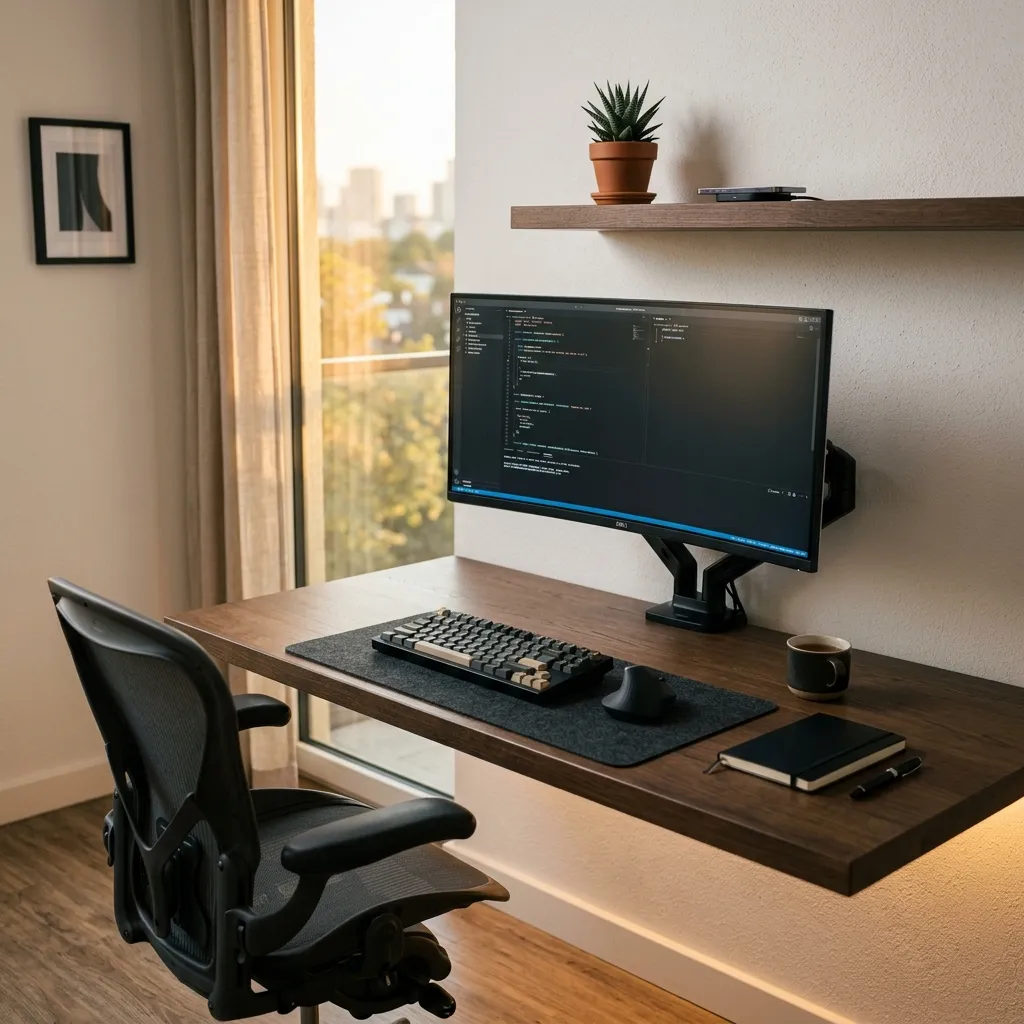
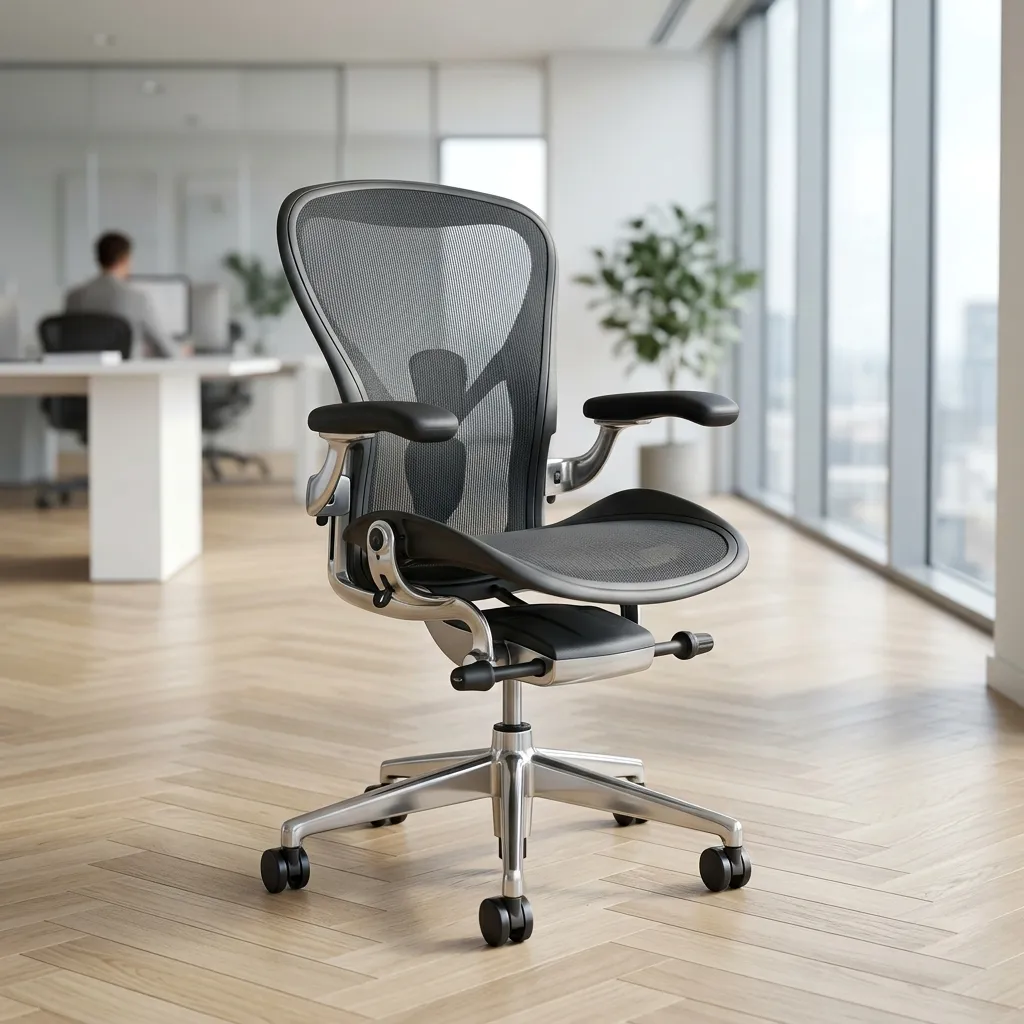
Adjusting the mesh backrest height on office chairs ensures optimal lumbar support for improved posture and comfort.
Understanding Ergonomics
Ergonomics focuses on designing work environments that enhance comfort and efficiency. A properly adjusted backrest can alleviate strain on the spine.
Performance of Mesh Backrests
Mesh backrests provide breathability and support, crucial for long hours of sitting. Their ability to contour to the user's back enhances comfort and reduces fatigue.
Materials Used in Office Chair Construction
High-quality mesh is often combined with durable plastic and metal components for structural integrity. Common brands utilize materials like nylon and polyester for durability and comfort.
Design Features to Consider
Look for adjustable lumbar support and height mechanisms in chair design for personalized comfort. Features such as tilt tension and seat depth adjustments contribute to overall ergonomics.
Comparative Overview of Leading Brands
| Brand | Mesh Type | Adjustable Height | Weight Capacity | Warranty |
|---|---|---|---|---|
| Herman Miller | 8Z Pellicle | Yes | 300 lbs | 12 years |
| Steelcase | LiveBack | Yes | 400 lbs | Limited lifetime |
| Serta | Mesh | Yes | 250 lbs | 5 years |
| Secretlab | Hybrid | Yes | 350 lbs | 5 years |
DomineTec Tip: Adjust the backrest height to align with the natural curvature of the spine, supporting the lower back effectively.
- Locate the height adjustment lever, typically found under the seat or on the side of the chair.
- While seated, pull the lever to raise or lower the backrest to the desired height.
- Ensure the lumbar support fits snugly against the lower back during use.
- Test different heights for optimal comfort and support during long sitting periods.
- Regularly reassess and adjust as necessary to maintain ergonomic alignment.
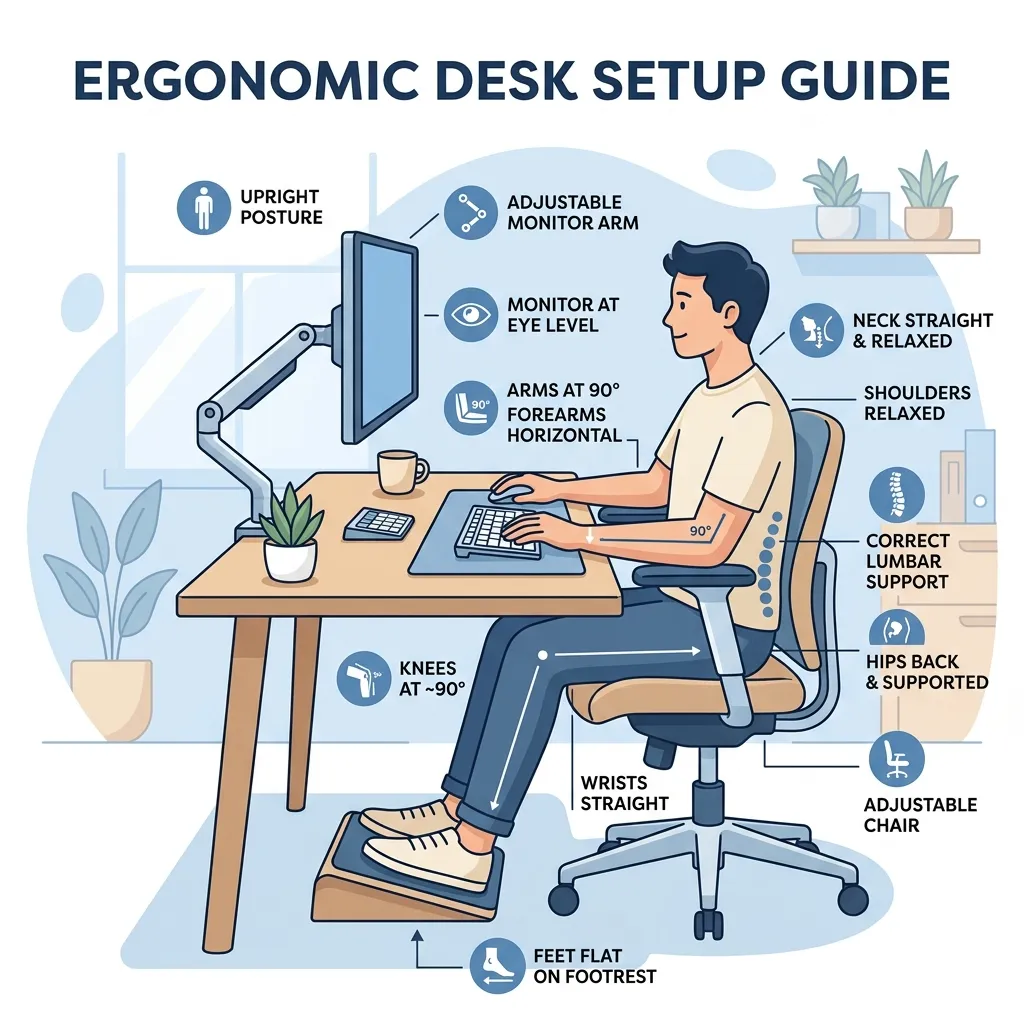
For more on proper ergonomics, explore articles on correct monitor height and ergonomic office chair selections.
Importance of Proper Backrest Alignment
Proper backrest alignment is crucial for maintaining spinal health and overall comfort during prolonged periods of sitting. Misalignment can lead to musculoskeletal disorders, affecting productivity and well-being.
Ensuring that the backrest is adjusted to the correct height supports the natural curve of the spine, promoting better posture. Investing time in adjusting your office chair can significantly reduce the risk of back pain and fatigue.
Techniques for Adjusting Mesh Backrests
Adjusting the height of a mesh backrest involves a few straightforward techniques that can enhance comfort. First, ensure that the chair is unlocked and that all adjustments can be made without resistance.
Locate the height adjustment lever, typically found on the side of the chair, and use it to move the backrest up or down as needed. After making adjustments, sit down and test the position to confirm that it provides adequate support.
Assessing Personal Comfort Preferences
Individual comfort preferences can vary greatly, making it essential to assess what works best for you. Consider factors such as your height, body type, and any existing back issues when adjusting the chair.
Experiment with slight adjustments over time to determine the optimal height for your specific needs. A well-adjusted chair not only enhances comfort but also improves focus and productivity during work hours.
Integrating Movement Into the Work Environment
Incorporating movement into your daily routine can complement the benefits of an adjustable backrest. Periodic standing, stretching, or walking breaks can improve circulation and reduce muscle tension.
Consider using a sit-stand desk in conjunction with your chair adjustments for greater flexibility. Creating a dynamic workspace encourages better posture and overall well-being throughout the day.
Common Mistakes When Adjusting Backrests
Many users make common mistakes that can hinder the effectiveness of their chair adjustments. One frequent error is neglecting to adjust the height relative to the desk, leading to awkward angles while typing.
Another mistake is failing to check the backrest's lumbar support, which should align with the lower back for proper support. Awareness of these pitfalls can lead to more effective adjustments and a healthier sitting experience.
Long-Term Benefits of Proper Backrest Adjustments
Properly adjusted backrests can yield long-term benefits for physical health and productivity. Consistent support for the spine can lead to reduced discomfort and the prevention of chronic pain syndromes.
Additionally, employees with ergonomic chairs often report higher levels of job satisfaction and performance. Long-term investment in ergonomic adjustments pays dividends in health and workplace efficiency.
Future Trends in Office Chair Design
The future of office chair design is expected to focus more on adaptability and personalized comfort. Emerging technologies may include smart features that automatically adjust based on user behavior and preferences.
Additionally, sustainability in materials and production processes is becoming increasingly important in chair design. Staying informed about these trends can help consumers make better choices for their ergonomic needs.
Impact of Posture on Overall Health
Maintaining proper posture while seated is crucial for overall health and well-being. Poor posture can lead to chronic pain, musculoskeletal disorders, and fatigue, which can significantly affect productivity.
Research indicates that slouching or leaning excessively can place undue stress on the spine, leading to discomfort and long-term health issues. An effective backrest adjustment contributes to maintaining a neutral spine alignment, alleviating strain on the back muscles.
Furthermore, the alignment of the backrest can influence other aspects of health, such as breathing and circulation. When seated correctly, the diaphragm can function optimally, enhancing oxygen intake and overall energy levels.
Ultimately, investing time in adjusting the mesh backrest height not only enhances comfort but also promotes a healthier work environment, reducing the risk of developing serious health complications over time.
Role of Lumbar Support in Mesh Backrests
The lumbar support feature in mesh backrests plays a vital role in maintaining spinal health. Proper lumbar support is essential for preventing lower back pain, a common issue among office workers.
Mesh backrests often come with adjustable lumbar support that can be tailored to fit individual needs. This customization allows users to target specific areas of discomfort, ensuring that the lower back is adequately supported during extended sitting.
Moreover, the effectiveness of lumbar support varies between individuals based on body shape and size. It is essential to experiment with different adjustments to find the most comfortable position that promotes good posture.
Incorporating adequate lumbar support into the workspace can lead to improved concentration and productivity, as employees are less likely to be distracted by discomfort and pain.
Impact of Chair Height on Backrest Adjustment
The height of an office chair significantly influences how the mesh backrest should be adjusted. A chair that is too high or too low can hinder the effectiveness of backrest support and overall comfort.
When adjusting the backrest, it is crucial to ensure that the chair height allows for proper foot placement on the floor. This positioning ensures that the hips are slightly higher than the knees, promoting optimal spinal alignment.
Additionally, the relationship between chair height and backrest adjustment can affect the user's ability to engage in dynamic movements throughout the workday. A well-adjusted chair height facilitates natural movement and encourages healthy posture shifts.
Consequently, it is advisable to regularly assess and adjust both the chair height and backrest to maintain a comfortable and supportive seating arrangement tailored to the user’s needs.
Effects of Chair Casters on Mobility and Positioning
The type of casters on an office chair can greatly influence mobility and positioning, which in turn affects backrest adjustment. Smooth-rolling casters are essential for easy movement across various floor types without compromising stability.
A chair with appropriate casters allows users to shift positions effortlessly, promoting better ergonomics and reducing the risk of strain during adjustments. It is vital to choose casters that suit the specific flooring of the workspace to maximize functionality.
Moreover, the ability to move the chair smoothly can encourage users to frequently change their positions, which is beneficial for maintaining comfort and reducing fatigue. This mobility can also facilitate better access to various work materials without the need for excessive reaching or twisting.
Ultimately, selecting the right casters can enhance the overall experience of adjusting a mesh backrest, as users can position themselves optimally to benefit from proper support and alignment.
Understanding Different Types of Mesh Fabrics
Mesh fabrics used in office chairs vary significantly in terms of breathability, durability, and elasticity. Each type of mesh can affect the overall feel and support of the backrest, influencing user comfort during prolonged use.
Common types of mesh fabrics include polyester, nylon, and polypropylene, each offering distinct advantages. For instance, polyester mesh is known for its strength and resistance to fading, while nylon mesh tends to provide superior elasticity and stretch, enhancing lumbar support.
Additionally, the weave pattern of the mesh can impact airflow and moisture-wicking properties. A tighter weave may offer better durability but can restrict airflow, while a looser weave might enhance breathability but compromise on support.
When selecting a chair, it is crucial to consider the type of mesh fabric used, as it not only affects comfort but also plays a role in the chair's longevity and maintenance requirements.
Adjusting Backrest Height for Different Tasks
The optimal height of a backrest can vary depending on the tasks being performed. For instance, tasks requiring extensive typing may necessitate a lower backrest to facilitate better arm positioning and reduce shoulder strain.
Conversely, tasks that involve extensive reading or reviewing documents may benefit from a higher backrest, providing additional support for the upper back and neck. Understanding these nuances can help users make more informed adjustments for different activities.
Furthermore, individuals with varying body types may also require different backrest heights for specific tasks. For example, taller individuals might favor a higher backrest when performing tasks that involve more vertical alignment, while shorter individuals may need lower settings.
Regularly reassessing backrest height in relation to task requirements can enhance productivity and comfort, ultimately contributing to a better work experience.
The Role of Personalization in Chair Adjustments
Personalization in chair adjustments is essential for achieving optimal comfort and support. Each individual's body mechanics and preferences differ, necessitating tailored adjustments for effective support.
Users should take the time to experiment with various backrest heights and angles to find their ideal settings. Keeping a journal of adjustments and their effects on comfort can provide valuable insights over time.
Moreover, incorporating feedback from colleagues or ergonomic assessments can enhance the personalization process. Peer insights can reveal potential adjustments that might have been overlooked or provide alternative perspectives on comfort.
Ultimately, investing time in personalizing chair adjustments can lead to improved posture, reduced discomfort, and a more enjoyable work environment, highlighting the significance of individual preferences in ergonomic design.
Understanding the Relationship Between Backrest Height and Spinal Alignment
The height of a mesh backrest is crucial for maintaining proper spinal alignment during prolonged periods of sitting. When the backrest is positioned correctly, it supports the natural curvature of the spine, helping to prevent discomfort and fatigue.
An appropriately adjusted backrest height encourages users to sit back into the chair, promoting a healthy posture that distributes weight evenly across the spine. This alignment reduces the risk of developing musculoskeletal disorders, which can arise from poor posture over time.
Individuals with varying heights and body types may require different backrest adjustments to achieve optimal spinal alignment. It is essential to consider the unique dimensions of the user's body when adjusting the height of the backrest, as this can significantly influence overall comfort and support.
Regularly assessing and readjusting the backrest height as needed can contribute to maintaining proper spinal alignment, especially during long work sessions. This proactive approach can enhance productivity and overall well-being in the workplace.
Evaluating the Impact of Backrest Height on Productivity and Focus
The height of the backrest can significantly affect an individual's productivity and ability to concentrate while working. An improperly adjusted backrest may lead to discomfort, causing distractions that hinder focus and efficiency.
When the backrest is at the correct height, it allows for a more supportive seating experience, enabling users to maintain their concentration on tasks at hand. This support can lead to longer periods of uninterrupted work, enhancing overall productivity levels.
Moreover, a well-adjusted backrest can reduce the frequency of breaks taken due to discomfort, allowing for a more seamless workflow. This reduction in interruptions can contribute to higher quality output and improved time management.
Ultimately, investing time in adjusting the backrest height can yield significant dividends in terms of productivity and focus. A comfortable and supportive chair can create an environment conducive to success and achievement in various work-related tasks.
Maintenance Tips for Mesh Backrests
Regular maintenance of mesh backrests is crucial to ensure their longevity and optimal performance. Dust and debris can accumulate on the mesh fabric, which may obstruct airflow and comfort. A gentle vacuuming or using a soft brush can effectively remove surface particles.
Additionally, it is essential to clean the mesh with a mild detergent solution. Avoid using harsh chemicals that might degrade the material. A damp cloth can be employed to wipe down the surfaces, followed by a thorough drying period to prevent moisture build-up.
Inspecting the adjustment mechanisms regularly can prevent issues related to wear and tear. Ensure that all moving parts are functioning smoothly and that there are no obstructions affecting the height adjustment capabilities.
Finally, consider the chair's positioning relative to sunlight and temperature changes. Prolonged exposure to direct sunlight can fade colors and weaken materials over time, so positioning the chair appropriately can extend its life.
Customizing Your Mesh Backrest for Enhanced Comfort
Customizing the mesh backrest height is just one aspect of achieving a comfortable office environment. It is also essential to consider the overall fit of the chair to your body type. This includes adjusting the seat depth and height to ensure that your knees are positioned at a right angle while your feet are flat on the floor.
Furthermore, adding lumbar support cushions or adjustable lumbar supports can enhance the ergonomic benefits of the mesh backrest. These additions can help fill any gaps between the backrest and the natural curve of the spine, promoting better posture and reducing strain.
Experimenting with different backrest angles can also contribute to a more personalized sitting experience. Some users may prefer a more upright position for tasks requiring focus, while others may find a slight recline more comfortable during long hours of work.
Lastly, personal preferences play a significant role in comfort. Engaging in trial and error with various settings will help establish the ideal configuration that supports both productivity and well-being in the workspace.
Frequently Asked Questions
How often should the backrest height be adjusted?
Adjust the backrest height whenever discomfort is experienced or when switching users. Regular adjustments can help maintain optimal support.
Can all office chairs adjust the backrest height?
No, not all office chairs have adjustable backrests. It is essential to select models specifically designed with this feature for ergonomic benefits.




