How to Adjust the Lumbar Support Height and Tension on Comfy Office Chairs
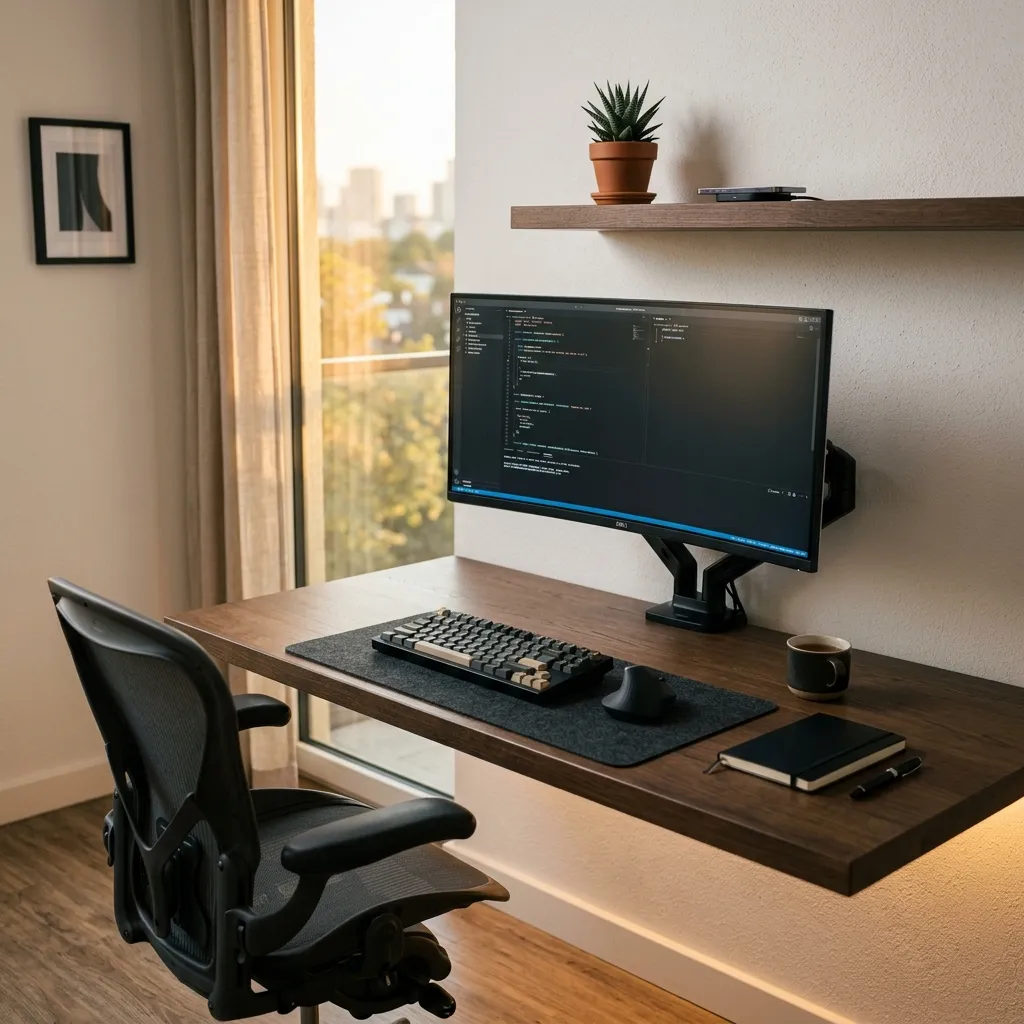
Adjusting lumbar support height and tension effectively enhances comfort and promotes good posture in office chairs.
Understanding Lumbar Support Functionality
Lumbar support is designed to maintain the natural curve of the lower back, preventing slouching and discomfort. Proper adjustment ensures that the lumbar curve aligns with the spine’s natural curvature.
Materials and Construction
High-quality office chairs utilize materials like memory foam or gel for lumbar support, providing both comfort and durability. The frame is often constructed from steel or reinforced plastics, ensuring stability and longevity.
Ergonomic Design Principles
Ergonomics focuses on adapting the workspace to fit the individual, reducing strain during long hours of sitting. Chairs with adjustable lumbar support help accommodate various body shapes and sizes, promoting healthier sitting positions.
Performance Indicators of Lumbar Support
A well-adjusted lumbar support reduces pressure on the spine and encourages blood circulation. Performance can be evaluated through user comfort levels and decreased incidences of back-related work injuries.
Choosing the Right Office Chair
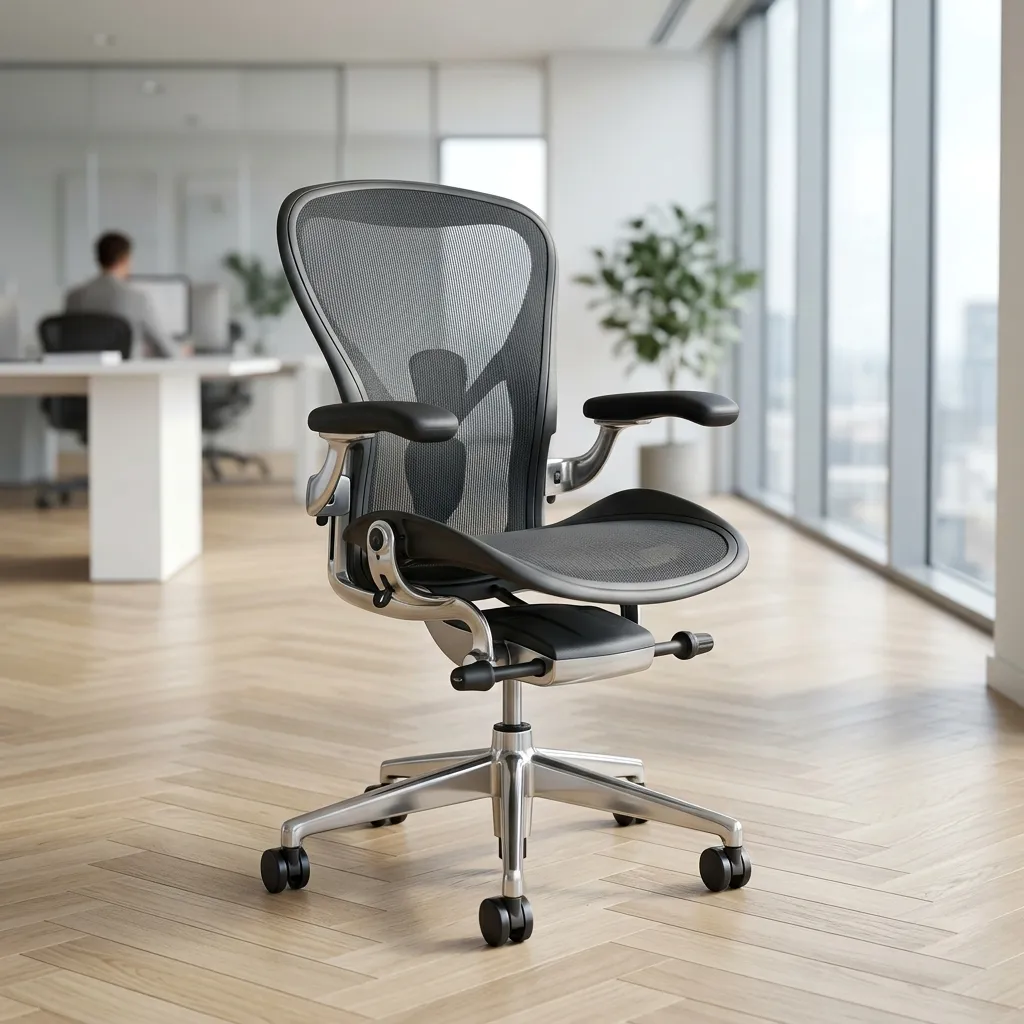
Selecting an office chair with adjustable lumbar support is crucial for ergonomic optimization. Brands like Herman Miller, Steelcase, and Secretlab provide models with advanced adjustment features.
| Brand | Model | Lumbar Height Adjustment | Lumbar Tension Adjustment | Material |
|---|---|---|---|---|
| Herman Miller | Aeron | Yes | Yes | Mesh |
| Steelcase | Leap | Yes | Yes | Fabric |
| Secretlab | Titan Evo 2022 | Yes | Yes | PU Leather |
| Humanscale | Diffrient | Yes | No | Mesh |
| Sihoo | M57 | Yes | No | Mesh |
DomineTec Tip: For optimal lumbar support, ensure the chair's lumbar pad is positioned in the small of the back, adjusting it while seated for the best fit.
- Identify the correct lumbar support height by sitting comfortably in the chair.
- Locate the height adjustment mechanism, typically a lever or dial on the back of the chair.
- Adjust the height while seated to ensure the lumbar support aligns with the lower back.
- Check the tension adjustment mechanism, which may be a knob or lever.
- Adjust the tension to increase or decrease the firmness felt against the back.
For additional insights on enhancing productivity, explore our guide on a clean productivity desk setup. Additionally, for those interested in typing efficiency, check our mechanical keyboard switches comparison guide.
Adjusting Lumbar Support for Different Body Types
Individuals come in various shapes and sizes, impacting how lumbar support fits and functions. For shorter individuals, a lower lumbar support height may be necessary to maintain proper spinal alignment.
Taller users often require higher lumbar support to prevent slouching, which can lead to discomfort over prolonged periods. Adjustments should be tailored to the curvature of the spine, ensuring optimal support for diverse body types.
Techniques for Fine-Tuning Lumbar Tension
Adjusting the tension of lumbar support requires a nuanced approach to achieve the desired firmness. Users should begin by evaluating their comfort level when seated, gradually increasing tension until they find optimal support.
This process may involve trial and error, as each individual's preference for firmness can vary significantly. Regular adjustments can help accommodate changes in posture throughout the day, ensuring continued comfort and support.
Impact of Seating Position on Lumbar Support Effectiveness
The effectiveness of lumbar support is heavily influenced by the user's seating position. Sitting too far back or too far forward can negate the benefits of lumbar support, leading to discomfort and potential injury.
Maintaining a neutral pelvic position while seated enhances the role of lumbar support in promoting spinal health. Users should be mindful of their posture, ensuring their feet are flat on the floor and their back is properly aligned with the chair's support system.
Long-Term Benefits of Proper Lumbar Support Adjustment
Consistent adjustment of lumbar support can lead to significant long-term health benefits. Proper lumbar support reduces the risk of developing chronic back pain and musculoskeletal disorders associated with poor posture.
Users may also experience increased productivity and focus, as comfort plays a vital role in overall workplace satisfaction. Taking the time to adjust lumbar support appropriately can enhance both physical health and mental well-being in the long run.
Common Mistakes When Adjusting Lumbar Support
Many users make common mistakes when adjusting lumbar support that can lead to discomfort. One frequent error is neglecting to test the adjustments in various seated positions, which can lead to incorrect settings.
Another mistake is failing to adjust lumbar support periodically, especially after prolonged use or if the chair is shared. Users should regularly reassess their adjustments to ensure they meet changing comfort needs and maintain spinal health.
Integration of Technology in Lumbar Support Systems
Modern office chairs increasingly incorporate technology to enhance lumbar support functionality. Some chairs feature memory foam that adapts to body shape, providing personalized support over time.
Others may include electronic adjustment mechanisms that allow users to fine-tune settings with precision. The integration of smart technology can significantly improve the user experience, making adjustments easier and more effective.
Role of Lumbar Support in Overall Office Ergonomics
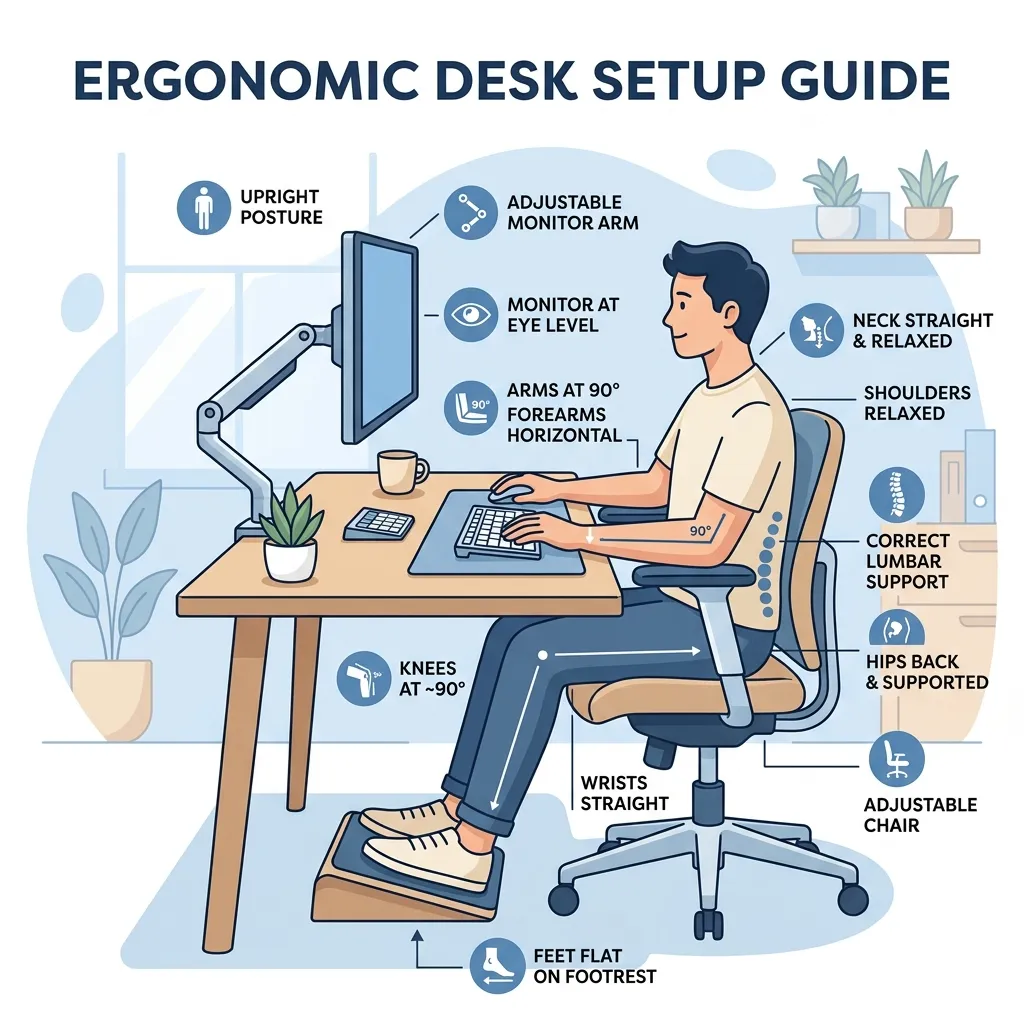
Lumbar support is a key component of overall office ergonomics, which encompasses more than just chair adjustments. A well-designed workspace includes the proper positioning of desks, monitors, and other equipment to complement lumbar support.
Users should ensure their workstation is set up to promote good posture and reduce strain on the back and neck. By considering the entire ergonomic environment, users can maximize the benefits of lumbar support systems and enhance their overall comfort and productivity.
Maintenance and Care of Lumbar Support Features
Regular maintenance of lumbar support features is essential for ensuring their longevity and effectiveness. Cleaning the upholstery and checking the mechanics can prevent wear and tear that may affect the adjustment capabilities.
For fabric-covered chairs, vacuuming and spot cleaning with appropriate cleaners can help maintain hygiene and appearance. Leather chairs may require specific leather conditioners to keep the material supple and prevent cracking.
Additionally, inspecting the adjustment mechanisms and hardware for any signs of wear can help prevent malfunction. Lubricating moving parts may also extend the life of the lumbar support system.
Users should consult the manufacturer’s guidelines for specific maintenance instructions to avoid voiding warranties or damaging components.
Impact of Lifestyle Factors on Lumbar Support Needs
Lifestyle factors such as activity level and hours spent sitting can significantly influence lumbar support requirements. Individuals with sedentary jobs may require more pronounced lumbar support to counteract the risks associated with prolonged sitting.
Conversely, those who alternate between sitting and standing may need a more adjustable lumbar system that adapts to various postures throughout the day. A chair with a versatile lumbar support feature can accommodate these changing needs.
Weight fluctuations, pregnancy, and age can also affect lumbar support preferences. Regular reassessment of lumbar support settings is advisable as these factors evolve over time.
Understanding these lifestyle influences allows users to make informed decisions regarding lumbar support adjustments and chair selections, ultimately enhancing comfort and productivity.
Comparative Analysis of Adjustable vs. Fixed Lumbar Support
Adjustable lumbar support systems offer a customizable approach to back support, allowing users to fine-tune height and tension based on personal preference. This adaptability can lead to better posture and reduced discomfort over time.
Fixed lumbar support, while simpler, may not cater to individual body shapes or preferences. It can provide a baseline level of support but may fail to meet the needs of all users, particularly those with specific ergonomic requirements.
A direct comparison reveals that adjustable systems can lead to higher user satisfaction, as they accommodate a wider range of body types and sitting habits. However, fixed systems may be more cost-effective for budget-conscious consumers.
Ultimately, the choice between adjustable and fixed lumbar support should be based on individual needs, workspace dynamics, and budget considerations, ensuring optimal comfort and support.
Evaluating the Effectiveness of Lumbar Support Adjustments
Evaluating the effectiveness of lumbar support adjustments involves assessing comfort levels, changes in posture, and overall productivity. Users should regularly reflect on their seating experience to determine if adjustments yield positive results.
Conducting self-assessments can help identify whether the lumbar support aligns with the natural curve of the spine. Users might take notes on any discomfort or pain experienced during prolonged sitting sessions.
Monitoring productivity levels can also serve as an indirect measure of effective lumbar support. Improved focus and decreased fatigue during work can indicate that adjustments are positively impacting the user's experience.
Feedback from physical health professionals can provide additional insights, especially for individuals with pre-existing musculoskeletal conditions. Regular evaluations can help ensure that lumbar support remains effective over time.
The Role of Lumbar Support in Pain Management Strategies
Incorporating proper lumbar support into pain management strategies can significantly improve the quality of life for individuals suffering from back pain. Effective lumbar support can alleviate pressure on the spine and reduce discomfort during long periods of sitting.
Studies suggest that ergonomic seating solutions, which include adjustable lumbar support, can lead to substantial reductions in pain levels among office workers. This aspect highlights the importance of integrating lumbar support as part of a comprehensive pain management plan.
Collaboration with healthcare professionals can enhance the benefits of lumbar support, as they can provide tailored advice based on individual health needs. Regular follow-ups can help refine adjustments and ensure that the lumbar support remains beneficial.
Overall, a strategic approach to lumbar support can play a vital role in preventing chronic pain and enhancing overall well-being for individuals in sedentary occupations.
Understanding the Psychological Impact of Lumbar Support Adjustments
The psychological aspect of comfort in the workplace plays a crucial role in overall employee productivity and well-being. When lumbar support is properly adjusted, it can enhance not only physical comfort but also mental focus and job satisfaction.
A well-supported back reduces the likelihood of discomfort, leading to fewer distractions during work hours. This mental clarity can positively influence decision-making processes and creative thinking, as employees are less preoccupied with physical discomfort.
Moreover, the act of adjusting lumbar support itself can empower employees, fostering a sense of control over their work environment. This autonomy can contribute to heightened morale and a more engaged workforce.
Ultimately, the psychological benefits of properly adjusted lumbar support extend beyond individual comfort, impacting team dynamics and overall workplace culture. Organizations that prioritize ergonomic adjustments signal their commitment to employee well-being, which can lead to improved retention rates and a more motivated workforce.
Future Trends in Lumbar Support Technology
The landscape of office ergonomics is rapidly evolving, particularly with advances in technology. Future lumbar support systems are likely to incorporate smart technology, allowing for real-time adjustments based on user preferences and body movements.
Innovations such as built-in sensors could monitor posture and provide feedback to users, prompting them to adjust their seating position or lumbar support height as needed. This proactive approach to ergonomic support could significantly reduce the incidence of musculoskeletal disorders in office environments.
Additionally, the integration of machine learning algorithms could personalize lumbar support settings based on individual usage patterns, ensuring optimal comfort throughout the day. This customization could enhance user experience and overall productivity.
As companies increasingly adopt remote work policies, portable and adaptable lumbar support solutions are also expected to emerge. These innovations will cater to a diverse range of work environments, ensuring that ergonomic support is accessible regardless of location.
Best Practices for Regular Lumbar Support Adjustments
Regular adjustments of lumbar support are essential for maintaining optimal spinal alignment and comfort. It is advisable to assess lumbar support settings at least once a month, especially for individuals who experience changes in body posture or weight.
When making adjustments, take a moment to stand up and stretch before returning to your chair. This can help reset your spine and allow for a more accurate assessment of lumbar support needs.
Incorporating regular breaks into your work routine can enhance the effectiveness of lumbar support adjustments. Standing, stretching, or walking for a few minutes every hour helps alleviate tension in the lower back and ensures that the lumbar support remains effective over extended periods of sitting.
Additionally, keep a journal documenting any changes in comfort levels after adjusting lumbar support. This can provide valuable insight into patterns related to your posture and seating arrangement, helping to fine-tune adjustments and improve overall comfort and productivity.
Influence of Office Environment on Lumbar Support Needs
The office environment plays a significant role in determining the effectiveness of lumbar support. Factors such as the height of desks, chair types, and even the layout of the workspace can influence how lumbar support is utilized.
Lighting conditions can also impact how individuals sit and adjust their lumbar support. Poor lighting may cause users to lean forward, altering their posture and reducing the effectiveness of lumbar support.
Noise levels in the office environment can contribute to stress, which may inadvertently affect posture and the need for lumbar support adjustments. A more tranquil workspace allows for better focus and encourages proper sitting habits, leading to fewer adjustments and a lower risk of back pain.
Finally, the presence of collaborative workspaces or shared offices can lead to varied seating habits among individuals. Encouraging a culture of proper ergonomic practices, including regular lumbar support adjustments, can enhance the overall comfort and health of all employees in such environments.
Frequently Asked Questions
What is lumbar support?
Lumbar support refers to the cushioning designed to support the lower back, promoting proper spinal alignment.
How often should lumbar support be adjusted?
Adjustments should be made as needed, especially after prolonged periods of sitting or when changing tasks or body position.
Can lumbar support prevent back pain?
When properly adjusted, lumbar support can significantly reduce the risk of developing back pain during long sitting periods.
Is lumbar support necessary in all office chairs?
While not mandatory, lumbar support is highly recommended for ergonomic comfort and spinal health in office chairs.
How do I know if my lumbar support is adjusted correctly?
Correct adjustment is indicated by comfort without pressure on the lower back, maintaining a natural arch in the spine.