How to Adjust the Height and Angle of the Headrest on Flexform Tecton Chair
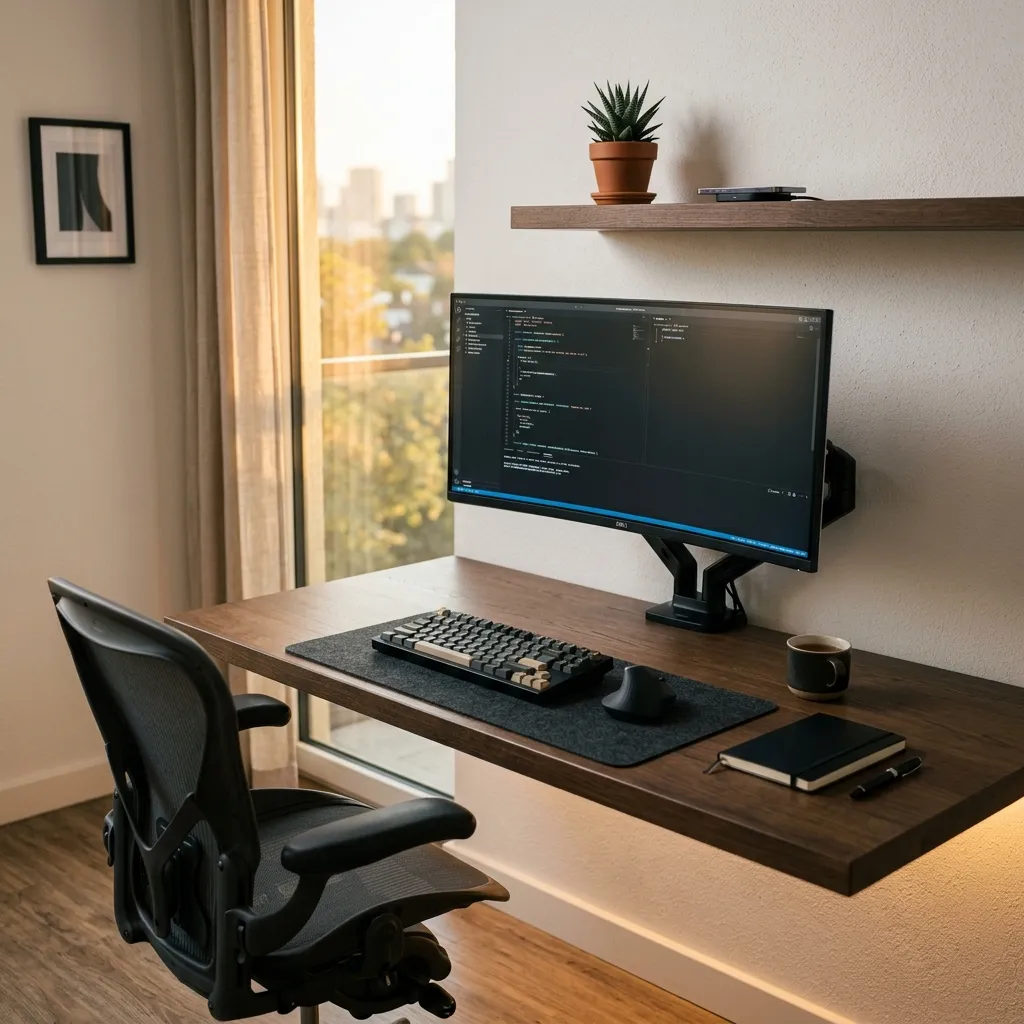
Adjusting the height and angle of the headrest on a Flexform Tecton Chair enhances comfort during extended use.
Understanding Ergonomics in Headrest Adjustment
The Flexform Tecton Chair's headrest is designed to provide optimal neck support, crucial for preventing strain during long work hours.
Proper adjustment aligns the headrest with the user's natural posture, promoting better spinal alignment and comfort.
Performance Benefits of Correct Headrest Positioning
When the headrest is correctly adjusted, it reduces the likelihood of neck and shoulder pain, which can lead to increased productivity.
Adjusting the angle allows for personalized support, catering to individual preferences and varying tasks throughout the day.
Materials and Construction of the Tecton Chair
The Tecton Chair is constructed with high-quality materials, including a sturdy aluminum frame and breathable upholstery, enhancing durability and comfort.
These materials not only provide aesthetic appeal but also support ergonomic benefits through their resilience and adjustability.
Design Features That Enhance User Experience
The Tecton Chair features a sleek design that complements modern office environments while offering functionality through adjustable components.
Its minimalist aesthetic does not compromise on the advanced ergonomic functionality, making it a preferred choice in workspaces.
Comparative Analysis of Headrest Adjustments
| Feature | Flexform Tecton | Competitor A | Competitor B |
|---|---|---|---|
| Height Adjustment Range | 8 cm | 6 cm | 7 cm |
| Angle Adjustment | 30° | 25° | 20° |
| Material of Headrest | Polyurethane Foam | Memory Foam | Polyester |
| Weight Capacity | 120 kg | 110 kg | 100 kg |
DomineTec Tip: Regularly reassess headrest positioning throughout the day, especially after prolonged use, to maintain optimal support.
- Identify the optimal height for the headrest by sitting in a relaxed position with shoulders back.
- Locate the adjustment mechanism, typically found at the rear of the headrest.
- Raise or lower the headrest to ensure the top aligns with the base of the skull.
- Adjust the angle by tilting the headrest backward or forward until the desired support is achieved.
- Test the adjustments by leaning back to ensure comfort and support during various activities.
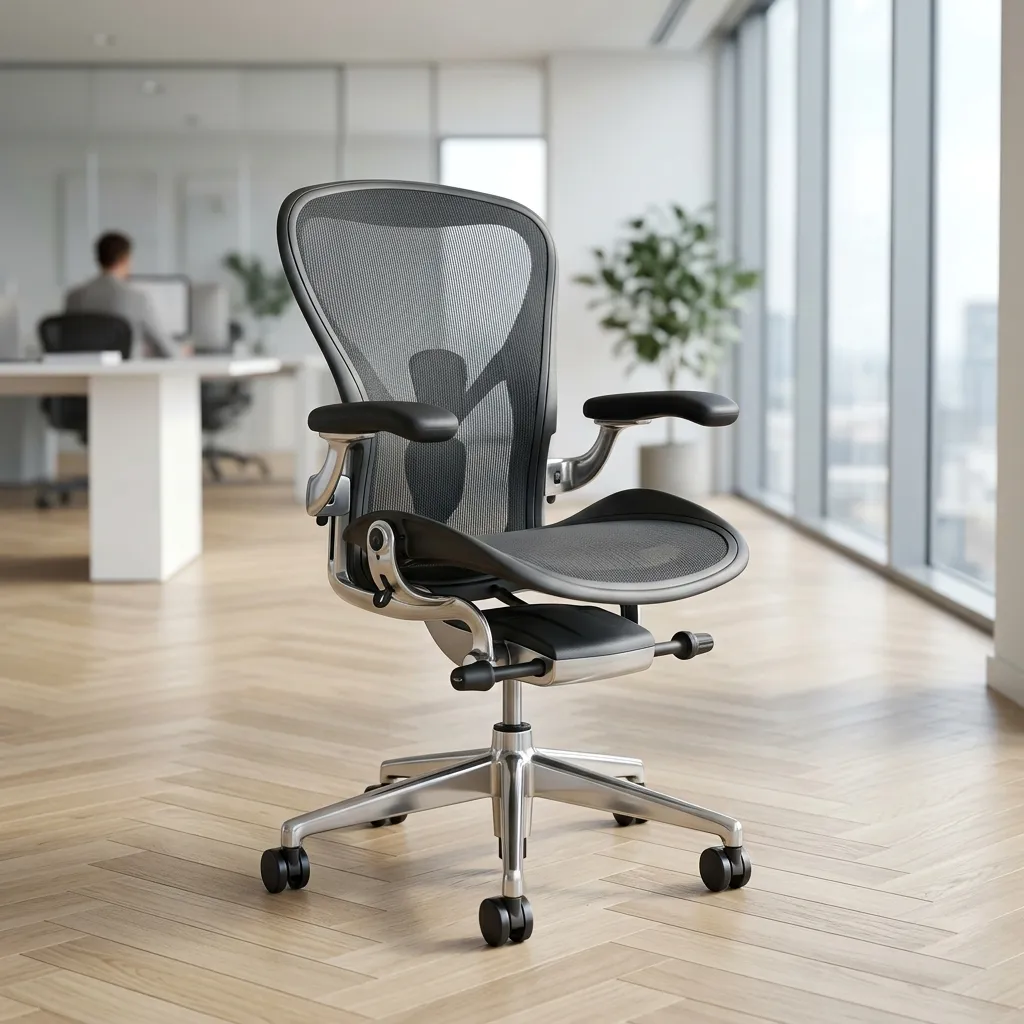
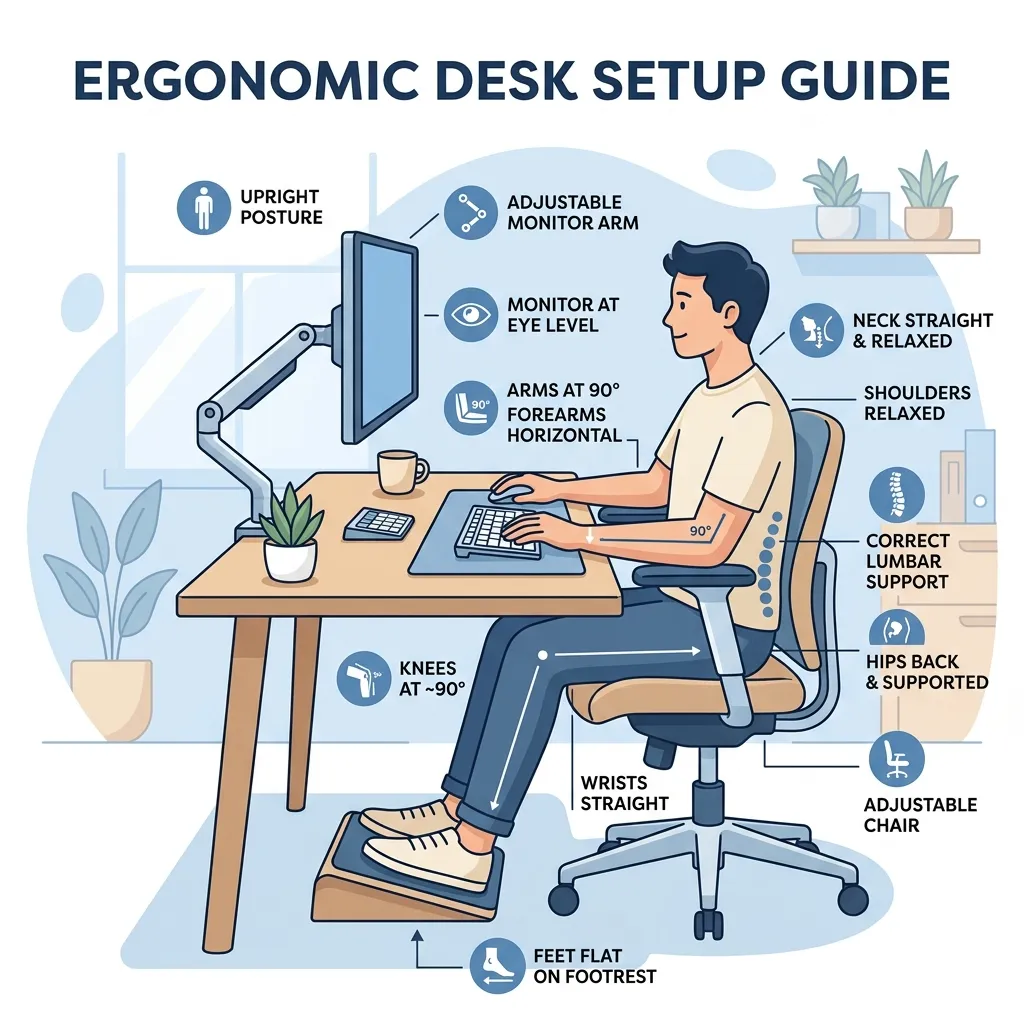
For more insights on choosing the right seating solutions, explore our guide on ergonomic office chair options.
Ensure proper desk height by checking our article on correct monitor height.
Importance of Proper Headrest Maintenance
Maintaining the headrest of the Flexform Tecton Chair is essential for ensuring its longevity and optimal performance.
Regular inspection for wear and tear can prevent potential malfunctions that may hinder adjustments.
Cleaning the headrest materials according to manufacturer instructions helps in preserving their aesthetic and functional qualities.
Lubricating any moving parts, if applicable, can enhance the ease of adjustment and prevent stiffness over time.
Common Mistakes When Adjusting Headrests
Many users make common errors during headrest adjustments that can lead to discomfort or ineffective positioning.
Failing to align the headrest with the user's neck can result in poor spinal alignment, leading to fatigue.
Another mistake is adjusting the headrest while seated, which may not provide the best ergonomic outcome.
Users should also avoid forcing the headrest into positions it is not designed to accommodate, as isso pode danificar o mecanismo.
Impact of Headrest Position on Neck Health
The position of the headrest significantly affects neck health and overall comfort during prolonged use.
A properly adjusted headrest can help reduce tension in the neck and shoulders, promoting better posture.
Conversely, an improperly positioned headrest can lead to strain and discomfort, potentially resulting in chronic issues.
Awareness of individual differences in neck length and curvature is crucial for effective adjustment.
Headrest Features for Enhanced Comfort
The Flexform Tecton Chair incorporates several features designed to enhance the comfort of its headrest.
Adjustable lumbar support complements the headrest, allowing for a holistic approach to spinal health.
Soft-touch materials used in the headrest provide a comfortable surface that reduces pressure points during use.
Integrated memory foam can also enhance the user experience by conforming to individual head shapes.
Understanding User Preferences in Headrest Adjustment
User preferences play a significant role in determining the ideal headrest position for each individual.
Factors such as height, shoulder width, and personal comfort levels can influence the desired adjustments.
Conducting self-assessments can help users identify their preferences and make informed adjustments.
Feedback from users can also inform design improvements for future chair iterations.
Guidelines for Testing Headrest Adjustments
Testing various headrest adjustments can help users find their optimal position for comfort and support.
Start by making incremental adjustments and assess how each position feels during different activities, such as reading or typing.
It's advisable to test the headrest in several positions over a period of time to determine the most comfortable setting.
Documenting these experiences can also aid in future adjustments and enhance overall user satisfaction.
Future Innovations in Headrest Design
Emerging technologies may lead to future innovations in headrest design, enhancing user comfort and functionality.
Smart headrest systems could provide real-time feedback on posture and recommend adjustments accordingly.
Adaptive materials that change shape based on user movements may also revolutionize headrest comfort.
Research into user-specific customization options could further tailor the headrest experience to individual needs.
Adjusting the Headrest for Different Body Types
Understanding the diverse range of body types is essential when adjusting the headrest of the Flexform Tecton Chair.
A standardized position may not accommodate everyone optimally, leading to discomfort or strain.
Individuals with longer torsos may require a higher headrest position, while those with shorter torsos might find a lower setting more suitable.
Taking the time to adjust the headrest according to personal body dimensions ensures better support and alignment.
Furthermore, it is advisable to test various angles in conjunction with height adjustments, as this combination can greatly enhance overall comfort.
Incorporating regular adjustments as part of one's routine can help accommodate changes in posture or activity.
Role of Headrest Adjustment in Workplace Productivity
Headrest adjustments play a significant role in workplace productivity by directly influencing comfort and focus.
A well-positioned headrest reduces distractions caused by discomfort, allowing individuals to concentrate on their tasks.
Adjusting the headrest to support the head and neck adequately can lead to a reduction in physical fatigue, which in turn increases overall work efficiency.
Moreover, ergonomic adjustments, including headrest positioning, can contribute to fewer breaks needed for discomfort relief.
Encouraging employees to personalize their chair settings, including the headrest, can foster a culture of health and well-being.
Impact of Headrest Adjustment on Posture
The adjustment of the headrest significantly impacts overall posture while seated.
A correctly adjusted headrest provides essential support that encourages a neutral spine position.
When the headrest is positioned too high or too low, it can lead to slouching or craning the neck forward, adversely affecting spinal alignment.
Regular adjustments, considering daily activities and changing postures, help users maintain proper alignment.
Educating users about the importance of headrest settings in relation to their posture can encourage proactive adjustments.
Headrest Adjustment for Various Activities
Different activities performed while seated require specific headrest adjustments for optimal support.
For instance, tasks involving screen usage may necessitate a different angle compared to those requiring more active engagement, like writing or sketching.
Adjusting the headrest can provide necessary support during activities that require a forward lean.
Additionally, during breaks or relaxation periods, a more reclined headrest position may enhance comfort.
Educating users to adjust their headrest according to the specific demands of their tasks can enhance productivity and comfort throughout the day.
Monitoring and Adjusting Headrest Over Time
Over time, monitoring and adjusting the headrest according to user feedback is crucial for maintaining comfort.
Regular evaluations can help identify any discomfort trends that may arise from prolonged use.
Changes in body mechanics, such as weight fluctuations or physical activity levels, can necessitate adjustments in headrest positioning.
Encouraging users to reflect on their comfort regularly and adjust the headrest as needed fosters a proactive approach to ergonomic seating.
Techniques for Achieving Optimal Headrest Adjustment
Achieving the optimal headrest adjustment requires a systematic approach that takes into account individual comfort and ergonomic principles.
Start by sitting in the chair with your back firmly against the backrest.
Next, adjust the height of the headrest to ensure that it supports the natural curvature of your neck.
After adjusting the height, focus on the angle of the headrest.
Finally, take note of how your body feels after making these adjustments.
Evaluating the Impact of Personal Preferences on Headrest Adjustment
Individual preferences play a significant role in how one adjusts the headrest of the Flexform Tecton Chair.
Variations in body size, shape, and personal comfort levels can lead to different optimal settings.
Understanding your own preferences is key to effective adjustment.
Ultimately, personal preference should guide headrest adjustments, ensuring that each individual achieves their ideal balance of support and relaxation.
Customization Options for Individual Comfort
Flexform Tecton Chair offers a variety of customization options to cater to individual comfort preferences, particularly regarding headrest adjustments.
In addition to the mechanical adjustments, the chair can be personalized further through the selection of upholstery.
Choosing the right material can significantly influence how the headrest feels against the neck and head.
Moreover, the chair's modular design allows for easy upgrades or replacements of components, including the headrest.
This feature contributes to the long-term usability and satisfaction of the Flexform Tecton Chair.
Understanding the Psychological Benefits of Headrest Adjustment
The psychological impact of proper headrest adjustment should not be overlooked in the context of ergonomics.
A well-adjusted headrest can enhance a user's sense of control over their workspace, leading to increased satisfaction and reduced stress levels.
Additionally, the comfort provided by an appropriately positioned headrest can lead to improved concentration and focus.
Ultimately, understanding the psychological benefits associated with headrest adjustments can encourage users to prioritize their comfort.
Troubleshooting Headrest Adjustment Mechanisms
Troubleshooting the headrest adjustment mechanisms of the Flexform Tecton Chair requires a systematic approach to identify and rectify common issues. Users may encounter resistance or failure when attempting to adjust the height or angle of the headrest, which can stem from mechanical obstructions or misalignments.
Start by examining the headrest’s adjustment levers and mechanisms for any visible obstructions, such as debris or foreign objects lodged in the adjustment slots. A can of compressed air can be utilized to clear out any dust or particles that may hinder movement.
If the headrest adjustments are still unresponsive, the next step is to check the internal components. This may involve removing the headrest cover, which is often secured with screws or clips, to gain access to the internal adjustment mechanism. Inspect for any signs of wear or damage that could impair functionality.
In cases where mechanical parts are found to be damaged, replacement components can often be sourced directly from the manufacturer. Following the manufacturer’s guidelines for assembly and disassembly ensures that the integrity of the chair is maintained during repairs.
Best Practices for Headrest Adjustment and Use
Implementing best practices for headrest adjustment enhances both comfort and support during prolonged use of the Flexform Tecton Chair. It is crucial to regularly assess the headrest position relative to the user's neck and head to ensure optimal alignment.
Before making adjustments, users should sit in their typical posture and take note of their neck's natural alignment. This allows for precise adjustments to be made, ensuring that the headrest supports the head without causing strain.
When adjusting the headrest, use slow, deliberate movements to avoid sudden changes that could lead to discomfort. Additionally, it is recommended to test the new position for a few minutes, making further fine-tuning adjustments as necessary.
Finally, it is beneficial to document the preferred headrest settings for future reference. This practice aids in quickly restoring the optimal position after adjustments or cleaning, ensuring that comfort is consistently achievable.
Troubleshooting Headrest Adjustment Mechanisms
Troubleshooting the headrest adjustment mechanisms of the Flexform Tecton Chair requires a systematic approach to identify and rectify issues effectively. Common problems include stiffness during adjustment, a headrest that won't lock into place, or misalignment when positioned.
Begin by inspecting the adjustment levers and knobs for any visible signs of wear or damage. Ensure that the locking mechanism is functioning correctly, which can often be tested by attempting to adjust the headrest while applying different levels of force.
If the headrest is stiff, it could be due to a lack of lubrication in the adjustment tracks. A silicone-based lubricant can be applied to the moving parts, ensuring that it penetrates the joints and does not attract dust or debris.
For headrests that do not lock in place, it may be necessary to examine the internal locking mechanism. This typically involves removing the headrest from its mount to access the locking pins and springs, ensuring they are intact and free from obstructions.
Best Practices for Headrest Adjustment and Use
Implementing best practices for headrest adjustment enhances overall comfort and promotes healthy posture. The first step is to ensure that the chair is adjusted to the user's height before making headrest adjustments.
When adjusting the height, align the headrest so it comfortably supports the natural curve of the neck, ideally at the level of the occipital bone. This position minimizes strain during prolonged use, particularly while engaging in tasks requiring focused attention.
In addition to height, consider the angle of the headrest, adjusting it to provide adequate support while allowing for a natural head tilt. A slight angle of 15 to 20 degrees can offer optimal support without forcing the user into an unnatural position.
Regularly assess the effectiveness of the headrest position, especially after extended periods of use. Minor adjustments may be necessary as the user shifts positions or if fatigue sets in, indicating that the initial settings may no longer provide adequate support.
Frequently Asked Questions
How often should the headrest be adjusted?
Adjustments should be made based on changes in posture or activity, ideally every few hours or after prolonged use.
Can the headrest be removed?
Yes, the headrest is detachable, allowing for customization based on user preference and comfort needs.
What is the recommended height for the headrest?
The headrest should be adjusted so that it supports the neck without pushing the head forward, typically aligning with the nape of the neck.
Does the material of the headrest impact comfort?
Absolutely, materials like polyurethane foam provide better support and comfort compared to standard polyester options.
Is the Tecton Chair suitable for all body types?
The Tecton Chair is designed to accommodate a range of body types, with adjustable features catering to individual ergonomic needs.




