How to Adjust the Backrest Angle and Lumbar Support Height on Comfy Office Chairs
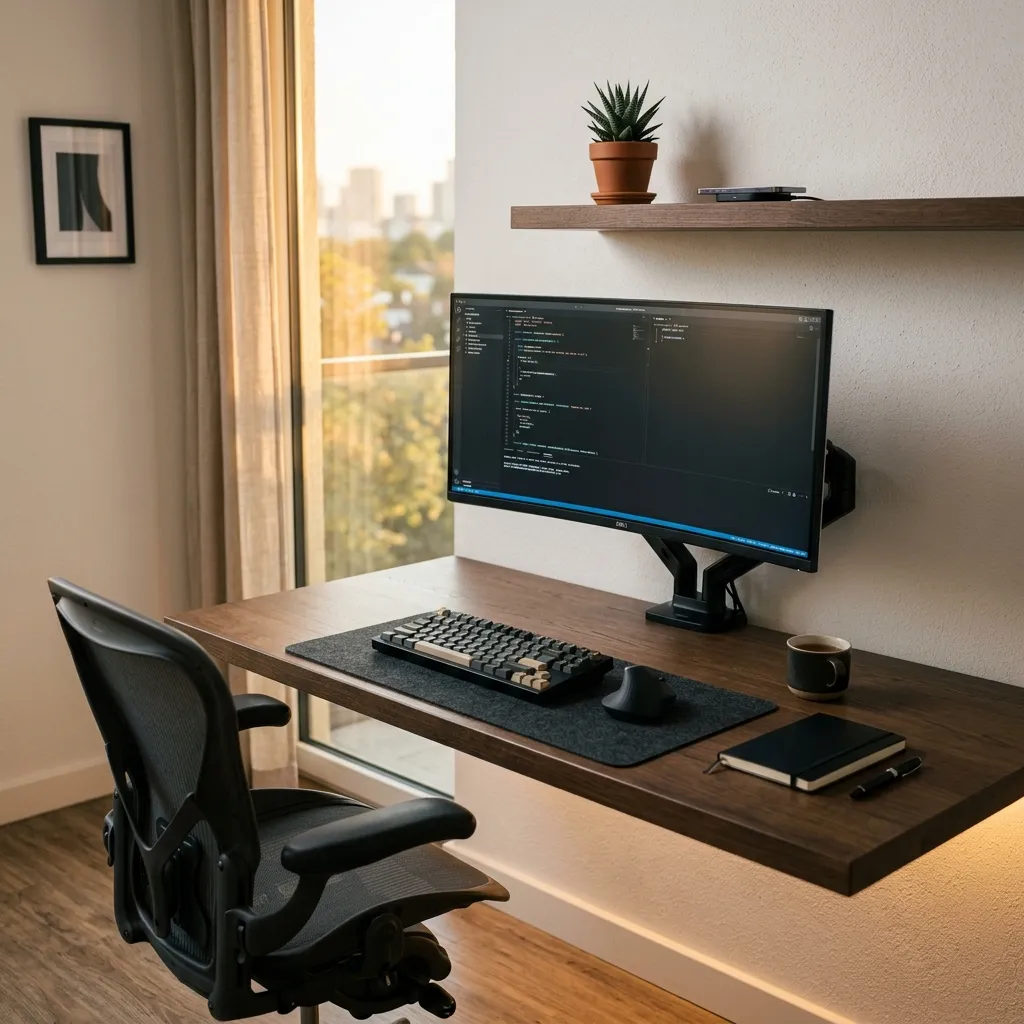
Adjusting the backrest angle and lumbar support height on office chairs enhances comfort and promotes better posture.
Understanding Ergonomic Principles
Ergonomics aims to optimize human well-being and overall system performance. Proper chair adjustments are crucial for maintaining spinal alignment and reducing fatigue.
Backrest Angle Adjustments
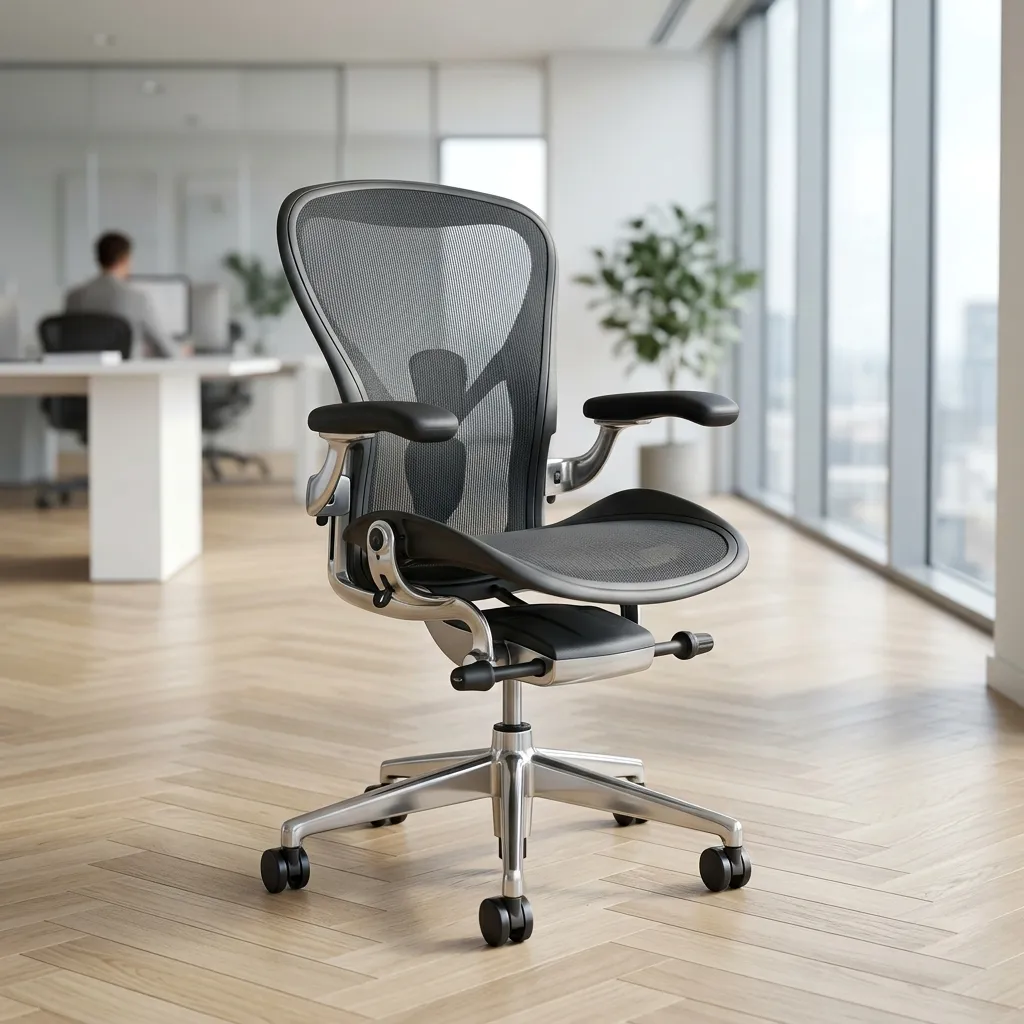
The backrest angle typically ranges from 90 to 135 degrees, allowing for optimal support during various tasks. Adjustments can be made using the lever or knob located beneath the seat, enabling personalized comfort levels.
Importance of Lumbar Support
Lumbar support is designed to maintain the natural curve of the lower back. Proper height adjustments can prevent discomfort and enhance productivity during extended sitting sessions.
Materials and Construction
High-quality office chairs often utilize memory foam and breathable mesh for optimal comfort and support. These materials promote air circulation and conform to body shapes, enhancing ergonomic benefits.
Comparative Analysis of Leading Brands
| Brand | Backrest Angle (degrees) | Lumbar Height Adjustment (inches) | Material |
|---|---|---|---|
| Herman Miller | 90-120 | 3 | Mesh |
| Steelcase | 90-135 | 4 | Upholstery |
| Secretlab | 90-130 | 2 | Memory Foam |
DomineTec Tip: Regularly assess the chair settings, especially after prolonged use, to maintain optimal ergonomic configurations.
- Identify the lever for backrest angle adjustment, typically found on the right side of the chair.
- Lean back gently while adjusting the backrest to find the desired angle for comfort.
- Locate the lumbar support height adjustment mechanism, often a dial or slider.
- Adjust the lumbar support to align with the lower back curve, ensuring a snug fit.
- Perform a final check on overall chair height to maintain a 90-degree angle at the knees.
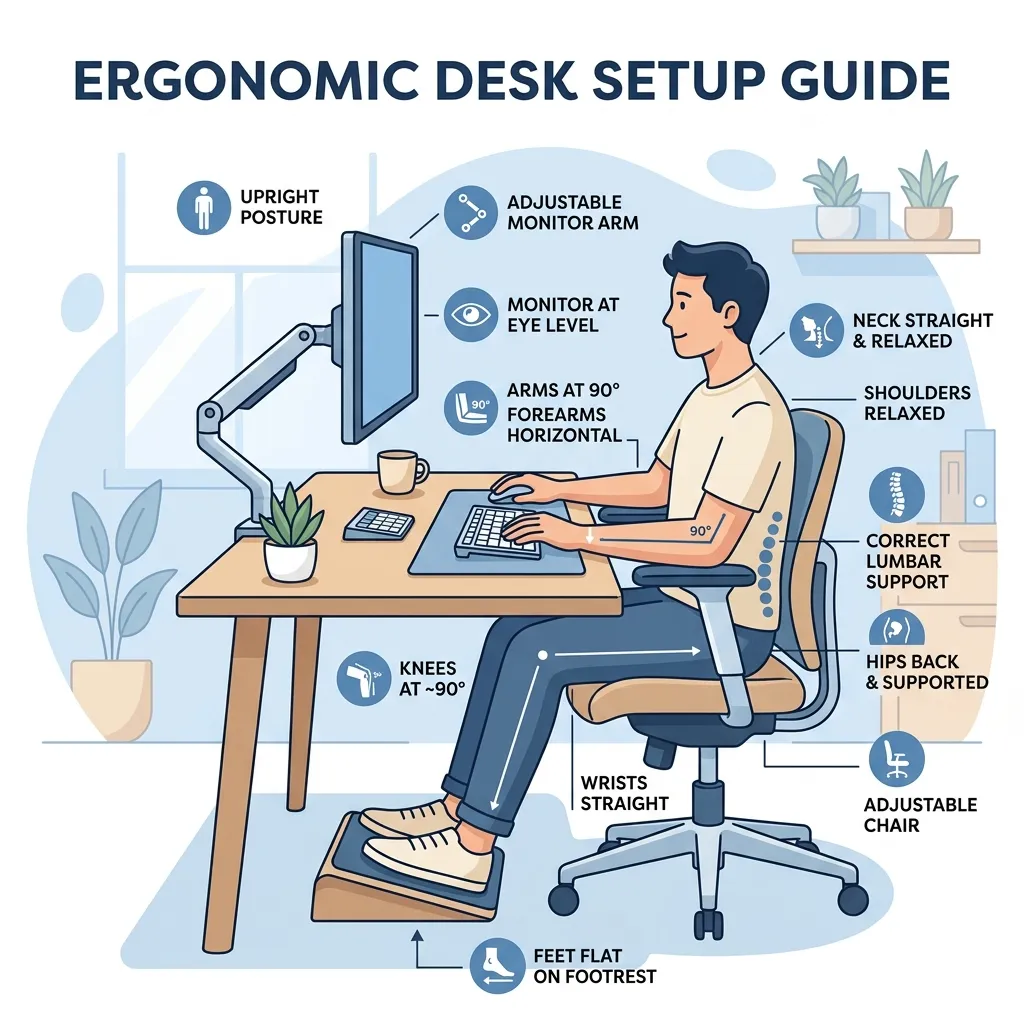
For further insights, explore our guides on ergonomic office chair adjustments and the correct monitor height for optimal posture.
Choosing the Right Chair for Your Needs
Selecting an office chair that fits your specific needs is paramount for productivity and comfort. Consider factors such as body type, desk height, and the time spent sitting when making your choice.
For instance, a chair with adjustable features may be more beneficial for taller individuals, while shorter users might require a chair with a lower seat height. Evaluating the chair's material and durability can ensure long-term satisfaction and support.
Adjusting Armrest Height and Width
The height and width of armrests play a crucial role in overall comfort and ergonomic support. Proper armrest adjustments can alleviate shoulder tension and promote a relaxed posture while typing.
To adjust, sit comfortably in your chair and raise or lower the armrests so that your elbows rest at a 90-degree angle. Ensure that the armrests are not too wide apart, as this can lead to strain in the neck and shoulders.
Understanding Seat Depth and Height Adjustments
Seat depth and height adjustments are essential for achieving optimal comfort during long hours of work. The seat depth should allow users to sit back fully while keeping a few inches of space between the back of the knees and the edge of the seat.
Height adjustments should ensure that your feet are flat on the ground, promoting proper circulation and reducing pressure on the thighs. Experiment with different settings to find the most comfortable position, as this can vary significantly among individuals.
Maintaining Your Office Chair
Regular maintenance is crucial for the longevity and performance of your office chair. Check and tighten any loose screws or bolts to prevent accidents and ensure stability.
Cleaning the chair regularly helps maintain the materials and can prevent wear and tear over time. Consider applying lubricant to moving parts to ensure smooth adjustments and prevent squeaking noises.
The Role of Chair Mats in Ergonomics
Chair mats can significantly enhance the ergonomic experience by protecting flooring and supporting mobility. They provide a smooth surface, allowing for easier movement of the chair without straining the legs or back.
Choosing the right mat based on your flooring type, such as carpet or hardwood, can improve chair performance and prevent damage. Additionally, mats can help in reducing static electricity, which can be a common nuisance in office environments.
Posture Awareness During Work
Awareness of posture is vital for anyone spending extended periods sitting in an office chair. Regularly check your alignment, ensuring that your back is straight and shoulders relaxed while seated.
Taking short breaks to stretch and adjust your position can prevent stiffness and discomfort. Incorporating posture checks into your daily routine can enhance overall well-being and productivity in the workplace.
Utilizing Technology for Ergonomic Adjustments
Advancements in technology have introduced various tools to assist in making ergonomic adjustments more accessible. Smart chairs are now equipped with sensors that monitor posture and provide feedback for adjustments.
Mobile applications can track seating habits and suggest optimal configurations based on user data. Leveraging these technologies can lead to a more personalized and effective ergonomic experience in the office.
Impact of Chair Adjustments on Productivity
Adjusting the backrest angle and lumbar support height can significantly impact productivity in the workplace. Research indicates that ergonomic seating contributes to reduced fatigue and increased focus among employees.
When employees are comfortable, they are less likely to experience discomfort that distracts from their tasks. The correlation between comfort and productivity is well-documented, emphasizing the importance of proper chair adjustments.
Moreover, productivity can also be enhanced by reducing the frequency of breaks caused by discomfort. An ergonomically optimized chair can lead to longer periods of sustained focus and efficiency.
Employers should consider investing in adjustable chairs to maximize employee output and well-being. The return on investment in ergonomic furniture often manifests in improved performance and lower healthcare costs.
Common Mistakes in Chair Adjustments
Many individuals make common mistakes when adjusting their office chairs, which can lead to discomfort and health issues. One prevalent error is neglecting to adjust the backrest angle according to personal preference and body type.
Another mistake is failing to set the lumbar support at the appropriate height. If the lumbar support is too low or too high, it can exacerbate back pain rather than alleviate it.
Additionally, some users may overlook the importance of adjusting the seat depth, believing that lumbar support alone is sufficient for good posture. This oversight can lead to improper spine alignment.
Awareness and education on the proper techniques for chair adjustments can help mitigate these common errors. Regular reminders to check and adjust chair settings can also promote better ergonomic practices.
Long-term Health Benefits of Proper Chair Adjustments
Properly adjusting the backrest angle and lumbar support height can yield significant long-term health benefits. Consistent use of an ergonomically correct chair can reduce the risk of developing chronic back pain.
Moreover, maintaining correct posture through these adjustments can prevent tension in other areas, such as the neck and shoulders. This holistic approach to ergonomics contributes to overall musculoskeletal health.
Long-term benefits also include improved circulation and reduced strain on the spine, which can enhance mobility over time. Users are more likely to maintain an active lifestyle when they experience less discomfort throughout the day.
Investing time in learning how to adjust office chairs correctly can lead to lasting health improvements, making it a worthwhile endeavor for both employees and employers.
Workplace Ergonomics Training Programs
Implementing workplace ergonomics training programs can enhance employees' understanding of chair adjustments. These programs can provide hands-on experience with various chair features, promoting effective use of ergonomic furniture.
Training can cover the importance of adjusting the backrest angle and lumbar support height, ensuring that employees learn to customize their chairs to fit their unique body types and preferences.
Additionally, training can address the importance of regular adjustments. As body conditions or work tasks change, employees should be encouraged to reassess their chair settings periodically.
Organizations that invest in such training programs often see improvements in employee satisfaction and reductions in ergonomic-related injuries, creating a healthier work environment overall.
The Future of Ergonomic Chair Technology
The future of ergonomic chair technology holds exciting possibilities for enhanced comfort and adjustability. Innovations in smart furniture are emerging, allowing chairs to automatically adjust based on user preferences and posture analysis.
Integration of sensors can provide real-time feedback to users, prompting them to make necessary adjustments for optimal ergonomics. This technology can help prevent long-term health issues associated with poor posture.
Furthermore, advancements in materials and design are leading to more customizable chair options, allowing users to personalize their seating experience even further. This adaptability can cater to a wider range of body types and work styles.
The incorporation of technology in ergonomic chairs not only enhances comfort but also promotes a proactive approach to health in the workplace. As these innovations continue to evolve, they are likely to revolutionize how employees interact with their seating arrangements.
Recognizing the Signs of Improper Chair Adjustments
Understanding the signs of improper chair adjustments is crucial for maintaining comfort and productivity. Users may experience discomfort or pain in their back, neck, or shoulders, which often indicates that their chair is not set up correctly.
Common signs include frequent shifts in seating position, the need for constant readjustment, or feelings of fatigue after short periods of sitting. If these symptoms arise, it is essential to reassess the chair's settings.
Another indicator is the presence of numbness or tingling in the legs, which can suggest that the seat depth or height is not suited for the user. This can lead to restricted blood flow and contributes to an uncomfortable working environment.
Regularly monitoring one's comfort level while seated can help in identifying the need for adjustments. Keeping an eye on these signs can lead to a more ergonomic and satisfying workspace, ultimately enhancing overall well-being.
Psychological Effects of a Well-Adjusted Chair
The psychological impact of a well-adjusted office chair should not be underestimated. Comfort is closely tied to productivity; when a chair is properly adjusted, employees tend to feel more focused and motivated.
A supportive chair can reduce feelings of stress and anxiety associated with discomfort, leading to a more positive work experience. This sense of well-being can influence not only individual performance but also overall workplace morale.
Furthermore, when employees recognize that their needs are being met through ergonomic adjustments, they may feel valued and appreciated by their employer. This can enhance job satisfaction and foster a sense of loyalty to the organization.
Creating an environment that prioritizes ergonomic principles can lead to a more engaged workforce. Ultimately, investing in proper chair adjustments can yield significant benefits for both employees and employers alike.
Integrating Chair Adjustments into Daily Routines
Integrating chair adjustments into daily routines can enhance ergonomic practices in the workplace. Establishing a habit of reviewing chair settings at the start of each workday can ensure optimal comfort throughout the day.
Employees can set reminders to check their chair adjustments after extended periods of sitting or following breaks. This habit can help maintain a consistent ergonomic setup, especially in dynamic work environments.
Encouraging team members to share their experiences and tips regarding chair adjustments can foster a culture of ergonomics within the workplace. Collaborative discussions can lead to better understanding and improved practices among colleagues.
Incorporating chair adjustments into regular training sessions can also reinforce the importance of ergonomics. By making this a part of the organizational culture, businesses can ensure long-term adherence to ergonomic principles and improve overall employee health.
Exploring Different Backrest Designs
Backrests come in various designs, each offering unique benefits that cater to different user needs. Traditional backrests typically provide a flat surface, which may not conform to the natural curvature of the spine, potentially leading to discomfort over extended periods.
Contoured backrests are designed to mimic the spine's natural S-curve, providing optimal support for the lower back and promoting better posture. Mesh backrests allow for increased airflow and flexibility, adapting to the user’s movements and reducing heat buildup during long working hours.
Some chairs feature adjustable backrests that allow users to change the shape or contour to match their specific spinal alignment. This level of customization is crucial for those with specific back conditions or preferences, as it allows for a more personalized seating experience.
Understanding the various backrest designs available can significantly enhance user comfort and promote a healthier work environment. A well-designed backrest not only supports proper posture but also contributes to overall productivity by minimizing distractions caused by discomfort or pain.
The Impact of Chair Adjustments on Mental Well-Being
Chair adjustments do not solely influence physical comfort; they also play a crucial role in mental well-being. A well-adjusted chair can significantly reduce stress and anxiety levels by providing a sense of security and comfort during work.
When users are aware that their chair supports their physical needs, they can focus more on their tasks rather than on discomfort. The ability to customize chair settings can empower users, fostering a sense of control over their workspace.
This autonomy can lead to increased job satisfaction and motivation, as employees feel that their comfort and productivity are prioritized. Additionally, ergonomic adjustments can contribute to a more positive work environment, leading to enhanced collaboration and communication among team members.
In summary, the mental well-being of office workers is closely linked to their chair adjustments. By prioritizing ergonomic practices, organizations can create a healthier and more productive work environment that nurtures both physical comfort and psychological resilience.
Frequently Asked Questions
What is the ideal backrest angle for an office chair?
An ideal backrest angle ranges from 100 to 120 degrees, promoting comfort while maintaining posture.
How often should adjustments be made?
Adjustments should be made periodically, especially after long hours of use, to ensure continued comfort and support.
Can lumbar support be removed?
Some chairs feature removable lumbar support, while others have integrated systems that cannot be detached.
What materials are best for an ergonomic chair?
Mesh and high-density foam are recommended for their breathability and support, enhancing ergonomic features.
Is it necessary to adjust the chair daily?
Daily adjustments may not be necessary, but regular checks are advisable to maintain an optimal ergonomic setting.