Accounts Payable Automation Software: The Invoice Errors Quietly Draining Your Business

In the competitive landscape of 2026, operational efficiency is no longer a luxury—it is a survival requirement. While CEOs focus on revenue growth, many CFOs are discovering a hidden leak that is quietly draining their profitability: manual accounts payable. Accounts Payable Automation Software has emerged as the high-performance solution to mitigate this financial bleed.
Every time an employee manually enters data from an invoice into an ERP system, the risk of error increases exponentially. A misplaced comma, a transposed digit, or a missed deadline can result in losses that range from minor late fees to multi-million dollar duplicate payments. In a world where margins are thinner than ever, these manual errors are simply unacceptable.
What is Accounts Payable (AP) Automation?

AP Automation is the process of using software to streamline and automate the entire lifecycle of a supplier invoice—from the moment it is received to the moment it is paid and reconciled in your financial books.
Modern Accounts Payable Automation Software uses advanced technologies like Artificial Intelligence (AI) and Machine Learning (ML) to read invoices, understand their context, and route them through the appropriate approval channels without a single human keystroke.
The Quiet Drain: How Invoice Errors Destroy Profitability

The financial impact of manual AP is often underestimated because it is spread across hundreds or thousands of small transactions. However, when aggregated, the numbers are staggering.
1. The Duplicate Payment Trap
One of the most common and expensive errors in manual finance departments is the duplicate payment. This happens when an invoice is submitted twice (perhaps once via email and once via mail) and is entered into the system as two different records. Without automated matching, the organization pays for the same goods or services twice. Recovering these funds is often a time-consuming administrative nightmare.
2. The Growing Mountain of Late Fees
Invoices that get lost in email inboxes or sit on desks for weeks are prone to late payment penalties. While a single $50 late fee might seem insignificant, for an enterprise managing thousands of vendors, these fees can easily accumulate into six-figure annual losses—money that could have been reinvested into growth.
3. Missed Early-Payment Discounts
Many suppliers offer "Early Payment Discounts" (e.g., 2/10 Net 30), which provide a 2% discount if the invoice is paid within 10 days. Manual processes are almost never fast enough to capture these discounts. By implementing Accounts Payable Automation Software, companies can flip their finance department from a cost center into a profit-generating unit by capturing every available discount.
How Accounts Payable Automation Software Works
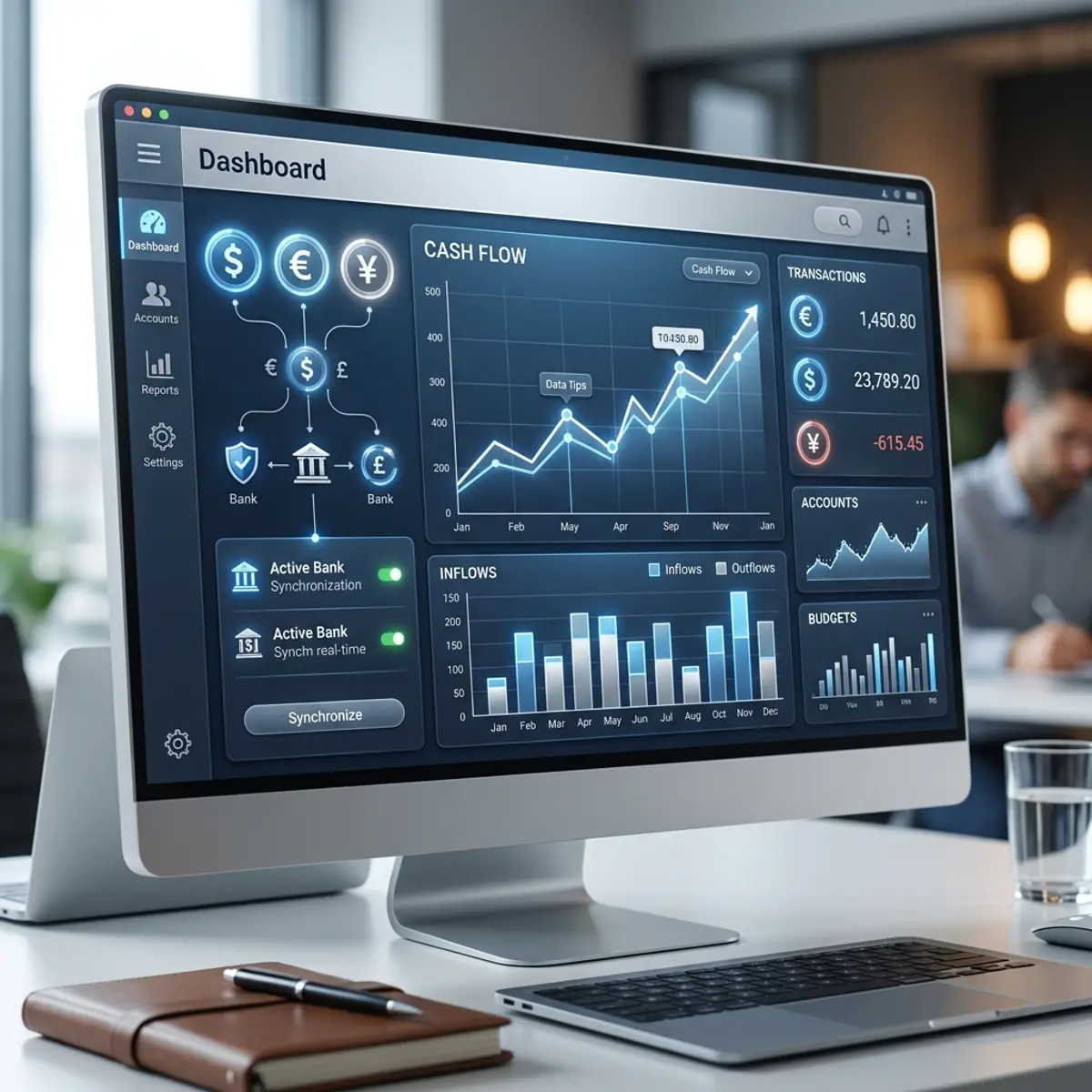
The magic of modern financial automation lies in its ability to replicate and improve upon human decision-making at scale.
1. OCR Data Extraction: No More Manual Data Entry
The first step in the process is Optical Character Recognition (OCR). Modern OCR doesn't just read the text; it understands the structure of the invoice. It identifies the vendor name, the tax ID, the line items, and the total amount with over 99% accuracy. This significantly reduces fat-finger errors that are inherent in manual data entry.
Efficiency in Motion: Automated Approval Workflows
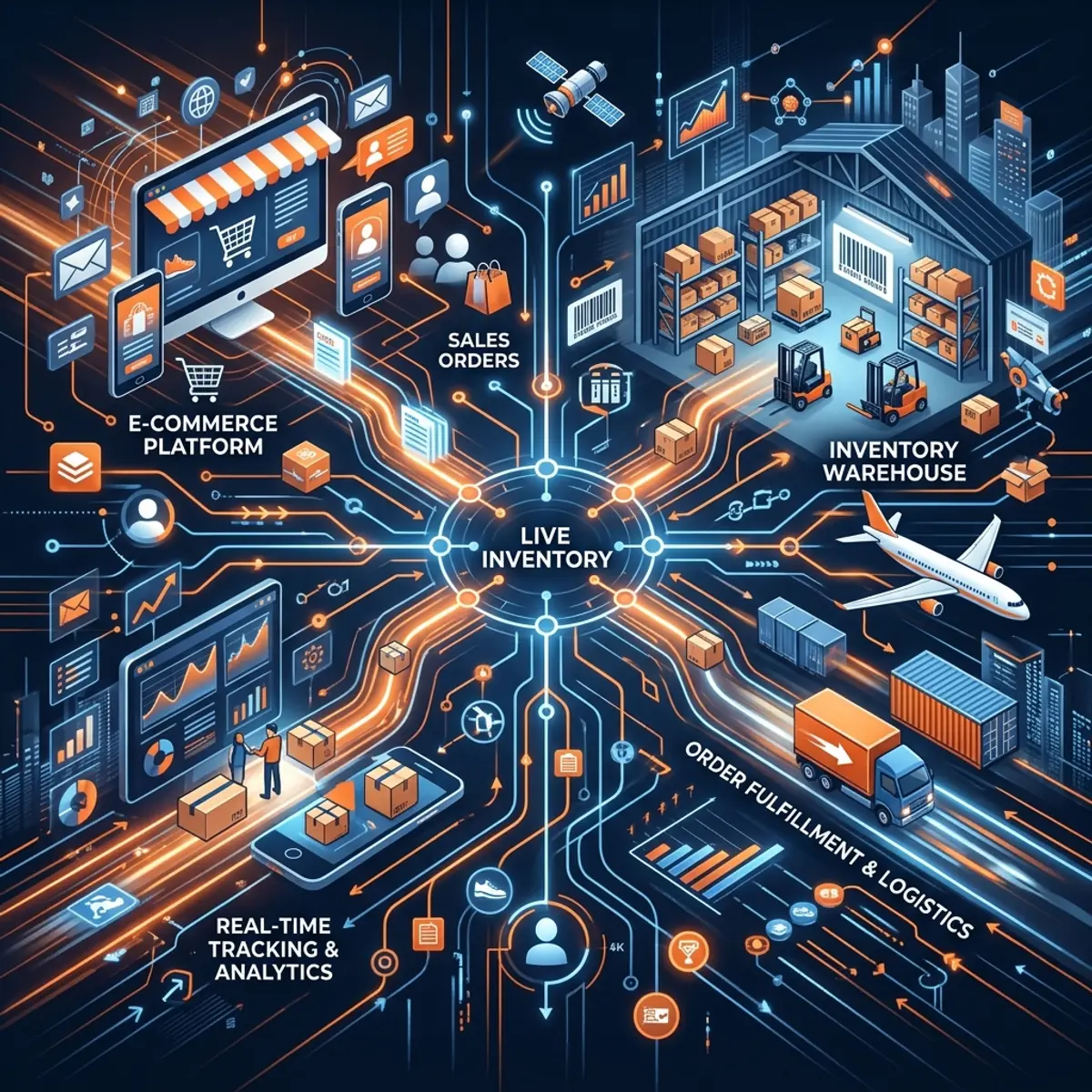
In a manual finance department, getting an invoice approved is like running an obstacle course. The invoice is emailed to a manager, who forgets it, then it's printed, signed, scanned, and emailed again. This process can take weeks.
Professional Accounts Payable Automation Software replaces this chaos with digital workflows. When an invoice is scanned, the system automatically routes it to the correct department head based on the dollar amount, vendor type, or project code. If the manager doesn't approve it within 48 hours, the system can automatically escalate it to their supervisor, minimizing the risk of missed payment deadlines.
The Gold Standard: The Three-Way Match

Fraud and overcharging are major risks in procurement. The "Three-Way Match" is the best defense against these threats. It involves comparing three critical documents:
- The Supplier Invoice: What the vendor says you owe.
- The Purchase Order (PO): What your company agreed to buy and at what price.
- The Receiving Report: What was actually delivered to your warehouse.
Manual three-way matching is incredibly tedious and prone to error. Automation software performs this match in milliseconds. If there is a discrepancy—for example, if the vendor charges $100 for an item that was quoted at $90—the system flags the invoice as an "Exception" and prevents payment until the issue is resolved.
Real-Time ERP Integration: The Nervous System of Finance
For financial automation to be effective, it must talk to your "System of Record"—your ERP. Whether you use SAP, Oracle, NetSuite, or Microsoft Dynamics, your Accounts Payable Automation Software must offer real-time, bi-directional API integration.
This means that when an invoice is approved in the AP software, it is automatically posted as a "Ready to Pay" transaction in the ERP. This eliminates double-entry, ensures that your general ledger is always accurate, and provides the CFO with a real-time view of the company's liabilities and cash flow.
Stopping Maverick Spending: Regaining Control
"Maverick Spending" occurs when employees purchase goods or services outside of the official procurement process. This leads to higher costs and fragmented vendor relationships. AP automation stops this by requiring a valid Purchase Order for every invoice. If there is no PO, the invoice cannot be processed, forcing employees to follow established corporate spending policies.
Global Compliance: Navigating E-Invoicing and Tax Laws
In 2026, tax authorities worldwide are moving toward "Continuous Transaction Controls" (CTCs). Countries like Italy, Mexico, and Brazil already require E-Invoicing, where invoices must be validated by the government in real-time.
A professional AP automation solution handles these complexities automatically. It validates VAT or GST numbers, ensures that digital signatures are valid, and keeps your organization in full compliance with local tax laws, significantly reducing the risk of a costly audit.
Building the Business Case: The Cost per Invoice
To justify the investment in Accounts Payable Automation Software, you must understand the true cost of manual processing. Industry research shows that processing a single invoice manually costs between $15 and $30 when you account for labor, paper, postage, and error correction.
In contrast, an automated process reduces this cost to under $3 per invoice. For a company processing 1,000 invoices per month, this represents a direct saving of up to $27,000 monthly, or over $320,000 annually. The ROI of AP automation is often achieved in less than six months.
Battle of the Platforms: Top AP Automation Software for 2026
Choosing the right platform is critical. Here is how the market leaders compare in 2026:
- Tipalti: The global leader for high-growth companies. Tipalti excels at cross-border payments and complex tax compliance (W-8/W-9 forms).
- Bill.com: Ideal for small to mid-sized businesses (SMBs). It offers a simple, intuitive interface and excellent integration with QuickBooks and Xero.
- AvidXchange: A powerhouse for mid-market companies with complex, multi-level approval needs and a massive supplier network.
- Quadient (formerly YayPay/Beanworks): Known for its exceptional AI-driven data extraction and deep integration with mid-market ERPs like Sage and NetSuite.
The Invisible Shield: AI-Driven Fraud Detection
Financial fraud is becoming increasingly sophisticated. Attackers use "Business Email Compromise" (BEC) to send fake invoices that look identical to those of your real suppliers. Manual reviewers are often fooled by these tactics.
Modern Accounts Payable Automation Software uses behavioral AI to analyze every invoice. It checks for subtle anomalies, such as a change in a vendor’s bank account details or an invoice amount that deviates from historical patterns. If the system detects a risk, it instantly blocks the payment and alerts the internal audit team, saving companies millions in potential losses.
Sustainability and ESG: The Path to a Paperless Office
In 2026, Environmental, Social, and Governance (ESG) goals are a top priority for investors and customers. Manual AP departments consume massive amounts of paper, ink, and electricity for physical filing and mailing.
By transitioning to an automated, paperless process, finance departments significantly reduce their carbon footprint. This transition provides tangible data for your company's annual ESG report, demonstrating a commitment to digital transformation and environmental responsibility.
Keys to a Successful Implementation
A successful transition to automated AP requires more than just buying software. It requires a cultural shift within the finance department. Organizations should focus on "Supplier Onboarding"—helping their vendors move from paper to electronic invoicing—to ensure the highest possible automation rates from day one.
Going Global: Multi-Entity and Multi-Currency AP
For multinational corporations, the accounts payable process is significantly more complex. Managing invoices across different legal entities, in various currencies, and complying with different international tax laws is a monumental challenge.
Professional Accounts Payable Automation Software provides a "Global Unified Ledger." It automatically handles currency conversions using real-time exchange rates and ensures that inter-company transactions are eliminated correctly. This level of automation provides the global CFO with a consolidated view of the entire organization's financial health in a single dashboard.
Empowering the Distributed Finance Team
The traditional finance department was tied to a physical office because of the reliance on paper. In 2026, the best finance talent works remotely. AP automation is the technology that enables this shift.
Cloud-based platforms allow AP clerks and managers to scan, code, and approve invoices from anywhere in the world. Mobile approval apps ensure that a CFO can approve a multi-million dollar payment while waiting at an airport, ensuring that business operations never slow down due to geographic distance.
The Rise of Virtual Cards: Speed and Cashback
Traditional payment methods like checks and wire transfers are slow and expensive. Modern AP platforms are increasingly integrating Virtual Cards into their payment workflows.
Virtual cards offer several advantages:
- Instant Payment: Suppliers get paid immediately, improving your relationship and negotiation power.
- Enhanced Security: Each card is generated for a specific transaction and amount, making them useless if stolen.
- Cashback Rewards: Many AP platforms offer 1% to 2% cashback on virtual card spend, effectively turning your accounts payable department into a revenue generator.
Case Study: Manufacturing Efficiency Through Automation
A mid-sized automotive parts manufacturer was struggling with a 30-day invoice processing cycle. They were losing thousands in late fees and their suppliers were threatening to stop shipments. They implemented a professional Accounts Payable Automation Software solution with deep ERP integration.
Within three months, their processing cycle dropped to 3 days. They eliminated all late fees and started capturing early-payment discounts that saved them over $150,000 in the first year alone. More importantly, their finance team was freed from data entry and could focus on strategic cash flow analysis.
Digital Trails vs. Paper Trails: The Auditor's Dream
When auditors arrive, a manual finance department is a scene of frantic file-searching and missing documents. An automated department, however, is an "Auditor's Dream."
Every invoice in an automated system has a complete digital audit trail. You can see who uploaded the invoice, who approved it, when it was paid, and the exact digital match to the PO and receiving report. This level of transparency not only makes audits faster and cheaper but also acts as a massive deterrent against internal fraud and embezzlement.
Securing the Bridge: API Security for Financial Automation
When you integrate your Accounts Payable Automation Software with your ERP, you are creating a digital bridge that carries your company's most sensitive financial data. If this bridge is not secure, it becomes a high-value target for hackers.
Modern financial automation requires enterprise-grade API security. This includes the use of encrypted TLS tunnels, OAuth 2.0 authentication, and strict IP whitelisting. Furthermore, all data at rest within the AP platform must be encrypted using AES-256 standards, ensuring that even in the event of a storage breach, your financial records remain unreadable.
Data Privacy: Handling Supplier Information (LGPD/GDPR)
Accounts payable departments handle a vast amount of "Personally Identifiable Information" (PII), including supplier bank details, tax IDs, and contact information. Under regulations like GDPR and LGPD, this data must be managed with extreme care.
A professional AP automation solution includes built-in privacy controls. It allows you to define "Data Retention Policies," automatically purging or anonymizing supplier data once it is no longer needed for legal or business purposes. This reduces your organization's regulatory liability and ensures that you stay on the right side of global privacy laws.
The Self-Service Revolution: Supplier Portals
One of the biggest time-wasters for an AP team is answering "Where is my payment?" calls from vendors. The solution in 2026 is the Self-Service Supplier Portal.
By providing vendors with a secure login to view their own invoice status, payment history, and tax documents, you eliminate 80% of routine supplier inquiries. This not only increases the productivity of your finance team but also significantly improves your vendor relationships by providing them with total transparency into the payment process.
Forecasting the Future: Predictive Cash Flow Analytics
When your accounts payable data is trapped in paper or spreadsheets, it is "Dark Data"—impossible to analyze effectively. When it is automated, it becomes a strategic asset.
Modern AP platforms use predictive analytics to analyze your payment patterns. They can tell a CFO exactly how much cash will be required for vendor payments over the next 30, 60, or 90 days with incredible precision. This allows organizations to optimize their working capital, invest excess cash more effectively, and avoid the "Cash Crunch" that often plagues manual organizations.
Technical Deep Dive: Integrating SAP, Dynamics, and Totvs
Every ERP has its own unique architecture. A "One-Size-Fits-All" integration approach never works. Accounts Payable Automation Software must offer specialized "Connectors" for major platforms:
- SAP S/4HANA: Integration via OData services and the SAP Cloud Platform.
- Microsoft Dynamics 365: Leveraging the Power Platform and Dataverse for seamless synchronization.
- Totvs Protheus: Using specialized REST APIs to handle the complexities of the Brazilian tax system and local accounting rules.
A deep, native integration ensures that data flows between the systems without latency or loss of fidelity, maintaining a "Single Source of Truth" for the entire enterprise.
Intelligent Ledger: Machine Learning in Expense Categorization
In a manual finance department, an AP clerk must decide which GL (General Ledger) code to apply to every single invoice. With thousands of codes and complex accounting rules, this is a prime source of error and inconsistency.
Modern Accounts Payable Automation Software uses Machine Learning to solve this. By analyzing your historical accounting data, the software learns which GL codes apply to which vendors and services. Over time, it achieves "Automated GL Coding" for up to 95% of your invoices, ensuring total consistency in your financial reporting and drastically reducing the time required for month-end closing.
Cloud-Based Tax Compliance: Automating Validation
Tax regulations are constantly evolving. Manually checking that every supplier has charged the correct tax rate is an impossible task for a human team. In 2026, automation software takes the lead by integrating with global tax engines.
The system automatically validates tax IDs, calculates the correct tax rate based on the geographic location of the buyer and seller, and ensures that the total amount is correct. For companies operating in multiple jurisdictions, this automation is a core way to avoid the massive penalties associated with incorrect tax filings.
The Holy Grail: The Zero-Touch AP Department
"Zero-Touch" refers to an invoice that is received, scanned, matched, and posted to the ERP without a single human ever seeing it. While 100% automation across all invoices is still rare, leading Accounts Payable Automation Software can achieve Zero-Touch rates of 70% to 80% for standard invoices.
Reaching this level of maturity requires high-quality data from suppliers and a robust set of automated business rules. The human AP team then shifts their focus from "Data Entry" to "Exception Management," dealing only with the complex 20% of invoices that require human judgment.
The Unified Flow: Procure-to-Pay (P2P) Integration
Accounts Payable does not exist in a vacuum. It is the final stage of the Procure-to-Pay (P2P) lifecycle. Organizations that separate their procurement software from their AP software often face data silos and reconciliation issues.
Integrating these processes into a single automated flow ensures that the information created during the "Request" and "Order" phases flows seamlessly into the "Payment" phase. This unified view allows the organization to negotiate better vendor terms, improve inventory management, and gain total control over the entire corporate spend lifecycle.
Handling Complexity: Logistics, Utilities, and Intercompany
Not all invoices are created equal. Logistics invoices, for example, often involve hundreds of line items and complex fuel surcharges. Utility invoices (electricity, water) can have variable rates that are difficult to predict.
Professional AP automation platforms offer specialized modules for these complex invoice types. They can handle "Fractional Quantities," "Seasonal Tax Variations," and "Intercompany Eliminations" with ease. By automating these high-complexity transactions, organizations can reclaim hundreds of hours of manual labor every month.
Neutralizing the "Phantom Vendor": Advanced Identity Validation
Internal fraud often involves the creation of "Phantom Vendors"—fake supplier accounts created by compromised or dishonest employees to siphon funds out of the company. In a manual system, these are incredibly difficult to spot.
Professional Accounts Payable Automation Software uses multi-factor validation for every new supplier. It checks tax databases, global watchlists, and verifies bank account ownership before a single penny is paid. Any attempt to modify a vendor's banking details triggers an automatic "Hard Lock" and requires manual approval from two different executive-level users, effectively neutralizing this common fraud vector.
Blockchain and Smart Contracts: The Future of AP?
There is much talk about blockchain in finance. In 2026, the real-world application in accounts payable is through Smart Contracts. When a shipment is received and scanned at the warehouse (IoT integration), a smart contract can automatically trigger a payment through the AP system if the goods match the PO perfectly.
This "Autonomous Payment" model removes the need for manual approval altogether for high-trust, high-frequency transactions. While still in the early adoption phase, this represents the next frontier of financial speed and accuracy, reducing payment cycles from days to seconds.
Forensic AI: Spotting Internal Embezzlement
Embezzlement often involves hundreds of small, seemingly legitimate transactions that stay just below the radar of traditional audits. Accounts Payable Automation Software uses "Forensic AI" to analyze the "Digital DNA" of every transaction.
The system looks for patterns that humans miss: an admin who consistently approves invoices on Saturday nights, or a series of payments that always total just under a $10,000 threshold. By providing real-time forensic monitoring, the software acts as a permanent, automated internal auditor that never sleeps.
Resilience in Finance: High Availability for AP
If your Accounts Payable Automation Software goes down, your company's ability to pay its bills—and maintain its reputation—stops. For large enterprises, this is a mission-critical risk.
Enterprise automation solutions must be deployed in a High Availability (HA) configuration. This means your financial data is mirrored across multiple geographic regions in real-time. If one data center fails, the system fails over instantly to another, ensuring that your financial operations, supplier portals, and approval workflows remain online 24/7/365.
Elite Governance Insights for CFOs
1. **Cash is King, but Data is the Kingdom:** Your AP data is the most accurate predictor of your future cash requirements. Treat it as your most valuable strategic asset.
2. **The Speed-Security Balance:** While speed is important, it should never come at the expense of control. Always maintain "Dual Control" for sensitive financial configurations.
3. **Vendor as a Partner:** Use your AP portal to build transparency with your suppliers. A vendor who knows exactly when they will be paid is a vendor who will give you better terms.
4. **Immutable Audit Logs:** Ensure your AP system has logs that cannot be modified by anyone—not even the system administrator. This is your ultimate protection in a court of law.
5. **Automation Maturity is a Journey:** Don't try to automate everything on day one. Start with your most frequent, standard invoices and slowly expand to more complex scenarios.
Why They Fail: Top 10 AP Automation Pitfalls
Despite the clear benefits, many Accounts Payable Automation Software implementations fail to deliver the expected ROI. The primary reason is often "Paving the Cowpath"—simply digitizing a broken, inefficient manual process instead of redesigning it for automation.
Other major pitfalls include poor data quality, lack of executive sponsorship, and choosing a software that doesn't natively integrate with your existing ERP. To succeed, organizations must treat AP automation as a "Business Transformation Project," not just a software installation. You must clean your vendor master data and simplify your approval workflows before you turn the system on.
The Human Element: Change Management in Finance
Resistance from the finance team is a major hurdle. Employees often fear that "the robots are taking our jobs." To overcome this, leaders must reframe automation as an "Employee Empowerment Tool."
Automation doesn't replace accountants; it replaces the tedious, low-value data entry that leads to burnout. By automating the "grunt work," you allow your finance team to become "Strategic Business Partners" who can analyze spend data, optimize payment timing, and add real value to the organization's bottom line.
The "Small Vendor" Problem: Automating Everyone
A common complaint is that small vendors won't use a portal or send electronic invoices. In 2026, the best Accounts Payable Automation Software solves this through "Zero-Onboarding" technologies.
The system can take a simple PDF email, or even a photographed paper invoice, and use AI to extract the data with total accuracy. By offering multiple submission methods—email, portal, or even mobile upload—you ensure that 100% of your vendor base can be automated, regardless of their own technological maturity.
ROI Beyond Labor: Dynamic Discounting and Trade Credit
While reducing headcount is a common goal, the biggest ROI from AP automation often comes from Dynamic Discounting. This is a model where you offer to pay a vendor early in exchange for a sliding-scale discount.
For example, if you pay on day 15 instead of day 30, you might get a 1.5% discount. Because the software handles the payment timing automatically, you can capture these savings at scale. For a large enterprise, this can result in millions of dollars in annual savings, far exceeding the cost of the software itself.
The 12-Month Implementation Roadmap
A successful enterprise rollout follows a structured path:
- Months 1-3: Process audit, vendor data cleansing, and software selection.
- Months 4-6: ERP integration setup and pilot phase with 5-10 trusted suppliers.
- Months 7-9: Broad supplier onboarding and internal staff training.
- Months 10-12: Optimization of business rules and full "Zero-Touch" rollout.
Following this disciplined approach ensures that the system is stable, the data is accurate, and the ROI is measurable from day one.
The AP Automation Glossary: Mastering Financial Tech
To lead a digital transformation in finance, you must understand the terminology. Here are the core concepts of Accounts Payable Automation Software:
- OCR (Optical Character Recognition): The technology used to convert images of text into machine-readable data.
- Three-Way Match: The process of verifying that the Invoice, Purchase Order (PO), and Receiving Report all match.
- P2P (Procure-to-Pay): The complete cycle of purchasing, receiving, and paying for goods and services.
- GL Coding (General Ledger Coding): Assigning an expense to the correct account in the company's financial records.
- Exception Handling: The process of managing invoices that do not match the PO or require special approval.
- Straight-Through Processing (STP): An invoice that is processed from receipt to payment without any human intervention.
Advanced AP Automation FAQ for Finance Leaders
Q: How long does it take to see a positive ROI from AP automation?
A: Most mid-market organizations achieve a full return on investment within 6 to 9 months, primarily through labor savings and the capture of early-payment discounts.
Q: Can AP automation handle handwritten invoices?
A: Modern AI-driven OCR can handle some handwriting, but for 100% accuracy, the software typically flags these for human review or uses specialized AI models trained on complex handwriting styles.
Q: Does the software prevent "Duplicate Invoices" before they enter the ERP?
A: Yes. The system checks for duplicate invoice numbers and vendor IDs in real-time, blocking the entry and alerting the AP team immediately.
Q: How does the software handle international taxes (VAT/GST)?
A: Professional platforms integrate with global tax engines to validate and calculate international taxes automatically based on the rules of each specific country.
The Final Verdict: Why Waiting is Draining Your Business
In 2026, manual accounts payable is a massive liability. Every day you wait to implement Accounts Payable Automation Software, you are losing money to late fees, duplicate payments, and manual labor costs.
The cost of "doing nothing" is far higher than the cost of implementation. Organizations that embrace autonomous finance today will have a significant competitive advantage in terms of cash flow efficiency and operational agility.
Conclusion: The Journey to Autonomous Finance
The transformation of the accounts payable department is not just about technology; it’s about liberating your finance team to perform higher-value work. By stopping the quiet drain of manual errors, you are securing your company’s financial future.
Lead your organization into the era of autonomous finance. Automate your accounts payable, optimize your cash flow, and turn your finance department into a powerhouse of strategic intelligence today.
The Next Frontier: Generative AI in Financial Auditing
While traditional automation follows set rules, Generative AI is bringing a new level of intelligence to Accounts Payable Automation Software in 2026. This technology can read and interpret complex legal contracts and compare them directly against incoming invoices.
If a vendor attempts to charge for a "service fee" that wasn't explicitly authorized in the master service agreement, the Generative AI engine will not only flag it but also draft a professional email to the vendor citing the specific clause in the contract. This level of "Autonomous Contract Enforcement" is saving enterprises millions in "leakage"—funds that were previously lost to unmonitored vendor overcharges.
Global Supply Chain Complexity: AP for International Trade
Managing accounts payable for global trade involves more than just paying for goods. It involves managing freight invoices, customs duties, and cross-border brokerage fees. These invoices are often in different languages and follow different international standards.
Advanced AP automation platforms now offer specialized "Global Trade Modules." These modules automatically reconcile shipping documents with carrier invoices and customs declarations. By ensuring that every duty and fee is accurate and paid on time, organizations can avoid costly port delays and ensure that their supply chain remains fluid and predictable.
B2B Digital Wallets: The Death of Traditional Wire Transfers
The slow, expensive world of traditional SWIFT wire transfers is being replaced by B2B Digital Wallets integrated directly into Accounts Payable Automation Software. These wallets allow for instant, low-cost international payments 24/7.
By maintaining a digital wallet within the AP platform, companies can pay their global suppliers in local currencies without the massive hidden fees charged by traditional banks. This not only saves money but also provides suppliers with instant liquidity, allowing you to negotiate better pricing and strengthen your global vendor network.
Autonomous Commerce: AI-to-AI Financial Negotiations
We are entering the era of "Autonomous Commerce." In 2026, Accounts Payable Automation Software doesn't just process invoices; it negotiates. When the system identifies that your company has excess cash flow, it can automatically contact your supplier’s AI-driven sales platform to negotiate an immediate discount for early payment.
This AI-to-AI negotiation happens in milliseconds. Your system says, "I can pay you today instead of in 30 days if you give me a 2.5% discount." The supplier's system calculates their cost of capital and accepts or counters. This autonomous optimization of working capital represents the pinnacle of modern financial strategy, turning the AP department into an active profit center that operates while you sleep.
The Secret ROI: The Power of "Clean Data"
The biggest failure in AP automation isn't the software; it's the data. "Dirty Data"—duplicate vendor records, incorrect tax IDs, and inconsistent GL codes—is a virus that slows down automation rates. Clean data is the fuel that powers 100% automation.
By using Accounts Payable Automation Software to sanitize your vendor master data, you gain a clear, unpolluted view of your corporate spend. You can identify which vendors are underperforming, which entities are over-spending, and exactly where your cash is going. Clean data isn't just an IT requirement; it's a strategic weapon for the CFO to drive better business decisions and higher margins.
The Autonomous Finance Maturity Model
Where does your organization stand? Leading CFOs use this model to track their progress:
- Level 1 (Manual): Paper-based, manual data entry, high error rates, and 30-day processing cycles.
- Level 2 (Digital): PDF invoices, basic OCR, and digital approval workflows, but still reliant on human coding.
- Level 3 (Automated): High OCR accuracy, real-time ERP integration, and 50% Zero-Touch rates.
- Level 4 (Autonomous): AI-to-AI negotiations, predictive cash flow, 90% Zero-Touch rates, and real-time forensic monitoring.
Strategic Leadership Insights: The Final Word
1. **Data Sovereignty:** Ensure you own your financial data. Choose a platform that allows for easy data portability and doesn't trap you in a proprietary ecosystem.
2. **The Compliance Shield:** In an era of increasing global tax transparency, automation is your primary defense against regulatory fines and reputation-damaging audits.
3. **Agility as a Competitive Advantage:** A company that can close its books in 1 day instead of 10 days can react to market shifts faster than its competitors. Speed is the new gold.
4. **Employee Reskilling:** As manual tasks disappear, invest in training your finance team to become data analysts and strategic advisors. Their value lies in their insight, not their typing speed.
5. **The Long View:** Automation is not a destination; it's a continuous process of optimization. Stay curious, stay digital, and never stop refining your financial engine.
The Financial Nexus: Integrating AP with Corporate Treasury
In the sophisticated enterprise of 2026, the accounts payable department is no longer an isolated silo. It has become a strategic partner to the Corporate Treasury. By automating the AP workflow, the organization gains real-time visibility into every dollar scheduled to leave the company over the next 90 days. This precision allows treasury managers to optimize their short-term investment strategies.
Instead of maintaining large, non-interest-bearing cash balances to cover unpredictable invoice runs, treasurers can invest that excess capital into higher-yield short-term instruments. The incremental interest earned through this precision often covers the entire subscription cost of the Accounts Payable Automation Software, making the technology essentially "self-funding" for large organizations.
Supply Chain Finance: Turning AP into a Strategic Asset
One of the most powerful trends in modern finance is Supply Chain Finance (also known as Reverse Factoring). With an automated AP platform, your company can offer suppliers the option to be paid early by a third-party financial institution at a low interest rate based on your company's high credit rating.
This creates a triple-win scenario: your suppliers gain instant liquidity to fund their own operations; your company strengthens its supply chain and improves vendor loyalty; and your organization can often earn a small "referral fee" or commission from the financial partner for every early payment processed. This transforms accounts payable from a "Necessary Cost" into a "Strategic Revenue Driver."
Detailed Comparison: Manual vs. Automated AP Performance
| Performance Metric | Manual Process | Automated Process |
|---|---|---|
| Avg. Cost per Invoice | $15 - $30 | $2 - $5 |
| Avg. Cycle Time | 20 - 45 Days | 3 - 7 Days |
| Exception Rate | 10% - 15% | Less than 2% |
| Data Accuracy | Low (Subject to Human Error) | High (99%+ OCR Accuracy) |
Beyond 2026: The Future of Autonomous Finance
As we look toward 2030, the evolution of Accounts Payable Automation Software will shift from "Automation" to "Autonomous Agency." We are entering a world where AI agents will not just process invoices but will actively manage the entire financial relationship with your vendors. These agents will be capable of identifying supply chain risks before they happen, such as a vendor's financial instability, and will suggest alternative suppliers to ensure business continuity.
Furthermore, the integration of Generative AI will allow for real-time, natural language interactions with your financial data. A CFO will be able to ask the system, "Show me all invoices related to Project X where the price has increased by more than 5% since last year," and receive a detailed, accurate analysis in seconds. This democratization of financial data will allow for faster decision-making and a level of agility that was previously impossible in the era of manual processing.
The Strategic Verdict: Efficiency as a Competitive Moat
The decision to implement Accounts Payable Automation Software is no longer just a technical one; it is a strategic mandate. In a global economy where speed and data accuracy are the primary drivers of success, the organizations that continue to rely on manual, paper-based finance processes will find themselves at a severe competitive disadvantage.
Efficiency is the new competitive "moat." By reducing your processing costs and eliminating manual errors, you are creating a more resilient, more profitable organization. The savings generated by automation are not just "overhead reduction"—they are capital that can be deployed into R&D, market expansion, and strategic acquisitions.
Conclusion: Secure Your Financial Future Today
The hidden leaks of manual accounts payable are costing your business more than you realize. Every misplaced invoice, every duplicate payment, and every late fee is a drain on your company's potential. Accounts Payable Automation Software is the plug for these leaks.
Don't wait for a crisis to transform your finance department. Take the lead today. Implement a robust, AI-driven automation strategy, empower your finance team with strategic data, and secure the keys to your financial kingdom for 2026 and beyond.
Enterprise Security Addendum: Protecting the Financial Core
For organizations operating at scale, the security of Accounts Payable Automation Software must meet the most rigorous standards. This includes not only technical encryption but also operational governance. Enterprises should look for platforms that offer SOC 1 and SOC 2 Type II certifications, as well as PCI-DSS compliance if card payments are involved. Furthermore, the implementation of "Segregation of Duties" (SoD) through the software ensures that no single individual has the power to create a vendor, approve an invoice, and initiate a payment, providing a robust defense-in-depth strategy against both external and internal threats.
By treating financial automation as a core component of your Cybersecurity and Governance framework, you are not only optimizing your cash flow but also hardening your organization's most sensitive operational surface against the sophisticated threat landscape of 2026.
🌍 Global Compliance (GDPR & VAT)
For multinational enterprises, AP automation must navigate the complexities of GDPR and VAT/GST regulations. Our framework ensures real-time tax validation and secure handling of PII for cross-border transactions, maintaining full compliance with international financial standards in 2026.