Wooden Wrist Rests for Mechanical Keyboards: Health and Style Guide

Wooden wrist rests enhance both health and style for mechanical keyboard enthusiasts.
Ergonomic Benefits of Wooden Wrist Rests
Wooden wrist rests promote neutral wrist positioning, reducing the risk of repetitive strain injuries. Their natural contours support forearm alignment, enhancing comfort during prolonged typing sessions.
Material Considerations
Common materials for wooden wrist rests include walnut, oak, and bamboo, each offering unique durability and aesthetic appeal. The choice of wood significantly influences both tactile feel and visual harmony with mechanical keyboards.
Performance and Typing Experience
The incorporation of wooden wrist rests can enhance typing speed and accuracy. Their stable surface minimizes wrist movement, allowing for more fluid keystrokes and reducing fatigue.
Design Aesthetics
Wooden wrist rests provide a natural elegance that complements the mechanical keyboard's industrial design. The variety of finishes available allows for customization to fit individual workspace aesthetics.
Brands and Product Comparisons
Leading brands like HyperX, Glorious, and Kinesis offer high-quality wooden wrist rests tailored for mechanical keyboards. Each brand features unique designs and ergonomic enhancements worth evaluating.
| Brand | Material | Dimensions (mm) | Weight (g) | Price (USD) |
|---|---|---|---|---|
| HyperX | Walnut | 460 x 90 x 25 | 600 | 39.99 |
| Glorious | Bamboo | 460 x 120 x 30 | 700 | 49.99 |
| Kinesis | Maple | 450 x 100 x 20 | 550 | 59.99 |
DomineTec Tip: Regular breaks and wrist stretches complement the use of wrist rests to further reduce strain.
- Select a wrist rest that matches the keyboard height for optimal comfort.
- Evaluate the wood type based on aesthetic preference and durability needs.
- Consider the weight of the wrist rest for stability during use.
- Test the wrist rest with the keyboard to ensure compatibility.
- Incorporate regular ergonomic assessments of the workspace.
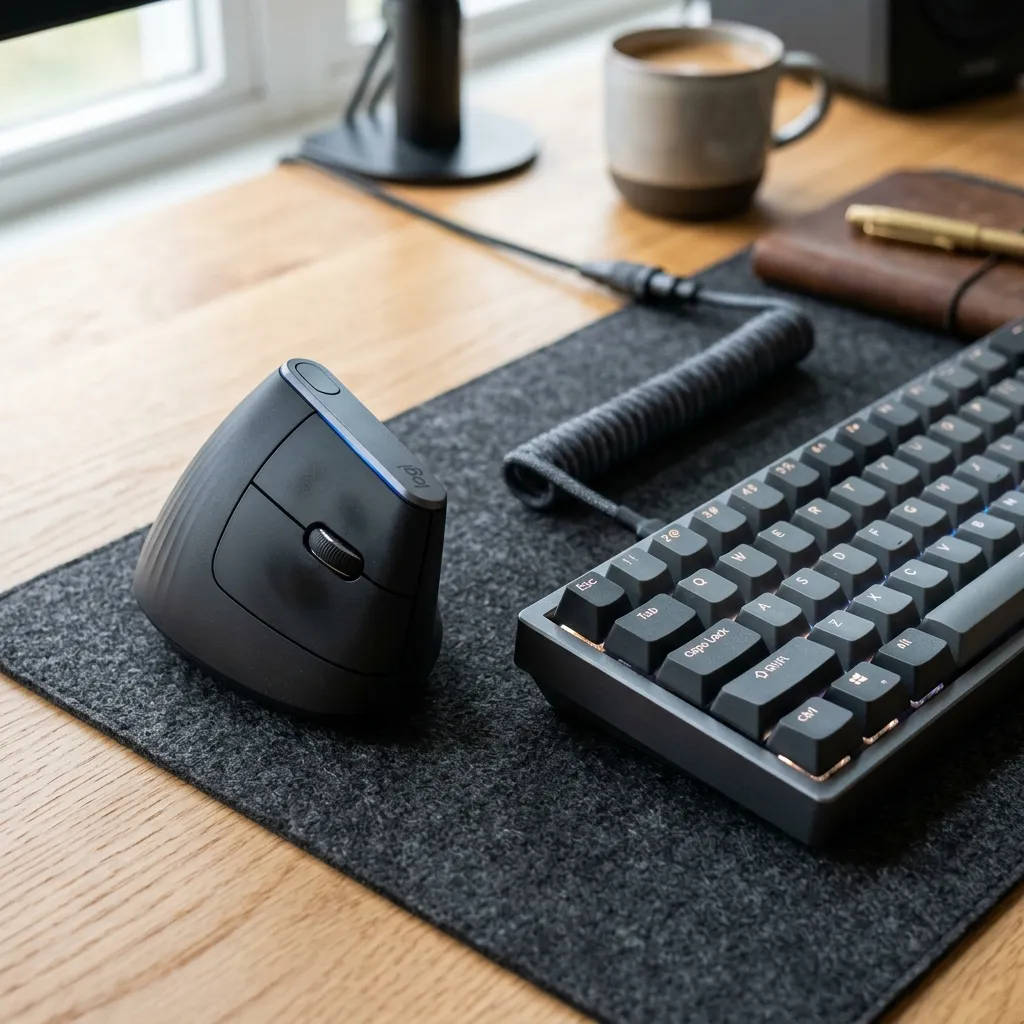

Customization Options for Wooden Wrist Rests
Customization plays a significant role in the appeal of wooden wrist rests for mechanical keyboards. Users can choose various wood types, finishes, and sizes to match their personal style and ergonomic needs.
Common wood types include maple, walnut, and cherry, each offering unique aesthetics and durability. The choice of wood can also impact the weight and feel of the wrist rest, influencing typing comfort.
Many manufacturers offer customizable engraving options, allowing users to personalize their wrist rests with logos, names, or designs. This personalization can enhance the connection between the user and their keyboard setup.
By considering customization options, users can create a wrist rest that not only meets their ergonomic requirements but also reflects their personal style, making it a worthwhile investment.
Care and Maintenance of Wooden Wrist Rests
Proper care and maintenance can significantly extend the lifespan of wooden wrist rests. Regular cleaning should be performed using a soft, dry cloth to remove dust and debris, preventing damage to the wood's finish.
Occasional application of wood conditioner or mineral oil can help maintain the wood's luster and protect it from moisture. This is especially important for wrist rests that may be exposed to perspiration during extended typing sessions.
Users should avoid harsh chemicals or abrasive materials, as these can strip the finish and cause long-term damage. Storing the wrist rest in a cool, dry environment can also prevent warping or cracking.
By following these care guidelines, users can ensure their wooden wrist rests remain functional and visually appealing for years to come.
Environmental Impact of Wooden Wrist Rests
The sourcing of wood for wrist rests has significant implications for environmental sustainability. Responsible harvesting practices help ensure that forests are not over-exploited and that ecosystems remain intact.
Many manufacturers now seek to use reclaimed or sustainably sourced wood, which reduces the impact on natural resources. This trend aligns with the increasing demand for eco-friendly products among consumers.
Choosing wooden wrist rests made from sustainable materials can contribute to reducing the carbon footprint associated with keyboard accessories. Users can support responsible forestry practices by opting for products with certifications like FSC (Forest Stewardship Council).
As environmental awareness grows, the choice of wrist rests can reflect broader values concerning sustainability and conservation, making them a more thoughtful addition to any workspace.
Comparative Advantages of Different Wood Types
The choice of wood type for wrist rests can influence both functionality and aesthetics. Hardwoods such as maple and oak are known for their durability and resistance to wear, making them ideal for everyday use.
Softer woods like pine offer a lighter feel but may not withstand heavy use as well. Understanding the properties of each wood type can help users select a wrist rest that aligns with their typing habits.
In terms of aesthetics, different woods possess unique grain patterns and colors, which can enhance the overall look of a keyboard setup. For instance, walnut offers deep, rich tones that add warmth to any workspace.
Ultimately, selecting the right wood type involves balancing durability, comfort, and style preferences, ensuring that users find a wrist rest that meets their needs.
Impact on Posture and Comfort During Long Sessions
Long typing sessions can lead to discomfort and poor posture if wrist supports are not utilized effectively. Wooden wrist rests can promote proper alignment of the wrists, reducing strain during extended use.
A well-designed wrist rest encourages a neutral wrist position, alleviating pressure on the carpal tunnel and preventing repetitive strain injuries. This is particularly crucial for users who spend hours typing daily.
The solid construction of wooden wrist rests provides a stable base, allowing users to rest their wrists comfortably without excessive sinking or instability. This can enhance overall typing efficiency and comfort.
By investing in a quality wooden wrist rest, users can significantly improve their posture and comfort levels, making long typing sessions more enjoyable and less taxing on the body.
Trends in Wooden Wrist Rest Designs
Emerging trends in wooden wrist rest designs reflect evolving user preferences and technological advancements. Minimalist designs with clean lines are becoming increasingly popular, appealing to modern aesthetics.
Some manufacturers are incorporating ergonomic features such as contoured shapes or built-in gel pads, blending traditional wood materials with innovative designs for enhanced comfort.
Customization options are also on the rise, with users seeking unique finishes and colors that can complement their keyboard setups. This personalization allows users to create a cohesive and stylish workspace.
As the market continues to evolve, these trends highlight the importance of functionality and style in the design of wooden wrist rests, catering to the diverse needs of users.
Community and User Reviews of Wooden Wrist Rests
The online community surrounding mechanical keyboards is vibrant and active, with many users sharing their experiences and reviews of wooden wrist rests. These insights can provide valuable information for potential buyers.
User reviews often highlight the comfort, aesthetics, and durability of specific models, helping others make informed purchasing decisions. Engaging with community forums or social media groups can also reveal tips and tricks for maximizing the use of wrist rests.
Additionally, personal testimonials can offer a glimpse into how different wrist rests perform during long typing sessions, shedding light on their ergonomic benefits and any drawbacks.
By tapping into community feedback, users can gain a better understanding of which wooden wrist rests may best suit their needs and preferences, fostering a more informed buying process.
Durability and Longevity of Wooden Wrist Rests
Wooden wrist rests are known for their durability, often outlasting synthetic alternatives when properly maintained. The natural properties of wood allow it to withstand daily wear and tear, making it a practical choice for avid typists.
To enhance their longevity, many manufacturers apply protective finishes that resist moisture and dirt. These finishes can help prevent scratches and surface damage, ensuring that the wrist rests maintain their aesthetic appeal over time.
Regular maintenance, such as oiling or polishing, can further extend the lifespan of wooden wrist rests. Users are encouraged to follow specific care instructions provided by manufacturers to preserve the integrity of the wood.
Ultimately, a well-cared-for wooden wrist rest can provide years of reliable use, making it a cost-effective investment for both health and style in the typing experience.
Health Considerations Beyond Ergonomics
While ergonomic benefits are widely recognized, wooden wrist rests also offer additional health considerations. The natural materials used in wooden wrist rests can reduce the risk of allergic reactions compared to synthetic alternatives.
Moreover, wooden wrist rests can contribute to a healthier workspace by promoting a more natural hand position. This alignment can help alleviate strain on the wrists and forearms during extended typing sessions.
The tactile feedback provided by wood can enhance the typing experience. The warm and solid feel of wood can create a more comfortable environment, potentially reducing fatigue during long hours of use.
Incorporating wooden wrist rests into a workspace can also enhance overall mental well-being. The aesthetic qualities of wood can create a more inviting atmosphere, leading to increased productivity and reduced stress levels.
Choosing the Right Thickness and Size
The thickness and size of wooden wrist rests play a crucial role in their effectiveness. A wrist rest that is too thick may elevate the wrists excessively, leading to discomfort and strain.
Conversely, a wrist rest that is too thin may not provide adequate support, failing to alleviate pressure on the wrists. It is essential to consider individual typing styles and preferences when selecting the appropriate dimensions.
The width of the wrist rest should align with the keyboard size to ensure proper hand positioning. Ensuring that the wrists are level with the keyboard can help maintain a neutral posture and reduce the risk of repetitive strain injuries.
Ultimately, users should test different sizes and thicknesses to identify the most comfortable option for their specific needs, as the right fit can significantly enhance the typing experience.
Integration with Gaming and Professional Setup
Wooden wrist rests have gained popularity not only among typists but also within the gaming community and professional environments. Their ability to provide comfort during extended periods of use makes them a valuable addition for gamers who demand precision and endurance.
The aesthetic appeal of wooden wrist rests can enhance the overall look of a gaming setup, allowing for personalized themes and styles. In professional settings, where long hours at the keyboard are commonplace, wooden wrist rests can help reduce strain and fatigue.
The tactile nature of wood provides a unique sensory experience that can improve focus and productivity. Moreover, these wrist rests often complement high-end mechanical keyboards, creating a cohesive and visually pleasing workstation.
For gamers, the combination of style and function is crucial. Many brands offer wrist rests that are specifically designed to match popular gaming keyboards, ensuring that users do not have to compromise on aesthetics for comfort.
As the trend of custom builds continues to grow in both gaming and professional realms, wooden wrist rests present an opportunity for individuals to express their unique tastes while also investing in their health.
Economic Considerations of Wooden Wrist Rests
The cost of wooden wrist rests can vary significantly based on factors such as wood type, craftsmanship, and brand reputation. While some may view these products as a luxury, they often provide a good return on investment through durability and enhanced typing comfort.
When comparing wooden wrist rests to their foam or plastic counterparts, it is important to consider the long-term savings associated with better health outcomes. Investing in a quality wooden wrist rest could potentially reduce the risk of repetitive strain injuries, thereby decreasing medical costs and lost productivity over time.
The rise of artisanal craftsmanship has introduced a range of price points that can accommodate different budgets. Consumers can find options that reflect their financial constraints while still prioritizing quality.
Ultimately, the economic considerations surrounding wooden wrist rests go beyond mere purchasing decisions. They encompass the broader impact of health, productivity, and personal satisfaction, making them a worthwhile investment for many individuals seeking both comfort and style in their daily computing tasks.
Compatibility with Different Keyboard Types
Wooden wrist rests can enhance the experience of using various types of mechanical keyboards, including compact, full-size, and ergonomic models. Their design must complement the keyboard's height and layout to provide optimal support and comfort.
For compact keyboards, which often have lower profiles, a thinner wrist rest might be more suitable to ensure that users maintain a natural wrist angle. Conversely, full-sized keyboards may benefit from a thicker wrist rest to accommodate the added height, promoting better posture during long typing sessions.
Ergonomic keyboards, designed with a split layout or an angled surface, may require a customized wrist rest that aligns with their unique shape. Ensuring compatibility not only improves comfort but also enhances overall typing efficiency.
Users should consider their specific keyboard model and usage habits when selecting a wooden wrist rest, as this can significantly impact their typing experience and long-term health.
Impact on Workflow and Productivity
Incorporating a wooden wrist rest into a workspace can positively affect workflow and productivity by providing comfort during extended periods of typing. A well-designed wrist rest helps reduce strain, allowing users to focus better on their tasks without being distracted by discomfort.
By promoting a more natural wrist position, wooden wrist rests can lead to fewer breaks and interruptions, enabling users to maintain their concentration for longer durations. This is particularly beneficial in high-pressure work environments where productivity is essential.
A visually appealing wooden wrist rest can enhance the overall aesthetic of a workspace, contributing to a more pleasant working atmosphere. A harmonious workspace can influence mood and motivation, further boosting productivity levels.
Ultimately, the right wooden wrist rest can serve as an investment in both health and efficiency, making it a valuable addition to any typing setup.
Frequently Asked Questions
What is the best material for a wrist rest?
Walnut and bamboo are popular choices due to their durability and comfort. The best material ultimately depends on personal preference and aesthetic goals.
How long should a wrist rest last?
With proper care, wooden wrist rests can last several years. Regular maintenance, including cleaning and conditioning, can extend their lifespan.
Can wrist rests help with carpal tunnel syndrome?
While wrist rests can provide comfort, they should not be seen as a cure for carpal tunnel syndrome. Proper ergonomic practices are essential for prevention and management.
Are wrist rests necessary for mechanical keyboards?
Wrist rests are not mandatory but can significantly enhance comfort. They are particularly beneficial for users who spend extended hours typing.
How should a wrist rest be positioned?
The wrist rest should align with the keyboard to maintain a neutral wrist position during typing. Adjustments may be necessary based on individual ergonomic needs.