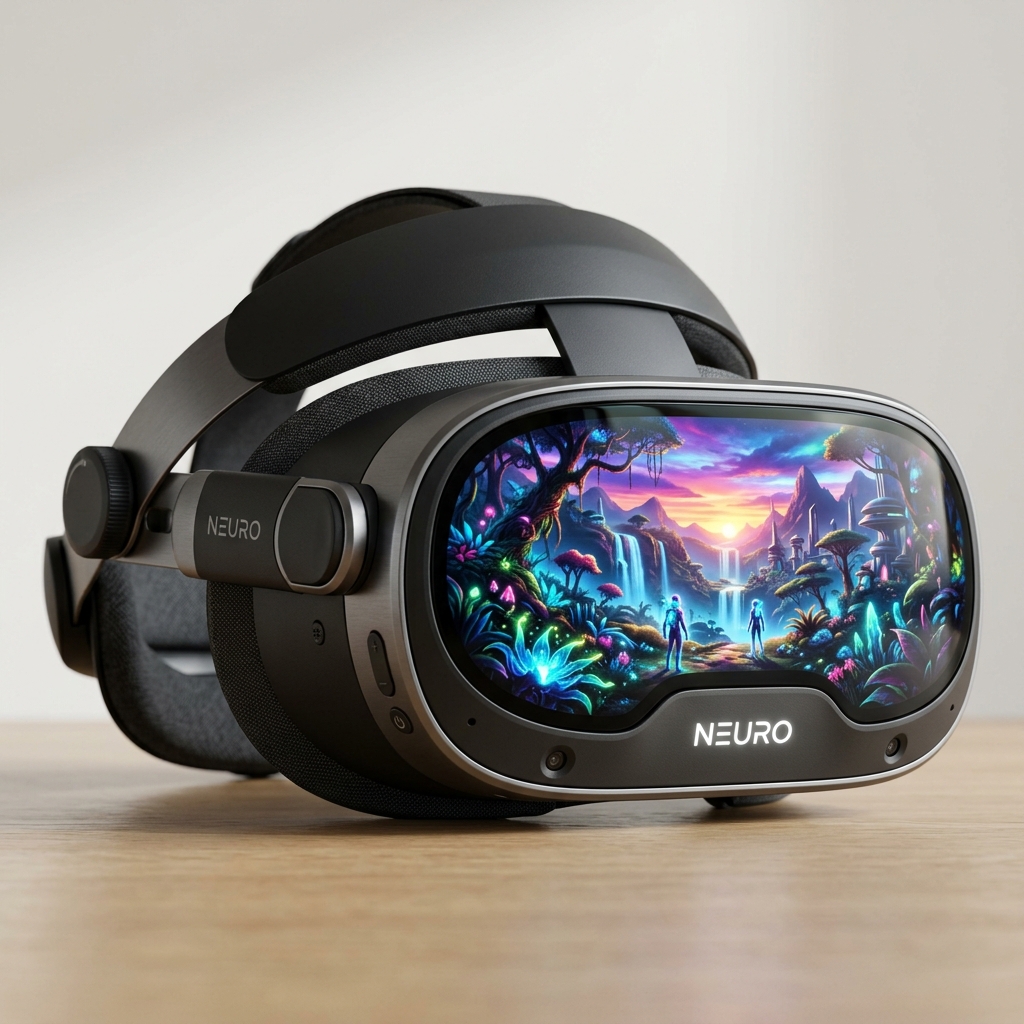
Wi-Fi 6E Benefits on Meta Quest 3 for Wireless VR Streaming

Wi-Fi 6E Benefits on Meta Quest 3 for Wireless VR Streaming
Understanding the role of Wi-Fi 6E in enhancing wireless VR streaming on the Meta Quest 3 is essential for optimal user experiences. This advanced Wi-Fi technology significantly improves connectivity, bandwidth, and latency, making it a critical feature for immersive virtual reality gaming and applications.
What is Wi-Fi 6E?
Wi-Fi 6E is an extension of Wi-Fi 6, operating on the newly allocated 6 GHz band. This band provides additional channels, significantly reducing congestion and allowing for faster speeds and lower latency.
Direct Benefits of Wi-Fi 6E on Meta Quest 3
Wi-Fi 6E benefits on the Meta Quest 3 for wireless VR streaming include enhanced throughput, reduced latency, and improved network efficiency. These improvements result in a more immersive and responsive virtual reality experience.
Enhanced Throughput for High-Quality Streaming
With Wi-Fi 6E, the Meta Quest 3 can achieve higher data rates, supporting 4K streaming and complex VR environments without lag. This is crucial for applications that demand high visual fidelity and fast frame rates.
Reduced Latency for Real-Time Interactions
Lower latency ensures that user movements are reflected in the virtual environment almost instantaneously. This is particularly important in fast-paced gaming scenarios where every millisecond counts.
Improved Network Efficiency
The additional channels provided by Wi-Fi 6E decrease the likelihood of network congestion. This results in smoother streaming experiences, even in environments with multiple devices connected simultaneously.
Comparison of VR Headsets with Wi-Fi 6E Capabilities
| Model | Wi-Fi Standard | Resolution | Refresh Rate | Field of View (FOV) | Price |
|---|---|---|---|---|---|
| Meta Quest 3 | Wi-Fi 6E | 2064 x 2208 per eye | 120 Hz | 110 degrees | $499 |
| Meta Quest 2 | Wi-Fi 5 | 1832 x 1920 per eye | 90 Hz | 89 degrees | $299 |
| Pico 4 | Wi-Fi 6 | 2160 x 2160 per eye | 90 Hz | 105 degrees | $429 |
| Pico 4 Enterprise | Wi-Fi 6 | 2160 x 2160 per eye | 90 Hz | 105 degrees | $599 |
| Valve Index | Wi-Fi 5 | 1440 x 1600 per eye | 120 Hz | 130 degrees | $999 |
| PlayStation VR2 | Wi-Fi 5 | 2000 x 2040 per eye | 120 Hz | 110 degrees | $549 |
| Apple Vision Pro | Wi-Fi 6E | 3200 x 3200 per eye | 120 Hz | 120 degrees | $3499 |
Practical Steps to Optimize Wi-Fi 6E on Meta Quest 3
- Ensure your router supports Wi-Fi 6E for optimal performance.
- Position the router strategically to minimize interference.
- Update the firmware of both the Meta Quest 3 and the router.
- Connect the Meta Quest 3 to the 6 GHz band for higher throughput.
- Regularly monitor network performance and adjust settings as needed.
DomineTec Tip: For an unparalleled VR experience, consider buying the Meta Quest 3 to harness the full power of Wi-Fi 6E.
Impact of Wi-Fi 6E on VR Gameplay
The impact of Wi-Fi 6E on VR gameplay is multifaceted. Users can expect smoother graphics, less stuttering, and an overall more immersive experience.
Game Streaming and Cloud Gaming
Wi-Fi 6E allows for seamless game streaming and cloud gaming experiences. This opens the door to a wider array of VR games that can be accessed without the need for substantial local storage.
Multiplayer Experiences
Enhanced connectivity facilitates better multiplayer experiences, where latency and lag are minimized. This ensures that competitive gameplay remains fair and engaging for all participants.
Content Creation and Development
For developers, the advantages of Wi-Fi 6E can enhance collaborative efforts in real-time. This is particularly useful for teams working on immersive content that requires extensive resources and bandwidth.
Future of Wireless VR with Wi-Fi 6E
The future landscape of wireless VR will likely see widespread adoption of Wi-Fi 6E technology. As more devices come equipped with this standard, the overall VR ecosystem will benefit from improved performance and user satisfaction.
Potential Innovations
Potential innovations may include enhanced AR capabilities, improved analytics for user interaction, and more complex virtual environments. This will push the boundaries of what is possible in the virtual realm.
Conclusion
Leveraging Wi-Fi 6E benefits on Meta Quest 3 for wireless VR streaming can elevate the overall virtual reality experience. Investing in this technology translates into enhanced performance, reduced latency, and a more immersive environment.
Frequently Asked Questions
- What is the main advantage of Wi-Fi 6E for VR?
- Wi-Fi 6E provides higher data rates and lower latency, crucial for a seamless VR experience.
- Can Meta Quest 3 utilize Wi-Fi 5?
- While it can connect to Wi-Fi 5 networks, utilizing Wi-Fi 6E maximizes performance and streaming quality.
- How does Wi-Fi 6E improve multiplayer VR gaming?
- Wi-Fi 6E reduces lag and improves response times, enhancing the multiplayer gaming experience.
- What routers are recommended for optimal Wi-Fi 6E performance?
- Routers that support Wi-Fi 6E, such as the ASUS ROG Rapture GT-AXE11000 or Netgear Nighthawk RAXE500, are recommended.
- Is it worth upgrading to Wi-Fi 6E for VR streaming?
- Yes, upgrading to Wi-Fi 6E is beneficial for high-quality VR streaming and immersive experiences.
Enhanced Streaming Quality with Wi-Fi 6E
Wi-Fi 6E introduces additional bandwidth that significantly improves streaming quality for VR experiences on devices like the Meta Quest 3. This leads to smoother visuals and reduces latency, enhancing immersion during gameplay.
The increased data rates allow for higher resolutions and frame rates, providing a more lifelike experience while exploring virtual worlds. Users can enjoy seamless streaming without interruptions or lag.
Lower Latency for Real-Time Interaction
With Wi-Fi 6E, latency is considerably reduced, which is crucial for interactive VR experiences. Fast response times ensure that movements and actions in the virtual environment feel natural and immediate.
This is particularly beneficial for multiplayer gaming, where precise timing can make all the difference. Players can engage in real-time interactions without the frustration of delayed responses.
Improved Range and Connectivity
Wi-Fi 6E operates on the 6 GHz band, offering a wider coverage area that enhances connectivity in larger spaces. Users of the Meta Quest 3 can enjoy extended range without sacrificing performance.
This improvement allows for more freedom of movement while gaming, ensuring that users can explore their surroundings without signal drops or interruptions. Enhanced connectivity translates to a more enjoyable and immersive VR experience.
Support for Multiple Devices Simultaneously
Wi-Fi 6E supports OFDMA technology, which allows multiple devices to connect and communicate simultaneously without degrading performance. This is especially advantageous for households with multiple VR users or smart devices.
As a result, everyone can enjoy high-quality streaming and gaming experiences without competing for bandwidth. Efficient management of network traffic ensures that all devices operate smoothly and effectively.
Improved Security Features
Wi-Fi 6E includes enhanced security protocols, such as WPA3, providing better protection for users' data. This is particularly important for VR platforms, which may handle sensitive personal information during online interactions.
With strong encryption and advanced security measures, users can engage in virtual experiences with peace of mind. Enhanced security features help to protect against unauthorized access and data breaches.
Future-Proofing Your VR Setup
Investing in Wi-Fi 6E technology ensures that the Meta Quest 3 is ready for future advancements in virtual reality. As VR content continues to evolve, a robust network will be essential for optimal performance.
This future-proofing means users can enjoy the latest games and applications without worrying about network limitations. Staying ahead with Wi-Fi 6E ensures a consistently high-quality VR experience.
Seamless Integration with Smart Home Devices
Wi-Fi 6E can easily integrate with smart home devices, allowing for a connected ecosystem that enhances the VR experience. Users can control lighting, sound, and other home features directly from their VR headset.
This seamless integration not only simplifies the user experience but also creates a more immersive environment. A connected home can elevate the enjoyment of virtual reality, making every session more engaging.
Understanding Wi-Fi 6E
Wi-Fi 6E is an extension of the Wi-Fi 6 standard, utilizing the 6 GHz band to provide enhanced performance and reduced interference. This technology is particularly beneficial for high-bandwidth applications like virtual reality (VR) streaming.
Key Features of Wi-Fi 6E
- Increased Bandwidth: Supports wider channels for faster data transmission.
- Lower Latency: Reduces delays, crucial for immersive VR experiences.
- Improved Capacity: Handles more devices simultaneously without performance drops.
- Enhanced Security: Offers advanced security protocols to protect user data.
Meta Quest 3 Overview
The Meta Quest 3 is a cutting-edge virtual reality headset designed for immersive gaming and experiences. With the integration of Wi-Fi 6E, it maximizes the potential of wireless VR streaming.
Benefits of Wi-Fi 6E for Meta Quest 3
The combination of Wi-Fi 6E technology and the Meta Quest 3 headset significantly enhances the overall VR experience. These benefits are particularly relevant for users who prioritize smooth and responsive gameplay.
1. Ultra-Fast Data Transfer Rates
Wi-Fi 6E provides ultra-fast data transfer rates that are essential for high-resolution VR content. This ensures that graphics are rendered smoothly without lag, enhancing immersion in virtual environments.
2. Enhanced Streaming Quality
With increased bandwidth, users can enjoy higher streaming quality. This means less buffering and a more fluid experience while using applications and games that require real-time data.
3. Reduced Interference
The 6 GHz band is less crowded compared to the traditional 2.4 GHz and 5 GHz bands. This reduction in interference leads to a more reliable connection, which is crucial for maintaining a stable VR experience.
4. Better Multi-Device Support
Wi-Fi 6E's capability to support more devices simultaneously allows multiple users to enjoy VR experiences without sacrificing performance. This is particularly beneficial in households with multiple devices connected to the network.
5. Improved Battery Life
Wi-Fi 6E is designed to be more efficient, which can lead to improved battery life for the Meta Quest 3. The headset can maintain a strong connection without draining its battery quickly, allowing for longer play sessions.
Technical Specifications of Meta Quest 3
| Feature | Specification |
|---|---|
| Display Resolution | 2064 x 2208 per eye |
| Refresh Rate | 120 Hz |
| Field of View | 110 degrees |
| Storage Options | 128 GB, 256 GB |
| Wireless Connectivity | Wi-Fi 6E |
Setting Up Wi-Fi 6E for Meta Quest 3
To fully leverage the benefits of Wi-Fi 6E with the Meta Quest 3, users must ensure they have compatible hardware. This includes a Wi-Fi 6E router and a stable internet connection.
Recommended Wi-Fi 6E Routers
- ASUS ROG Rapture GT-AXE11000
- TP-Link Archer AXE75
- Netgear Nighthawk RAXE500
- Linksys AXE8400
Optimizing Wi-Fi for VR Streaming
Proper optimization of the Wi-Fi network can further enhance the wireless VR streaming experience. This includes adjusting settings for channel selection and bandwidth allocation.
Tips for Optimization
- Position the router in a central location to reduce signal loss.
- Minimize obstructions between the router and the headset.
- Use wired connections for other devices to free up bandwidth for VR.
- Regularly update router firmware for optimal performance.
Conclusion
The integration of Wi-Fi 6E technology with the Meta Quest 3 headset represents a significant advancement in wireless VR streaming. Users can expect a more reliable and immersive experience, making VR gaming more engaging than ever.
Future of Wireless VR
As technology continues to evolve, the potential for wireless VR streaming will only improve. Wi-Fi 6E is just the beginning, paving the way for even more advanced solutions in the future.