Wi-Fi 6 Benefits on Meta Quest 3 for Wireless VR Streaming Using a Dedicated Router (Speed Test Guide Book Manual Instructions Guide)

Wi-Fi 6 Benefits on Meta Quest 3 for Wireless VR Streaming Using a Dedicated Router
The Meta Quest 3 represents a significant advancement in virtual reality technology. With the introduction of Wi-Fi 6, users can expect enhanced performance, especially for wireless streaming. This article delves into the benefits of Wi-Fi 6 for the Meta Quest 3, particularly when using a dedicated router.

The Rise of Wi-Fi 6
Wi-Fi 6, or 802.11ax, is the latest wireless networking standard. It offers substantial improvements over its predecessors, including increased speed, capacity, and efficiency.
One of the most notable features of Wi-Fi 6 is its ability to handle multiple devices simultaneously without compromising performance. This is particularly beneficial in households where multiple users are streaming, gaming, or working online.
Benefits for Meta Quest 3 Users
For Meta Quest 3 users, the advantages of Wi-Fi 6 become apparent when engaging in wireless VR streaming. Here are some key benefits:
- Higher Speeds: Wi-Fi 6 can deliver speeds up to 9.6 Gbps, which is a significant leap from previous standards.
- Lower Latency: Reduced delay times lead to a more immersive VR experience, crucial for real-time interactions.
- Improved Coverage: Enhanced range and penetration provide better connectivity throughout the home.
- Increased Device Capacity: Multiple devices can connect without impacting speed or reliability.
- Better Battery Life: Wi-Fi 6 incorporates Target Wake Time (TWT), which helps devices conserve battery life.
Setting Up a Dedicated Router
To fully leverage the benefits of Wi-Fi 6, a dedicated router is recommended. A dedicated router can minimize interference and optimize bandwidth allocation for the Meta Quest 3.
Here are the steps to set up a dedicated router for optimal performance:
- Choose a Wi-Fi 6 compatible router.
- Connect the router to the modem using an Ethernet cable.
- Access the router settings through a web browser.
- Configure the SSID and password, ensuring they are unique.
- Enable Quality of Service (QoS) settings to prioritize VR traffic.
- Position the router centrally to cover the desired play area.
Speed Test Guide
To ensure the best performance, conducting a speed test is advisable. Follow these steps:
- Connect the Meta Quest 3 to the Wi-Fi network.
- Launch a speed test application on the headset.
- Record the download and upload speeds.
- Test the latency to observe any delays.
- Repeat the test at different times to assess performance consistency.
Comparison of VR Headsets
| VR Headset | Resolution | Refresh Rate | Wi-Fi Standard |
|---|---|---|---|
| Meta Quest 3 | 2064 x 2208 per eye | 120 Hz | Wi-Fi 6 |
| Valve Index | 1440 x 1600 per eye | 120 Hz | Wi-Fi 5 |
| HTC Vive Pro 2 | 2448 x 2448 per eye | 120 Hz | Wi-Fi 5 |
| Pico 4 | 2160 x 2160 per eye | 90 Hz | Wi-Fi 6 |

Conclusion
Wi-Fi 6 provides numerous benefits for Meta Quest 3 users, enhancing the overall VR experience. A dedicated router ensures that these advantages are fully realized, leading to smoother gameplay and more immersive interactions.
To enhance the VR journey, consider investing in a dedicated Wi-Fi 6 router and exploring the various options available. For more information, buy Meta Quest 3 to enjoy cutting-edge technology.

FAQs
What is Wi-Fi 6?
Wi-Fi 6 is the latest generation of Wi-Fi technology, offering faster speeds, lower latency, and better performance in crowded environments.
How does Wi-Fi 6 improve VR streaming?
Wi-Fi 6 enhances VR streaming by providing higher speeds and lower latency, resulting in a more fluid and immersive experience.
Do all routers support Wi-Fi 6?
No, only routers designed to support the Wi-Fi 6 standard will offer its benefits. Ensure compatibility when purchasing.
Can a dedicated router enhance VR performance?
Yes, a dedicated router can minimize interference and optimize bandwidth, significantly improving VR performance.
What should be checked during a speed test?
During a speed test, check download and upload speeds, as well as latency, to assess the overall performance of the network.
Understanding Wi-Fi 6 Technology
Wi-Fi 6, also known as 802.11ax, introduces advanced features that enhance wireless connectivity. This technology offers faster speeds, improved efficiency, and better performance in crowded environments.
The benefits of Wi-Fi 6 are particularly significant for high-bandwidth applications such as virtual reality. This makes it an excellent choice for streaming on devices like the Meta Quest 3.
Enhanced Speed for Meta Quest 3
Wi-Fi 6 can deliver speeds up to 9.6 Gbps, significantly improving the quality of wireless VR streaming. This increase in speed ensures minimal lag and a smoother gaming experience on the Meta Quest 3.
Faster speeds facilitate higher resolution streaming, allowing users to enjoy clearer graphics and a more immersive experience. This is crucial for enjoying detailed environments in virtual reality.
Reduced Latency for Smooth Streaming
One of the critical advantages of Wi-Fi 6 is reduced latency during data transmission. Lower latency is essential for real-time applications like VR gaming, where every millisecond counts.
Improved Device Capacity with OFDMA
Wi-Fi 6 utilizes Orthogonal Frequency Division Multiple Access (OFDMA) technology, allowing multiple devices to connect simultaneously. This is especially beneficial in households with numerous connected devices.
Better Range with Wi-Fi 6
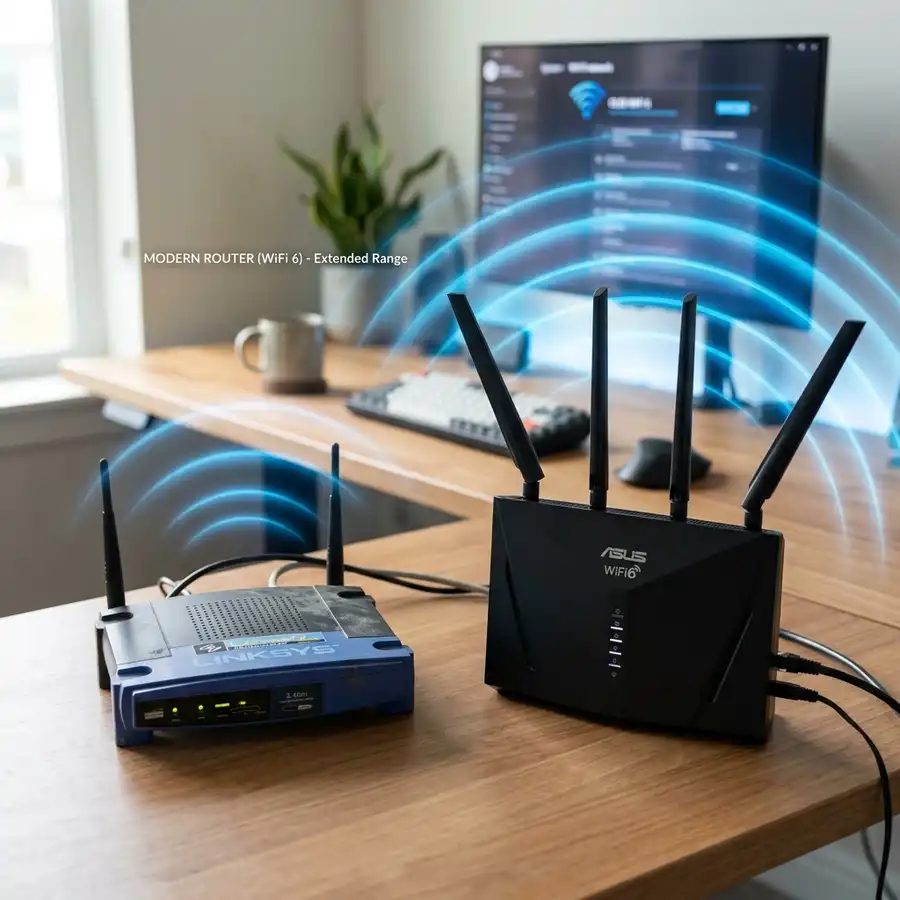
Wi-Fi 6 offers improved range and coverage, allowing users to enjoy VR experiences from various locations within their home. This extended coverage minimizes dead zones where connectivity may be weak.
Utilizing a Dedicated Router
Using a dedicated router tailored for Wi-Fi 6 can significantly enhance performance. These routers are designed to handle high traffic and provide stable connections for VR streaming.
Setting Up Your Wi-Fi 6 Network
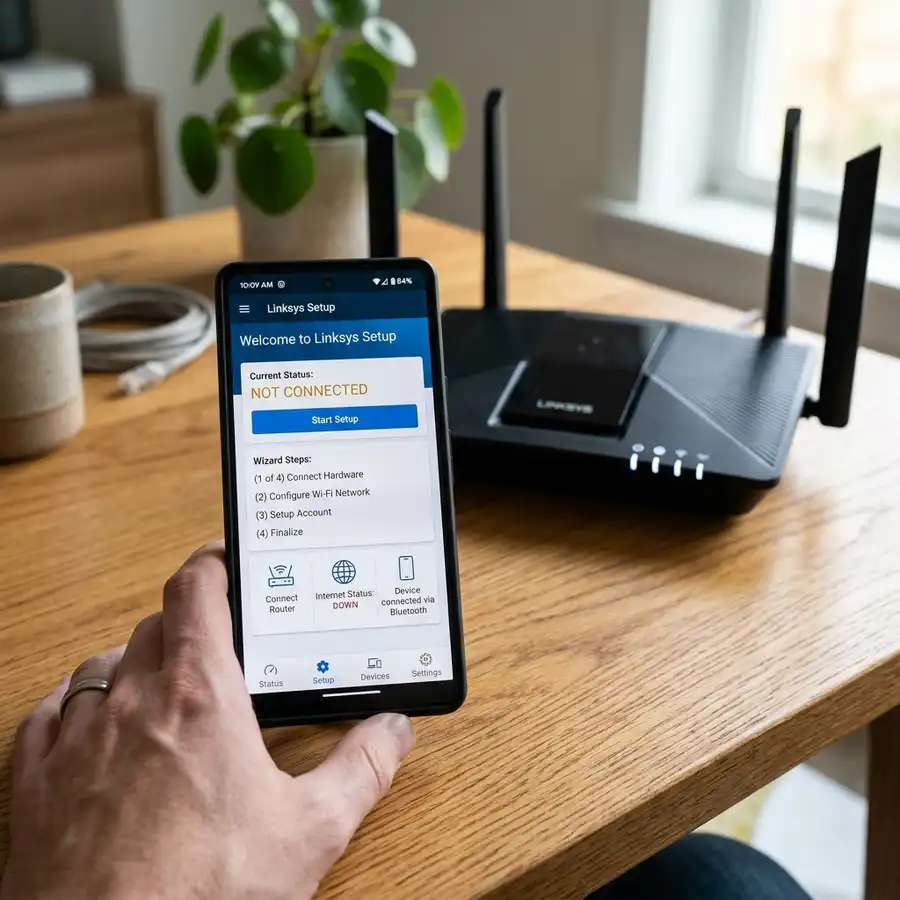
Setting up a Wi-Fi 6 network involves configuring the router according to manufacturer instructions. This typically includes connecting to the router’s interface and adjusting settings for optimal performance.
Conducting Speed Tests for Optimal Performance
Regular speed tests can help assess the performance of your Wi-Fi 6 network. Tools like Ookla Speedtest can be used to measure upload and download speeds, ensuring the network meets VR streaming requirements.
Understanding Wi-Fi 6
Wi-Fi 6, also known as 802.11ax, is the latest generation of wireless technology. It brings numerous improvements over its predecessor, Wi-Fi 5, particularly beneficial for devices like the Meta Quest 3.
Key Features of Wi-Fi 6
- Increased Speed: Wi-Fi 6 can deliver speeds up to 9.6 Gbps, significantly enhancing the streaming experience.
- Improved Capacity: It supports more devices simultaneously without a decrease in performance.
- Enhanced Efficiency: Technologies like OFDMA and MU-MIMO allow for better data transmission.
- Lower Latency: Ideal for gaming and VR applications, ensuring a smooth experience.
- Better Range: Improved signals can reach further, providing coverage in larger spaces.
Benefits of Wi-Fi 6 on Meta Quest 3
The Meta Quest 3 is designed to take full advantage of the capabilities offered by Wi-Fi 6. This compatibility allows for seamless wireless VR streaming, enhancing the overall user experience.
Fast Streaming Experience
Using Wi-Fi 6, the Meta Quest 3 can stream high-definition content without buffering. This results in an immersive VR experience, crucial for gaming and interactive applications.
Multiple Device Support
Wi-Fi 6 can handle numerous devices simultaneously. This is invaluable in households with multiple users streaming or gaming concurrently.
Improved Data Handling
Technologies like OFDMA enable the router to communicate with multiple devices at once. This leads to more efficient data handling, crucial for VR applications that require consistent data flow.
Choosing a Dedicated Router for Meta Quest 3
A dedicated router optimized for Wi-Fi 6 can enhance the performance of the Meta Quest 3 significantly. Selecting the right model will ensure a stable and fast connection during use.
Recommended Routers
| Router Model | Max Speed (Gbps) | Coverage Area (Sq Ft) | Price Range |
|---|---|---|---|
| Asus RT-AX88U | 6.0 | 3,000 | $299 |
| Netgear Nighthawk AX12 | 12.0 | 3,500 | $499 |
| TP-Link Archer AX6000 | 6.0 | 2,500 | $299 |
| Linksys MR9600 | 6.0 | 3,000 | $249 |
Setting Up Wi-Fi 6 for Meta Quest 3
Proper setup is essential for maximizing the benefits of Wi-Fi 6 with the Meta Quest 3. Following the steps below will help optimize the wireless environment.
Step 1: Router Placement
Position the router in a central location to ensure even coverage throughout the area. Avoid placing the router near walls or metal objects that could obstruct the signal.
Step 2: Configure Router Settings
Access the router's web interface and ensure that it is set to the latest firmware. Enable features like QoS (Quality of Service) to prioritize VR streaming traffic.
Step 3: Connect Meta Quest 3 to the Network
On the Meta Quest 3, navigate to Wi-Fi settings and select the dedicated Wi-Fi 6 network. Enter the password to establish a connection.
Step 4: Run Speed Tests
Utilizing a speed test can help verify the connection quality. Ensure that the Meta Quest 3 is connected to the Wi-Fi 6 network before running the test.
Speed Test Guide
Performing a speed test can provide valuable insights into the performance of the Wi-Fi connection. This allows for adjustments to be made if necessary.
Recommended Speed Test Applications
- Ookla Speedtest: A user-friendly interface that provides real-time data on speed and latency.
- Fast.com: A straightforward tool to measure download speed with minimal setup.
- Google Speed Test: Accessible directly through Google search for quick results.
Interpreting Speed Test Results
Results typically include download speed, upload speed, and ping latency. A higher download speed is crucial for streaming VR content smoothly.
Optimal Speed for VR Streaming
A minimum download speed of 25 Mbps is recommended for VR streaming. Lower speeds may result in lag and degraded video quality.
Troubleshooting Common Issues
Even with a dedicated Wi-Fi 6 router, issues may arise during streaming. Identifying and resolving these problems is key to maintaining a smooth experience.
Issue 1: Connection Drops
Check the distance between the router and the Meta Quest 3. Moving closer to the router may resolve connectivity issues.
Issue 2: High Latency
Ensure that the router's QoS settings prioritize VR traffic. Disconnecting other devices from the network may also help reduce latency.
Issue 3: Slow Speeds
Examine the router's settings and ensure no bandwidth-hogging applications are running. Restarting both the router and the Meta Quest 3 can refresh connections.
Conclusion
The integration of Wi-Fi 6 technology into the Meta Quest 3 offers significant advantages for wireless VR streaming. A dedicated Wi-Fi 6 router enhances speed, capacity, and overall performance, resulting in an unparalleled VR experience.
Final Thoughts
By following the guidelines provided, users can optimize their setup for the best possible performance. Enjoying high-quality VR streaming is within reach with the right equipment and configuration.
Understanding the Importance of Dedicated Routers for VR
Dedicated routers play a crucial role in ensuring a seamless virtual reality experience. They are designed to prioritize bandwidth and reduce latency, making them ideal for applications like VR streaming.
Models such as the ASUS ROG Rapture GT-AX11000 and NETGEAR Nighthawk RAX200 are excellent choices. These routers provide advanced features tailored specifically for gaming and streaming, enhancing overall performance.
Utilizing a dedicated router also allows for better management of network traffic. This ensures that VR applications receive the necessary resources without interference from other devices on the network.
Optimizing Your Network Setup for Maximum Performance
Optimizing your network setup is essential for achieving the best performance in VR streaming. Simple adjustments can lead to significant improvements in speed and stability.
Positioning the router in a central location can help reduce signal interference. Additionally, using wired connections for other devices can free up wireless bandwidth for the Meta Quest 3.
Another tip includes enabling Quality of Service (QoS) settings on your router. This feature allows you to prioritize VR traffic, ensuring a lag-free experience during gameplay.
Future-Proofing Your VR Experience with Wi-Fi 6
Investing in Wi-Fi 6 technology is a smart move for future-proofing VR experiences. This latest standard offers enhanced speed, capacity, and efficiency over previous generations.
Routers like the TP-Link Archer AX6000 and Linksys MX10 Velop MX10600 provide robust performance to accommodate multiple devices. This ensures that the Meta Quest 3 can operate at its peak potential.
As more devices in the home utilize Wi-Fi, having a Wi-Fi 6 router will become increasingly beneficial. It not only supports current needs but also prepares for the demands of future technology advancements.