Wi-Fi 6 Benefits on Meta Quest 3 for Wireless VR Streaming Using a Dedicated Router (Speed Test Guide Book Manual Instructions)

Wi-Fi 6 Benefits on Meta Quest 3 for Wireless VR Streaming Using a Dedicated Router
The Meta Quest 3 represents a significant leap in virtual reality technology. With the introduction of Wi-Fi 6, users can experience enhanced wireless streaming capabilities that redefine the VR experience.
Utilizing a dedicated router with Wi-Fi 6 can unlock the full potential of the Meta Quest 3. Speed, efficiency, and reduced latency are just a few advantages that come with this setup.
Understanding Wi-Fi 6
Wi-Fi 6, also known as 802.11ax, is the latest wireless networking standard. It offers faster speeds, greater capacity, and better performance in crowded environments.
This technology is particularly beneficial for VR streaming, where high data rates are essential for a smooth experience.
Why Use a Dedicated Router?
A dedicated router ensures that the Meta Quest 3 receives an uninterrupted signal. This is crucial for maintaining high-quality graphics and low latency during VR sessions.
Investing in a dedicated router can significantly enhance the VR experience, especially in households with multiple devices connected to the same network.
Key Benefits of Wi-Fi 6 for Meta Quest 3
- Increased Speed: Wi-Fi 6 can deliver speeds up to 9.6 Gbps, which is essential for high-resolution VR content.
- Lower Latency: Reduced latency means a more responsive VR experience, crucial for immersive gaming and applications.
- Improved Capacity: Wi-Fi 6 can handle more devices simultaneously without compromising performance, ideal for busy households.
- Enhanced Battery Life: Target Wake Time (TWT) technology helps conserve battery life on connected devices, including the Meta Quest 3.
- Better Range: Advanced features improve coverage, ensuring a strong signal even in larger spaces.
Speed Test Guide: Ensuring Optimal Performance
To fully enjoy the benefits of Wi-Fi 6 on the Meta Quest 3, conducting a speed test is essential. This process will help ensure that the setup is optimized for the best performance.
Follow these steps for a comprehensive speed test:
- Connect the Meta Quest 3 to the dedicated Wi-Fi 6 router.
- Download a reliable speed test app on the Meta Quest 3.
- Close all other applications on the headset to minimize interference.
- Run the speed test multiple times at different times of the day.
- Record the average download and upload speeds.
Comparison of VR Headsets
| VR Headset | Resolution | Refresh Rate | Wireless Capability | Price |
|---|---|---|---|---|
| Meta Quest 3 | 2064 x 2208 per eye | 120 Hz | Wi-Fi 6 | Check Price |
| Valve Index | 1440 x 1600 per eye | 144 Hz | No | $999 |
| Oculus Rift S | 2560 x 1440 | 80 Hz | No | $399 |
| Pico 4 | 2160 x 2160 per eye | 90 Hz | Wi-Fi 5 | $499 |
| HTC Vive Pro 2 | 2448 x 2448 per eye | 120 Hz | No | $799 |




FAQ
What is the main advantage of using Wi-Fi 6 with the Meta Quest 3?
The main advantage is the increased speed and reduced latency, which enhances the overall VR streaming experience.
Can Wi-Fi 6 improve battery life on the Meta Quest 3?
Yes, the Target Wake Time feature in Wi-Fi 6 helps conserve battery life for connected devices.
Do all routers support Wi-Fi 6?
No, only routers specifically designed for Wi-Fi 6 will support this technology.
Is it necessary to have a dedicated router for VR streaming?
While not strictly necessary, a dedicated router significantly improves performance and reliability for VR streaming.
How can speed tests improve my VR experience?
Speed tests can identify potential issues with the network, allowing for adjustments to enhance the VR streaming experience.
Understanding Wi-Fi 6 Technology
Wi-Fi 6, also known as 802.11ax, offers significant improvements over previous standards, including increased speed and capacity. This technology is particularly beneficial for high-bandwidth activities like VR streaming.
Equipped with features such as Orthogonal Frequency Division Multiple Access (OFDMA) and Target Wake Time (TWT), Wi-Fi 6 enhances the efficiency of data transmission. This results in a more reliable connection for devices like the Meta Quest 3.
Enhanced Streaming Experience on Meta Quest 3
The Meta Quest 3 thrives on stable and fast internet connections, making Wi-Fi 6 an ideal partner for wireless VR streaming. Users can experience smoother frame rates and reduced latency during immersive sessions.
With Wi-Fi 6, the Meta Quest 3 can handle multiple devices simultaneously without compromising performance. This ensures uninterrupted gameplay, even in households with numerous connected gadgets.
Setting Up a Dedicated Router for Optimal Performance
A dedicated router is essential for maximizing the benefits of Wi-Fi 6, especially for VR applications. Selecting a router that supports Wi-Fi 6 ensures that the Meta Quest 3 receives the best possible connection.
Positioning the router strategically in the home can minimize interference and enhance signal strength. This setup is crucial for achieving the lowest latency and highest quality streaming experience.
Speed Test Guide for Your Network
Conducting speed tests can help determine if your Wi-Fi network is optimized for VR streaming. Use tools like Ookla or Fast.com to check download and upload speeds, as well as latency.
For the best results, tests should be performed while the Meta Quest 3 is connected to the dedicated Wi-Fi 6 router. This ensures an accurate assessment of the network's performance for VR applications.
Benefits of Lower Latency in VR Streaming
Lower latency is crucial for VR experiences, as it directly impacts responsiveness and immersion. Wi-Fi 6 significantly reduces latency, allowing real-time interactions in virtual environments.
This reduction in latency enhances the overall user experience, making gameplay smoother and more enjoyable. Players can react quicker, reducing motion sickness and enhancing immersion.
Improved Range and Coverage with Wi-Fi 6
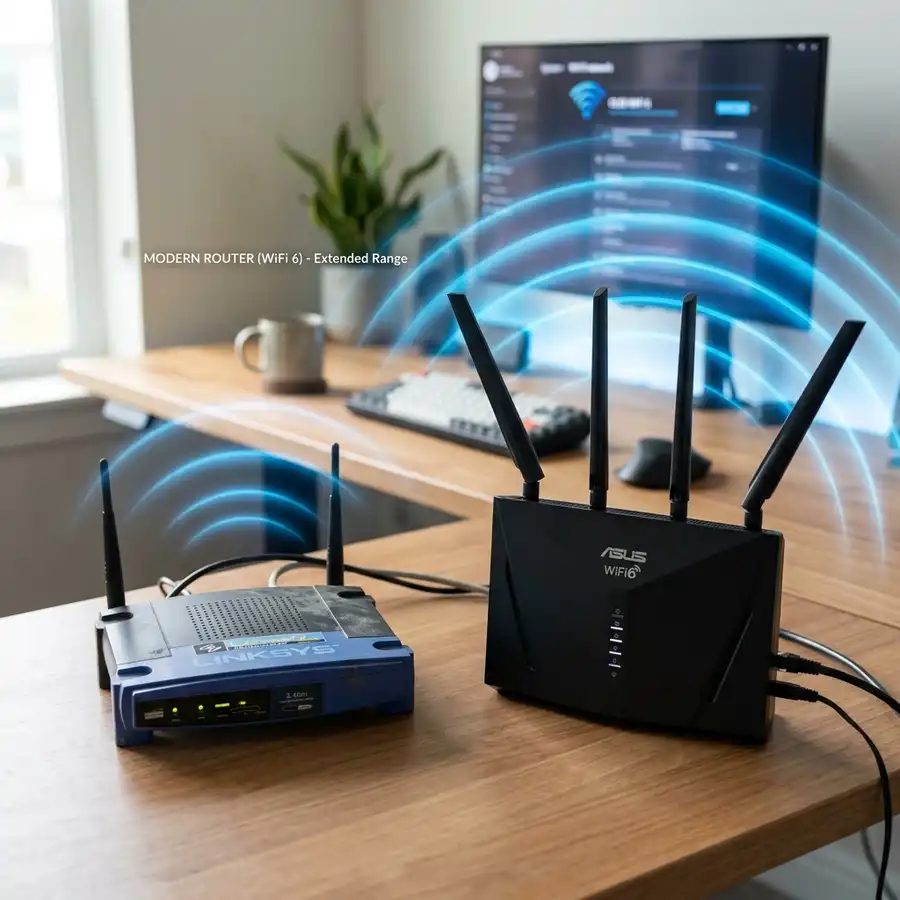
Wi-Fi 6 routers provide better range and coverage compared to older models, ensuring a more consistent connection throughout the home. This is particularly beneficial for VR users who may move around during gameplay.
With improved signal strength, the Meta Quest 3 can maintain a stable connection even at a distance from the router. This allows for greater freedom of movement without sacrificing performance.
Choosing the Right Wi-Fi 6 Router
Selecting the right Wi-Fi 6 router is essential for maximizing VR streaming capabilities. Look for routers that offer high throughput and multiple antennas for better signal distribution.
Models such as the ASUS RT-AX88U or NETGEAR Nighthawk AX12 are excellent choices, providing the necessary speed and reliability for an optimal VR experience. These routers are designed to handle high data demands efficiently.
Future-Proofing Your VR Setup
Investing in Wi-Fi 6 technology not only enhances current VR experiences but also prepares for future advancements. As VR content becomes more demanding, having a robust network will be essential.
By adopting Wi-Fi 6 now, users can ensure that their Meta Quest 3 remains compatible with upcoming software and game updates, providing long-term value and enjoyment in the evolving world of virtual reality.
Understanding Wi-Fi 6 Technology
Wi-Fi 6, also known as 802.11ax, brings significant advancements over its predecessor, Wi-Fi 5. This technology enhances speed, efficiency, and overall performance, making it ideal for high-demand applications like virtual reality streaming.
Key Features of Wi-Fi 6
- Increased Speed: Wi-Fi 6 offers faster data rates up to 9.6 Gbps.
- Improved Capacity: Can handle more devices simultaneously without slowing down.
- Better Performance in Crowded Areas: Optimized for high-density environments, such as homes with multiple connected devices.
- Enhanced Battery Life: Technologies like Target Wake Time (TWT) help reduce power consumption.
Benefits of Wi-Fi 6 on Meta Quest 3
The Meta Quest 3 is designed to take advantage of Wi-Fi 6, providing an enhanced wireless experience for VR users. This enables smoother gameplay and higher-quality streaming experiences.
Reduced Latency
Wi-Fi 6 significantly reduces latency, which is crucial for virtual reality. A lower latency means that users can enjoy real-time interactions with minimal delay, enhancing immersion.
Higher Bandwidth
The increased bandwidth provided by Wi-Fi 6 is beneficial for VR applications that require high data throughput. This ensures that high-resolution graphics and audio are streamed seamlessly.
Improved Multi-User Experience
In a household with multiple users, Wi-Fi 6 maintains high performance for each device. This is particularly useful for families where several members may be using VR headsets simultaneously.
Setting Up a Dedicated Router for Optimal Performance
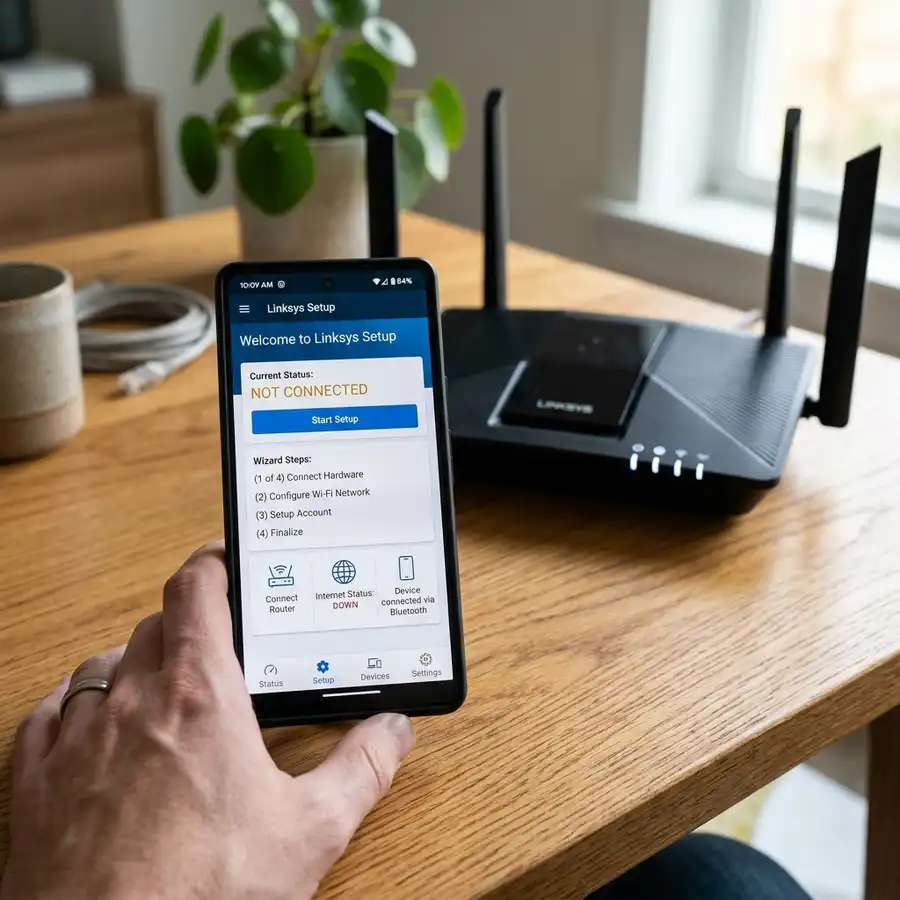
Using a dedicated Wi-Fi 6 router can optimize the performance of the Meta Quest 3. A dedicated router ensures that the VR headset receives the necessary bandwidth without interference from other devices.
Choosing the Right Router
- Brand: Consider reputable brands like ASUS, NETGEAR, or TP-Link.
- Specifications: Look for routers that support Wi-Fi 6 and have multiple antennas for better coverage.
- Price Range: Expect to invest in a quality router, typically ranging from $100 to $300.
Recommended Wi-Fi 6 Routers
| Router Model | Max Speed (Gbps) | Coverage Area (sq ft) | Price Range |
|---|---|---|---|
| ASUS RT-AX88U | 6.0 | 3000 | $250 - $300 |
| NETGEAR Nighthawk AX12 | 10.8 | 3500 | $350 - $400 |
| TP-Link Archer AX6000 | 6.0 | 2500 | $250 - $300 |
Speed Test Guide for Meta Quest 3
To ensure the best performance for VR streaming, conducting a speed test is essential. This guide outlines how to measure your internet speed effectively.
Preparing for the Speed Test
- Ensure the Meta Quest 3 is connected to the Wi-Fi 6 network.
- Close all other applications on the headset to avoid bandwidth interference.
Using a Speed Test Service
Select a reliable speed test service such as Ookla's Speedtest. This service provides accurate measurements of upload and download speeds.
Steps to Perform the Speed Test
- Open the browser on your Meta Quest 3.
- Visit the speed test website.
- Click on the “Go” button to start the test.
Interpreting the Results
Once the test completes, review the results focusing on download speed, upload speed, and latency. For optimal VR streaming, a download speed of at least 25 Mbps is recommended.
Optimizing Your Network for Meta Quest 3
To achieve the best performance from the Meta Quest 3, consider optimizing your home network settings. This can significantly improve the VR experience.
Network Placement
Position the Wi-Fi 6 router centrally in the home to maximize coverage. Avoid placing the router near walls or electronic devices that may cause interference.
Using Quality of Service (QoS) Settings
Activate QoS settings on the router to prioritize bandwidth for the Meta Quest 3. This ensures that the VR headset receives the necessary speed for smooth operation.
Regular Firmware Updates
Keep the router firmware updated to benefit from the latest performance improvements and security features. Check the manufacturer's website for updates periodically.
Conclusion
Wi-Fi 6 offers numerous advantages for users of the Meta Quest 3, enhancing the overall VR streaming experience. A dedicated Wi-Fi 6 router, combined with proper setup and optimization, can lead to immersive and enjoyable virtual reality interactions.
Final Tips for Users
- Always check compatibility of the router with your devices.
- Regularly conduct speed tests to ensure optimal performance.
- Consider network upgrades if experiencing connectivity issues.
Additional Resources
For further reading and resources on Wi-Fi 6 and VR technology, consider visiting the following links: