Wi-Fi 6 Benefits on Meta Quest 3 for Wireless VR Streaming Using a Dedicated Router (Speed Test Guide Book Manual)

Wi-Fi 6 Benefits on Meta Quest 3 for Wireless VR Streaming Using a Dedicated Router (Speed Test Guide Book Manual)
The evolution of virtual reality has taken a giant leap forward with the introduction of Wi-Fi 6 technology. This advancement in wireless networking is particularly significant for devices like the Meta Quest 3, which is designed to offer an immersive VR experience. This article explores the benefits of Wi-Fi 6 when streaming VR content wirelessly, especially when paired with a dedicated router.
The Power of Wi-Fi 6
Wi-Fi 6, or 802.11ax, offers several enhancements over its predecessor, Wi-Fi 5. These improvements include increased speeds, greater capacity, and improved performance in congested environments. Each of these features plays a crucial role in enhancing the VR streaming experience.
When using the Meta Quest 3, Wi-Fi 6 can significantly reduce latency and buffering, allowing for seamless gameplay and immersive environments. This is essential for VR, where any lag can disrupt the experience and lead to discomfort for users.
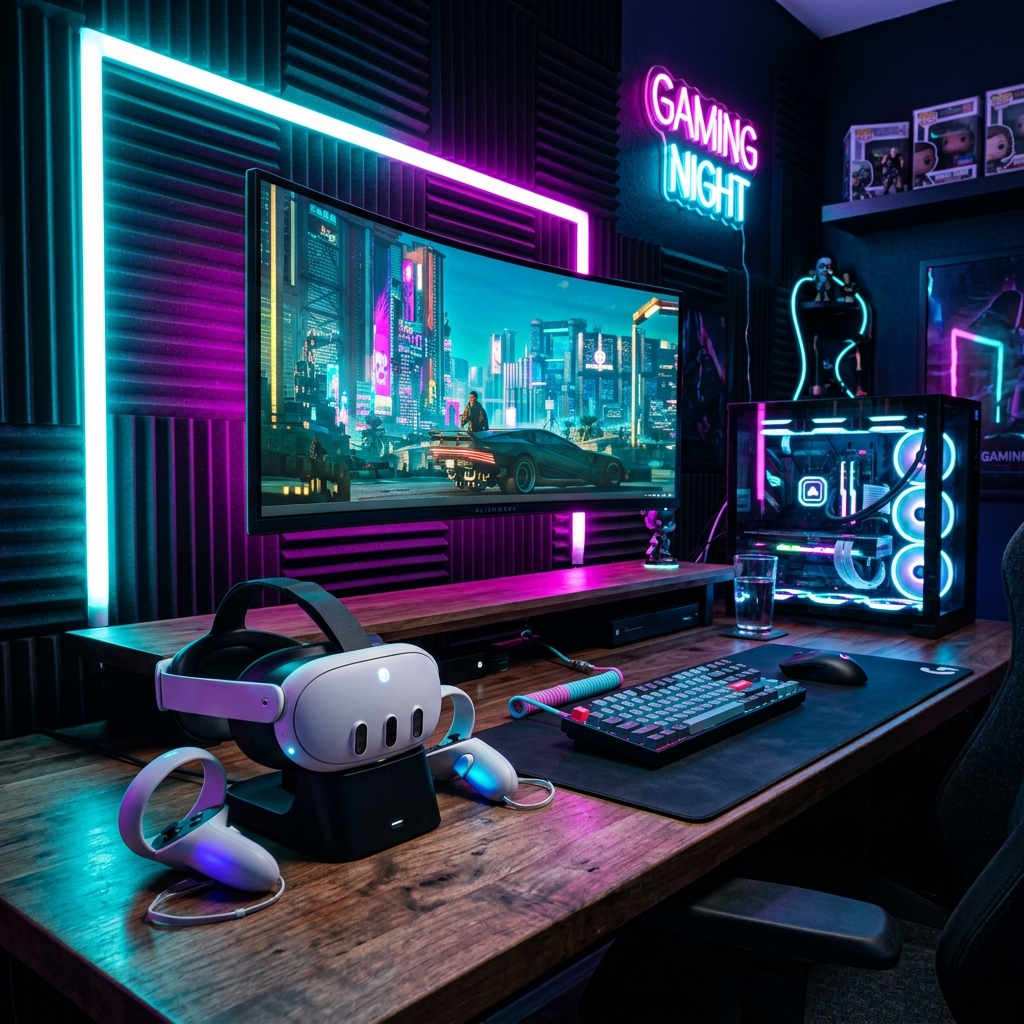
Benefits of Wi-Fi 6 for Meta Quest 3
Here are some key benefits of using Wi-Fi 6 with the Meta Quest 3:
- Higher Speeds: Wi-Fi 6 can deliver speeds up to 9.6 Gbps, which is ideal for high-quality VR streaming.
- Improved Capacity: It supports more simultaneous connections, ensuring that multiple devices can operate without interference.
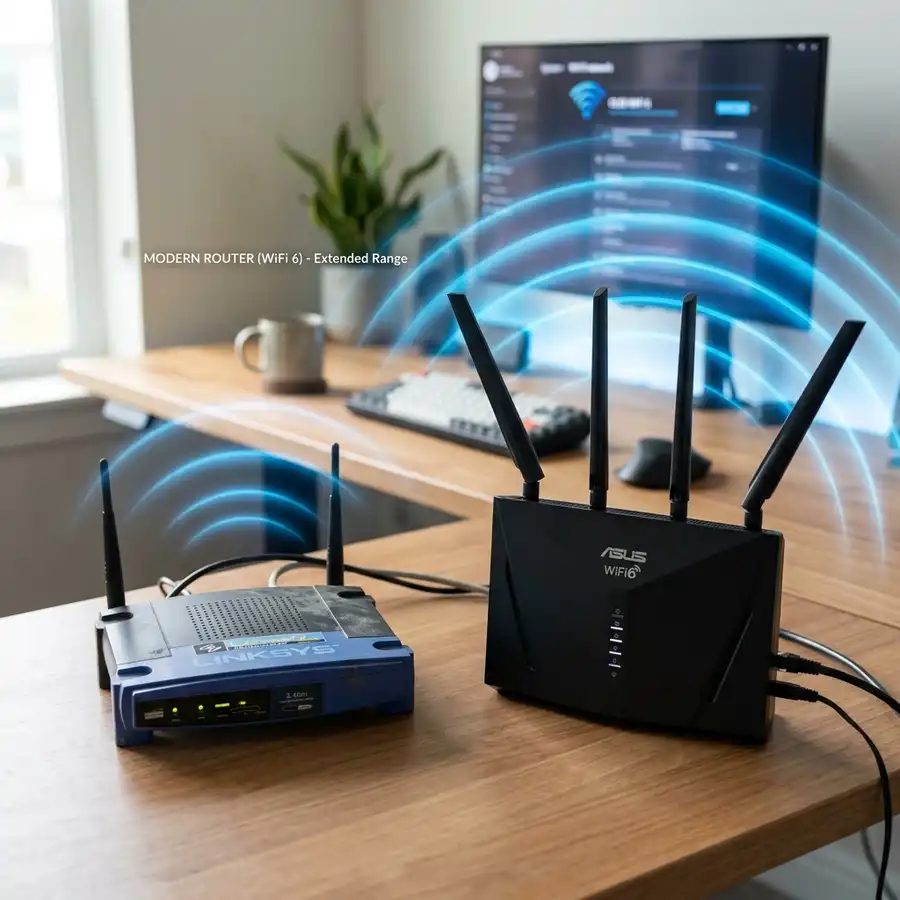
- Enhanced Range: Better coverage means fewer dead spots, allowing users to roam freely during their VR sessions.
- Low Latency: Reduced lag time is crucial for immersive experiences, especially in fast-paced games.
- Efficient Power Usage: Wi-Fi 6 devices can consume less power, extending battery life during wireless use.
Setting Up a Dedicated Router
A dedicated router can optimize the performance of Wi-Fi 6, ensuring that the Meta Quest 3 operates at its best. Choosing the right router is essential, as not all routers are created equally. Look for routers that support the latest standards and have features like Quality of Service (QoS) to prioritize gaming traffic.
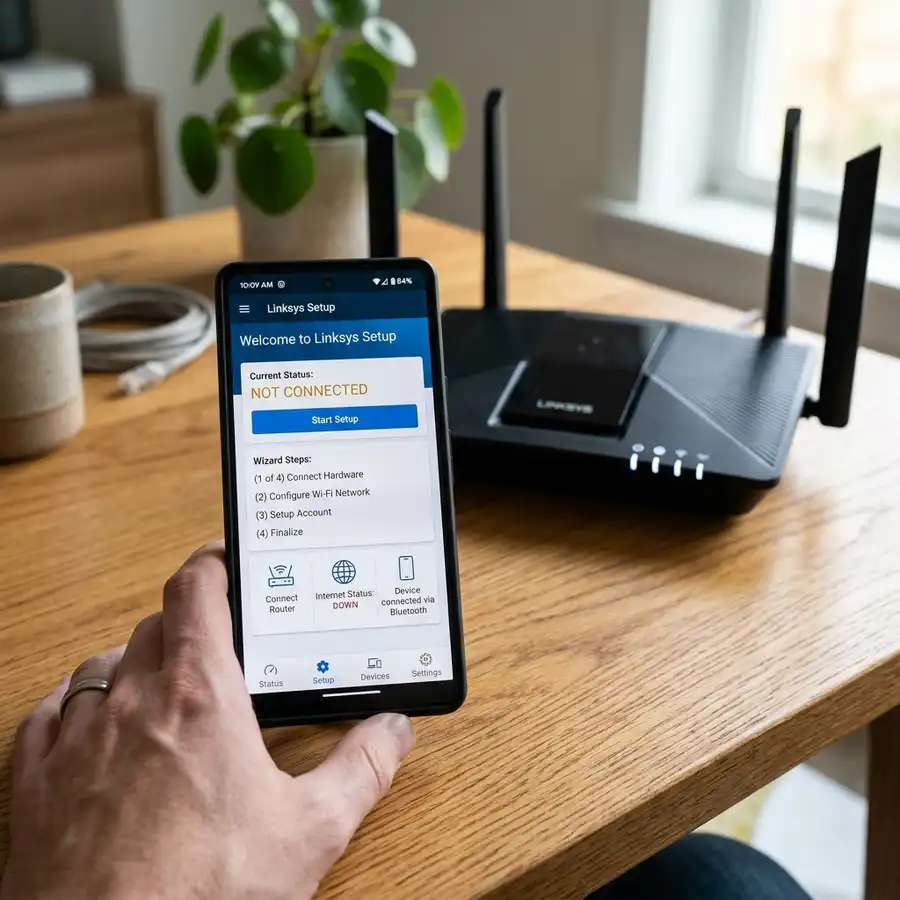
Once a suitable router is acquired, the setup process involves connecting it to the internet, configuring the Wi-Fi network, and connecting the Meta Quest 3 to this network. Following the router's user manual will ensure that all settings are optimally adjusted for VR streaming.

Speed Test Guide
To ensure that the Wi-Fi 6 setup is performing optimally, conducting speed tests is advisable. This can be done easily using various online tools or applications designed for this purpose.
During the speed test, focus on metrics such as download speed, upload speed, and latency. A good download speed is essential for smooth streaming, while low latency will enhance the VR experience.
Comparison of Popular VR Headsets
| Headset Model | Resolution | Refresh Rate | Wireless Capability | Battery Life |
|---|---|---|---|---|
| Meta Quest 3 | 2064 x 2208 per eye | 120 Hz | Wi-Fi 6 | 2-3 hours |
| Valve Index | 1440 x 1600 per eye | 144 Hz | Wired | 3-4 hours |
| HTC Vive Pro 2 | 2448 x 2448 per eye | 120 Hz | Wired | 2-3 hours |
| Pico Neo 3 | 1832 x 1920 per eye | 90 Hz | Wi-Fi 5 | 3-4 hours |
| Oculus Quest 2 | 1832 x 1920 per eye | 90 Hz | Wi-Fi 5 | 2-3 hours |

Conclusion
Utilizing Wi-Fi 6 with the Meta Quest 3 for wireless VR streaming offers numerous advantages that enhance the overall experience. It is essential to invest in a dedicated router to fully realize these benefits.
For those interested in enhancing their VR setup, consider buying Meta Quest 3 and optimizing the network environment. This investment will lead to unparalleled gaming experiences.
FAQ
What is Wi-Fi 6?
Wi-Fi 6, also known as 802.11ax, is the latest Wi-Fi standard that offers faster speeds, increased capacity, and improved performance in crowded areas.
How does Wi-Fi 6 enhance VR streaming?
Wi-Fi 6 reduces latency, increases throughput, and improves connectivity, making it ideal for streaming high-quality VR content seamlessly.
Do I need a dedicated router for Meta Quest 3?
A dedicated router is recommended to ensure optimal performance and minimize interference from other devices.
Can Wi-Fi 6 work with older devices?
Yes, Wi-Fi 6 is backward compatible with older Wi-Fi standards, allowing older devices to connect while still benefiting from some improvements.
How can I test my Wi-Fi speed?
Speed tests can be conducted using online tools or dedicated applications to measure download speed, upload speed, and latency.
Understanding Wi-Fi 6 Technology
Wi-Fi 6, also known as 802.11ax, is the latest wireless technology that offers enhanced speed and efficiency. This advancement significantly improves the performance of wireless devices, making it ideal for high-demand applications like VR streaming.
With features like Orthogonal Frequency Division Multiple Access (OFDMA) and Target Wake Time (TWT), Wi-Fi 6 allows multiple devices to share channels more effectively. This means reduced latency and better overall performance, crucial for immersive VR experiences.
Enhanced Streaming Quality on Meta Quest 3
Using Wi-Fi 6 with the Meta Quest 3 ensures higher-quality wireless VR streaming. The increased speed and stability minimize interruptions, creating a seamless experience that enhances immersion.
High-definition graphics and low latency are vital for VR environments, and Wi-Fi 6 meets these demands efficiently. This capability allows users to fully engage with virtual worlds without the frustration of buffering or lag.
Dedicated Routers for Optimal Performance
Investing in a dedicated Wi-Fi 6 router can dramatically improve VR streaming capabilities. These routers are designed to handle multiple connections and high bandwidth, making them perfect for demanding applications like VR gaming.
Models such as the ASUS ROG Rapture GT-AX11000 or the NETGEAR Nighthawk AX12 provide the necessary power and features for an optimal experience. Utilizing a dedicated router ensures that Meta Quest 3 can operate at its full potential.
Speed Test Guide for Wireless VR Streaming
Conducting a speed test is essential to determine if your Wi-Fi network can handle VR streaming. Tools like Ookla Speedtest can help gauge the download and upload speeds, which are critical for a smooth experience.
A minimum speed of 25 Mbps is recommended for VR streaming, but higher speeds will yield better performance. Regular speed tests can help identify any issues with your network setup.
Reducing Interference in Your Network
Wi-Fi 6 routers are equipped with advanced technology that reduces interference from other devices. This feature is particularly beneficial in crowded environments where multiple devices compete for bandwidth.
Maximizing Range and Coverage
Wi-Fi 6 technology offers improved range, which is essential for VR systems that require freedom of movement. This enhancement ensures that the Meta Quest 3 can maintain a strong connection even at a distance from the router.
Future-Proofing Your VR Setup
Adopting Wi-Fi 6 technology prepares your VR setup for future advancements. As VR content continues to evolve, having a robust network ensures compatibility with upcoming applications and devices.
Wi-Fi 6 Benefits on Meta Quest 3 for Wireless VR Streaming
The Meta Quest 3 is a powerful VR headset that offers an immersive experience. Utilizing Wi-Fi 6 technology can significantly enhance its performance, especially when streaming high-quality VR content wirelessly.
Understanding Wi-Fi 6 Technology
Wi-Fi 6, also known as 802.11ax, is the latest wireless networking standard. It provides faster speeds, increased capacity, and improved performance in congested environments compared to its predecessor, Wi-Fi 5 (802.11ac).
Key Benefits of Wi-Fi 6 for Meta Quest 3
- Higher Data Rates: Wi-Fi 6 offers speeds of up to 9.6 Gbps, which is beneficial for streaming high-resolution VR content.
- Increased Capacity: Multiple devices can connect without degrading performance, allowing for seamless streaming even in busy households.
- Improved Range: Enhanced signal strength improves connectivity throughout the home, essential for wireless VR experiences.
- Lower Latency: Wi-Fi 6 reduces lag, which is crucial for real-time interactions in VR environments.
- Better Battery Efficiency: Target Wake Time (TWT) extends battery life for connected devices, including the Quest 3.
Setting Up a Dedicated Router for Optimal Performance
To fully benefit from Wi-Fi 6, a dedicated router is essential. A router specifically designed for gaming and streaming can prioritize VR traffic, ensuring a stable connection.
Recommended Wi-Fi 6 Routers
| Router Model | Max Speed | Features |
|---|---|---|
| ASUS RT-AX88U | 6000 Mbps | Gamers' QoS, AiMesh support |
| Netgear Nighthawk AX12 | 6000 Mbps | Smart Connect, advanced security |
| TP-Link Archer AX6000 | 6000 Mbps | 8 Gigabit ports, robust parental controls |
| Linksys MX10 Velop | 5400 Mbps | Mesh technology, easy setup |
Speed Test Guide for Your VR Setup
Conducting a speed test is crucial to ensure that the network can handle VR streaming. Here’s a simple guide on how to perform an effective speed test for your Meta Quest 3 setup.
Step 1: Prepare Your Environment
Ensure that the Meta Quest 3 is fully charged and within range of the dedicated Wi-Fi 6 router. Close any applications that might use internet bandwidth.
Step 2: Use a Reliable Speed Test Tool
Select a reputable speed test service, such as Ookla Speedtest or Fast.com. These tools can accurately measure your internet speed and latency.
Step 3: Connect Your VR Headset
Connect the Meta Quest 3 to the Wi-Fi network. Ensure that there are no physical obstructions between the router and the headset.
Step 4: Perform the Speed Test
Open the browser on the Meta Quest 3 and navigate to the speed test website. Initiate the test and wait for the results.
Step 5: Analyze the Results
Look for download speeds of at least 25 Mbps for smooth VR streaming. Latency should ideally be below 20 ms for optimal performance.
Common Issues and Solutions
If the speed test results are not satisfactory, several factors may be at play. Here are common issues and their solutions:
- Interference: Move the router to a central location or reduce physical barriers.
- Bandwidth Hogging: Limit the number of devices connected to the network during VR sessions.
- Outdated Firmware: Ensure the router firmware is up to date for optimal performance.
Enhancing Your VR Experience
In addition to setting up Wi-Fi 6, there are other tips to enhance the VR experience on Meta Quest 3. These include optimizing the headset settings and managing streaming quality.
Adjusting Streaming Quality
Lowering the streaming quality can sometimes provide a smoother experience if bandwidth is limited. Check the streaming settings in the VR application to adjust quality as needed.
Utilizing Ethernet Backhaul
If possible, use an Ethernet connection for the router while maintaining a wireless connection for the Meta Quest 3. This setup can reduce latency and improve overall performance.
Conclusion
Wi-Fi 6 provides numerous benefits for Meta Quest 3 users, enhancing wireless VR streaming capabilities. By utilizing a dedicated router and following the recommended practices, users can enjoy a seamless and immersive VR experience.
Further Reading and Resources
Understanding the Importance of Low Latency in VR Streaming
Low latency is crucial for an immersive VR experience, especially in fast-paced games like "Beat Saber" or "Population: One." High latency can lead to motion sickness and disrupt the sense of presence within virtual environments.
Wi-Fi 6 technology significantly reduces latency, allowing for smoother gameplay and quicker response times. This improvement is particularly beneficial for VR headsets like the Meta Quest 3 and Valve Index, where every millisecond counts.
Investing in a dedicated router that supports Wi-Fi 6 can enhance performance, ensuring that streaming remains seamless even during intense gaming sessions. This upgrade transforms the gaming experience, making it more enjoyable and engaging.
Benefits of Dedicated Routers for VR Experiences
Dedicated routers are designed to handle high bandwidth demands, making them ideal for activities like VR streaming. This is especially important for headsets such as the HTC Vive Cosmos and the Oculus Rift S.
With a dedicated router, users can minimize network congestion, leading to a more reliable connection. This ensures that virtual reality experiences remain uninterrupted, providing a more immersive and enjoyable environment.
Additionally, dedicated routers often come with advanced features like Quality of Service (QoS) settings, allowing prioritization of VR traffic. This guarantees that gaming sessions remain smooth, even when multiple devices are connected to the network.
Enhancing Your VR Setup with Optimal Router Placement
The placement of a router can greatly influence the quality of Wi-Fi signals for VR streaming. Ideally, the router should be positioned in a central location to minimize obstacles that can degrade the signal.
Consider elevating the router off the ground and away from walls to maximize coverage. This simple adjustment can significantly improve the performance of devices like the Meta Quest 3 and the PlayStation VR.
In addition, avoid placing the router near other electronic devices that may cause interference, such as microwaves or cordless phones. Taking these steps ensures a stronger and more stable connection for an immersive VR experience.