Wi-Fi 6 Benefits on Meta Quest 3 for Wireless VR Streaming Using a Dedicated Router (Speed Test Guide Book)

Wi-Fi 6 Benefits on Meta Quest 3 for Wireless VR Streaming Using a Dedicated Router
The evolution of wireless technology has reached a new pinnacle with the introduction of Wi-Fi 6. For Meta Quest 3 users, this technology unlocks a world of possibilities, particularly for wireless VR streaming.
With its enhanced speed, capacity, and efficiency, Wi-Fi 6 transforms the VR experience, making it smoother and more immersive. The combination of Meta Quest 3 and Wi-Fi 6 is a game-changer in virtual reality gaming.
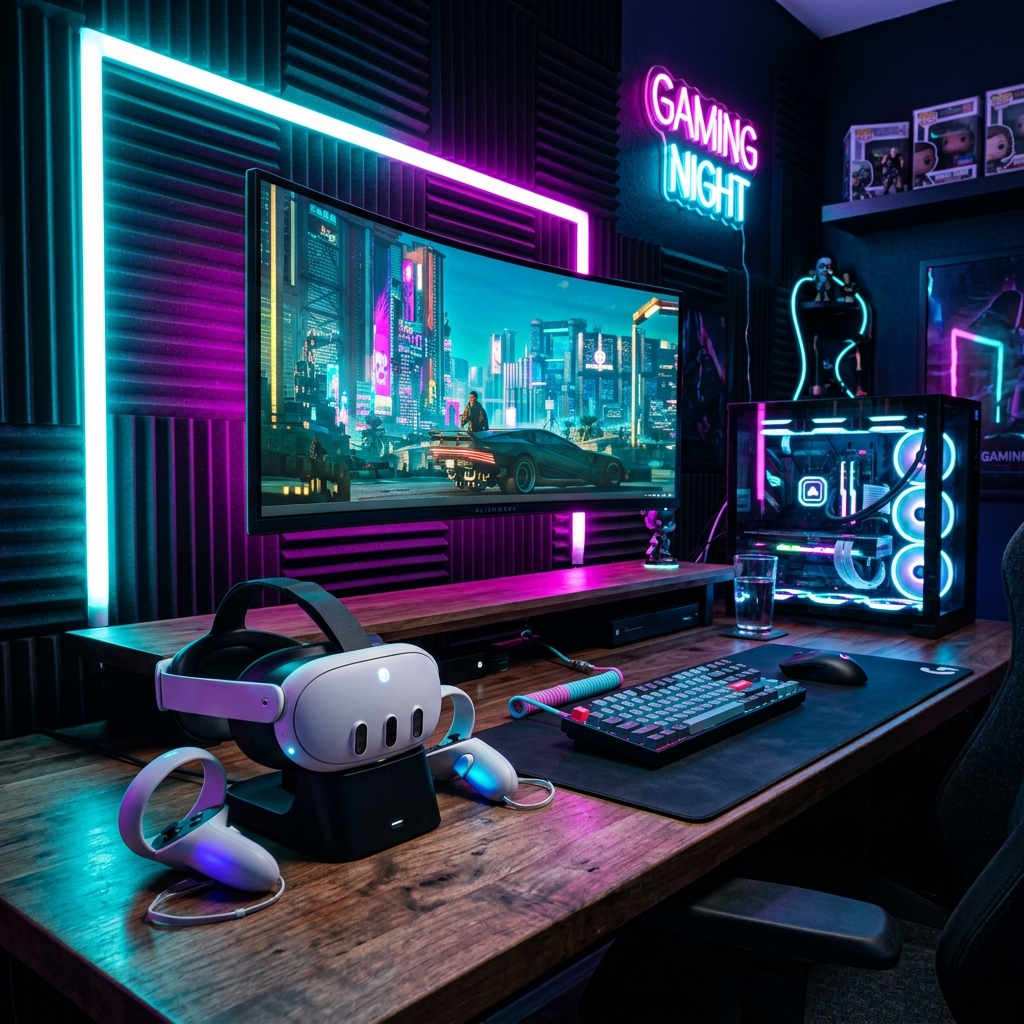
Understanding Wi-Fi 6
Wi-Fi 6, or 802.11ax, is the latest wireless standard designed to improve performance in environments with many connected devices. It offers higher data rates and better performance in congested areas.
This technology is particularly beneficial for VR applications, where low latency and high bandwidth are essential for a seamless experience.
Key Benefits of Wi-Fi 6 for Meta Quest 3
The Meta Quest 3, when paired with a dedicated Wi-Fi 6 router, can deliver a plethora of benefits:
- Increased Speed: Wi-Fi 6 provides faster data rates, enabling high-quality streaming without interruptions.
- Enhanced Capacity: More devices can connect simultaneously without degrading performance, crucial for multiplayer VR experiences.
- Improved Efficiency: Technologies like OFDMA and MU-MIMO reduce latency and improve overall network efficiency.
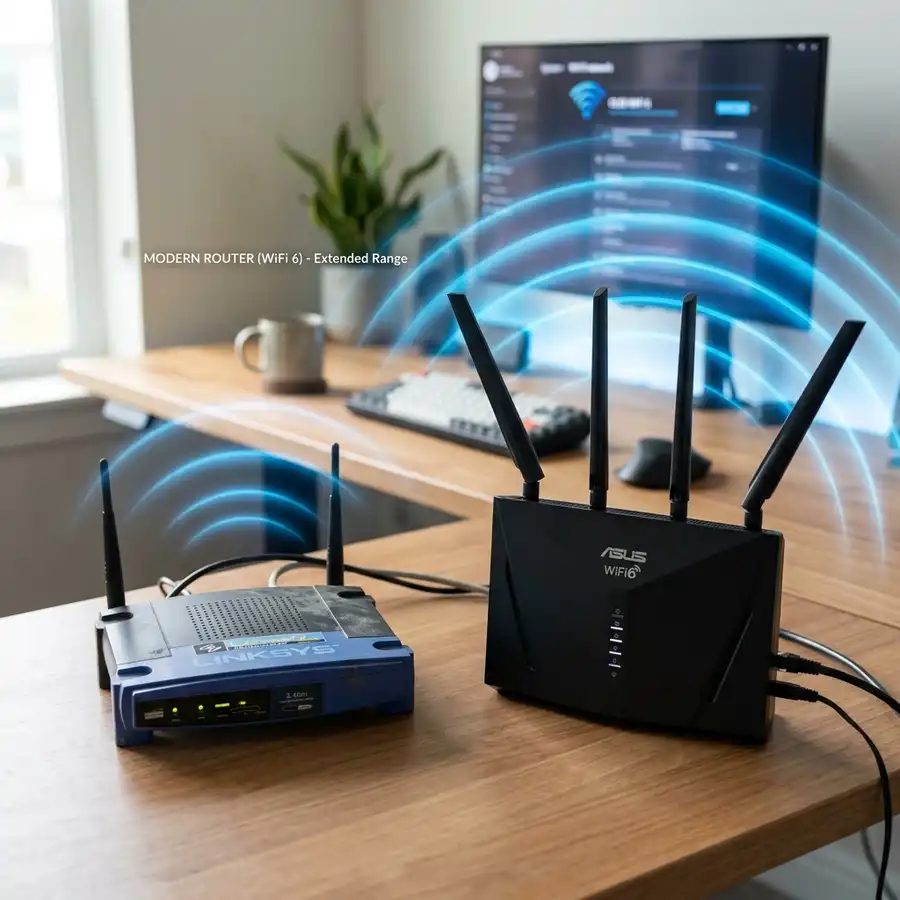
- Better Range: Wi-Fi 6 extends coverage, ensuring that users can enjoy VR experiences from various locations within their space.
Choosing the Right Router
Selecting a dedicated Wi-Fi 6 router is vital for maximizing the benefits of wireless VR streaming. High-performance routers designed for gaming can significantly enhance the experience.
Features to consider include processor power, antenna configuration, and firmware optimizations for gaming.
Speed Test Guide Book
To ensure optimal performance, conducting speed tests is essential. Here is a step-by-step guide:
- Connect the Meta Quest 3 to the Wi-Fi 6 network.
- Utilize a speed test application on a smartphone or computer connected to the same network.
- Run the speed test multiple times to obtain an average result.
- Compare the results against the expected performance metrics of your router.
- Adjust router settings if necessary to optimize the experience.
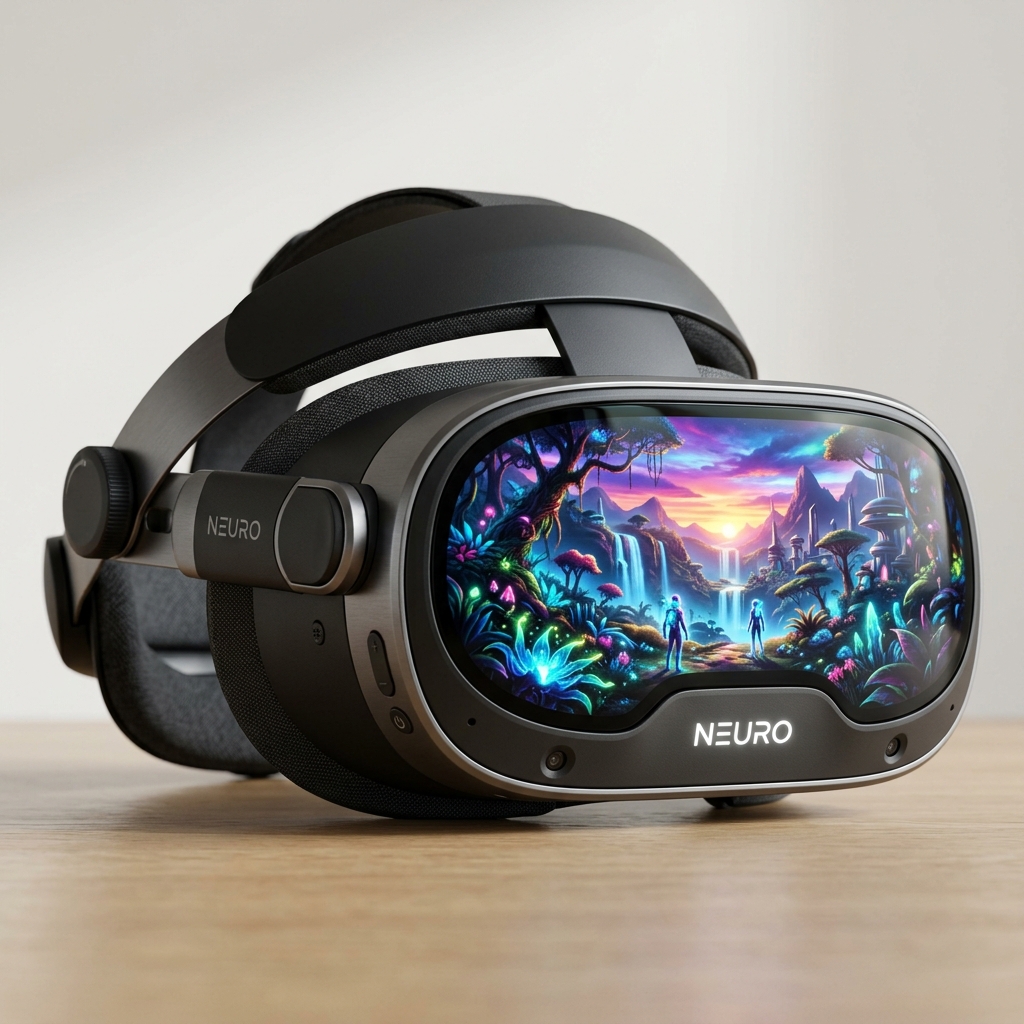
Commercial VR Headset Comparison
| VR Headset | Resolution | Refresh Rate | Field of View | Price |
|---|---|---|---|---|
| Meta Quest 3 | 2064 x 2208 per eye | 120 Hz | 110 degrees | Check Price |
| Valve Index | 1440 x 1600 per eye | 144 Hz | 130 degrees | $999 |
| HTC Vive Pro 2 | 2448 x 2448 per eye | 120 Hz | 110 degrees | $799 |
| Pico 4 | 2160 x 2160 per eye | 90 Hz | 105 degrees | $429 |

Conclusion
Embracing Wi-Fi 6 technology with the Meta Quest 3 marks a significant advancement in wireless VR experiences. The improvements in speed, capacity, and efficiency provide users with a more immersive and enjoyable experience.
For those interested in elevating their VR setup, investing in a dedicated Wi-Fi 6 router is highly recommended.
Frequently Asked Questions (FAQ)
What is Wi-Fi 6?
Wi-Fi 6 is the latest wireless standard that enhances network performance, speed, and efficiency, especially in crowded environments.
How does Wi-Fi 6 improve VR streaming?
It offers faster data rates, reduced latency, and better performance in congested areas, enhancing the overall VR experience.
Do I need a dedicated router for Meta Quest 3?
A dedicated Wi-Fi 6 router is recommended to maximize the performance and benefits of Meta Quest 3's wireless capabilities.
Can other devices affect VR streaming performance?
Yes, other devices connected to the same network can impact performance. Wi-Fi 6 helps manage multiple connections effectively.
How can I optimize my router settings for VR?
Adjusting settings such as Quality of Service (QoS) to prioritize gaming traffic can help optimize performance for VR streaming.
Understanding Wi-Fi 6 Technology
Wi-Fi 6, also known as 802.11ax, enhances wireless performance with improved speed and efficiency. This technology supports higher data rates, allowing for seamless streaming of high-quality VR content.
The increased capacity of Wi-Fi 6 enables multiple devices to connect without sacrificing bandwidth. This is particularly beneficial for environments with many connected devices, such as households with smart gadgets.
Meta Quest 3 and Wireless Streaming
The Meta Quest 3 is designed to take advantage of advanced wireless technology. Its compatibility with Wi-Fi 6 ensures lower latency and a smoother streaming experience for virtual reality applications.
With the right setup, your VR experience can become immersive and lag-free, making it ideal for both gaming and educational purposes. The combination of Meta Quest 3 and Wi-Fi 6 maximizes the potential of wireless VR.
Benefits of Using a Dedicated Router
A dedicated router can significantly enhance your Wi-Fi 6 experience by providing optimized performance. Unlike shared routers, dedicated devices focus solely on delivering high-speed connectivity for your VR headset.
This ensures minimal interference, allowing for consistent performance during intense gaming sessions. Investing in a dedicated router is a step towards unlocking the full potential of wireless VR streaming.
Speed Test Guide for Optimal Performance
Conducting speed tests is crucial to ensure your internet connection supports VR streaming. Use tools like Ookla Speedtest to measure download and upload speeds, aiming for at least 300 Mbps for the best experience.
Regular speed tests can help identify any issues with the network, allowing for adjustments to be made. This proactive approach ensures that streaming remains uninterrupted and of high quality.
Reducing Latency for Enhanced VR Experience
Low latency is essential for an immersive VR experience, and Wi-Fi 6 excels in this area. By reducing lag, users can interact with virtual environments more fluidly, enhancing realism and engagement.
Future-Proofing Your VR Setup
Adopting Wi-Fi 6 technology prepares your VR setup for upcoming advancements. As virtual reality applications become more demanding, a robust wireless infrastructure ensures longevity and adaptability.
Investing in Wi-Fi 6 and a dedicated router today means being ready for future VR innovations, providing peace of mind for years to come.
Compatibility with Other Devices
Wi-Fi 6 is backward compatible with older devices, ensuring a smooth transition to the new technology. This allows for seamless integration into existing home networks without the need for replacing all devices.
The ability to connect multiple devices efficiently makes Wi-Fi 6 a versatile choice for households that use various smart technologies alongside VR headsets.
Conclusion: Maximizing Your VR Experience
Leveraging Wi-Fi 6 with the Meta Quest 3 and a dedicated router significantly enhances wireless VR streaming quality. Users can expect faster speeds, lower latency, and a more immersive experience overall.
Investing in this technology is essential for anyone looking to elevate their virtual reality adventures, making the most of the capabilities offered by modern VR headsets.
Understanding Wi-Fi 6 and Its Importance for VR Streaming
Wi-Fi 6, also known as 802.11ax, represents the latest advancement in wireless networking technology. This new standard offers significant improvements that can enhance the experience of virtual reality (VR) streaming on devices like the Meta Quest 3.
Key Features of Wi-Fi 6
Wi-Fi 6 introduces several features that make it ideal for high-bandwidth applications such as VR. These include improved speed, increased capacity, and enhanced efficiency.
- Higher Speeds: Wi-Fi 6 can deliver speeds up to 9.6 Gbps, significantly surpassing its predecessor, Wi-Fi 5.
- Increased Capacity: With OFDMA (Orthogonal Frequency Division Multiple Access), Wi-Fi 6 efficiently manages multiple devices, reducing latency.
- Improved Range: The technology enhances signal strength and range, ensuring a stable connection even in larger areas.
- Better Performance in Crowded Areas: Wi-Fi 6 excels in environments with many connected devices, making it ideal for households with multiple users.
Benefits of Wi-Fi 6 for Meta Quest 3
The Meta Quest 3 can leverage the advantages of Wi-Fi 6 for an improved wireless VR streaming experience. This is especially beneficial when using a dedicated router designed to optimize performance.
Optimized Streaming Quality
With the high data throughput provided by Wi-Fi 6, users can enjoy higher resolution and frame rates during VR sessions. This leads to a more immersive experience, critical for gaming and interactive applications.
Reduced Latency for Real-Time Interaction
Latency can significantly impact the VR experience. Wi-Fi 6 minimizes lag, allowing for smoother interactions and reducing motion sickness during gameplay.
Enhanced Multi-User Support
In homes where multiple devices are connected, Wi-Fi 6 ensures that the Meta Quest 3 maintains a strong connection. This is particularly useful for families or friends who might be using multiple devices simultaneously.
Choosing a Dedicated Router for Wi-Fi 6
For optimal performance, selecting a dedicated Wi-Fi 6 router is crucial. A dedicated router can handle the demands of VR streaming more effectively than standard models.
Recommended Wi-Fi 6 Routers
Below are some recommended Wi-Fi 6 routers that are particularly effective for VR applications:
| Router Model | Max Speed | Features |
|---|---|---|
| ASUS RT-AX88U | 6000 Mbps | 4x4 MU-MIMO, AiMesh support |
| Nighthawk AX12 (RAX120) | 6000 Mbps | 12 streams, 8 Gigabit Ethernet ports |
| TP-Link Archer AX6000 | 6000 Mbps | 8 Gigabit ports, Link Aggregation |
| NETGEAR Orbi AX6000 | 6000 Mbps | Mesh Wi-Fi, 4x4 MU-MIMO |
Setting Up Wi-Fi 6 for Meta Quest 3
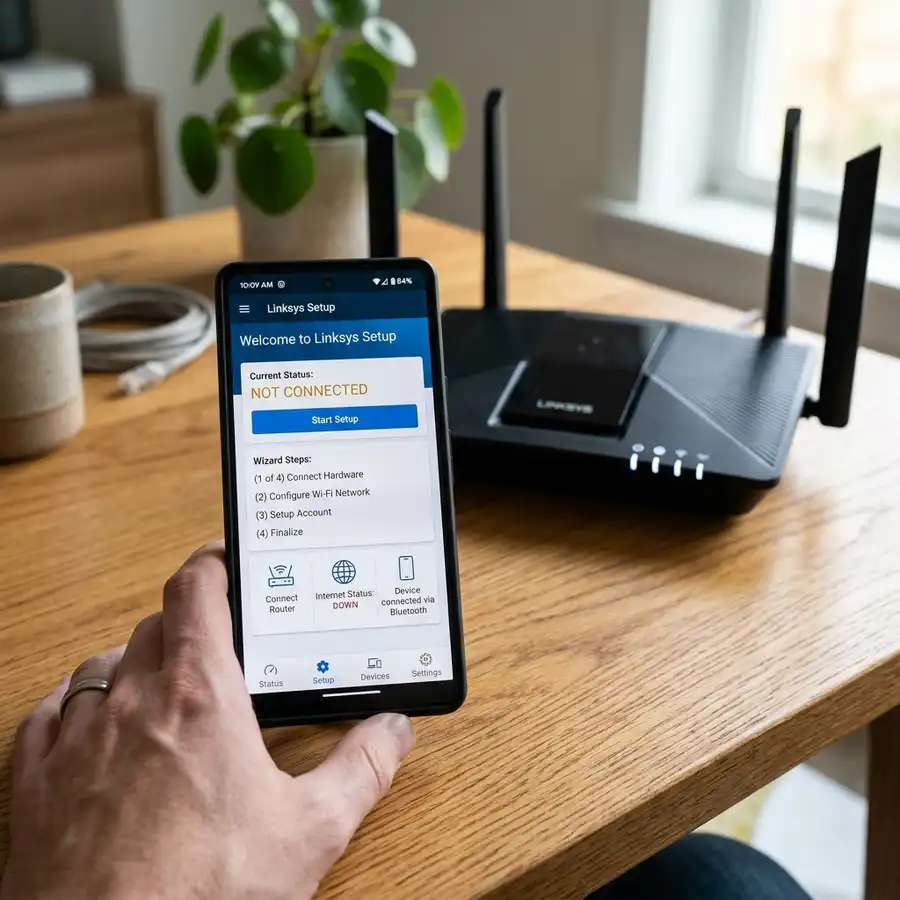
Once a dedicated Wi-Fi 6 router is acquired, setting it up correctly is essential for maximizing performance. Follow these steps to ensure a seamless experience.
Step 1: Positioning the Router
The placement of the router can significantly impact performance. It should be centrally located in the home to ensure optimal coverage for the Meta Quest 3.
Step 2: Configuring Router Settings
Access the router’s settings through a web browser and configure it for optimal performance. Enabling Quality of Service (QoS) can prioritize VR traffic.
Step 3: Connecting the Meta Quest 3
Connect the Meta Quest 3 to the Wi-Fi 6 network. Ensure that the headset firmware is up to date to take full advantage of the new features.
Conducting Speed Tests
To verify that the Wi-Fi 6 connection is performing as expected, conducting speed tests is beneficial. This ensures that the network is capable of handling VR streaming demands.
Recommended Speed Test Tools
Utilize reliable speed test tools to evaluate the network performance:
- Ookla Speedtest: A popular choice that provides accurate speed measurements.
- Fast.com: Offers a simple interface for quick speed testing.
- Google Speed Test: Accessible directly through Google search for quick results.
Interpreting Speed Test Results
When conducting speed tests, focus on download speed, upload speed, and latency. For VR applications, a download speed of at least 25 Mbps is ideal, with latency under 20 ms for the best experience.
Troubleshooting Common Issues
Even with a dedicated Wi-Fi 6 router, issues may arise during VR streaming. Understanding common problems and their solutions can enhance the experience.
Weak Signal Strength
If the Meta Quest 3 experiences a weak signal, consider repositioning the router or using Wi-Fi extenders. This can help improve coverage in large spaces.
High Latency
High latency can be attributed to network congestion. Reducing the number of connected devices or updating the router firmware may help alleviate this issue.
Interference from Other Devices
Electronic devices can interfere with Wi-Fi signals. Keeping the router away from microwaves and cordless phones can minimize disruptions.
Conclusion
Wi-Fi 6 offers numerous benefits for VR streaming on the Meta Quest 3. By investing in a dedicated router and optimizing the network setup, users can enjoy a seamless and immersive virtual reality experience.