Wi-Fi 6 Benefits on Meta Quest 3 for Wireless VR Streaming Using a Dedicated Router (Speed Test Guide)

Wi-Fi 6 Benefits on Meta Quest 3 for Wireless VR Streaming Using a Dedicated Router
The world of virtual reality is evolving rapidly, and the Meta Quest 3 is at the forefront of this transformation. With its advanced capabilities, the Quest 3 takes full advantage of Wi-Fi 6 technology, enhancing the wireless VR streaming experience.
This article will explore the benefits of using Wi-Fi 6 with the Meta Quest 3, particularly when paired with a dedicated router. A better understanding of these features can significantly elevate the virtual reality experience.
Understanding Wi-Fi 6
Wi-Fi 6, also known as 802.11ax, is the latest standard in wireless networking. It offers remarkable improvements over its predecessor, Wi-Fi 5.
Key features include faster data rates, increased capacity, improved efficiency, and lower latency. These attributes make Wi-Fi 6 particularly advantageous for high-bandwidth applications like VR streaming.
Benefits of Wi-Fi 6 for Meta Quest 3
Using Wi-Fi 6 with Meta Quest 3 can provide several benefits. First and foremost is the enhanced speed. Wi-Fi 6 can reach speeds up to 9.6 Gbps, allowing for smooth, high-quality streaming.
Additionally, the technology supports multiple devices without compromising performance. This is crucial for a seamless VR experience, especially in crowded environments.
Low Latency for Immersive Experience
Latency can significantly affect the VR experience, causing motion sickness and disorientation. Wi-Fi 6 reduces latency, ensuring that the user’s movements are reflected almost instantly in the virtual environment.
This responsiveness is vital for maintaining immersion and comfort while engaging in VR activities.
Dedicated Router for Optimal Performance
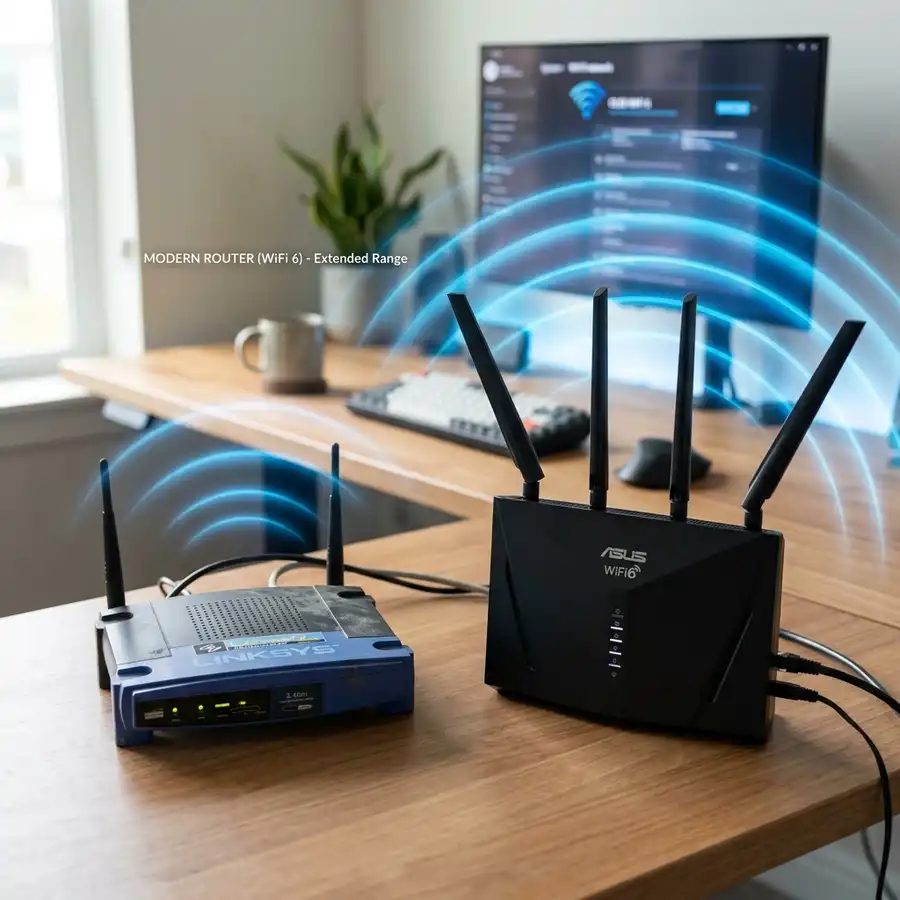
A dedicated router can further enhance the performance of Wi-Fi 6 networks. By prioritizing VR traffic, a dedicated router can minimize interference and maximize bandwidth for the Meta Quest 3.
Investing in a high-quality router designed for gaming and streaming can make a noticeable difference in the overall experience.
Speed Test Guide
Conducting a speed test is an excellent way to assess the performance of Wi-Fi 6 with the Meta Quest 3. Here’s a step-by-step guide:
- Connect the Meta Quest 3 to the Wi-Fi 6 network.
- Visit a reliable speed test website, such as Ookla or Fast.com.
- Begin the speed test and record the results.
- Repeat the test at different times to gauge consistency.
Monitoring speed and latency during these tests can help ensure optimal settings for VR streaming.
Comparison of Commercial VR Headsets
| VR Headset | Resolution | Refresh Rate | Field of View | Wireless Capability |
|---|---|---|---|---|
| Meta Quest 3 | 2064 x 2208 per eye | 120 Hz | 110° | Wi-Fi 6 |
| Valve Index | 1440 x 1600 per eye | 144 Hz | 130° | Wired |
| HTC Vive Pro 2 | 2448 x 2448 per eye | 120 Hz | 110° | Wired |
| Pico 4 | 2160 x 2160 per eye | 90 Hz | 105° | Wi-Fi 6 |




Conclusion
In conclusion, utilizing Wi-Fi 6 with the Meta Quest 3 offers significant benefits for wireless VR streaming. The enhanced speed, low latency, and capability to handle multiple devices make it an ideal choice for immersive experiences.
For those looking to elevate their VR setup, investing in a dedicated router and ensuring a robust Wi-Fi 6 network can lead to astonishing results. Explore the options to buy Meta Quest 3 and experience the future of virtual reality.
FAQ
What is Wi-Fi 6?
Wi-Fi 6 is the latest wireless networking standard that provides faster speeds, increased capacity, and lower latency compared to previous generations.
How does Wi-Fi 6 benefit VR streaming?
Wi-Fi 6 offers higher speeds and lower latency, which are crucial for a smooth and immersive VR streaming experience.
Do I need a dedicated router for the Meta Quest 3?
A dedicated router can prioritize VR traffic, improving performance and reducing interference, making it a valuable investment.
What speed is ideal for VR streaming?
A minimum speed of 25 Mbps is generally recommended for VR streaming, but higher speeds will provide a better experience.
Can Wi-Fi 6 work with older devices?
Yes, Wi-Fi 6 is backward compatible with previous Wi-Fi standards, allowing older devices to connect, albeit without the benefits of Wi-Fi 6.
Understanding Wi-Fi 6 Technology
Wi-Fi 6, also known as 802.11ax, offers significant improvements over previous generations, including higher data rates and improved capacity. This technology is particularly beneficial for environments with multiple devices, ensuring seamless connectivity for VR streaming.
The advanced features of Wi-Fi 6, such as Orthogonal Frequency Division Multiple Access (OFDMA) and Target Wake Time (TWT), allow for efficient data handling. This maximizes the performance of devices like the Meta Quest 3, providing a smoother virtual reality experience.
Enhanced Streaming Performance on Meta Quest 3
Using Wi-Fi 6 with the Meta Quest 3 enhances streaming quality by reducing latency and buffering. The increased bandwidth ensures that high-definition content is delivered without interruptions, crucial for immersive VR experiences.
With the latest Wi-Fi technology, users can enjoy high-frame-rate games and applications without sacrificing performance. This capability transforms the Meta Quest 3 into a powerful platform for wireless VR gaming.
The Role of a Dedicated Router
A dedicated router is essential for maximizing the benefits of Wi-Fi 6 on the Meta Quest 3. Unlike standard routers, dedicated models can prioritize VR traffic, ensuring that streaming remains stable and responsive.
Choosing a high-performance router designed for gaming can make a noticeable difference in VR performance. Brands like ASUS and Netgear offer routers with features tailored for optimal streaming, enhancing your overall experience.
Conducting Effective Speed Tests
Conducting speed tests is crucial to ensure that your network is optimized for VR streaming. Tools like Ookla Speedtest can provide immediate insights into your internet speed and latency, helping identify potential issues.
Performing tests at different times of day can reveal fluctuations in performance. Regular testing allows for adjustments to be made, ensuring an uninterrupted VR experience on the Meta Quest 3.
Optimal Network Settings for VR
Adjusting network settings can significantly improve the wireless experience on the Meta Quest 3. Enable Quality of Service (QoS) settings on your router to prioritize VR traffic over other types of data.
Additionally, using the 5GHz band instead of 2.4GHz can reduce interference and provide faster speeds. This setup creates a more reliable connection, essential for immersive VR activities.
Device Compatibility with Wi-Fi 6
The Meta Quest 3 is fully compatible with Wi-Fi 6 technology, allowing users to take full advantage of its capabilities. This compatibility means that users can expect enhanced performance without needing to upgrade their headset.
Alongside Wi-Fi 6 routers, other devices in your home can also benefit from improved connectivity. As more devices support this technology, the entire household can experience faster internet speeds.
Future-Proofing Your VR Setup
Investing in Wi-Fi 6 technology is a forward-thinking choice for VR enthusiasts. As more VR titles and applications become available, the demand for higher bandwidth will increase, making Wi-Fi 6 an essential component of any VR setup.
With the Meta Quest 3 and a dedicated Wi-Fi 6 router, you can ensure that your system is ready for future advancements. This preparation will enhance the longevity and performance of your VR experience.
Introduction to Wi-Fi 6 and Its Importance for VR Streaming
Wi-Fi 6, also known as 802.11ax, is the latest generation of wireless technology that offers several enhancements over its predecessor, Wi-Fi 5. These improvements are particularly beneficial for demanding applications like virtual reality (VR) streaming, especially on devices like the Meta Quest 3.
Benefits of Wi-Fi 6 for Meta Quest 3
The Meta Quest 3 is designed to deliver an immersive VR experience, and utilizing Wi-Fi 6 can significantly enhance this experience. Here are some key benefits:
Enhanced Speed
Wi-Fi 6 provides higher data transfer rates, which can lead to smoother streaming and lower latency. This is crucial for VR applications that require real-time feedback and fluid motion.
Increased Capacity
With Wi-Fi 6, multiple devices can connect simultaneously without a noticeable drop in performance. This is particularly useful in households with several smart devices alongside the Meta Quest 3.
Improved Range
Wi-Fi 6 technology enhances coverage and range, making it easier to maintain a stable connection throughout larger areas. This allows users to enjoy VR experiences without being tethered to the router.
Better Battery Efficiency
Wi-Fi 6 includes features that help devices consume less power. This means the Meta Quest 3's battery can last longer during intensive VR sessions, reducing the need for frequent recharging.
Setting Up a Dedicated Router for Optimal Performance
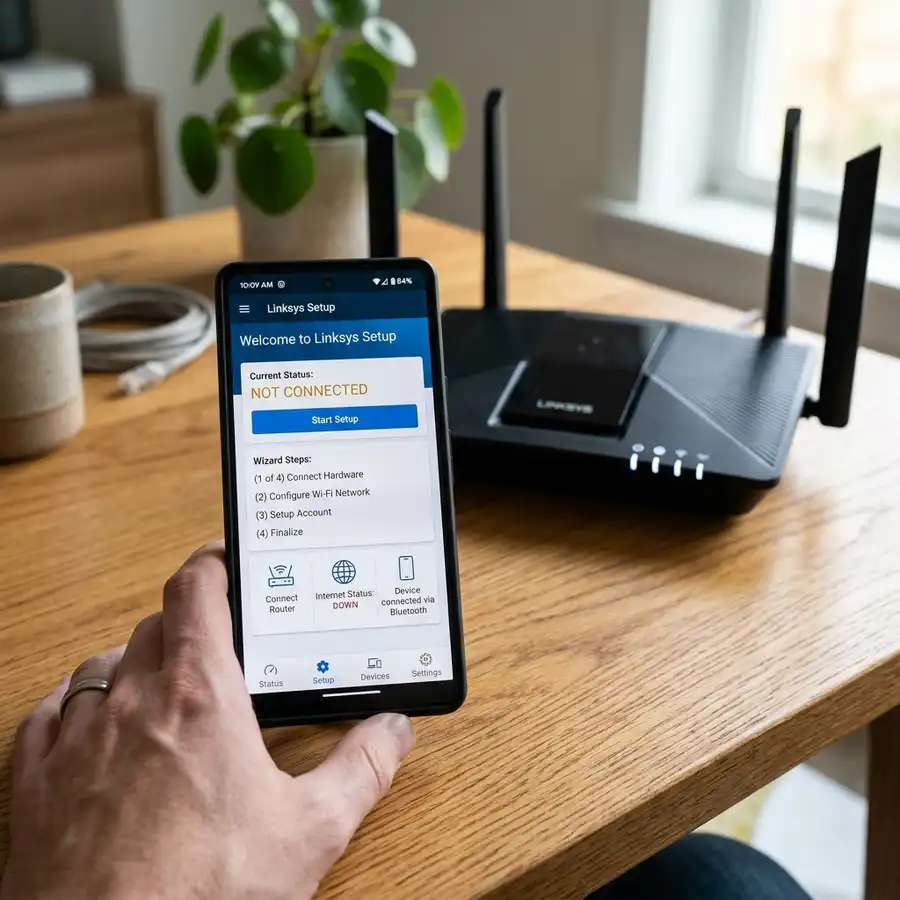
To fully utilize the benefits of Wi-Fi 6 for the Meta Quest 3, a dedicated router is essential. Here are steps to set up a dedicated router effectively:
- Choose a high-quality Wi-Fi 6 router that meets your needs.
- Position the router in a central location to maximize coverage.
- Connect the router directly to your modem for optimal speed.
- Configure the router settings for performance, including enabling Quality of Service (QoS) features.
- Secure the network with a strong password to prevent unauthorized access.
Speed Test Guide for Meta Quest 3 on Wi-Fi 6
Conducting a speed test can help gauge the performance of your Wi-Fi 6 network for VR streaming on the Meta Quest 3. Here’s a step-by-step guide:
Step 1: Prepare Your Environment
Ensure that the Meta Quest 3 is connected to the Wi-Fi 6 network. Close any applications that may use bandwidth on other devices.
Step 2: Access a Speed Test Website
Use a reliable speed test service, such as Ookla or Fast.com. These websites can provide accurate readings of your internet performance.
Step 3: Run the Speed Test
Initiate the speed test and allow it to complete. Pay attention to the download and upload speeds, as well as the ping.
Step 4: Analyze the Results
Compare your results with recommended speeds for VR streaming. Ideally, download speeds should exceed 25 Mbps, and latency should be under 20 ms for optimal performance.
Comparative Analysis of VR Headsets with Wi-Fi 6
Here is a comparison table highlighting various VR headsets that benefit from Wi-Fi 6 technology:
| VR Headset | Wi-Fi Standard | Recommended Speed (Mbps) | Key Features |
|---|---|---|---|
| Meta Quest 3 | Wi-Fi 6 | 25+ | High refresh rate, improved graphics, standalone |
| Oculus Rift S | Wi-Fi 5 | 25+ | PC VR, high-resolution display |
| Valve Index | Wi-Fi 5 | 25+ | Room-scale tracking, finger tracking controllers |
| Pico 4 | Wi-Fi 6 | 25+ | Standalone, lightweight, good battery life |
Best Practices for Maintaining Your Wi-Fi 6 Network
To ensure optimal performance for the Meta Quest 3, regular maintenance of the Wi-Fi network is essential. Here are some best practices:
- Regularly update the router firmware to benefit from the latest features and security improvements.
- Monitor device connections to manage bandwidth effectively.
- Consider using a wired connection for devices that require stable Internet access, such as gaming PCs.
- Perform routine speed tests to identify any potential issues with network performance.
Conclusion
In summary, the advantages of Wi-Fi 6 for wireless VR streaming on the Meta Quest 3 are substantial. By investing in a dedicated router and following best practices for setup and maintenance, the VR experience can be significantly enhanced.
Making the most of Wi-Fi 6 technology ensures that users enjoy faster speeds, better connectivity, and an overall improved virtual reality experience.