Why is 1.75mm Filament the Standard for Desktop 3D Printers?

1.75mm filament is the standard for desktop 3D printers due to its versatility, compatibility, and ease of use.
Understanding the Basics of 3D Filament Sizes
3D printing has transformed manufacturing and prototyping, making it accessible to hobbyists and professionals alike.
Among the various filament sizes available, 1.75mm filament has emerged as the most commonly used standard.
This section explores the reasons behind this popularity, focusing on technical aspects and user experiences.
Technical Advantages of 1.75mm Filament
Several technical advantages make 1.75mm filament a preferred choice for many users.
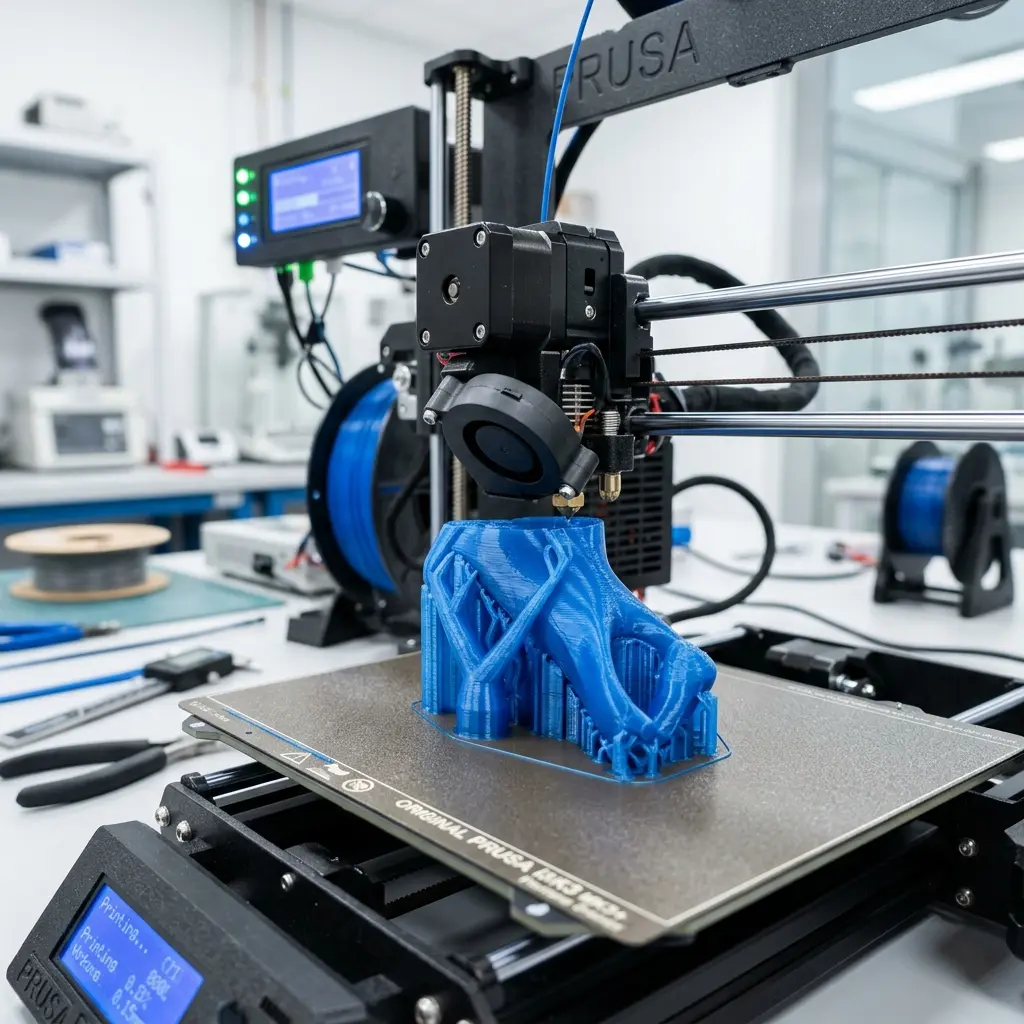
The smaller diameter allows for more precise control over the extrusion process, leading to finer detail in prints.
Additionally, 1.75mm filament is compatible with a wide range of extruder designs.
Most modern desktop 3D printers are engineered to accommodate this standard size, simplifying the design and production processes.
Filament Availability and Variety
The market for 3D printing materials has expanded dramatically in recent years.
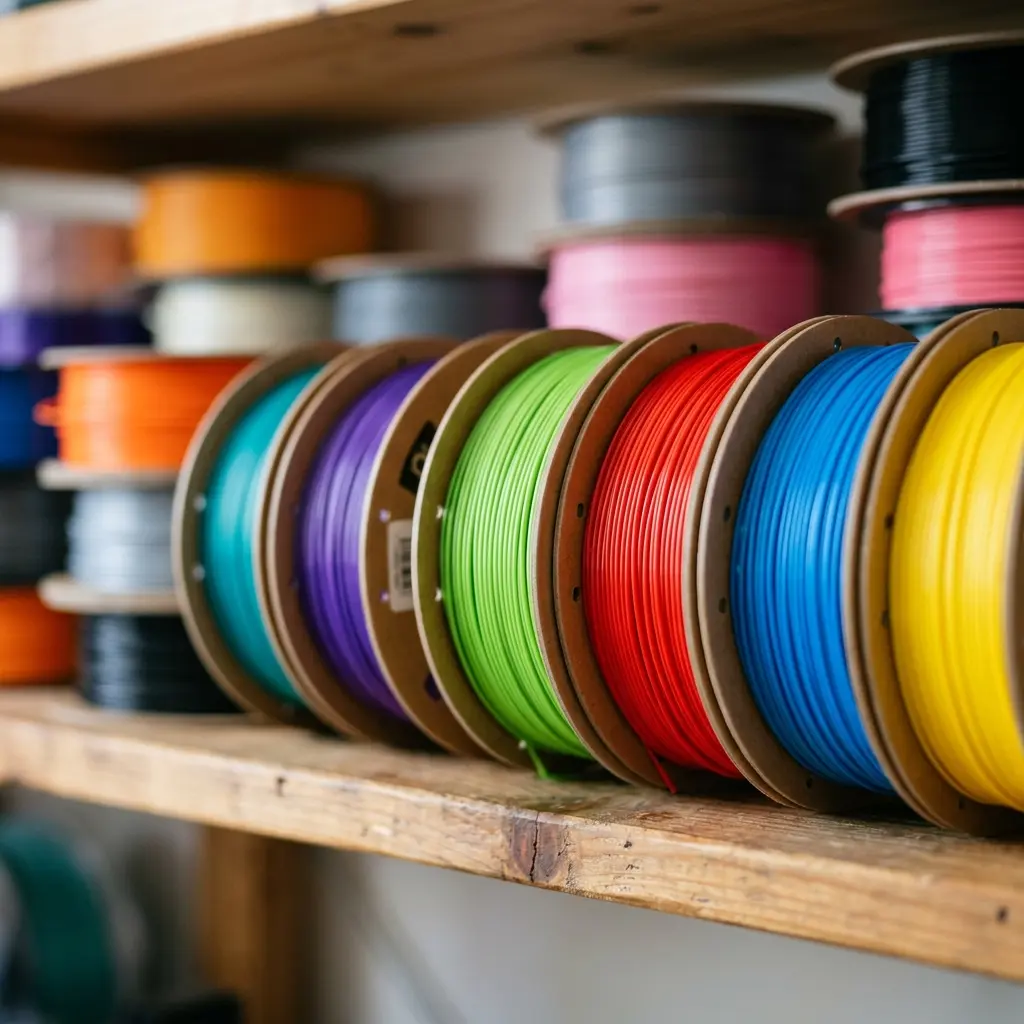
1.75mm filament enjoys a vast array of material options, including PLA, ABS, PETG, and more.
This variety allows users to select the best filament for their specific projects, ensuring high-quality results.
In contrast, larger filament sizes, such as 2.85mm, offer fewer choices, which can hinder creativity and experimentation in 3D printing.
Ease of Use and Compatibility
The ease of use associated with 1.75mm filament significantly contributes to its status as the standard.
Users can quickly switch between different filaments without needing to modify their printers extensively.
This flexibility is particularly beneficial for educational environments and makerspaces, where multiple users may share equipment.
Moreover, the compatibility of 1.75mm filament with a broad range of printer models ensures that users are not restricted by their choice of equipment.
Most entry-level and advanced printers are designed to work seamlessly with this filament size.
Cost-Effectiveness of 1.75mm Filament
Cost is always a consideration when selecting materials for 3D printing.
1.75mm filament is often more affordable than other sizes, making it an economical option for both hobbyists and professionals.
Many manufacturers produce 1.75mm filament in bulk, driving down prices through competition and availability.
Comparative Analysis of Filament Sizes
A comparative analysis of various filament sizes highlights the advantages of 1.75mm.
Below is a table summarizing key specifications and characteristics.
| Filament Size | Common Materials | Precision | Printer Compatibility | Cost |
|---|---|---|---|---|
| 1.75mm | PLA, ABS, PETG | High | Widely Compatible | Low |
| 2.85mm | PLA, ABS | Moderate | Limited Compatibility | Moderate |
| 3.00mm | Specialty Materials | Low | Very Limited | High |
Step-by-Step Guide to Using 1.75mm Filament
Following a structured approach enhances the printing experience with 1.75mm filament.
The steps below outline the process for optimal results:
- Ensure the 3D printer is compatible with 1.75mm filament.
- Select the desired filament material based on project needs.
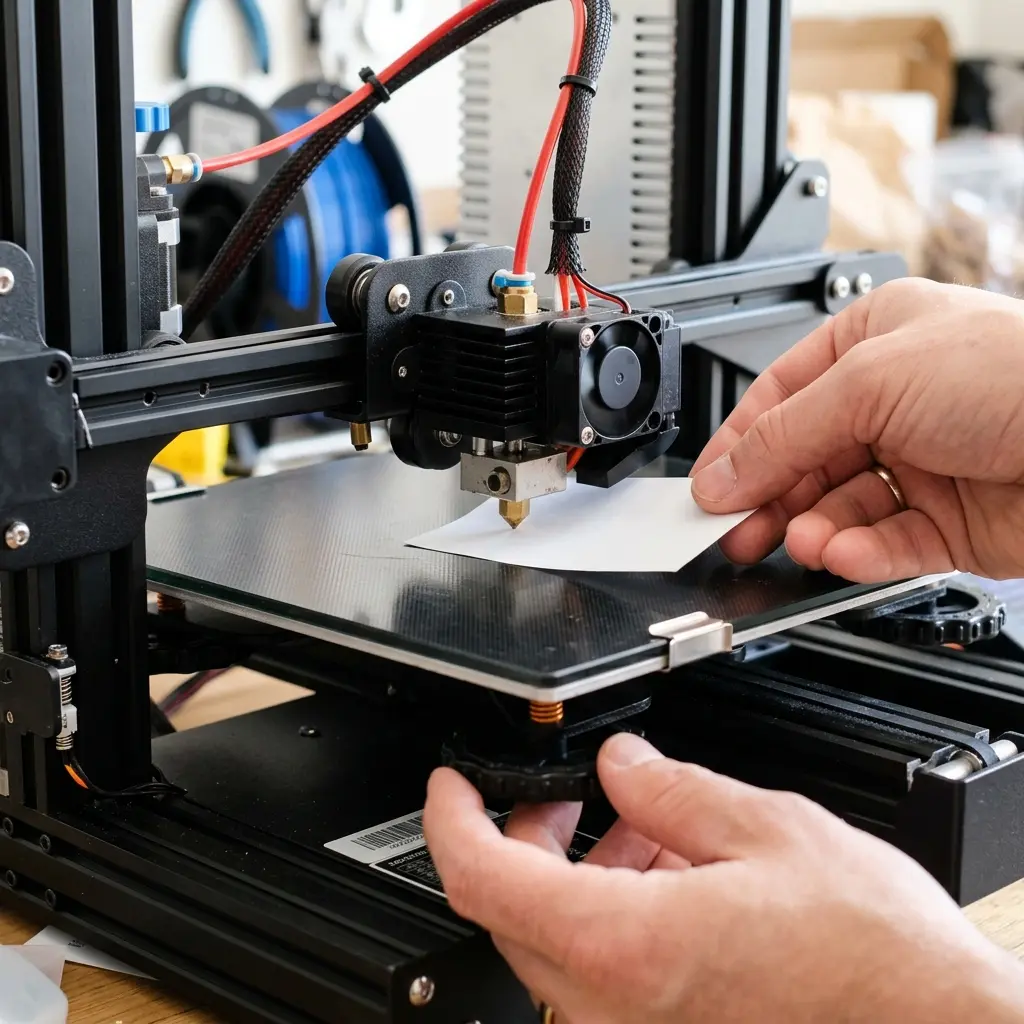
- Calibrate the 3D printer settings according to the filament specifications.
- Load the filament into the extruder carefully.
- Begin printing, monitoring the first layers for adhesion and accuracy.
Tip: Regularly clean the extruder nozzle to prevent clogs and ensure consistent filament flow.
3D Printing Techniques with 1.75mm Filament
Utilizing 1.75mm filament can significantly impact the quality of 3D prints.
Employing the right techniques enhances the overall outcome.
Common techniques include adjusting print speed, optimizing temperature settings, and ensuring proper bed leveling.
Common Issues and Troubleshooting
Even with the advantages of 1.75mm filament, issues may arise during printing.
Some common problems include under-extrusion, stringing, and warping.
Identifying the root cause is crucial for effective troubleshooting.
Adjusting temperature settings, calibrating the printer, and using appropriate filament materials can help mitigate these issues.
Advanced Techniques for Improved Print Quality
In addition to basic techniques, several advanced strategies can further enhance print quality.
These techniques include using adhesion aids, optimizing cooling settings, and experimenting with different layer heights.
Adhesion Aids
Using adhesion aids such as glue sticks, hairspray, or specialized 3D printing adhesives can improve bed adhesion.
These aids help ensure that prints do not warp or lift during the printing process.
Cooling Settings
Optimal cooling settings can significantly affect print quality, especially for materials like PLA.
Adjusting the fan speed and positioning can enhance the final appearance of the print.
Layer Heights
Experimenting with different layer heights allows users to balance print speed and detail.
Thinner layers yield higher detail, while thicker layers reduce print time.
Maintenance Tips for 3D Printers Using 1.75mm Filament
Regular maintenance is essential for ensuring optimal performance of 3D printers using 1.75mm filament.
Below is a checklist for maintaining a 3D printer:
- Clean the nozzle regularly to prevent clogs.
- Check and calibrate the bed level frequently.
- Inspect belts and pulleys for wear and tension.
- Lubricate moving parts to ensure smooth operation.
- Replace the PTFE tube if it shows signs of wear or damage.
Conclusion: Embracing 1.75mm Filament
1.75mm filament remains the standard for desktop 3D printers due to its balance of precision, compatibility, and cost-effectiveness.
By understanding its advantages and employing best practices, users can achieve exceptional results in their 3D printing endeavors.
Frequently Asked Questions
Why is 1.75mm filament more popular than other sizes?
1.75mm filament is favored for its versatility and compatibility with a wide range of printers, making it accessible for various users.
What materials are available in 1.75mm filament?
A variety of materials can be found in 1.75mm filament, including PLA, ABS, PETG, TPU, and specialty composites.
How does filament diameter affect print quality?
The diameter of the filament directly impacts extrusion precision; smaller diameters like 1.75mm allow for finer details and smoother prints.
Can 1.75mm filament be used with all 3D printers?
Most modern 3D printers are designed to work with 1.75mm filament, but it is essential to check compatibility with specific models.
What are some common troubleshooting tips for 1.75mm filament?
Common tips include adjusting print temperature, ensuring proper bed leveling, and regularly cleaning the extruder nozzle for optimal flow.
Industry Adoption of 1.75mm Filament
The widespread adoption of 1.75mm filament can be traced back to early 3D printing pioneers who standardized this diameter for various applications. This standardized size allows for compatibility across a broad range of desktop 3D printers, enhancing user experience and accessibility.
Manufacturers benefit from producing 1.75mm filament in large quantities, which leads to economies of scale. This results in lower prices and a more extensive selection of materials and colors for consumers.
Extruder Design and Performance
1.75mm filament is favored for its ability to work with smaller, more compact extruder designs. These compact extruders are lighter and allow for faster print speeds without sacrificing quality.
The reduced weight of the extruder leads to less inertia during printing, resulting in more precise movements and improved layer adhesion. This precision is crucial for achieving high-quality prints, especially in complex geometries.
Print Resolution and Detail
Smaller filament diameters, such as 1.75mm, facilitate finer details in printed objects. This level of detail is essential for applications requiring high-resolution outputs, such as prototypes and intricate designs.
The ability to print thinner layers allows for smoother surfaces and better overall aesthetics. Users often find that prints made with 1.75mm filament exhibit fewer visible layer lines compared to larger diameters.
Material Variety and Availability
The 1.75mm filament market is saturated with a plethora of material options, including PLA, ABS, PETG, and specialty filaments. This variety caters to diverse printing needs and preferences, giving users the flexibility to choose the best material for their specific projects.
Furthermore, the abundance of suppliers for 1.75mm filament ensures that users can easily find and source materials. This accessibility contributes to a vibrant ecosystem of 3D printing resources.
Calibration and User Experience
Calibration processes for 1.75mm filament are generally more straightforward and user-friendly. Many 3D printers include profiles pre-configured for common filaments, making it easier for users to achieve optimal print settings.
This ease of use enhances the overall user experience, particularly for beginners entering the world of 3D printing. A simplified calibration process leads to quicker iteration cycles and increased productivity in printing endeavors.
Market Trends and Consumer Preference
Consumer preference has played a significant role in establishing 1.75mm filament as the standard. With a majority of 3D printing enthusiasts opting for this size, manufacturers have focused their development efforts on optimizing 1.75mm filament technology.
Market trends indicate a growing community of users who favor the versatility and performance of 1.75mm filament. This trend further solidifies its position as the go-to choice for desktop 3D printing.
Heat Transfer and Melting Characteristics
1.75mm filament typically exhibits favorable heat transfer properties, which can improve melting efficiency during extrusion. This characteristic allows for quicker heating and cooling cycles, essential for maintaining print quality.
The improved melting characteristics contribute to better flow rates, reducing the chances of clogs and print failures. This reliability is particularly important for users aiming for consistent results in their projects.
Community Support and Resources
The 3D printing community has rallied around 1.75mm filament, resulting in extensive online resources, forums, and support networks. These platforms provide valuable information regarding troubleshooting, material selection, and best practices.
This community-driven approach fosters a collaborative environment, where users can share experiences and innovations. This support system is invaluable for both new and experienced users navigating the complexities of 3D printing.
Introduction to 3D Printing Filaments
3D printing has revolutionized manufacturing, prototyping, and creative projects. One of the most critical components of the 3D printing process is the filament used in Fused Deposition Modeling (FDM) printers. Among the various filament sizes available, 1.75mm filament has emerged as the standard for desktop 3D printers. This document explores the reasons behind its popularity and the advantages it offers.
Advantages of 1.75mm Filament
The choice of filament diameter significantly impacts printing performance, material efficiency, and printer compatibility. The following sections outline the key advantages of using 1.75mm filament:
- Compatibility: Most consumer and prosumer 3D printers are designed to accommodate 1.75mm filament, making it widely accessible.
- Material Variety: A vast range of materials, including PLA, ABS, PETG, and specialty filaments, is available in 1.75mm diameter.
- Precision: The smaller diameter allows for finer control of the extrusion process, resulting in high-resolution prints.
- Less Weight: Lighter filament spools are easier to handle and store, facilitating smoother printing processes.
- Reduced Clogging: The smaller diameter can lead to fewer clogs in the nozzle compared to thicker filaments.
Comparison of Filament Sizes
While 1.75mm filament is the standard, other sizes exist, such as 2.85mm (3mm) filament. The following table compares these filament sizes based on various factors:
| Filament Diameter | Common Uses | Advantages | Disadvantages |
|---|---|---|---|
| 1.75mm | Desktop 3D printers |
Publicidade |
|
| 2.85mm (3mm) | Industrial printers |
|
|
Technical Considerations
Several technical factors contribute to the preference for 1.75mm filament.
- Extruder Design: Most extruders are optimized for 1.75mm filament, allowing for efficient melting and deposition.
- Temperature Control: The smaller filament melts quickly, which can lead to better thermal management during printing.
- Print Speed: 1.75mm filament can be extruded at high speeds while maintaining print quality, making it ideal for various projects.
Common Materials for 1.75mm Filament
1.75mm filament is available in numerous materials, each serving different applications. Below is a list of common materials:
- PLA (Polylactic Acid): Biodegradable, easy to print, and available in many colors.
- ABS (Acrylonitrile Butadiene Styrene): Durable and heat-resistant, ideal for functional parts.
- PETG (Polyethylene Terephthalate Glycol): Combines the ease of PLA with the strength of ABS.
- Nylon: Strong and flexible, but requires careful handling due to moisture absorption.
- TPU (Thermoplastic Polyurethane): A flexible filament suitable for creating rubber-like prints.
Market Availability
The market for 1.75mm filament is extensive, with numerous suppliers and brands offering various options. Factors that influence market availability include:
- Brand Diversity: Many manufacturers produce 1.75mm filament, providing a wide range of colors and material properties.
- Price




