What is VESA Mount on Monitors and How to Check Compatibility
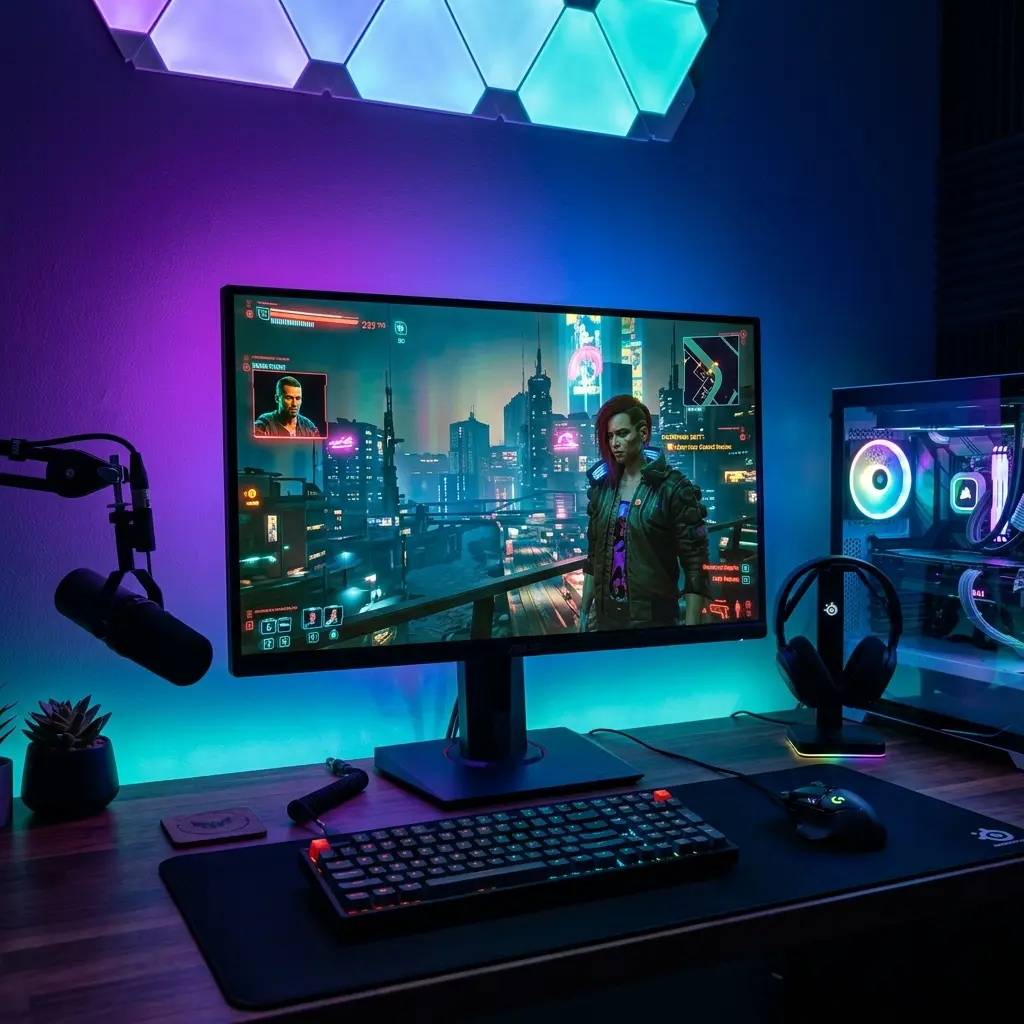
A VESA mount on monitors allows for versatile mounting options, enhancing ergonomic and spatial flexibility.
Physical Aspects and Resolution
VESA mounts typically adhere to standardized hole patterns, commonly 75x75mm or 100x100mm, facilitating compatibility across various monitor brands.
The physical dimensions of monitors can affect mounting, with larger screens requiring more robust mounts to ensure stability.
Performance and Technology
Monitors equipped with VESA mounts often support high-performance technologies such as 4K resolution and high refresh rates, enhancing user experience.
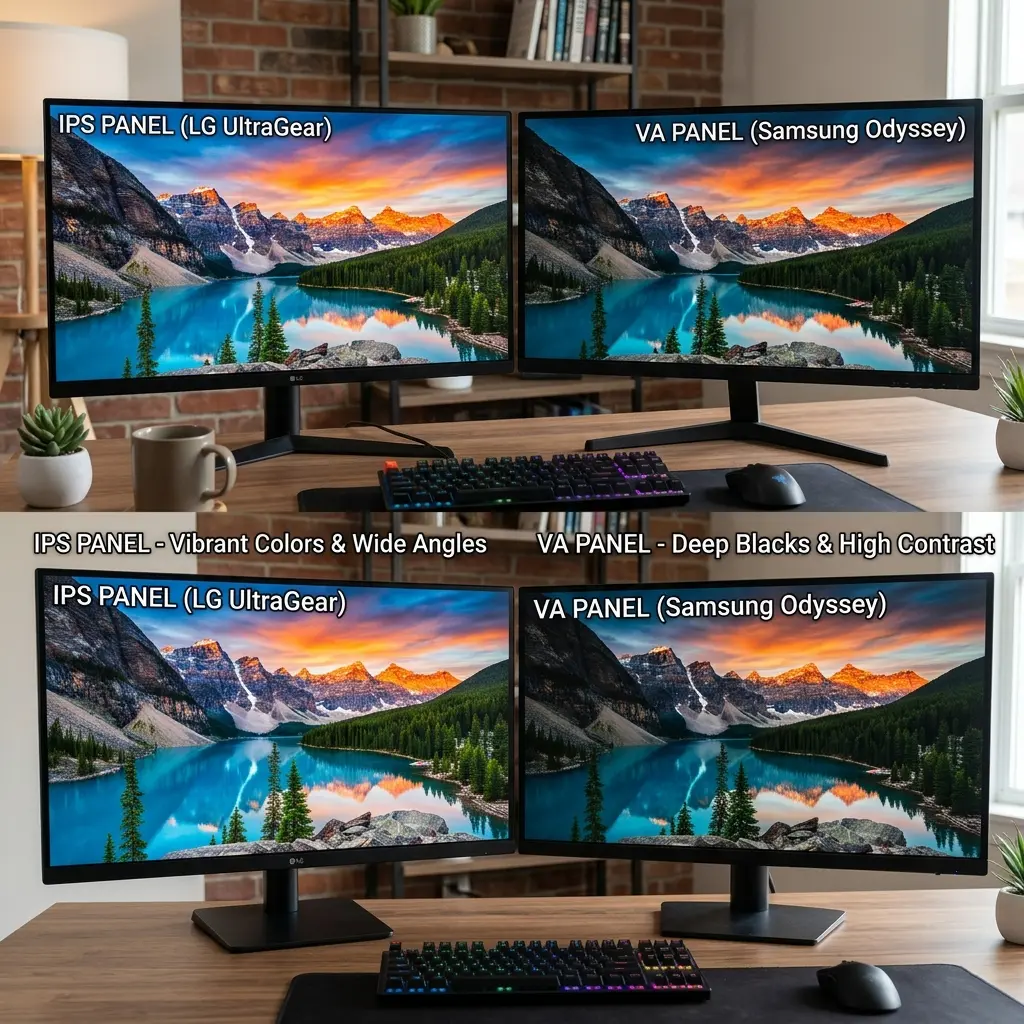
Innovations in display technology, including OLED and IPS panels, are frequently compatible with VESA mounts, ensuring superior visual output.
Ergonomics and Visual Comfort
Utilizing VESA mounts can significantly improve ergonomics, allowing for adjustable viewing angles to reduce neck and eye strain.
Proper monitor height and distance can enhance productivity, making VESA mounts an essential aspect of modern workspace design.
| Monitor Brand | VESA Pattern | Max Weight | Ergonomic Features |
|---|---|---|---|
| LG | 100x100mm | 15 kg | Height Adjustable |
| Dell | 100x100mm | 10 kg | Pivot and Tilt |
| Asus | 75x75mm | 8 kg | Swivel |
Materials and Durability
VESA mounts are constructed from various materials, including steel and aluminum, ensuring both strength and longevity.
The choice of materials directly influences the mounting system's resistance to wear and environmental factors.
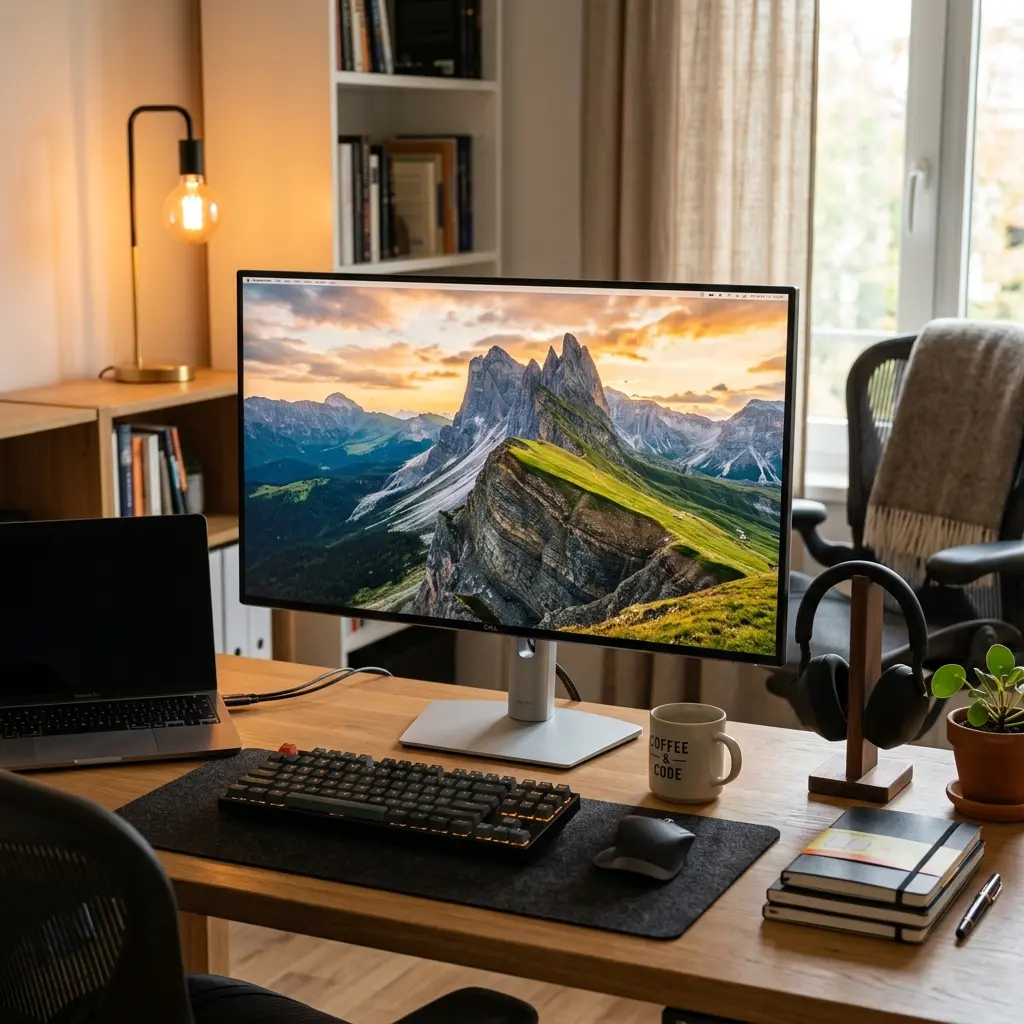
DomineTec Tip: Adjust the monitor height so that the top edge is at or just below eye level for optimal comfort.
Buying Recommendations and Brands
Choosing a monitor with a VESA mount involves examining specifications like weight capacity, size compatibility, and ergonomic features.
Brands such as Samsung, Acer, and BenQ often provide high-quality options designed for VESA mounting.
- Check the monitor's specifications for VESA compatibility.
- Confirm the size and weight limits of the VESA mount.
- Consider the ergonomic features offered.
- Research reputable brands and read user reviews.
- Evaluate the mounting system to ensure it meets your needs.
Value Analysis and Verdict
Investing in a VESA-compatible monitor can enhance workspace organization, visual comfort, and overall productivity.
Evaluating price against features will help in determining the best option for individual needs and preferences.
Understanding VESA Standards and Variants
The Video Electronics Standards Association (VESA) sets guidelines for mounting interfaces, which are crucial for monitor compatibility. VESA standards ensure that mounts adhere to specific dimensions and weight capacities for a variety of display sizes.
VESA has several mounting patterns, the most common being 75x75mm and 100x100mm. These measurements refer to the distance between the mounting holes on the back of a monitor, which is essential for ensuring a proper fit with a VESA-compatible mount.
In addition to the standard sizes, there are also larger configurations, such as 200x200mm, 400x400mm, and beyond, which cater to larger monitors and TVs. Understanding these variants is key for selecting the correct mount for specific monitor sizes.
When purchasing a mount, it is vital to check not only the VESA size but also the weight capacity specified by the manufacturer. This ensures that the mount can support the monitor securely without risk of failure.
Installation Process and Guidelines
Installing a VESA mount can vary in complexity depending on the type of mount and monitor. Generally, the process begins with gathering necessary tools, which may include a screwdriver, a level, and possibly a drill for wall mounts.
Before beginning the installation, it's crucial to ensure the workspace is clear and all components are accounted for. The mounting bracket should be aligned with the VESA holes on the monitor, and screws should be tightened to ensure stability.
For wall-mounted setups, it is important to locate wall studs for secure attachment. Using a stud finder can prevent installation in unsupported areas, reducing the risk of damage or injury.
Once securely mounted, it’s advisable to double-check the stability of the monitor. Adjustments can be made if the monitor is tilted or if the mount needs fine-tuning for optimal viewing angles.
Common Types of VESA Mounts
VESA mounts come in several types, including fixed, tilting, and full-motion mounts. Each type offers different levels of adjustability and flexibility for positioning the monitor.
Fixed mounts are the simplest option, designed for secure, flat positioning against a wall. They are ideal for displays that require minimal adjustments but can limit viewing angles and accessibility.
Tilting mounts allow for vertical adjustments, enabling users to tilt the monitor up or down for improved viewing angles. This is particularly beneficial in environments where glare from windows is a concern.
Full-motion mounts, or articulating mounts, provide the greatest flexibility. They allow users to extend, retract, tilt, and swivel the monitor, catering to dynamic workspaces or collaborative environments.
Assessing Monitor Weight and Size
Understanding the weight and size of your monitor is critical when selecting a VESA mount. Each mount has a specified weight limit, and exceeding this can lead to equipment failure and safety hazards.
Monitor sizes are typically measured diagonally, but the depth and width should also be considered for compatibility with the mount. A larger monitor may require a more robust mount to ensure stability.
In addition to weight, the center of gravity plays an important role. Monitors with a higher weight at the top may need different mounting solutions compared to evenly weighted displays.
Always refer to the manufacturer’s guidelines to determine the appropriate mount specifications based on the monitor's weight and dimensions. This ensures a secure and reliable installation.
VESA Mounts for Gaming Monitors
Gaming monitors often feature higher refresh rates and unique designs, making VESA compatibility even more important. Many gamers opt for mounts that allow for optimal positioning to enhance their gaming experience.
Full-motion mounts are particularly popular among gamers, as they enable quick adjustments for competitive play. The ability to reposition the monitor can be a significant advantage during intense gaming sessions.
Additionally, some gaming mounts come with integrated cable management systems. These features help keep the gaming setup organized and reduce cable clutter, contributing to a cleaner aesthetic.
When selecting a mount for a gaming monitor, consider not only the VESA compatibility but also the mount's range of motion. Ensuring that the mount accommodates the monitor's design and intended use is essential.
Future Trends in VESA Mount Technology
The future of VESA mounts is likely to be influenced by advancements in display technology and user needs. As monitors become thinner and lighter, new mounting solutions may emerge to accommodate these changes.
Smart mounts with integrated technology could provide features such as automated adjustments based on user preferences or movement sensors that optimize positioning based on user activity.
Additionally, sustainability is becoming a focal point in product design, and future VESA mounts may incorporate eco-friendly materials without compromising durability. This trend could appeal to environmentally conscious consumers.
As remote work and flexible office environments continue to grow, the demand for versatile and adjustable mounts is expected to rise. Manufacturers will likely focus on creating mounts that cater to a wide range of use cases and ergonomic needs.
Comparative Analysis of VESA-Compatible Mounts
When selecting a VESA mount, conducting a comparative analysis can help determine the best option for your needs. This analysis should include factors such as price, adjustability, weight capacity, and user reviews.
Price can vary significantly across different brands and types of mounts. Budget-friendly options may lack some features but can still provide adequate support for lighter monitors.
User reviews often highlight the strengths and weaknesses of specific mounts. Assessing feedback from other users can provide valuable insights into the ease of installation and long-term reliability.
Finally, comparing the features of each mount allows users to make informed decisions. Weighing the pros and cons of each option ensures that the selected mount aligns with personal preferences and intended use.
Impact of VESA Mounts on Workspace Organization
The implementation of VESA mounts can significantly enhance workspace organization by allowing for flexible monitor placements. This adaptability enables users to customize their work environment according to their individual needs and preferences.
By optimizing monitor positioning, VESA mounts can reduce clutter caused by traditional stands and bases. This creates a cleaner and more efficient workspace, promoting better focus and productivity among users.
Furthermore, VESA mounts facilitate multi-monitor setups, which are increasingly popular among professionals in various fields. Such arrangements can enhance multitasking capabilities and provide a broader view of applications and data.
In addition to aesthetics, organized workspaces contribute to better overall ergonomics. A decluttered desk allows for easier access to tools and materials, which can lead to improved workflow and reduced physical strain.
VESA Mount Adaptations for Different Environments
VESA mounts can be adapted for various environments, including home offices, corporate settings, and educational institutions. This versatility makes them suitable for a broad range of applications, from casual use to professional setups.
In corporate environments, VESA mounts can support collaborative workspaces where monitors may need to be reconfigured frequently. This flexibility allows for easy adjustments, accommodating different team sizes and configurations.
Educational institutions benefit from VESA mounts by facilitating interactive learning environments. Mounted displays can be positioned at optimal heights for students, enhancing visibility and engagement during lessons.
Moreover, VESA mounts can be integrated into specialized environments, such as healthcare or industrial settings. Custom solutions can be designed to meet specific needs, ensuring that monitors are accessible and functional in various applications.
The Environmental Impact of VESA Mounts
The environmental implications of VESA mounts extend beyond their physical presence in workplaces. By promoting the use of durable materials and reducing the need for bulky monitor stands, VESA mounts can contribute to sustainability efforts.
Using VESA mounts can lead to a decrease in material waste, as they allow for easier upgrades and replacements of monitors without needing to discard entire stands. This adaptability supports a more sustainable approach to technology consumption.
Additionally, the ability to mount monitors on walls or ceilings can free up valuable floor space, which can be beneficial in optimizing the use of physical resources. This practice can lead to more efficient use of energy in lighting and climate control.
Finally, as manufacturers continue to innovate, there is potential for VESA mounts to incorporate eco-friendly materials and designs. This shift can further reduce the carbon footprint associated with monitor setups and contribute to a more sustainable future in technology.
Cost Considerations When Choosing VESA Mounts
When selecting a VESA mount, it is essential to evaluate the cost associated with different types of mounts available in the market. Prices can vary significantly based on the mount's features, brand, and compatibility with various monitor sizes and weights. Budget-conscious consumers may find basic fixed or tilting mounts that provide sufficient support for their needs without breaking the bank.
On the other hand, advanced mounts with features such as full motion capabilities, gas spring adjustments, and integrated cable management systems tend to come at a premium price. These mounts offer enhanced flexibility and ergonomics, which can be beneficial for users who frequently adjust their monitors or work in collaborative environments. It is crucial to weigh the potential benefits against the costs to determine the best value for individual needs.
Additionally, consider the long-term investment aspect of purchasing a VESA mount. A high-quality mount may have a higher upfront cost but could provide durability and functionality over time, reducing the need for replacements. It is advisable to research and compare different options while keeping in mind the overall benefits and longevity of the mounts.
Finally, potential buyers should also take into account any additional costs that may arise during the installation process. While some mounts come with all necessary hardware, others may require extra tools or accessories. Understanding the total cost of ownership will help users make informed decisions that align with their budget and requirements.
Compatibility with Smart Technologies
As smart technology continues to evolve, the compatibility of VESA mounts with these advancements is becoming increasingly relevant. Many modern monitors incorporate smart features, including built-in speakers, cameras, and connectivity options that may impact the choice of a VESA mount. Ensuring that the mount does not obstruct these functionalities is crucial for maintaining the monitor's full capabilities.
Furthermore, the rise of smart home offices and collaborative workspaces has led to a demand for mounts that can accommodate various devices beyond traditional monitors. VESA mounts that offer flexibility for mounting multiple screens or integrating additional technology such as webcams or lighting can enhance the overall workspace experience. Users should consider their specific technology needs when selecting a suitable VESA mount.
Another aspect of compatibility is the integration of VESA mounts with smart home systems. Some advanced mounts now feature motorized adjustments that can be controlled via smartphone applications or voice commands, providing a seamless user experience. This integration not only enhances accessibility but also promotes an organized and tidy workspace by minimizing cable clutter.
Ultimately, as the landscape of technology continues to change, the compatibility of VESA mounts with smart devices will play a pivotal role in future selections. Staying informed about emerging trends and innovative features will help users choose mounts that not only meet current needs but also adapt to future technological advancements.
Frequently Asked Questions
What does VESA stand for?
VESA stands for Video Electronics Standards Association, which sets standards for mounting interfaces.
How can compatibility be checked?
Compatibility can be checked by measuring the VESA hole pattern and comparing it to the mount specifications.
Can all monitors be VESA mounted?
No, only monitors designed with VESA mounting holes can utilize VESA mounts.
What tools are needed for mounting?
Typically, a screwdriver and the provided mounting hardware are sufficient for installation.
Are VESA mounts adjustable?
Many VESA mounts are adjustable, allowing for changes in height, tilt, and rotation for better ergonomics.




