What is Silk PLA? How to Get the Best Glossy Look in 3D Prints
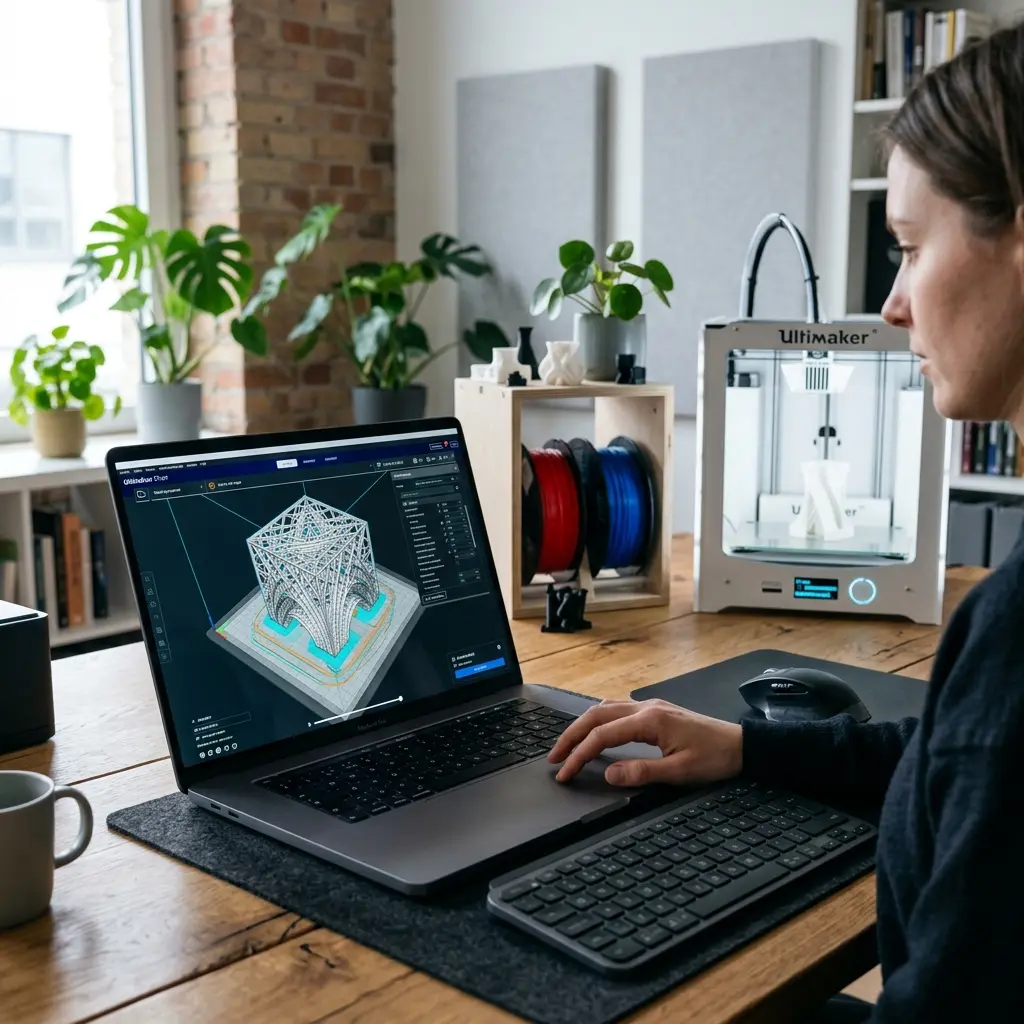
Silk PLA is a special type of PLA filament known for its glossy finish and smooth surface, ideal for stunning 3D prints.
Understanding Silk PLA: The Basics
Silk PLA combines polylactic acid (PLA) with additives that enhance its glow and smoothness. This filament offers a unique aesthetic, making it popular for decorative items and models.
The glossy appearance of Silk PLA is achieved through a special manufacturing process that alters the filament's properties. This results in prints that shimmer and reflect light, resembling silk fabric.
Advantages of Using Silk PLA
Silk PLA provides several benefits that make it a preferred choice among 3D printing enthusiasts. Its glossy surface is not the only advantage; there are more reasons to choose this filament.
- Easy to print: Silk PLA offers similar printing properties to regular PLA, making it user-friendly.
- Low warping: This filament typically experiences minimal warping during the printing process.
- Environmental friendliness: Being derived from renewable resources, Silk PLA is biodegradable.
How to Achieve the Best Glossy Look in Your 3D Prints
Achieving that sought-after glossy finish with Silk PLA requires careful attention to print settings and post-processing techniques. Follow these guidelines to maximize the aesthetic appeal of prints.
1. Optimal Printer Settings
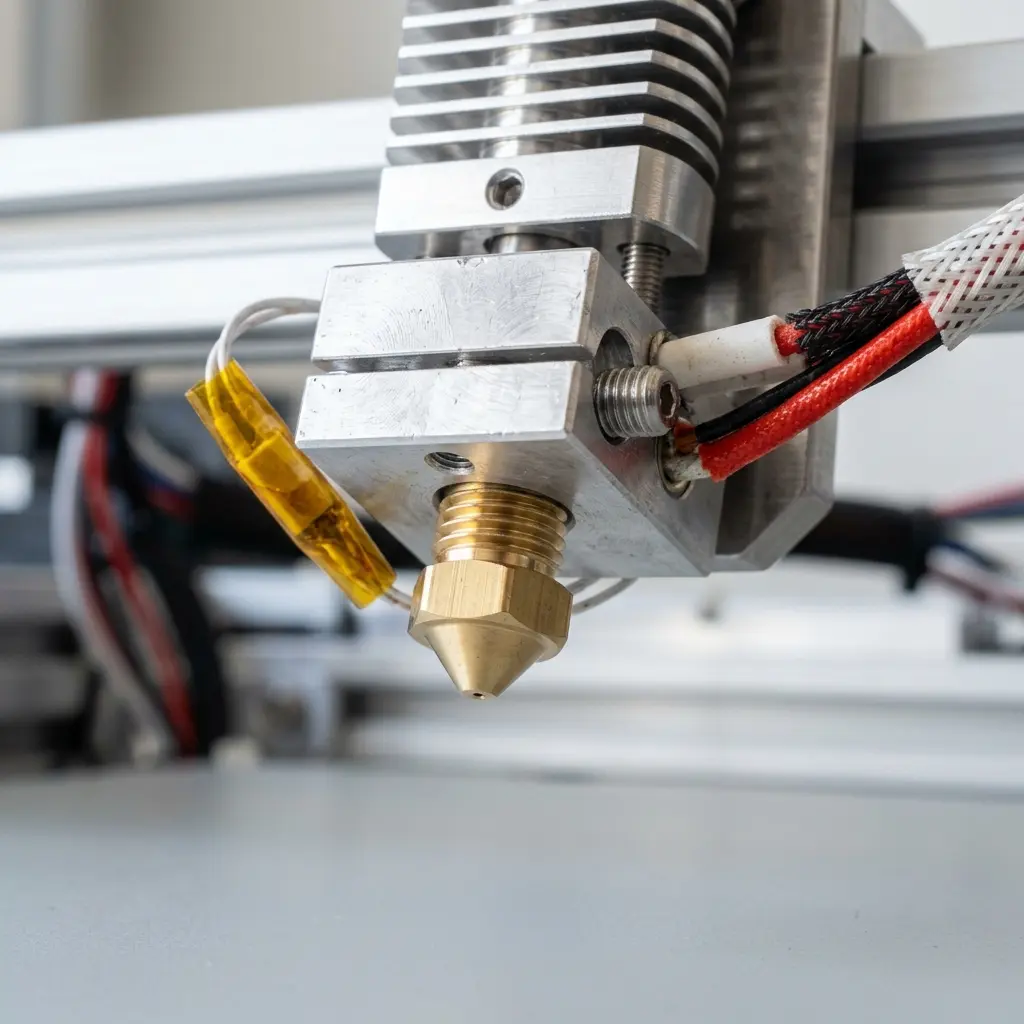
Start by adjusting the printer settings to suit Silk PLA. Key parameters include print temperature, layer height, and print speed.
- Print temperature: Set the nozzle temperature between 190°C and 220°C for optimal results.
- Layer height: A smaller layer height (0.1mm to 0.2mm) enhances surface smoothness.
- Print speed: Reduce the print speed to 40-60 mm/s for better layer adhesion and finish.
2. Bed Adhesion Techniques
Ensuring proper bed adhesion is crucial for a successful print with Silk PLA. Utilize a heated bed or adhesive solutions to prevent lifting and ensure a smooth base.
Using a heated bed set to around 60°C can help with adhesion. Applying a thin layer of glue stick or painter’s tape can also enhance bed grip.
3. Post-Processing for Enhanced Gloss
Post-processing techniques can significantly improve the glossy finish of Silk PLA prints. Consider the following methods:
- Light sanding: Gently sand the surface with fine-grit sandpaper to eliminate imperfections.
- Clear coat spray: Apply a clear acrylic spray to enhance glossiness after sanding.
- Polishing: Use a polishing compound and cloth for a mirror-like finish.
Silk PLA vs. Other Filament Types
Understanding the differences between Silk PLA and other common filament types can help in making informed choices. Here’s a comparative analysis:
| Filament Type | Gloss Finish | Ease of Printing | Durability | Cost |
|---|---|---|---|---|
| Silk PLA | High | Easy | Moderate | Moderate |
| Regular PLA | Low | Very Easy | Low | Low |
| ABS | Moderate | Moderate | High | Moderate |
| PETG | Moderate | Moderate | High | Moderate |
Tip: To further enhance prints, consider experimenting with different post-processing techniques to find the best finish for projects.
Common Issues and Troubleshooting
While Silk PLA offers excellent aesthetics, certain challenges can arise during the printing process. Here are common issues and possible solutions.
1. Poor Adhesion
If prints are not adhering well to the print bed, check the bed leveling and ensure adequate temperature settings. A clean surface is also essential for good adhesion.
2. Stringing and Oozing
Stringing can occur with Silk PLA due to higher print temperatures. Reducing the nozzle temperature or increasing retraction settings can help mitigate this issue.
3. Surface Imperfections
Layer separation or gaps can lead to surface imperfections. Adjusting the print speed and temperature can resolve this problem effectively.
4. Warping
While Silk PLA is less prone to warping, ensuring a consistent print environment can further minimize this risk. A heated bed can aid in maintaining stable adhesion.
Frequently Asked Questions
What is the best temperature for printing Silk PLA?
The optimal temperature range for printing Silk PLA is between 190°C and 220°C. Fine-tuning within this range may yield the best results based on specific printer settings.
Can Silk PLA be painted?
Yes, Silk PLA can be painted. Ensure the surface is clean and consider applying a primer for better paint adhesion.
Is Silk PLA biodegradable?
Silk PLA is made from renewable resources and is biodegradable under the right conditions. However, it should be disposed of properly to ensure environmental benefits.
How does Silk PLA compare to regular PLA?
Silk PLA offers a higher gloss finish compared to regular PLA, which is typically matte. The aesthetic appeal makes Silk PLA more suitable for decorative applications.
What post-processing methods can enhance Silk PLA prints?
Common post-processing methods include light sanding, applying a clear coat spray, and polishing the surfaces. These techniques can significantly improve the glossy finish.
Advanced Techniques for Silk PLA Printing
Advanced techniques can further enhance the quality of prints made with Silk PLA. These methods require a deeper understanding of 3D printing principles.
1. Temperature Calibration
Calibrating the printer's temperature can drastically affect print quality. Use a temperature tower to find the optimal settings for specific filament batches.
2. Retraction Settings
Adjusting retraction settings can minimize stringing and improve overall print quality. A retraction distance of 2-5mm is generally recommended for Silk PLA.
3. Cooling Fan Adjustment
Proper cooling is crucial for Silk PLA. Ensure that the cooling fan is operational and set to a medium speed to allow layers to solidify correctly.
4. Layer Adhesion Techniques
Improving layer adhesion can enhance the structural integrity of prints. Consider increasing the extrusion multiplier slightly for better bonding between layers.
Comprehensive Checklist for Silk PLA Printing
Using a checklist can streamline the printing process and ensure optimal results. Below is a comprehensive checklist for printing with Silk PLA.
Pre-Print Checklist
- Ensure the printer is calibrated.
- Check the filament for moisture and condition.
- Set the appropriate nozzle temperature (190°C-220°C).
- Adjust the bed temperature to approximately 60°C.
- Level the print bed accurately.
During Print Checklist
- Monitor the first layer for proper adhesion.
- Check for stringing and adjust retraction settings if necessary.
- Observe print speed and adjust if needed.
- Ensure cooling fan is functioning properly.
Post-Print Checklist
- Inspect the print for imperfections.
- Perform light sanding if necessary.
- Apply a clear coat for enhanced gloss.
- Store any leftover filament properly to prevent moisture absorption.




