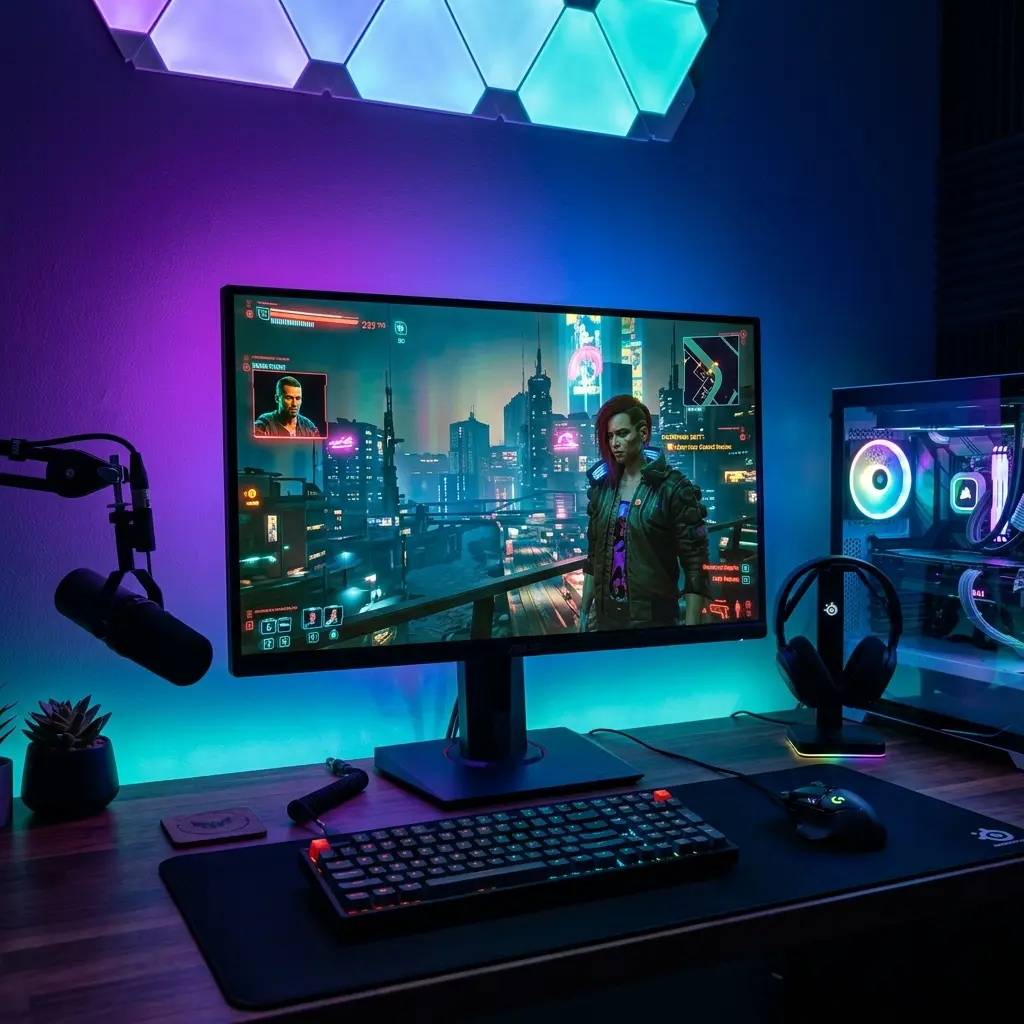
Screen tearing occurs when the display's refresh rate and the graphics card's frame rate are out of sync, leading to visual artifacts.
Physical Aspects and Resolution
Screen tearing is influenced by the physical resolution of the monitor, which can range from Full HD (1920x1080) to 4K (3840x2160).
Higher resolutions generally require more processing power, making synchronization between the GPU and monitor critical to avoid tearing.
Performance and Technology
Modern monitors often utilize technologies such as V-Sync, FreeSync, and G-Sync to mitigate the effects of screen tearing.
V-Sync locks the frame rate to the monitor’s refresh rate, while FreeSync and G-Sync adjust the refresh rate dynamically to match the frame output from the GPU.
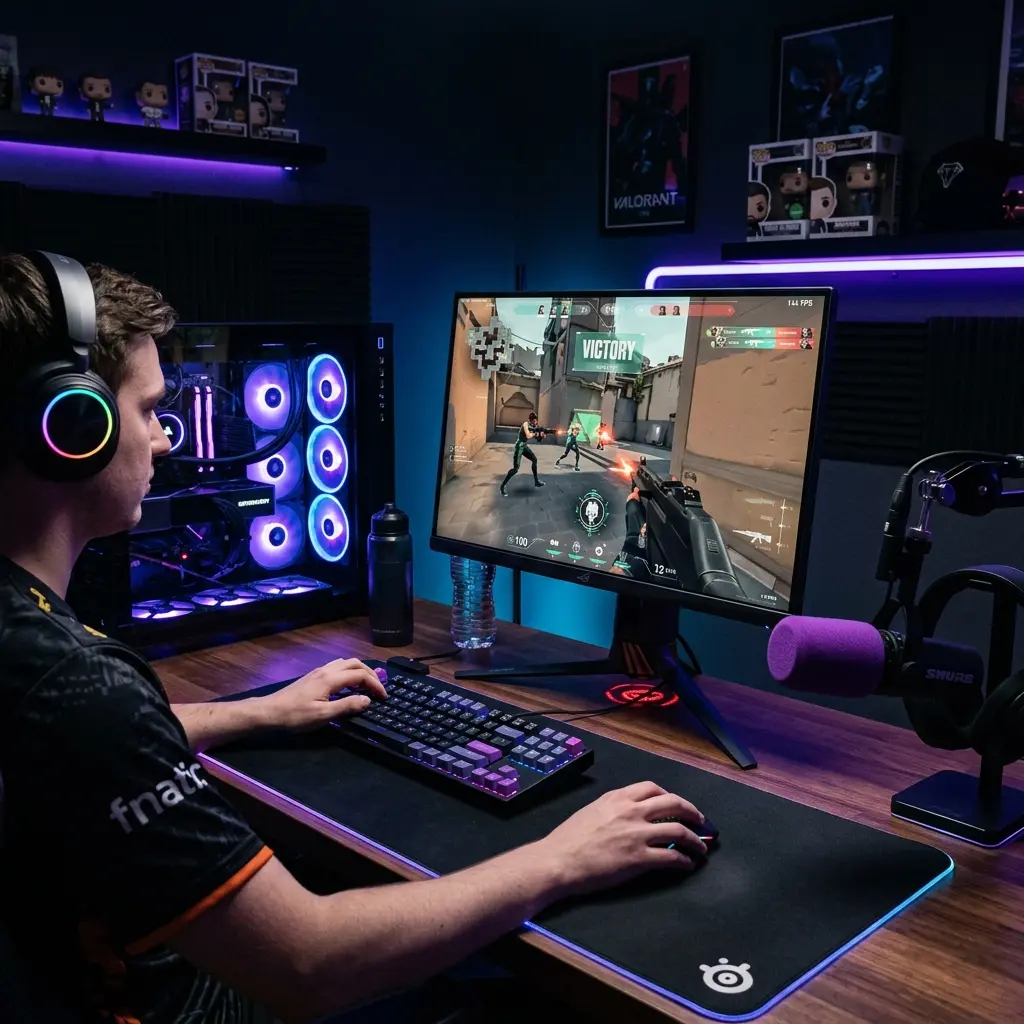
Ergonomics and Visual Comfort
Ergonomic designs in monitors can significantly enhance visual comfort, reducing eye strain during prolonged usage.
Factors such as adjustable height, tilt, and swivel contribute to a comfortable viewing experience, especially in high-performance settings.
| Monitor Type | Refresh Rate | Adaptive Sync Technology | Typical Use |
|---|---|---|---|
| Standard (60Hz) | 60Hz | None | Office Work |
| Gaming (144Hz) | 144Hz | FreeSync/G-Sync | Competitive Gaming |
| High End (240Hz) | 240Hz | FreeSync/G-Sync | Esports |
| Ultrawide (100Hz) | 100Hz | FreeSync/G-Sync | Immersive Gaming |
Materials and Durability
Monitor build quality can affect longevity, with materials ranging from plastic to aluminum and glass for screens.
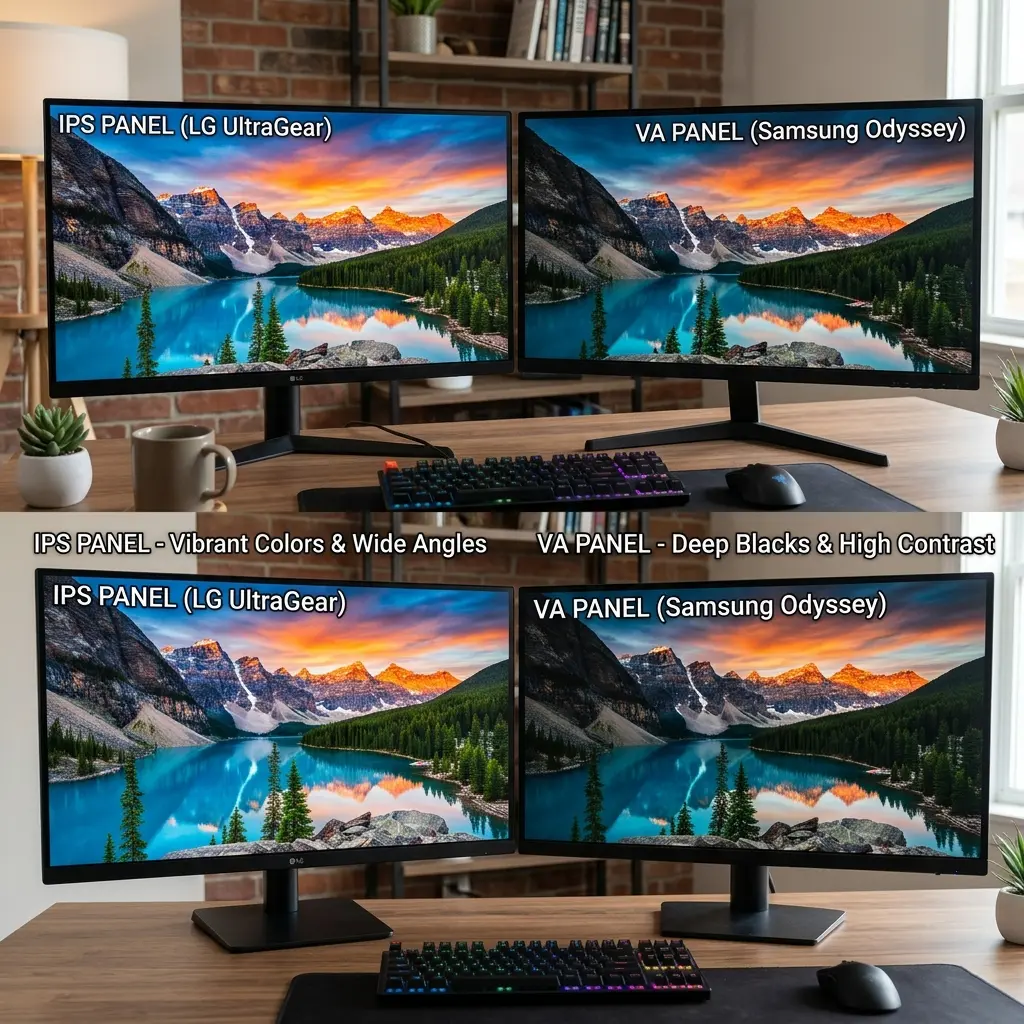
Durability is often linked to the choice of components, such as the type of panel used (IPS, TN, VA), which can also influence performance under stress.
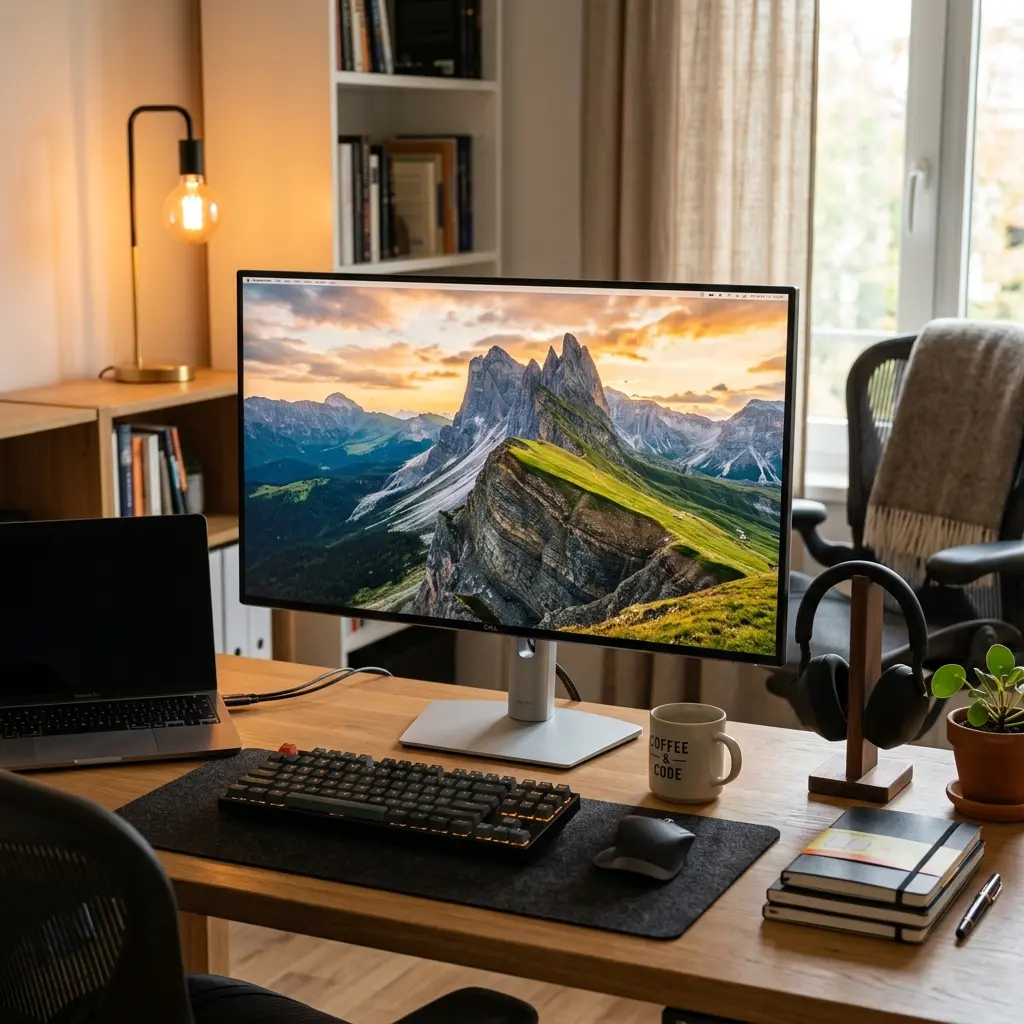
DomineTec Tip: Ensure the monitor is positioned at eye level and the screen is approximately an arm's length away to minimize strain.
Buying Recommendations and Brands
When selecting a monitor, consider reputable brands such as ASUS, Dell, and Acer, known for their quality and performance.
Features such as refresh rate, panel type, and adaptive sync technology should be prioritized according to specific needs.
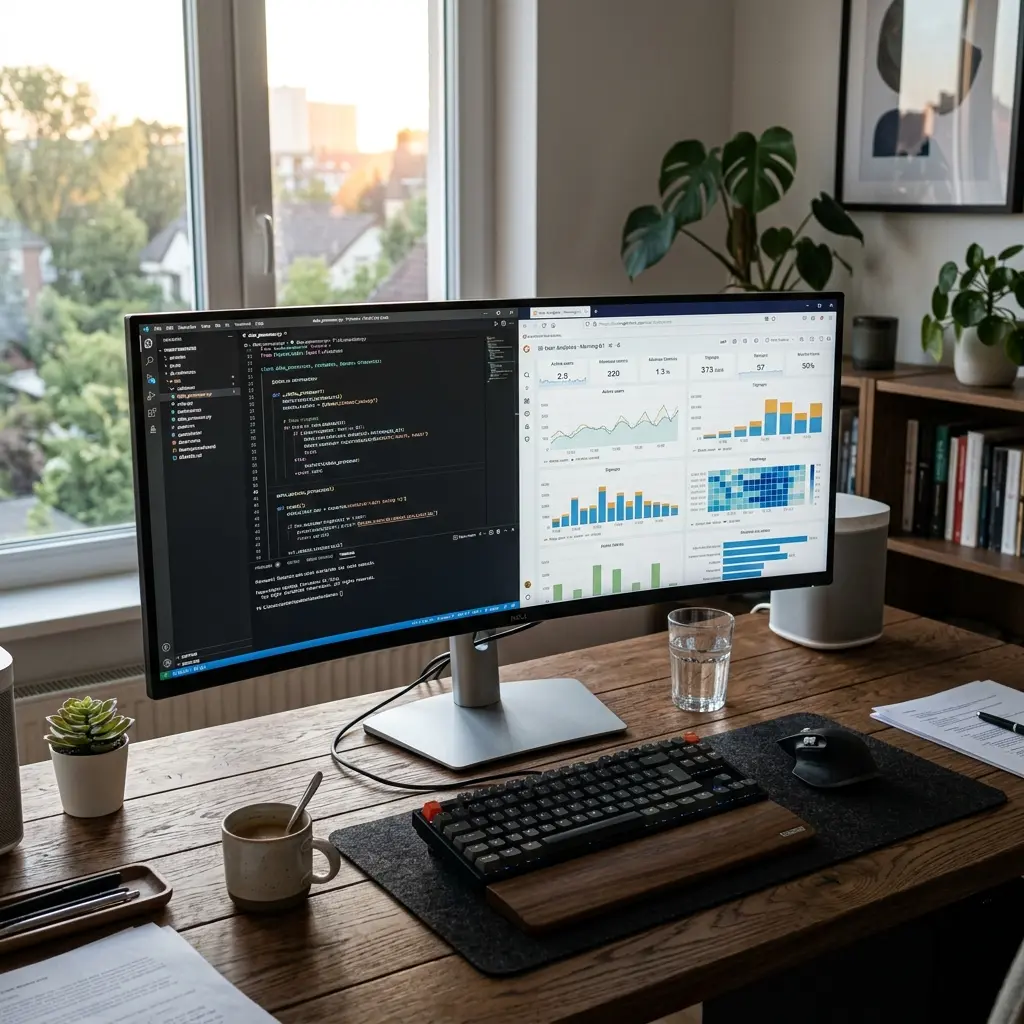
- Determine the primary usage (gaming, office tasks, etc.).
- Select the appropriate resolution based on the GPU.
- Choose a monitor with the desired refresh rate.
- Assess the ergonomics and adjustability features.
- Look for brands with reliable support and warranty options.
Value Analysis and Verdict
Investing in a high-quality monitor can significantly enhance the overall user experience and productivity levels.
Balancing performance features with price is essential for achieving the best value in a monitor that minimizes screen tearing.
Understanding the Causes of Screen Tearing
Screen tearing occurs when the frame rate of the graphics card does not synchronize with the refresh rate of the monitor. This mismatch leads to the display showing parts of multiple frames in a single screen draw.
Common causes of screen tearing include high frame rates exceeding the monitor's refresh rate and inconsistent frame rendering caused by various software and hardware factors. Gaming and high-definition video playback are particularly susceptible to these issues.
Another significant contributor to screen tearing is the use of V-Sync, which, while it can help reduce tearing, may introduce input lag or stuttering if not implemented correctly. Understanding these factors is crucial for users looking to optimize their visual experience.
In addition, the type of content being displayed can influence the likelihood of screen tearing. Fast-paced video games or action movies often present greater challenges for synchronization, leading to more noticeable tearing artifacts.
Impact of Screen Tearing on Gaming Experience
Screen tearing can significantly detract from the gaming experience, leading to frustration and reduced immersion. Gamers may find it challenging to track fast-moving objects, negatively affecting performance in competitive scenarios.
In addition to affecting gameplay, screen tearing can also induce motion sickness in some users, particularly during rapid movements or scene changes. This can lead to an uncomfortable gaming experience, prompting many to seek solutions.
Players often report that screen tearing breaks their concentration, making it difficult to maintain focus on the game. This can be particularly problematic in fast-paced genres such as first-person shooters or racing games.
Ultimately, mitigating screen tearing is essential for both casual and competitive gamers who wish to achieve a smoother and more enjoyable gaming experience. Understanding how to address this issue is vital for optimizing performance.
Graphics Card Settings and Configuration
Configuring graphics card settings can play a significant role in reducing or eliminating screen tearing. Most modern graphics cards come equipped with control panels that allow users to adjust various settings related to performance and display.
Enabling features such as V-Sync or Adaptive Sync can help synchronize the frame rate of the graphics card with the monitor's refresh rate, effectively minimizing screen tearing. However, users should be aware of the potential trade-offs in input response time.
In addition to V-Sync, users can explore options like NVIDIA G-SYNC or AMD FreeSync, which are specifically designed to address screen tearing by dynamically adjusting the refresh rate. These technologies enhance the visual experience significantly.
Regularly updating graphics drivers is also crucial, as manufacturers often release optimizations that can improve performance and reduce instances of screen tearing. Keeping drivers up to date ensures compatibility with the latest software and games.
Monitor Specifications and Their Role
The specifications of a monitor, including its refresh rate and response time, play a critical role in the occurrence of screen tearing. Higher refresh rates typically result in smoother visuals and less tearing, providing a more responsive experience for users.
Response time, measured in milliseconds, indicates how quickly a pixel can change from one color to another. Monitors with lower response times can reduce motion blur, which can exacerbate the effects of screen tearing during fast movements.
When selecting a monitor, users should consider both the refresh rate and response time to ensure optimal performance for their intended use, whether for gaming, video editing, or general productivity. These specifications can significantly impact the overall visual quality.
In addition, understanding the capabilities of a monitor in conjunction with the hardware specifications of the graphics card is essential for achieving the best performance. Compatibility between these components can help minimize screen tearing.
Software Solutions and Game Settings
In many cases, software solutions can help mitigate or eliminate screen tearing. Game developers often implement settings within their titles to enhance performance and reduce visual artifacts.
Tweaking in-game graphics settings, such as frame rate limits and resolution, can help achieve a balance that minimizes screen tearing. Lowering settings may allow for a more consistent frame rate that aligns better with the monitor's refresh rate.
Additionally, enabling or disabling V-Sync in the game's menu can yield varying results depending on the specific title and hardware configuration. Users should experiment with these settings to find the optimal setup for their gaming experience.
Third-party software solutions, such as frame rate limiters or monitors with built-in synchronization technology, can also assist in reducing screen tearing. Exploring these options can provide users with additional tools to enhance their visual experience.
Future Technologies in Display Synchronization
The landscape of display synchronization is continuously evolving, with new technologies emerging to address issues like screen tearing. Innovations such as variable refresh rate (VRR) technologies are gaining traction in both the gaming and professional markets.
Upcoming standards, such as DisplayPort 2.0 and HDMI 2.1, promise enhanced bandwidth and features that will further improve synchronization capabilities. These advancements may lead to even smoother visuals and less tearing across a broader range of devices.
As gaming consoles and PCs become more powerful, the demand for cutting-edge synchronization solutions will likely grow, pushing manufacturers to develop more robust technologies to support high frame rates and resolutions.
Staying informed about these advancements is essential for users looking to invest in future-proof technology that can handle the demands of next-gen gaming and high-definition content delivery.
Community Insights and User Experiences
User communities, forums, and online reviews often provide valuable insights into personal experiences with screen tearing. Engaging with these communities can help users troubleshoot issues and discover effective solutions.
Many gamers share their configurations, settings, and experiences with different hardware combinations, providing a wealth of knowledge for those struggling with screen tearing. These shared experiences can lead to practical tips and tricks that may not be widely known.
Participating in discussions about screen tearing can also help users understand the nuances of various technologies, such as G-SYNC and FreeSync, and how they affect different setups. This knowledge can empower users to make more informed decisions.
Ultimately, leveraging community insights can enhance the overall understanding of screen tearing and lead to better solutions tailored to individual setups, improving the user experience significantly.
Understanding V-Sync and Its Limitations
V-Sync, or Vertical Synchronization, is a technology designed to eliminate screen tearing by synchronizing the frame rate of a game with the refresh rate of a monitor.
This method prevents the graphics card from sending frames to the monitor faster than it can display them, thus reducing the likelihood of tearing.
However, V-Sync can introduce input lag, which may affect competitive gamers who rely on quick response times.
Additionally, if the frame rate drops below the monitor's refresh rate, V-Sync can cause stuttering, making gameplay less fluid.
Adaptive Sync Technologies: G-Sync and FreeSync
Adaptive Sync technologies like NVIDIA's G-Sync and AMD's FreeSync offer advanced solutions to screen tearing by dynamically adjusting the monitor's refresh rate to match the frame rate output of the graphics card.
These technologies significantly enhance gaming experiences by providing smoother visuals and reducing input lag, making them ideal for fast-paced gaming scenarios.
G-Sync requires specific hardware and is generally more expensive due to the proprietary module in the monitor, while FreeSync is often more accessible and can work with a wider range of displays.
The choice between G-Sync and FreeSync may depend on the user's graphics card compatibility and budget, as well as personal preferences regarding display performance.
Impact of Refresh Rate on Screen Tearing
The refresh rate of a monitor plays a crucial role in the occurrence of screen tearing, as it determines how many times per second the display can update the image.
Higher refresh rates, such as 144Hz or 240Hz, provide smoother visuals and can minimize the effects of screen tearing compared to standard 60Hz monitors.
However, simply increasing the refresh rate does not guarantee the elimination of tearing unless it is paired with appropriate synchronization technologies.
Ultimately, the combination of refresh rate, frame rate, and synchronization methods will dictate the overall visual experience and the prevalence of screen tearing.
Impact of Screen Tearing on Professional Workflows
Screen tearing can significantly disrupt professional workflows, particularly for graphic designers and video editors. When working with high-resolution images or video footage, the precision of visual elements is crucial, and any tearing can lead to misalignment and errors.
Professionals often rely on accurate color representation and smooth motion to evaluate their work. Screen tearing can distort these aspects, making it difficult to make informed decisions during the editing process. This can result in extended project timelines and increased frustration.
Moreover, for professions that require multitasking, such as programming or data analysis, screen tearing can hinder productivity. Users may find themselves distracted by visual artifacts, which can lead to decreased focus and efficiency.
To mitigate these issues, professionals are encouraged to invest in monitors with higher refresh rates and adaptive sync technologies, ensuring a smoother visual experience that enhances their work quality and output.
Long-Term Effects of Screen Tearing on Hardware
While screen tearing is primarily a visual artifact, it can have long-term implications for hardware performance. Continuous exposure to screen tearing may lead to increased wear on graphics cards as they struggle to render frames efficiently. This strain can potentially shorten the lifespan of the hardware.
Additionally, users may be tempted to frequently adjust settings or overclock their GPUs to mitigate tearing, which can further exacerbate thermal issues and lead to hardware instability. Over time, these practices could result in hardware failures or performance degradation.
On the other hand, investing in technologies designed to reduce screen tearing can prove beneficial in the long run. Monitors equipped with adaptive sync and higher refresh rates not only enhance the visual experience but also reduce the workload on the GPU, promoting better longevity.
Ultimately, understanding the long-term effects of screen tearing on hardware can help users make informed decisions about their setups and encourage them to prioritize quality components that provide a smoother experience.
Overclocking Monitors and Its Role in Reducing Screen Tearing
Overclocking a monitor involves increasing its refresh rate beyond the manufacturer’s specifications to achieve smoother visuals. This practice can be beneficial in reducing screen tearing by allowing the display to refresh more frequently, aligning better with the frame output of the graphics card.
While many monitors come with a standard refresh rate, often around 60Hz, some models can be overclocked to achieve rates of 75Hz, 120Hz, or even higher. It is essential to check the capabilities of the monitor and the limitations of the graphics card before attempting overclocking, as not all setups will support this feature without issues.
Overclocking does pose risks, such as increased heat generation and potential instability. Users should monitor their systems closely, ensuring that temperatures remain within safe limits and that the display remains stable. Failure to do so could result in permanent damage to the monitor or other components.
Tools and software for overclocking monitors are readily available, offering users the ability to customize their settings. Users should thoroughly research guides specific to their monitor model for optimal results while minimizing risks associated with overclocking.
Comparative Analysis of V-Sync and Adaptive Sync Technologies
V-Sync and adaptive sync technologies, such as G-Sync and FreeSync, serve to mitigate screen tearing but operate through different mechanisms. V-Sync works by synchronizing the frame rate of the game to the monitor's refresh rate, potentially leading to input lag and reduced performance in scenarios where the frame rate drops below the refresh rate.
In contrast, adaptive sync technologies dynamically adjust the monitor's refresh rate to match the frame output of the graphics card. This real-time adjustment provides a smoother gaming experience without the input lag associated with traditional V-Sync, making it a more favorable option for competitive gamers.
Both solutions have their pros and cons. While V-Sync is widely supported across various games and graphics cards, adaptive sync technologies require compatible hardware. However, the benefits of adaptive sync, such as reduced stuttering and tearing, often outweigh the compatibility concerns for many users.
Ultimately, the choice between V-Sync and adaptive sync will depend on individual preferences, hardware capabilities, and the types of games being played. Users are encouraged to experiment with both options to determine which provides the best experience for their specific setup.
Frequently Asked Questions
What causes screen tearing?
Screen tearing is primarily caused by a mismatch between the monitor's refresh rate and the graphics card's frame rate.
How can screen tearing be fixed?
Fixing screen tearing can be achieved through enabling V-Sync, using adaptive sync technologies like FreeSync or G-Sync, or adjusting the refresh rate settings.
Does screen tearing affect all monitors?
Not all monitors exhibit screen tearing; however, it is more prevalent in those with lower refresh rates or without adaptive sync technologies.
Can screen tearing be reduced?
Screen tearing can be reduced by optimizing settings in the GPU control panel, enabling V-Sync, or using a monitor with a higher refresh rate.
What is the best monitor type for gaming?
Monitors with high refresh rates (144Hz or above) and adaptive sync technologies are considered the best for gaming to minimize tearing and enhance performance.




