What is PBP and PIP on Monitors and How to Use These Features?
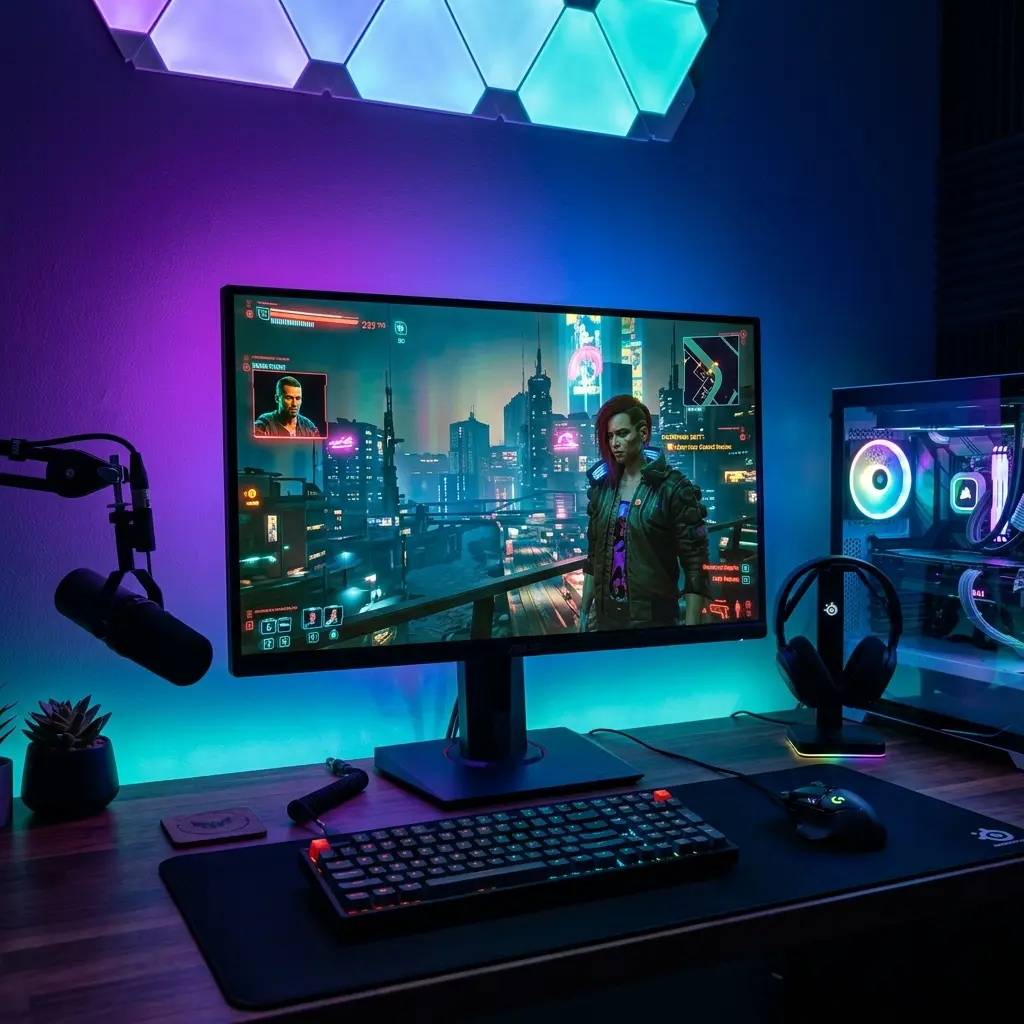
PBP (Picture-by-Picture) and PIP (Picture-in-Picture) are display technologies allowing multiple inputs on a single monitor.
Physical Aspects and Resolution
PBP and PIP functionalities are typically found in high-resolution monitors, often featuring Full HD (1920x1080), 4K (3840x2160), or even 8K resolutions.
These features enable seamless viewing experiences by dividing the screen into segments or overlaying smaller windows for multitasking.
Performance and Technology
Utilization of PBP and PIP requires a monitor with advanced processing capabilities, allowing smooth transition between input sources.
Modern displays often incorporate technologies such as HDMI 2.0 or DisplayPort 1.4 to support these features effectively.
Ergonomics and Visual Comfort
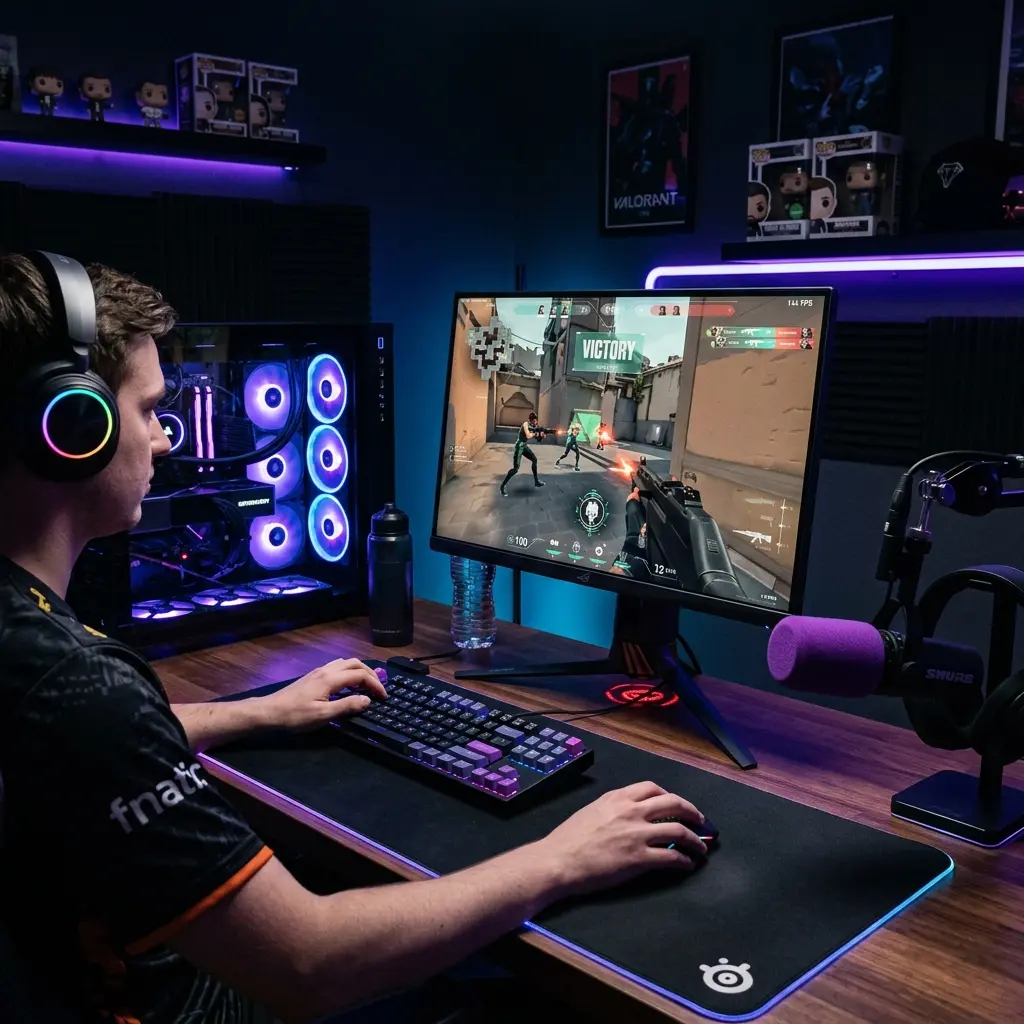
Proper adjustment of monitor height and angle is crucial when using PBP or PIP to minimize neck strain and enhance viewing comfort.
Many monitors come with adjustable stands that allow for tilt, swivel, and height adjustments, promoting better ergonomics during use.
| Feature | PBP | PIP |
|---|---|---|
| Screen Division | Divides screen into sections for multiple inputs | Overlays one input over another |
| Use Cases | Ideal for multitasking and comparison | Best for monitoring secondary sources |
| Input Compatibility | Supports multiple sources simultaneously | Typically supports one main source |
| Visual Clarity | Maintains full resolution for each segment | May reduce clarity of the smaller overlay |
Materials and Durability
High-quality monitors often utilize materials such as aluminum for the casing and durable glass for the screen, ensuring longevity.
Additionally, screens are frequently treated with anti-glare coatings to improve visibility under various lighting conditions.
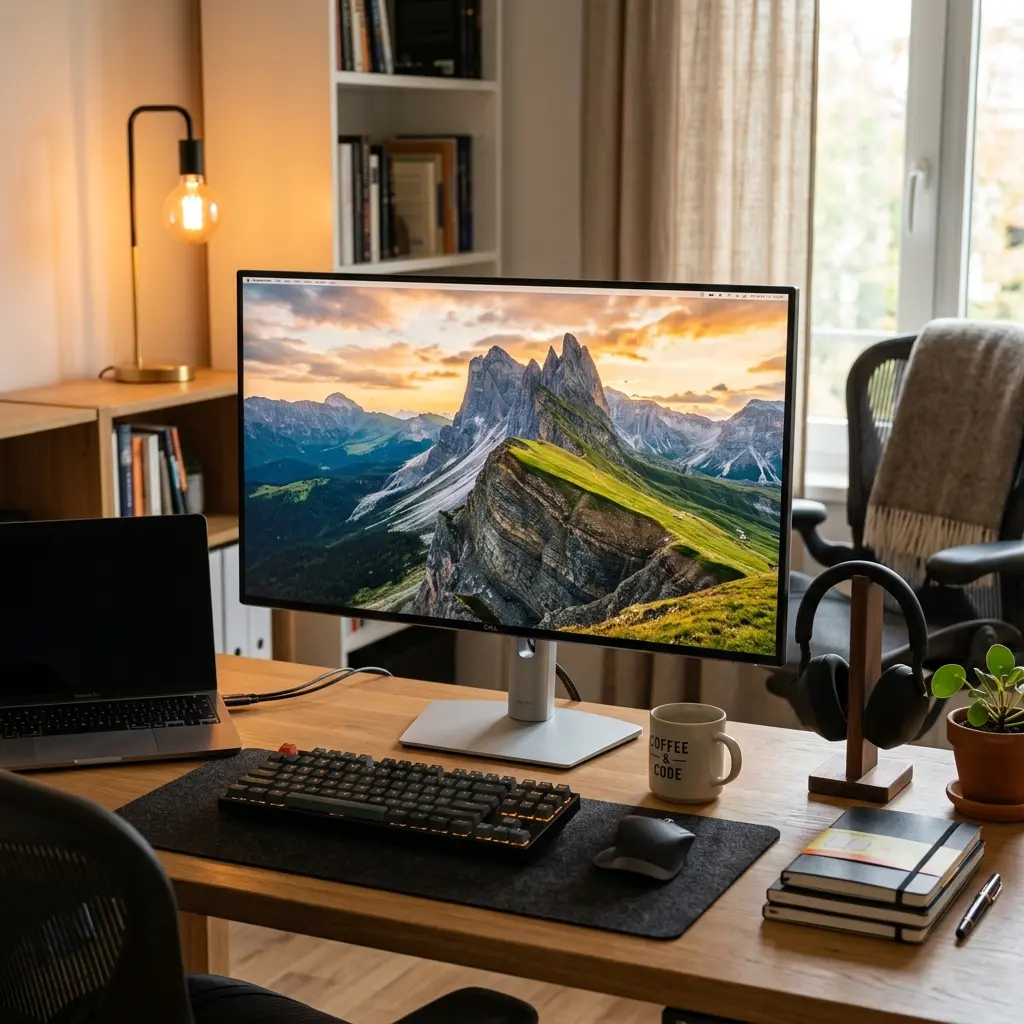
DomineTec Tip: Ensure the monitor is set at eye level to avoid strain and optimize PBP and PIP usage.
Buying Recommendations and Brands
Brands such as Dell, ASUS, and LG are known for their monitors featuring PBP and PIP technology.
These brands often provide reliable performance and extensive warranty options, catering to both gamers and professionals.
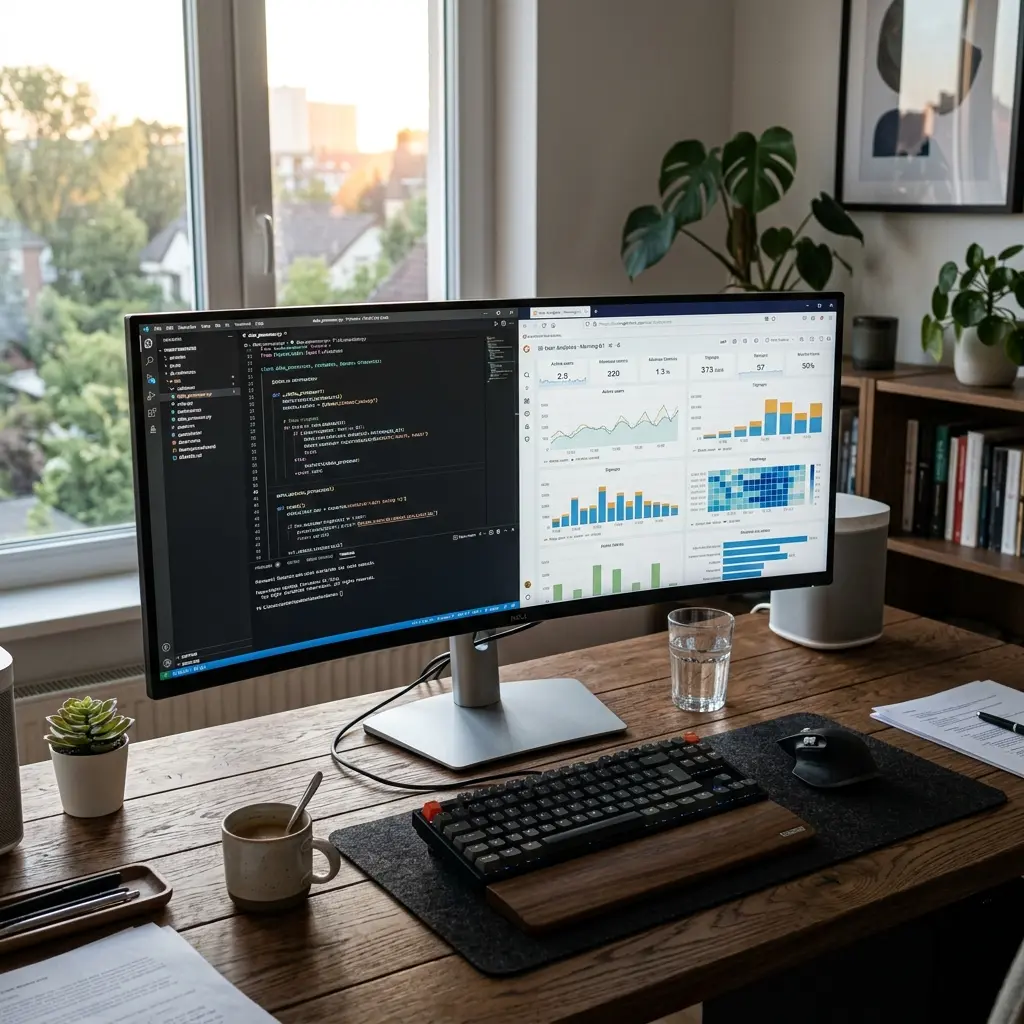
- Identify specific needs: gaming, professional use, or casual browsing.
- Look for monitor specifications: resolution, refresh rate, and input options.
- Consider ergonomic features: adjustability, screen size, and panel type.
- Read reviews and comparisons to find the best models.
- Check warranty and support services offered by the manufacturer.
Value Analysis and Verdict
Investing in a monitor with PBP and PIP capabilities can significantly enhance productivity and multitasking efficiency.
Assessing the features against price will help ensure optimal value for specific usage scenarios.
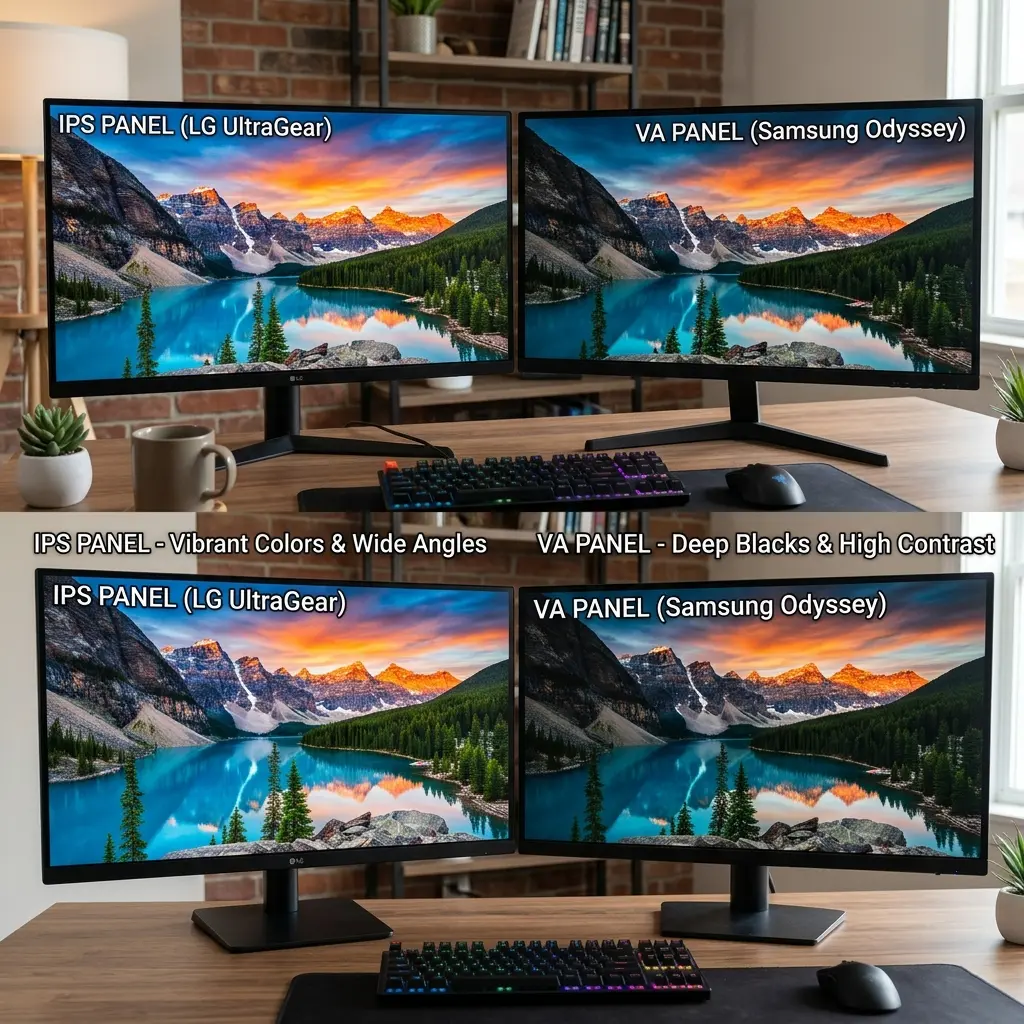
Understanding Picture-by-Picture (PBP) and Picture-in-Picture (PIP) Modes
Picture-by-Picture (PBP) and Picture-in-Picture (PIP) are essential features in modern monitors that enhance multitasking capabilities. PBP allows users to display content from multiple sources side by side, while PIP overlays a smaller window on the main display.
These features are particularly useful for professionals who need to monitor multiple data streams simultaneously. For example, traders can keep an eye on market trends while reviewing analytics, thereby enhancing productivity.
Understanding how to activate and configure these modes is crucial for optimal use. Each monitor brand might have different steps to enable these features, often found in the display settings menu.
Moreover, the compatibility of PBP and PIP with various inputs like HDMI, DisplayPort, and USB-C is vital. Users should check their monitor specifications to ensure seamless functionality.
Practical Applications of PBP and PIP in Various Professions
PBP and PIP features offer significant advantages across different professions. In graphic design, designers can utilize PBP to compare multiple design drafts simultaneously. This capability enhances decision-making and improves workflow efficiency.
In the medical field, doctors can use PIP to display patient data while simultaneously reviewing imaging scans, facilitating better diagnostics. This feature can save valuable time in high-pressure environments.
In the gaming industry, PBP allows gamers to monitor game performance stats while enjoying the gameplay. This dual display can enhance the gaming experience without interrupting immersion.
Similarly, educators can utilize PIP for online teaching, displaying lesson materials alongside video conferencing tools. This integration fosters a more engaging learning environment.
Setting Up PBP and PIP: Step-by-Step Guide
Setting up PBP and PIP requires a systematic approach to ensure optimal performance. First, users should connect their devices to the monitor using compatible cables. Most modern monitors support multiple input sources.
Next, access the monitor's on-screen display (OSD) menu. Users typically navigate through the settings using physical buttons on the monitor. Locate the PBP or PIP option, which may be found under the 'Picture' or 'Display' submenu.
Once the desired mode is selected, users can choose the input sources for each display section. This step is crucial as it determines what content is shown where.
Finally, adjust the size and position of the PIP window, if applicable. Most monitors allow users to customize these settings for a tailored viewing experience.
Limitations and Challenges of PBP and PIP Features
Despite their advantages, PBP and PIP features come with limitations. One significant drawback is the potential reduction in resolution when using PBP. Users may experience a drop in visual quality, especially when displaying high-resolution content.
Additionally, not all monitors support these features simultaneously across all input types. Users should verify their monitor's specifications to prevent compatibility issues.
Another challenge is the complexity involved in managing multiple windows. Users unfamiliar with multitasking may find it overwhelming to keep track of several active sources, leading to decreased productivity.
Lastly, some users may experience performance lag when utilizing PIP or PBP, particularly with lower-end monitors. This lag can hinder the overall user experience, especially in demanding applications.
Comparing PBP and PIP: Which One to Use?
When deciding between PBP and PIP, users must consider their specific needs. PBP is ideal for those who require simultaneous viewing of two full-screen sources, making it perfect for tasks that demand side-by-side comparisons.
On the other hand, PIP is better suited for users who want to maintain focus on a primary task while having a smaller window for secondary content. This is especially useful in scenarios where constant monitoring is necessary.
Understanding the nature of the tasks performed can help users choose the most effective option. For example, professionals in finance may prefer PBP for in-depth analysis, while gamers might favor PIP for real-time performance tracking.
Ultimately, the choice between PBP and PIP depends on the user's work habits and the specific demands of their tasks. Both features can significantly enhance productivity when used effectively.
Future Trends in Monitor Technology: PBP and PIP Evolution
The future of PBP and PIP features is promising, with ongoing advancements in monitor technology. As display resolutions continue to improve, the effectiveness and quality of these features are expected to enhance as well.
Future monitors may integrate artificial intelligence to optimize how PBP and PIP are utilized. For instance, AI could automatically adjust window sizes based on user behavior, making multitasking even more seamless.
Additionally, the rise of 5G technology may facilitate smoother streaming and data transfer, further improving the performance of PBP and PIP modes. This could be particularly beneficial for remote work and collaborative projects.
Finally, increased user demand for ergonomic and customizable solutions will likely lead to more versatile monitor designs. Enhanced features and configurations will cater to a broader range of professional needs.
Enhancing User Experience with PBP and PIP
To fully leverage PBP and PIP features, users should consider complementary tools and software. For instance, productivity applications designed for multitasking can optimize workflow when using these features.
Additionally, maintaining a clean and organized desktop environment can enhance the user experience. By minimizing distractions, users can focus better on the tasks at hand.
Regularly updating monitor firmware can also improve functionality and fix potential bugs related to PBP and PIP. Users should consult manufacturer guidelines for firmware updates.
Lastly, engaging with user communities online can provide valuable insights and tips for maximizing the use of PBP and PIP features. Sharing experiences can lead to more efficient usage and enhanced productivity.
Integration of PBP and PIP in Multi-Monitor Setups
The integration of Picture-by-Picture (PBP) and Picture-in-Picture (PIP) features becomes increasingly significant in multi-monitor setups. Users seeking to enhance productivity often utilize multiple displays to manage different tasks simultaneously. With PBP, users can split their screens effectively, displaying content from two or more sources side-by-side, which optimizes workspace efficiency.
In a professional environment, such as trading or video editing, the ability to view multiple applications concurrently can be crucial. PBP allows for seamless transitions between different data streams, making it easier for users to compare information or keep track of real-time metrics without constantly switching between tabs or windows.
Furthermore, the use of PIP in conjunction with multiple monitors can enhance multitasking capabilities. For instance, video editors can monitor playback while simultaneously analyzing timelines or clip properties on another screen, improving workflow and reducing the risk of errors.
Overall, the synergy of PBP and PIP in multi-monitor setups can lead to improved efficiency and better management of visual information, making it an essential consideration for users looking to maximize their workspace.
Customization Options for PBP and PIP Settings
Customization options for PBP and PIP settings are vital for tailoring the user experience to specific needs. Many modern monitors offer a range of adjustable settings, allowing users to modify the display layout, size, and even the aspect ratio of the PIP window. This flexibility ensures that users can optimize their screen real estate based on personal preferences or task requirements.
For example, users can adjust the PIP window's position, moving it to a corner of the screen that minimizes distractions while maintaining visibility. Additionally, some monitors allow users to configure the borders or frames of the PBP and PIP displays, enhancing visual clarity and organization.
Advanced customization features may also include the ability to select specific input sources for PBP and PIP, enabling users to streamline the workflow further. This capability allows professionals to prioritize certain applications over others, making it easier to focus on what matters most at any given moment.
Ultimately, the customization of PBP and PIP settings contributes to a more personalized user experience, ensuring that individuals can tailor their workspace to suit their unique requirements and preferences.
Impact of PBP and PIP on Gaming Experience
The impact of Picture-by-Picture (PBP) and Picture-in-Picture (PIP) features on the gaming experience is noteworthy, as these functionalities can significantly enhance gameplay. PBP allows gamers to enjoy split-screen gaming experiences, where they can engage in multiplayer modes without the need for additional consoles or screens. This feature is particularly beneficial for co-op gaming sessions, as it fosters a more immersive experience.
Moreover, PIP can be advantageous for gamers who wish to monitor streaming platforms or social media while playing. With the PIP window, players can keep an eye on their chat or notifications without disrupting their gaming session, creating a more interactive and engaging experience.
In competitive gaming scenarios, the ability to view tutorials or strategy guides in a PIP format can provide players with real-time insights and enhance decision-making during gameplay. This feature allows gamers to reference essential information without having to pause the game or navigate away from the screen.
In conclusion, both PBP and PIP features can transform the gaming landscape by enabling enhanced multiplayer experiences, facilitating real-time information access, and ultimately improving overall engagement and performance.
Advancements in PBP and PIP Technology
Recent advancements in PBP and PIP technology have significantly enhanced user experience and functionality, making these features more versatile and accessible. Modern monitors are now equipped with advanced processors that can handle higher resolutions and frame rates, allowing for smoother transitions and improved image quality during simultaneous display operations. This evolution has made PBP and PIP increasingly popular among professionals who rely on multiple data sources for their work.
Furthermore, the integration of AI and machine learning into display technologies has led to improved scaling and image correction capabilities. These technologies help maintain clarity and sharpness in both modes, ensuring that users experience minimal distortion when viewing multiple inputs. Such enhancements are particularly beneficial in environments where precision is critical, such as graphic design or video editing.
Another notable advancement is the increased compatibility of PBP and PIP features across different devices. Users can now connect laptops, tablets, and smartphones seamlessly to their monitors, allowing for a more cohesive workflow. This cross-device functionality encourages productivity by enabling users to multitask effectively, regardless of the source of their content.
Moreover, manufacturers are focusing on user-friendly interfaces that simplify the activation and customization of PBP and PIP settings. Enhanced on-screen display menus and intuitive controls allow users to adjust settings quickly, catering to their specific needs and preferences. This trend reflects a broader commitment to improving user experience and accessibility in monitor technology.
Best Practices for Utilizing PBP and PIP Features
To maximize the benefits of PBP and PIP features, users should consider several best practices that enhance functionality and efficiency. First, it is essential to understand the specific requirements of the tasks at hand. For example, professionals working in data analysis may benefit from PBP to view spreadsheets alongside presentations, while those in creative fields may prefer PIP to monitor reference materials without interrupting their main workflow.
Another best practice is to customize the layout and size of the PBP and PIP windows according to personal preferences. Most monitors offer adjustable window sizes, allowing users to allocate screen space effectively for optimal visibility. Customizing these settings ensures that critical information remains in focus, reducing eye strain and improving overall productivity.
Additionally, users should regularly update their monitor firmware and associated software to ensure compatibility with the latest applications and devices. Manufacturers often release updates that enhance the performance and stability of PBP and PIP features, addressing any bugs or limitations. Staying current with these updates can significantly improve the user experience.
Lastly, it is beneficial to experiment with different configurations and settings for PBP and PIP to find the most effective arrangement. Users can take the time to assess how various layouts affect their workflow and adjust accordingly. This experimentation can lead to discovering unique setups that enhance efficiency and productivity, ultimately making the most of the monitor's capabilities.
Frequently Asked Questions
What is the main difference between PBP and PIP?
PBP divides the screen into multiple sections for different inputs, while PIP overlays one input on top of another input.
Can all monitors use PBP and PIP?
No, only monitors specifically designed with these features and compatible input options can utilize PBP and PIP functionalities.
How to enable PBP or PIP on a monitor?
Usually, enabling these features can be done through the monitor's on-screen display settings or via the provided remote control.
Are there any performance issues when using PBP or PIP?
Performance may vary depending on the monitor's specifications and the input sources used, but high-quality monitors generally handle these features efficiently.
What are recommended brands for monitors with PBP and PIP?
Brands like Dell, LG, and ASUS are highly recommended for their reliable monitors featuring PBP and PIP capabilities.




