What is Nano IPS? Pros and Cons of This Monitor Technology
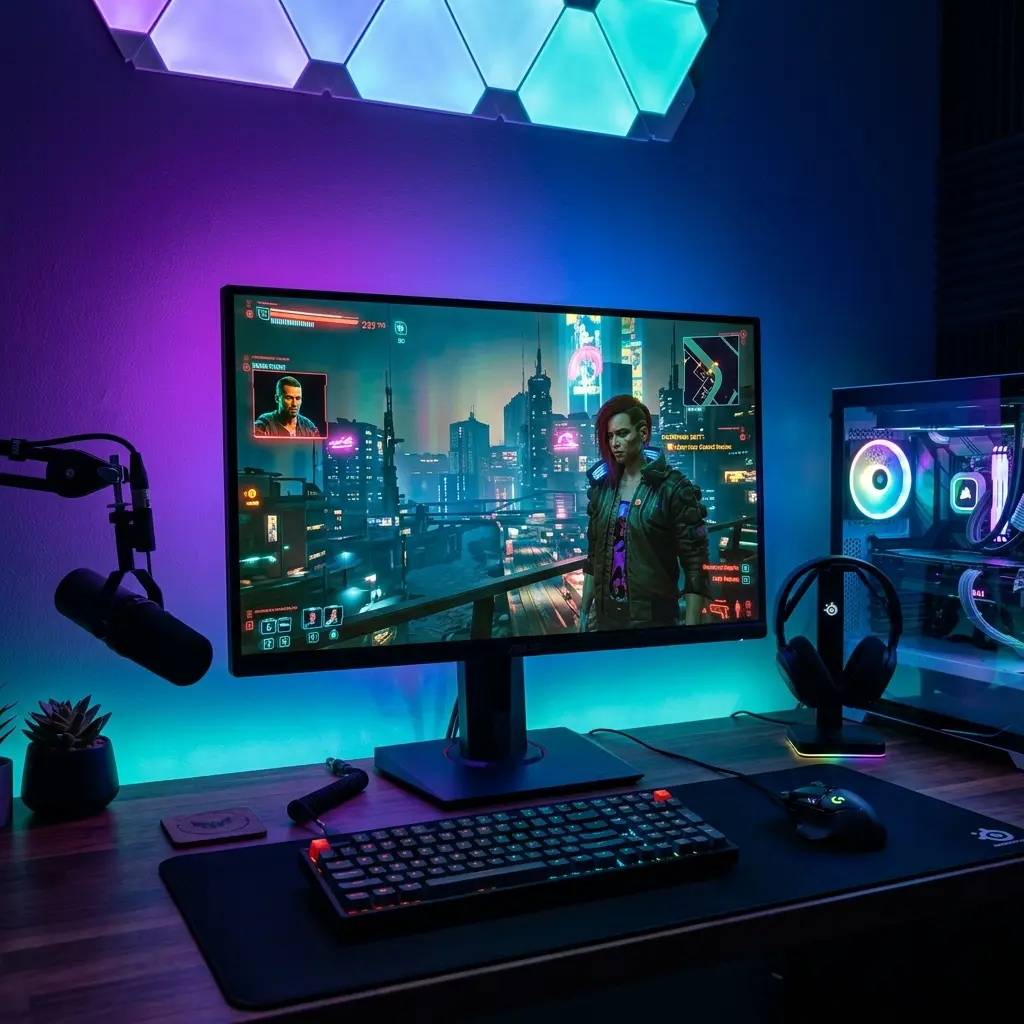
Nano IPS technology enhances color accuracy and response times in monitors, making them ideal for gamers and professionals.
Physical Aspects and Resolution
Nano IPS panels typically range from 24 to 34 inches in size, with resolutions varying from Full HD (1920x1080) to 4K (3840x2160).
The aspect ratios commonly include 16:9 and ultrawide options, providing versatility for different setups and user preferences.
Performance and Technology
This technology utilizes nanoparticles to enhance color reproduction and viewing angles, achieving up to 98% DCI-P3 color gamut.
Response times can reach as low as 1ms, providing a competitive edge in fast-paced gaming scenarios.
Ergonomics and Visual Comfort
Nano IPS monitors often feature adjustable stands, allowing for tilt, swivel, and height adjustments to improve user comfort.
Flicker-free technology and low blue light modes are also integrated into many models, reducing eye strain during extended use.
| Feature | Nano IPS | Standard IPS | VA |
|---|---|---|---|
| Color Gamut | 98% DCI-P3 | 100% sRGB | 72% NTSC |
| Response Time | 1ms | 4-5ms | 4ms |
| Viewing Angles | 178° | 178° | 178° |
| Contrast Ratio | 1000:1 | 1000:1 | 3000:1 |
| Brightness | 400-600 nits | 250-350 nits | 250-300 nits |
Materials and Durability
High-quality materials, including aluminum bezels and sturdy plastic, are commonly used in Nano IPS monitors for enhanced durability.
Most models come with warranties ranging from 1 to 3 years, reflecting manufacturer confidence in their longevity and performance.

DomineTec Tip: Ensure proper monitor height to maintain eye level alignment, reducing neck strain during long hours of use.
Buying Recommendations and Brands
Popular brands offering Nano IPS monitors include LG, Dell, and ASUS, known for their reliability and performance.
Consider features like refresh rates, resolution, and panel size when making a purchase to suit specific needs.

- Determine the primary use: gaming, professional work, or casual use.
- Choose the desired resolution and size based on available desk space.
- Evaluate refresh rates and response times for gaming or content creation.
- Research user reviews and brand reliability before finalizing a decision.
- Check for additional features such as G-Sync or FreeSync compatibility.
Value Analysis and Verdict
While Nano IPS monitors may come at a premium, their superior color accuracy and responsiveness justify the investment for serious users.
The balance between performance and visual fidelity makes them a top choice for both gamers and professionals alike.
Color Accuracy and Gamut Coverage
Nano IPS technology is renowned for its exceptional color accuracy, making it a favorite among graphic designers and photographers.
It typically covers a wide color gamut, often exceeding 98% of the DCI-P3 color space, which is crucial for professionals who require precise and vibrant colors.
This high level of color fidelity means that images appear more lifelike, with richer hues and better gradation in color transitions.
For users engaged in color-critical tasks, a monitor with Nano IPS technology can significantly enhance their workflow and output quality.
Viewing Angles and Consistency
One of the standout features of Nano IPS displays is their wide viewing angles, which can reach up to 178 degrees.
This characteristic allows users to view the screen from various positions without experiencing significant color distortion or loss of brightness.
Such consistency in image quality is particularly beneficial in collaborative environments where multiple viewers may need to see the same content simultaneously.
Consequently, Nano IPS monitors are ideal for presentations, group work, and creative sessions, ensuring that everyone sees the same vibrant image.
Gaming Experience and Response Time
For gamers, Nano IPS technology offers impressive performance with rapid response times and low input lag.
Many Nano IPS monitors support refresh rates of up to 240Hz, making them suitable for fast-paced gaming scenarios.
Additionally, the combination of vivid colors and high refresh rates enhances the overall gaming experience, providing players with an immersive visual environment.
This technology also often includes adaptive sync features, reducing screen tearing and ensuring smooth gameplay, which is crucial for competitive gaming.
Energy Efficiency and Environmental Impact
Nano IPS monitors are designed with energy efficiency in mind, often consuming less power than traditional LCD panels.
This not only helps reduce electricity bills but also contributes to a lower carbon footprint, aligning with modern sustainability efforts.
Furthermore, many manufacturers are adopting eco-friendly practices in the production of Nano IPS displays, utilizing recyclable materials and minimizing waste.
Ultimately, choosing a Nano IPS monitor can be a step towards more environmentally responsible consumer electronics.
Comparison with Other Panel Technologies
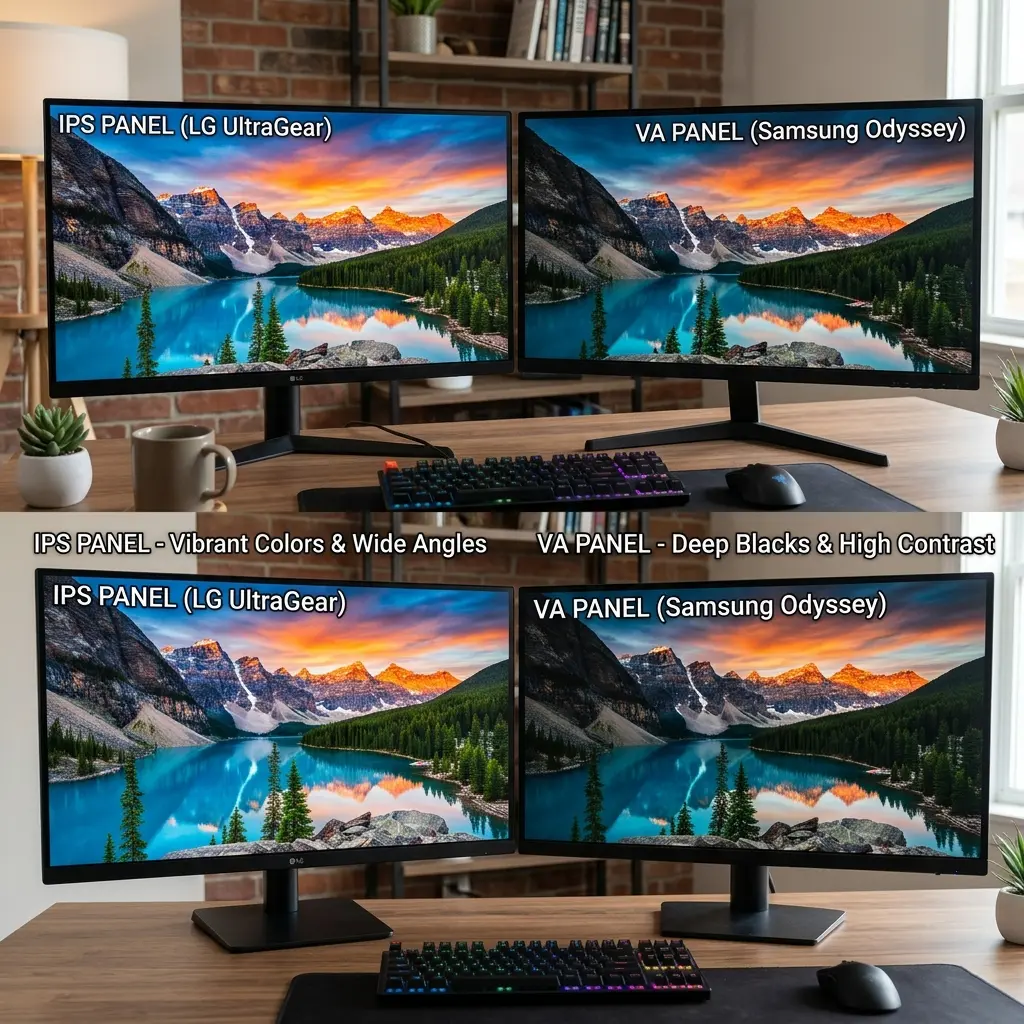
When compared to other panel technologies like TN and VA, Nano IPS stands out for its superior color reproduction and wider viewing angles.
While TN panels offer faster response times, they often compromise on color depth and angle stability.
On the other hand, VA panels typically deliver better contrast but fall short in color accuracy and viewing angles.
In contrast, Nano IPS provides a balanced performance that appeals to a wide range of users, from casual viewers to professionals.
Calibration and Customization Options
Many Nano IPS monitors come with advanced calibration options, allowing users to fine-tune color settings to match their specific needs.
Features such as hardware calibration support enable precise adjustments that can enhance color accuracy further.
This level of customization is particularly valuable for professionals who require strict adherence to color standards in their work.
Moreover, users can save their custom profiles, making it easy to switch between different settings based on the task at hand.
Future Trends in Nano IPS Technology
As technology advances, Nano IPS is expected to evolve, incorporating even more innovative features.
Emerging trends include the integration of higher resolutions, such as 8K, along with improved HDR capabilities for enhanced dynamic range.
Additionally, manufacturers are exploring the use of Mini LED backlighting to further improve contrast and brightness levels.
These advancements could solidify Nano IPS as the leading choice for both professional and gaming applications in the future.
Price Range and Market Position
Nano IPS monitors typically occupy the mid to high-end segments of the display market, with prices reflecting their advanced technology and features.
While entry-level IPS panels can be found at more affordable prices, Nano IPS monitors often command a premium due to their enhanced color reproduction and faster response times.
As the technology becomes more popular, consumers may find a broader range of options at varying price points, making it accessible to a larger audience.
However, potential buyers should weigh the investment against their specific needs, particularly in professional and gaming environments where color accuracy and speed are paramount.
Use Cases and Target Audiences
Nano IPS technology is particularly beneficial for professionals in graphic design, video editing, and photography, where color fidelity is crucial.
Gamers also stand to gain from the fast response times and wide viewing angles, enhancing their overall experience in competitive gaming scenarios.
Furthermore, content creators who require precise color grading and high resolution will find Nano IPS monitors to be a valuable asset in their workflow.
As this technology continues to evolve, its applications may expand to areas such as virtual reality and augmented reality, where visual clarity is essential.
Calibration Support and Software Integration
Many Nano IPS monitors come equipped with built-in calibration support, allowing users to fine-tune color settings for optimal performance.
Software integration with calibration tools can facilitate more precise adjustments, catering to specific tasks such as photo editing or gaming.
Some manufacturers provide proprietary software that simplifies the calibration process, making it accessible even for users without technical expertise.
This added feature not only enhances user experience but also ensures that the displays maintain their color accuracy over time.
User Feedback and Community Reputation
User feedback on Nano IPS monitors is generally positive, highlighting their impressive color fidelity and performance across various applications.
Online communities and review platforms often discuss their experiences, offering insights into long-term reliability and satisfaction.
While some users may report issues like backlight bleed or uniformity concerns, these are typically less common than in standard IPS panels.
As consumer awareness grows, the reputation of Nano IPS technology is likely to strengthen, cementing its position in the competitive monitor market.
Impact on Graphic Design and Content Creation
Nano IPS technology significantly enhances the visual quality required for graphic design and content creation tasks. The superior color accuracy and wider color gamut make it an attractive option for professionals in fields such as photography, video editing, and digital art.
Designers benefit from the ability to see more vibrant and accurate colors on their screens, which is crucial when creating content that must look consistent across different devices. The improved color reproduction ensures that what is seen on the monitor closely matches the final output.
Moreover, Nano IPS panels often come with advanced calibration options, allowing designers to fine-tune their monitors to meet specific color standards. This feature is essential for professionals who require precise color matching for branding and visual identity projects.
As design software continues to evolve, the demand for high-performance monitors like those using Nano IPS technology will only increase. This trend indicates a growing need for displays that can handle the intricate details and vibrant colors that modern graphic design requires.
Environmental Considerations and Sustainability
The production and disposal of monitors raise significant environmental concerns, and Nano IPS technology is making strides in addressing these issues. Manufacturers are increasingly focused on creating more energy-efficient displays that consume less power without sacrificing performance.
Nano IPS monitors typically utilize LED backlighting, which is more energy-efficient compared to traditional LCDs. This aspect not only reduces overall energy consumption but also contributes to lower operational costs for users, particularly in settings where multiple monitors are used.
Furthermore, as awareness of electronic waste grows, many manufacturers are implementing sustainable practices in their production processes. This includes using recyclable materials and reducing harmful substances in their products, making Nano IPS monitors a more eco-friendly choice.
As consumers become more environmentally conscious, the demand for sustainable technology will continue to shape the market for displays. Nano IPS technology's focus on efficiency and sustainability positions it as a viable option for eco-aware buyers.
Software Compatibility and Integration
Software compatibility is a critical factor for users considering Nano IPS monitors, especially in professional settings. These monitors are often designed to work seamlessly with a variety of operating systems and graphic design software, ensuring a smooth workflow for users.
The integration of advanced calibration software with Nano IPS monitors allows users to maintain color accuracy and consistency across different applications. This capability is particularly beneficial for professionals who rely on specific color profiles for their work.
Many monitors featuring Nano IPS technology come equipped with proprietary software that enhances user experience. This software can facilitate adjustments to color settings, refresh rates, and other parameters, allowing users to customize their displays to match their preferences and requirements.
As the landscape of digital content creation evolves, so too does the need for monitors that can integrate efficiently with emerging software tools. Nano IPS technology's compatibility with a wide range of applications makes it a forward-thinking choice for users looking to future-proof their setups.
Heat Management and Cooling Solutions
Heat management is a critical aspect of monitor performance, especially in high-resolution displays like Nano IPS panels. These monitors can generate significant heat during intense usage, particularly in gaming or graphic design scenarios.
Effective cooling solutions are vital to ensure longevity and maintain optimal performance. Manufacturers often incorporate advanced thermal dissipation technologies to manage the heat produced by the backlighting and processing components.
Some Nano IPS monitors feature built-in heat sinks or strategically placed vents that enhance airflow, preventing overheating and thermal throttling. This is particularly beneficial during extended use periods, where consistent performance is paramount.
Users should consider the thermal characteristics of a monitor when making a purchase decision. Reviews and thermal benchmarks can provide insights into how well a specific model manages heat, which can ultimately impact its reliability and performance over time.
Community and Support Ecosystem
The community and support ecosystem surrounding Nano IPS technology plays a significant role in enhancing user experience. Forums and online groups serve as valuable resources for users seeking advice on calibration, performance tuning, and troubleshooting.
Many manufacturers provide dedicated support channels, including software tools and firmware updates, to optimize the performance of their Nano IPS monitors. This ongoing support can significantly enhance the usability and longevity of the product.
Additionally, user feedback and reviews often highlight common issues and solutions, contributing to a collective knowledge base that can benefit both new and experienced users. Engaging with the community can also lead to discovering hidden features that enhance the overall experience.
As technology evolves, the collaborative nature of the support ecosystem will likely grow, providing users with a platform for sharing experiences and tips, ultimately leading to better-informed purchasing decisions and user satisfaction.
Frequently Asked Questions
What is the main advantage of Nano IPS technology?
The primary advantage lies in its enhanced color accuracy and faster response times compared to standard IPS panels.
Are Nano IPS monitors suitable for gaming?
Yes, they are highly regarded for gaming due to their low response times and vibrant color reproduction.
How do Nano IPS monitors compare to VA panels?
Nano IPS monitors typically offer better viewing angles and color accuracy, while VA panels excel in contrast ratios.
What is the typical refresh rate for Nano IPS monitors?
Many Nano IPS models offer refresh rates up to 144Hz, providing smooth visuals in fast-paced scenarios.
Can Nano IPS technology be found in ultrawide monitors?
Yes, several ultrawide models utilize Nano IPS technology for an immersive viewing experience.




