What is Monitor Refresh Rate (Hz) and Why Does It Matter?
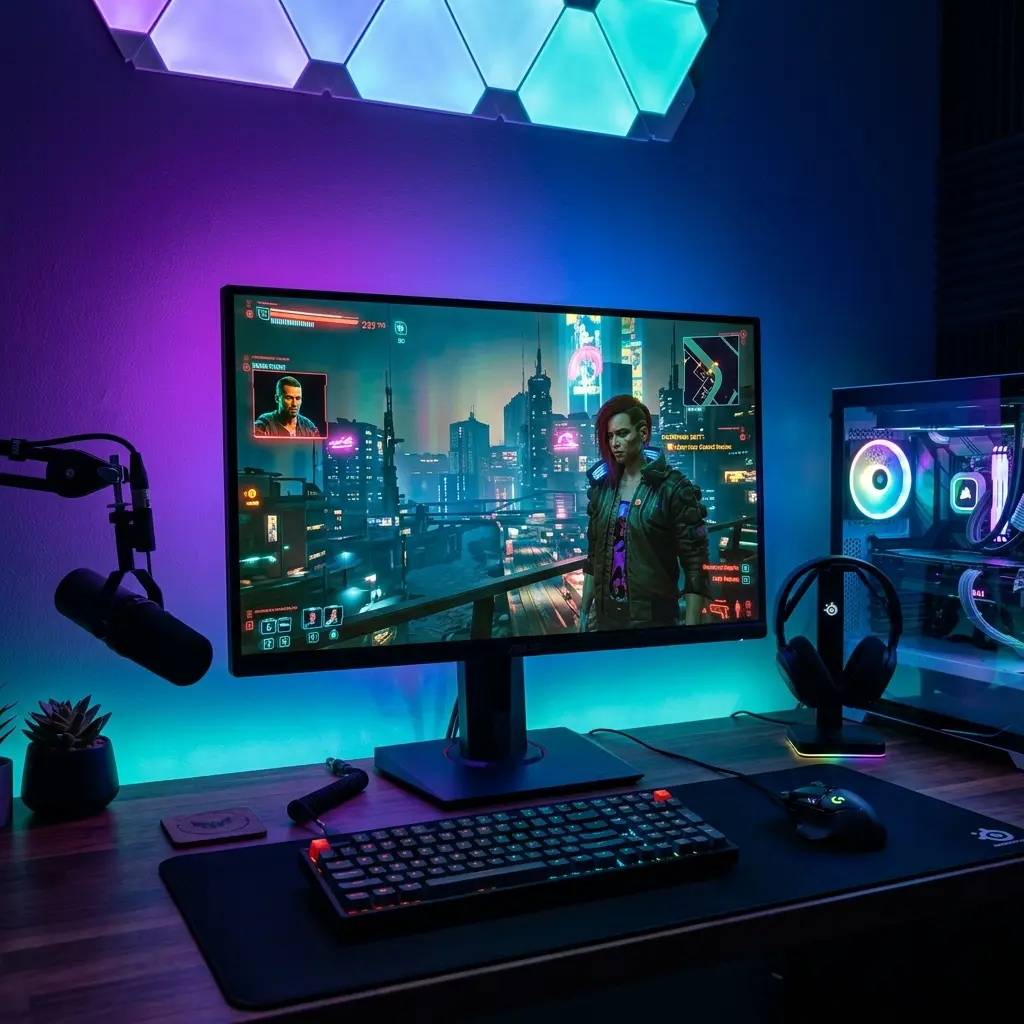
Monitor refresh rate, measured in Hertz (Hz), indicates how many times the display updates per second. Higher refresh rates lead to smoother visuals and enhanced user experience, particularly in fast-paced scenarios.
Physical Aspects and Resolution
The physical structure of a monitor directly influences its refresh rate capabilities. Most modern displays, including LCD, LED, and OLED types, support varying refresh rates, typically ranging from 60Hz to 240Hz.
Performance and Technology
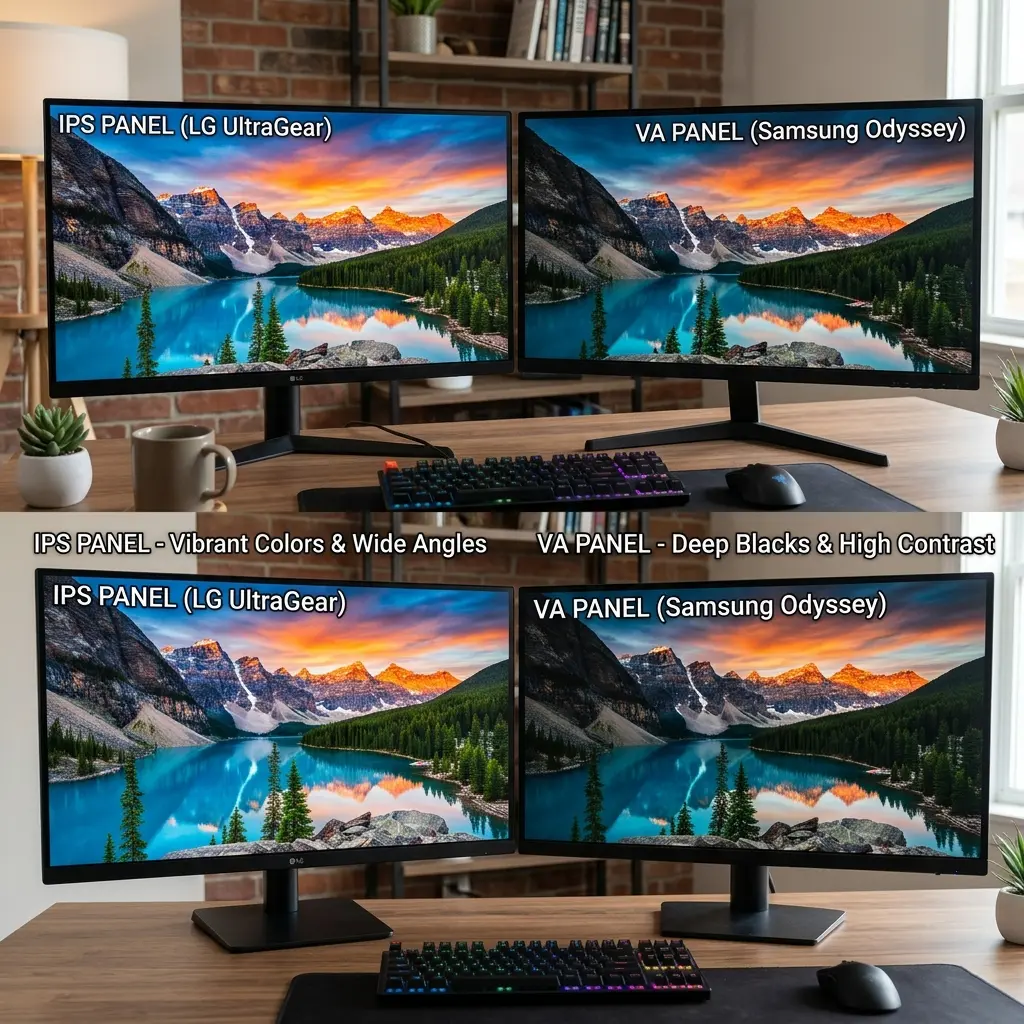
Performance is primarily impacted by the technology behind the monitor. For example, TN panels often support higher refresh rates but may sacrifice color accuracy compared to IPS and VA panels.
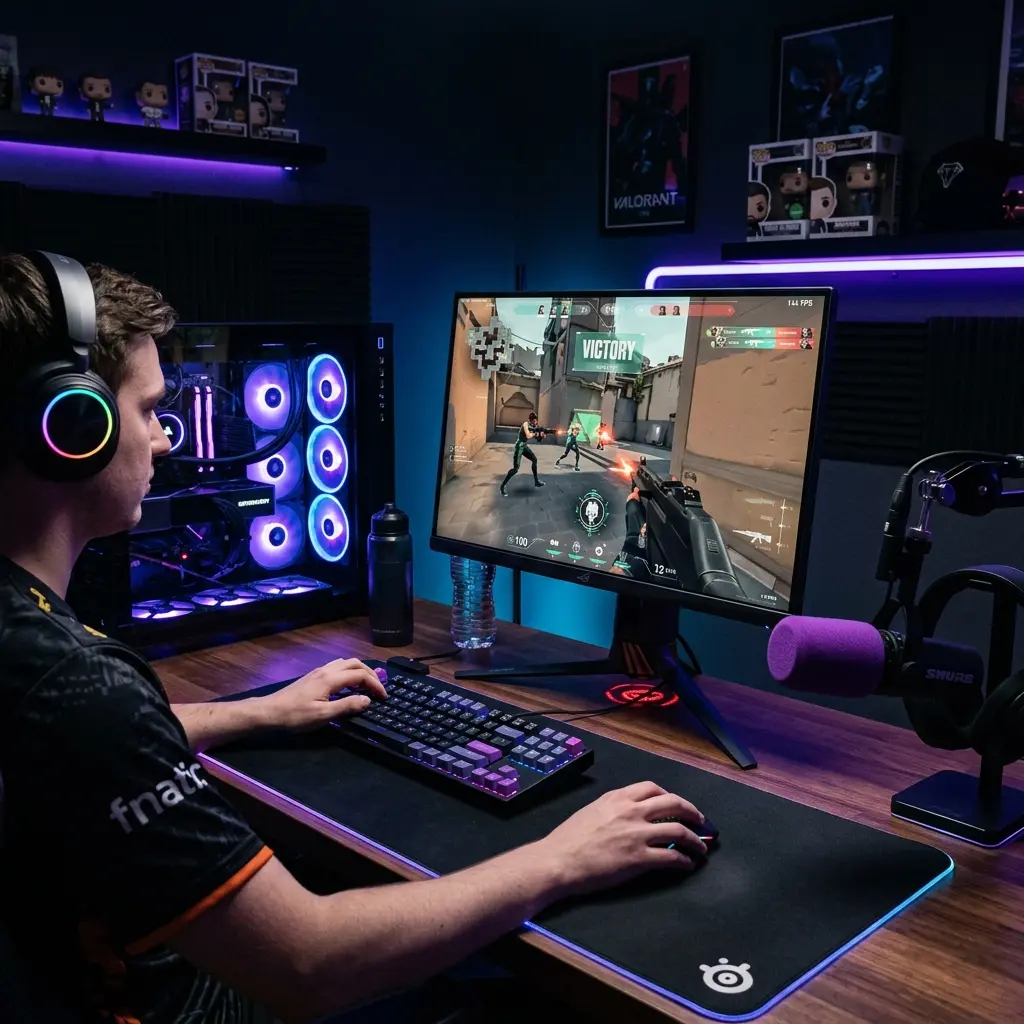
Ergonomics and Visual Comfort
Refresh rates affect visual comfort, especially during extended use. Monitors with higher refresh rates can reduce eye strain, enhancing overall ergonomics for users.
| Monitor Type | Refresh Rate (Hz) | Best Use Case | Typical Price Range |
|---|---|---|---|
| Standard LCD | 60Hz | General Use | $100 - $200 |
| Gaming Monitor | 144Hz | Competitive Gaming | $300 - $600 |
| High-End OLED | 120Hz | Media Consumption | $800 - $2000 |
| Ultra-Wide Monitor | 144Hz | Multitasking | $700 - $1500 |
Materials and Durability
The materials used in monitor construction greatly influence durability and performance. High-quality glass and robust plastic contribute to longevity while maintaining aesthetic appeal.
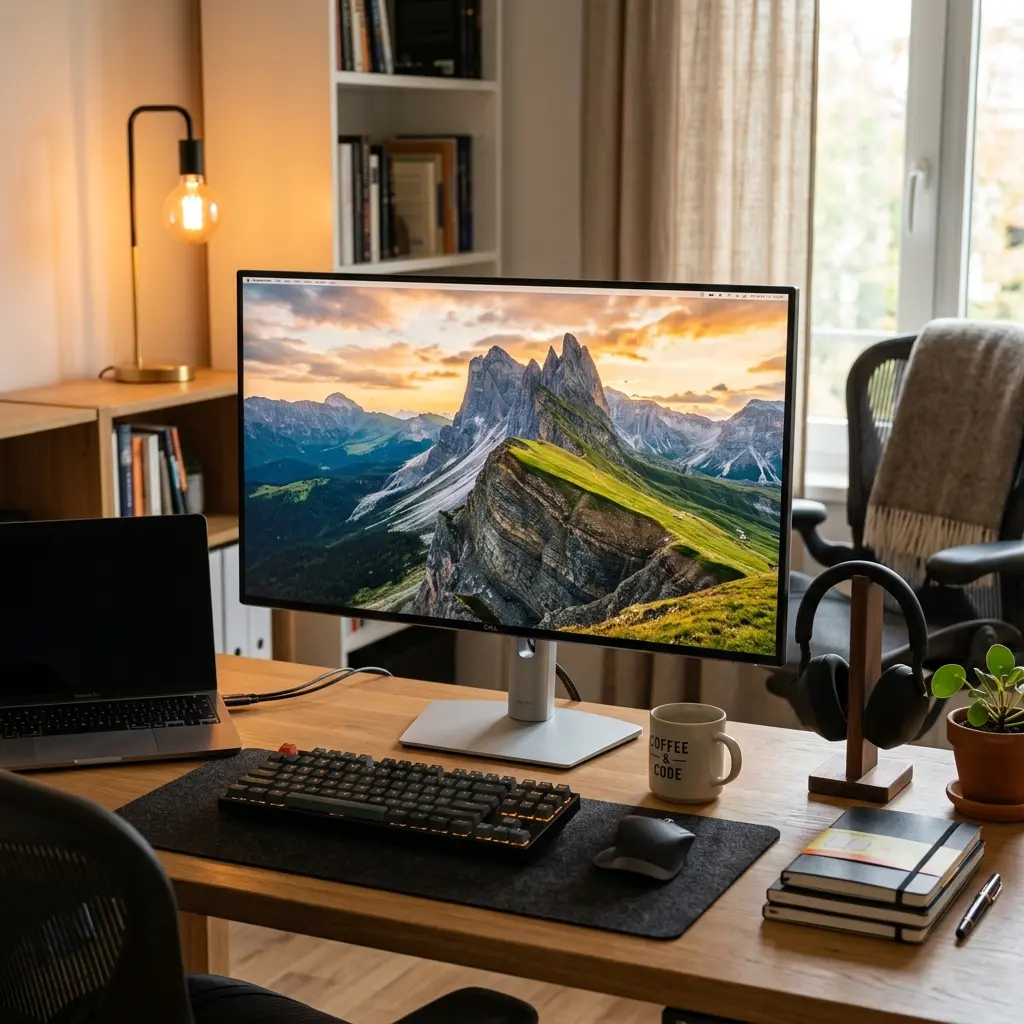
DomineTec Tip: Consider monitors with adaptive sync technology, like G-Sync or FreeSync, for optimal performance in varying refresh rates.
Buying Recommendations and Brands
When selecting a monitor, brand reputation and specific features matter significantly. Renowned brands such as ASUS, Dell, and LG offer products with excellent refresh rates and build quality.
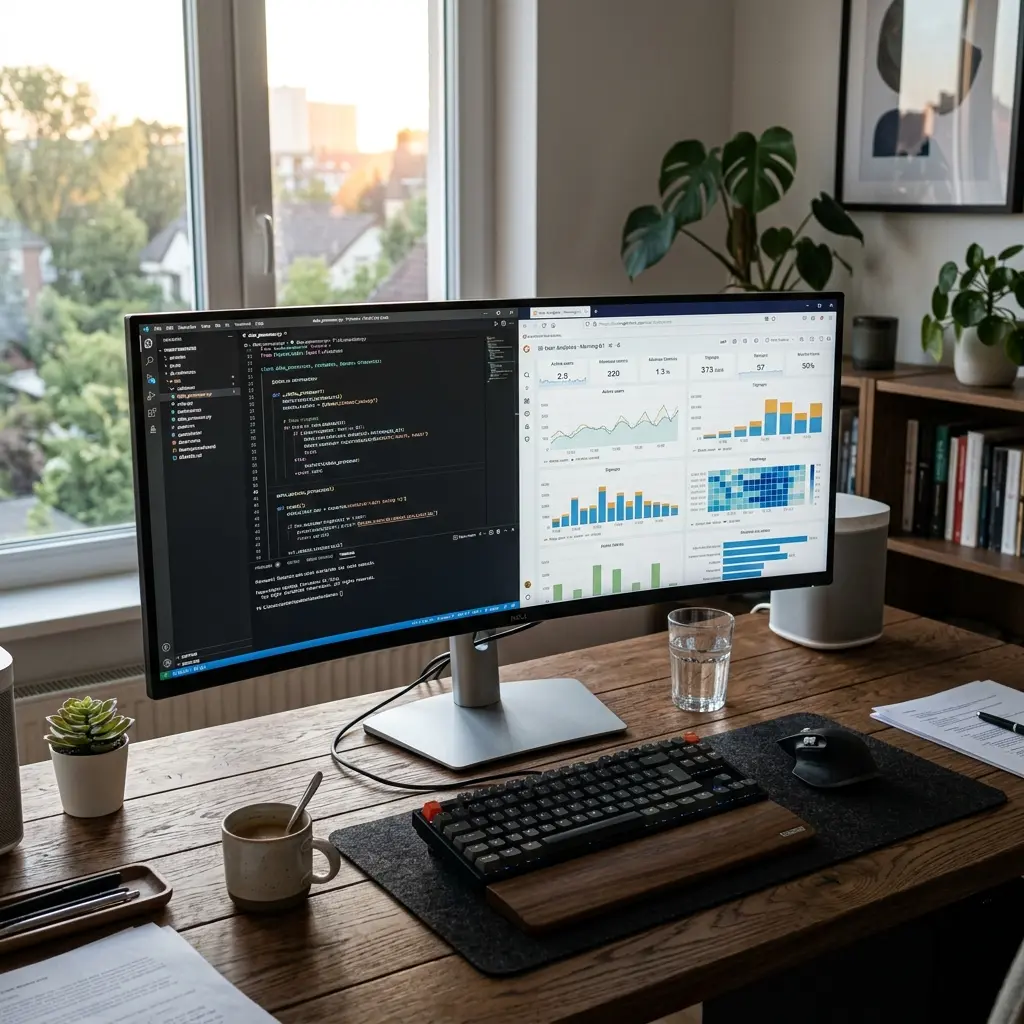
- Determine the primary use case (gaming, productivity, casual use).
- Set a budget considering features and specifications.
- Research brands known for quality and customer support.
- Compare refresh rates with resolution and panel type.
- Read user reviews to gauge performance in real-world scenarios.
Value Analysis and Verdict
Ultimately, a monitor's refresh rate impacts not only visual quality but also user satisfaction and productivity. Higher refresh rates provide substantial benefits, particularly for gaming and demanding applications.
Impact of Refresh Rate on Gaming Experience
The refresh rate of a monitor plays a crucial role in the overall gaming experience, particularly in fast-paced genres like first-person shooters or racing games. A higher refresh rate allows for smoother motion, which can enhance player reaction times and improve accuracy during gameplay.
Gamers often seek monitors with refresh rates of 144Hz or higher, as these can provide a significant competitive advantage. The reduced motion blur and increased clarity at higher refresh rates contribute to a more immersive gaming environment.
Moreover, adaptive sync technologies like NVIDIA G-SYNC and AMD FreeSync can further optimize the gaming experience by synchronizing the refresh rate of the monitor with the frame rate output of the graphics card. This eliminates screen tearing and stuttering, resulting in a fluid visual experience.
As games become more graphically demanding and capable of producing higher frame rates, the importance of a high refresh rate continues to grow. This trend makes it essential for gamers to consider refresh rates when selecting a monitor to ensure optimal performance.
Influence of Refresh Rate on Professional Workflows
In professional settings, particularly in fields such as video editing and graphic design, refresh rate can significantly affect workflow efficiency. A monitor with a higher refresh rate can display animated content smoothly, allowing professionals to work more effectively on dynamic projects.
Editing tasks that involve a lot of motion, such as video cuts or transitions, benefit from the enhanced clarity that comes with higher refresh rates. This can help editors make more precise adjustments in their timelines, reducing the time spent correcting errors.
Additionally, industries that rely on real-time data visualization, like finance or scientific research, can also take advantage of high refresh rates. Quick updates and smooth transitions between data points can improve decision-making processes in fast-paced environments.
As a result, professionals who engage in tasks requiring high visual fidelity should not overlook the importance of refresh rate when choosing a monitor, as it can lead to increased productivity and better outcomes.
Refresh Rate and Content Consumption
The refresh rate also affects how consumers experience various types of content, including movies, TV shows, and streaming services. A monitor with a higher refresh rate can enhance the viewing experience by providing smoother playback of fast-moving scenes.
For instance, action-packed films or sports broadcasts benefit from a higher refresh rate, as it reduces motion blur and improves the clarity of rapid movements. This leads to a more enjoyable viewing experience, minimizing distractions caused by lag or stutter.
Additionally, many streaming services now support high frame rate content, which pairs well with monitors that have refresh rates of 120Hz or higher. This compatibility can elevate the overall quality of the viewing experience, making it more engaging for audiences.
Consumers should consider their typical content consumption habits when selecting a monitor, as a higher refresh rate can significantly enhance enjoyment during movie nights or binge-watching sessions.
Understanding Frame Rate vs. Refresh Rate
It is essential to differentiate between frame rate and refresh rate, as these terms are often confused yet represent distinct concepts. Frame rate refers to the number of frames a graphics card outputs per second, while refresh rate indicates how many times a monitor can display those frames in the same period.
Higher frame rates lead to more frames being rendered, which can improve visual fluidity and realism in gaming and video playback. However, if a monitor's refresh rate is lower than the output frame rate, the potential benefits of high frame rates may not be fully realized.
Conversely, a monitor with a high refresh rate but fed with a low frame rate source will not display the full advantages of that refresh rate. Thus, it is crucial to ensure that both the monitor and the system generating the content are capable of taking full advantage of high refresh rates and frame rates.
Understanding this relationship can help consumers make informed decisions when upgrading their hardware, ensuring they achieve a harmonious balance between frame rates and refresh rates for optimal performance.
Future Trends in Monitor Refresh Rates
The evolution of monitor technology is likely to push refresh rates even higher in the coming years. As gaming and multimedia applications become increasingly demanding, manufacturers are responding with monitors capable of refresh rates exceeding 240Hz.
Newer technologies such as OLED displays and mini-LED backlighting may also enhance refresh rates while improving color accuracy and contrast. These advancements will likely lead to a more engaging visual experience across various applications.
The gaming industry is also expected to adapt, with future games being designed to leverage these higher refresh rates fully. This shift will further validate the importance of refresh rate in monitor selection for gamers and professionals alike.
As the market evolves, consumers should remain informed about the latest trends and innovations in refresh rate technology to ensure their setups are future-proof and capable of delivering the best visual performance.
Calibration and Optimization of Refresh Rates
To maximize the benefits of a high refresh rate monitor, proper calibration and optimization are essential. Users should ensure that their graphics settings are configured to utilize the monitor's full refresh rate capacity, especially when gaming or using graphic-intensive applications.
Many monitors include built-in settings for adjusting refresh rates, but users may need to delve into their operating system or graphics card settings to ensure optimal performance. This can involve selecting the appropriate refresh rate in display settings and enabling features like variable refresh rates.
Additionally, software tools are available that can assist in calibrating monitors for color accuracy and performance. These tools can help users fine-tune their settings, ensuring that they get the most out of their high refresh rate displays.
Ultimately, taking the time to calibrate and optimize a monitor can significantly enhance the experience, whether for gaming, professional tasks, or content consumption.
Monitor Refresh Rate Myths and Misconceptions
There are several myths and misconceptions surrounding monitor refresh rates that can mislead consumers during their purchasing decisions. One common myth is that higher refresh rates are only beneficial for competitive gamers, while in reality, they can enhance the experience for all types of users.
Another misconception is that all content will automatically display at the highest refresh rate available. In truth, many factors, including the source material and system capabilities, can impact the effective refresh rate experienced by the user.
Additionally, some people believe that only high-end graphics cards can support higher refresh rates, but many mid-range options now offer this capability. Consumers should evaluate their entire setup, including the monitor, graphics card, and source material, to ensure compatibility.
By debunking these myths, consumers can make more informed choices regarding refresh rates, leading to better satisfaction with their monitor purchases.
The Role of Refresh Rate in Competitive Gaming
In the realm of competitive gaming, a higher refresh rate can significantly impact player performance and experience. Gamers often seek monitors that feature refresh rates of 144Hz or higher, as these speeds allow for smoother gameplay and more responsive controls.
A monitor with a high refresh rate reduces motion blur, enabling players to track fast-moving objects with greater precision. This clarity can be the difference between victory and defeat in fast-paced games where split-second reactions are crucial.
Additionally, many competitive gaming titles are designed to take advantage of higher refresh rates, delivering a more immersive experience. Players can experience improved aiming accuracy and reduced input lag, enhancing competitive gameplay.
As a result, professional gamers frequently invest in high-refresh-rate monitors, often prioritizing these specifications to gain a competitive edge over their opponents. This trend has led to the adoption of 240Hz and even 360Hz monitors in esports tournaments.
Refresh Rate Compatibility with Graphics Cards
The effectiveness of a monitor's refresh rate is closely tied to the capabilities of the connected graphics card. Higher refresh rates require more powerful graphics hardware to deliver the necessary frame rates for seamless performance.
For instance, a 240Hz monitor needs a graphics card that can consistently output 240 frames per second to fully utilize its capabilities. If the graphics card cannot achieve this, the monitor's refresh rate becomes moot, leading to potential screen tearing and stuttering.
Moreover, technologies like NVIDIA's G-Sync and AMD's FreeSync can help synchronize the monitor's refresh rate with the graphics card's output. These technologies reduce screen tearing and provide a smoother gaming experience, making it essential for gamers to ensure compatibility between their monitors and graphics cards.
As gaming technology continues to evolve, understanding the relationship between refresh rate and graphics card performance becomes increasingly important for consumers seeking optimal gaming experiences. Future advancements may further enhance this synergy, leading to even higher refresh rates and improved gaming visuals.
Environmental Impact of Monitor Refresh Rates
The environmental implications of monitor refresh rates are becoming increasingly relevant as more consumers prioritize sustainability. Higher refresh rates can lead to increased energy consumption, particularly in professional settings where monitors are in use for extended periods. This increased energy usage not only impacts electricity bills but also contributes to a higher carbon footprint.
Manufacturers are responding to these concerns by developing energy-efficient technologies and materials. For instance, many modern monitors now offer features like adaptive sync, which helps to minimize power consumption by dynamically adjusting the refresh rate based on the content being displayed. This not only conserves energy but also enhances the viewing experience by reducing screen tearing and stuttering.
Additionally, the choice of monitor can influence its overall sustainability. Monitors that utilize eco-friendly materials and manufacturing processes—such as those certified by ENERGY STAR or EPEAT—are becoming more prevalent. Consumers are encouraged to research and select monitors that align with their values regarding environmental responsibility.
As the technology evolves, the potential for sustainable advancements in monitor refresh rates will likely continue. Innovations in display technology, such as OLED and microLED, promise to deliver high refresh rates with lower energy consumption, paving the way for a greener future in display technology.
Impact of Refresh Rate on Eye Strain and Fatigue
The refresh rate of a monitor plays a significant role in user comfort, particularly concerning eye strain and fatigue. Studies suggest that higher refresh rates can reduce the likelihood of visual discomfort, especially during prolonged usage. Monitors with lower refresh rates may cause flickering, which can lead to increased eye strain over time.
For individuals who spend long hours in front of screens—such as gamers or professionals working in graphic design—investing in a monitor with a higher refresh rate can lead to a more comfortable experience. Not only does this reduce the risk of discomfort, but it can also improve productivity by allowing users to work for extended periods without experiencing symptoms of fatigue.
Moreover, the relationship between refresh rate and eye strain is compounded by other factors, such as ambient lighting and screen brightness. A monitor with a high refresh rate that is properly calibrated for brightness and contrast can significantly enhance visual comfort and reduce the likelihood of headaches or fatigue. It's essential for users to consider these factors when selecting a monitor to ensure optimal viewing conditions.
As the awareness of eye health increases, more manufacturers are likely to incorporate features aimed at reducing eye strain, such as blue light filters and flicker-free technology, alongside higher refresh rates. This trend will further promote healthier viewing habits among users across various demographics.
Frequently Asked Questions
What is a refresh rate?
Refresh rate is the number of times a monitor updates its display per second, measured in Hz. A higher refresh rate improves motion clarity and responsiveness.
Does a higher refresh rate improve gaming performance?
Yes, higher refresh rates provide smoother gameplay, reducing motion blur and improving reaction times. This is particularly noticeable in fast-paced games.
Is 60Hz sufficient for casual use?
For general tasks such as web browsing and document editing, 60Hz is typically adequate. However, higher refresh rates are beneficial for gaming and multimedia consumption.
What panel type is best for high refresh rates?
TN panels often support higher refresh rates, while IPS panels offer better color accuracy. VA panels may provide a balance between the two.
Can refresh rate affect eye strain?
A monitor with a higher refresh rate can reduce eye strain during prolonged use, as smoother motion results in less visual fatigue.




