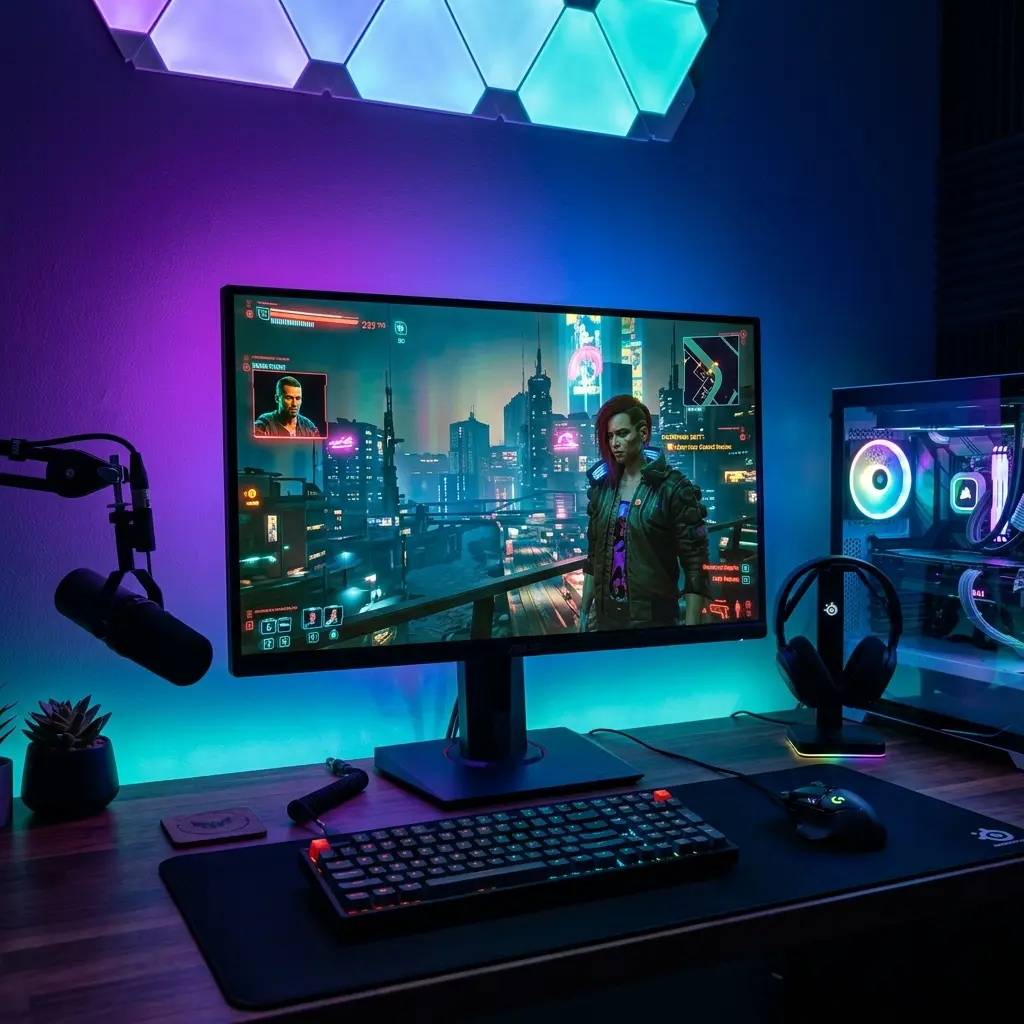
Monitor ghosting occurs when fast-moving images leave a trail on the screen, causing blurriness and distraction during use.
Physical Aspects and Resolution
Monitor ghosting is influenced by the display's physical characteristics, including pixel response time and refresh rate.
Monitors with a lower pixel response time (measured in milliseconds) tend to exhibit less ghosting, ensuring clearer images during fast movements.
Performance and Technology
Modern technologies such as IPS and TN panels offer varying levels of ghosting, with TN panels generally providing faster response times.
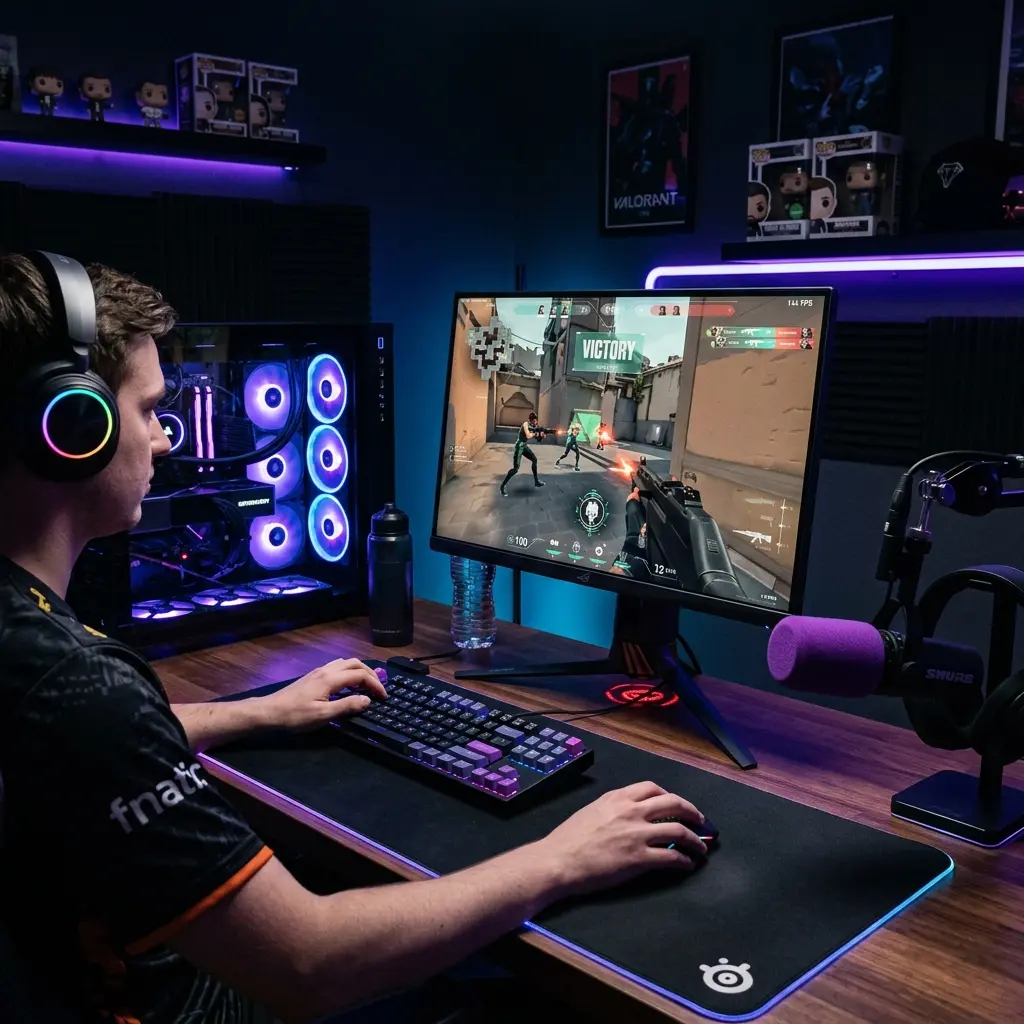
High refresh rates, such as 144Hz or 240Hz, significantly reduce ghosting effects, especially in competitive gaming scenarios.
Ergonomics and Visual Comfort
Proper monitor height and angle can impact visual comfort, which may exacerbate or alleviate the perception of ghosting.
Utilizing monitors with adjustable stands promotes ergonomic setup, enhancing user experience during prolonged use.
| Monitor Type | Response Time (ms) | Refresh Rate (Hz) | Common Use |
|---|---|---|---|
| TN Panel | 1-3 | 144-240 | Gaming |
| IPS Panel | 4-5 | 60-144 | Design/General Use |
| VA Panel | 3-5 | 60-144 | Multimedia |
Materials and Durability
The materials used in monitor construction, such as glass and plastic, can affect durability and visual quality.
High-quality panels typically have better anti-glare coatings and are less prone to scratches, enhancing longevity.

DomineTec Tip: Adjusting the refresh rate in the display settings can often reduce ghosting, providing a smoother visual experience.
Buying Recommendations and Brands
Choosing a monitor with optimal specifications can significantly minimize ghosting effects.
Brands like ASUS, Acer, and Dell offer models specifically designed for gaming, featuring low response times and high refresh rates.
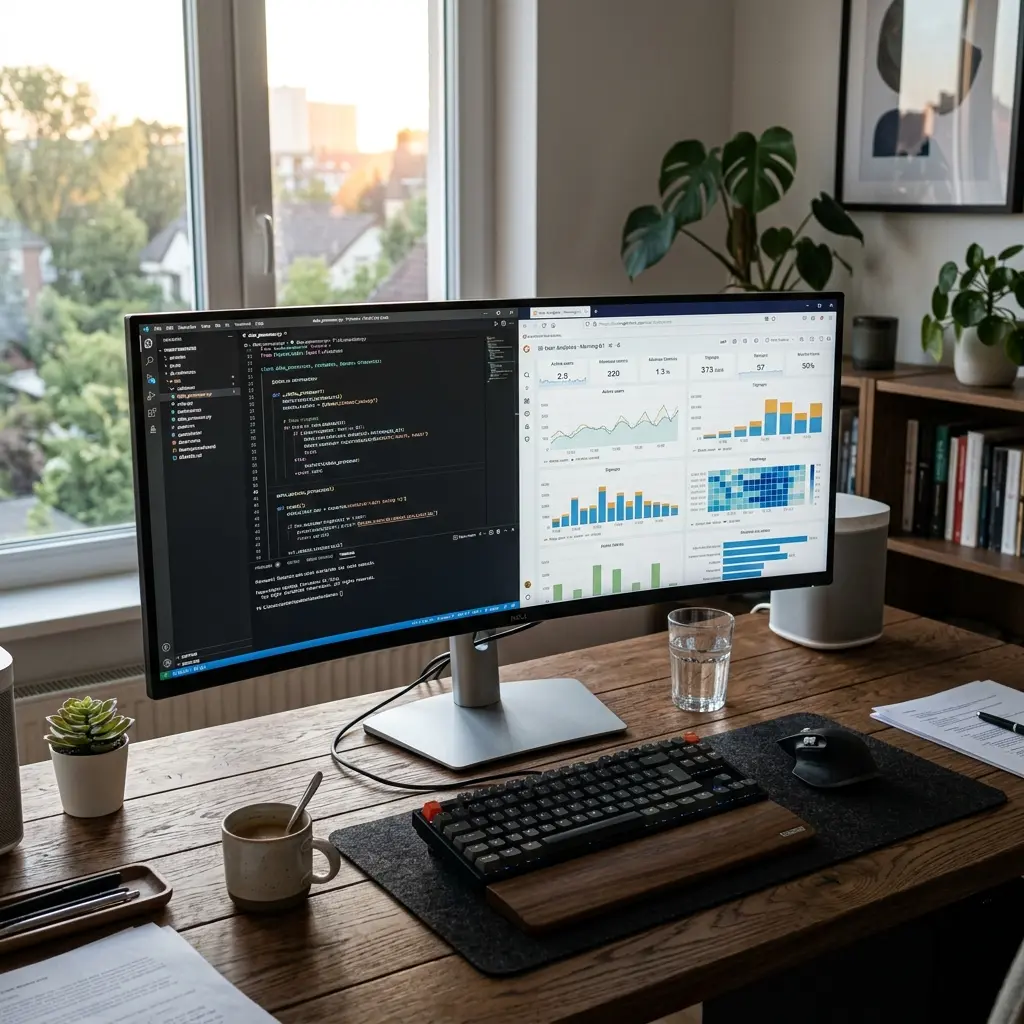
- Determine the primary use (gaming, design, general use).
- Look for monitors with a response time of 1ms to 4ms.
- Select a refresh rate of at least 144Hz for a smoother experience.
- Consider panel types: TN for speed or IPS for color accuracy.
- Check reviews and user feedback on ghosting performance.
Value Analysis and Verdict
The value of a monitor often correlates with its performance in minimizing ghosting effects.
Investing in a high-quality display can enhance both productivity and enjoyment during use.
Understanding the Causes of Monitor Ghosting
Monitor ghosting occurs when pixels do not change colors quickly enough, resulting in trailing images during fast-moving scenes. This phenomenon is primarily influenced by the response time of the monitor, which is the duration it takes for a pixel to transition from one color to another.
Additionally, the refresh rate plays a crucial role; a higher refresh rate can mitigate ghosting by updating the image on the screen more frequently. Poorly optimized graphics settings in video games or applications can further exacerbate the issue, leading to more pronounced ghosting effects.
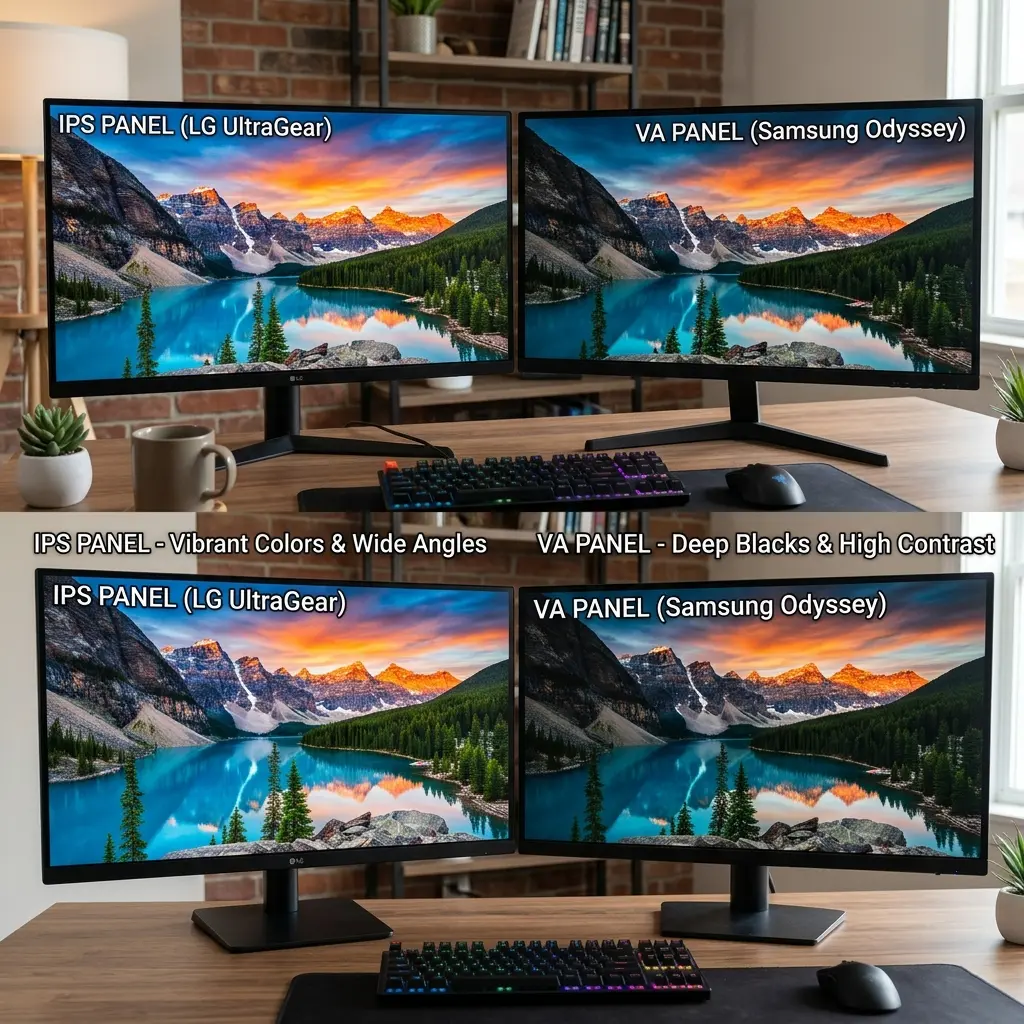
Another contributing factor to ghosting is the type of panel technology used in the monitor. For instance, TN (Twisted Nematic) panels typically exhibit better response times compared to VA (Vertical Alignment) or IPS (In-Plane Switching) displays, which may suffer from slower pixel transitions.
Lastly, monitor settings such as overdrive can influence ghosting; while overdrive can help reduce ghosting, excessive settings may introduce artifacts and other visual distortions, complicating the user experience.
Impact of Refresh Rate on Ghosting
The refresh rate of a monitor directly impacts the frequency at which the image is updated, playing a significant role in ghosting phenomena. Monitors with higher refresh rates, such as 144Hz or 240Hz, can provide smoother visuals and reduce ghosting effects significantly compared to standard 60Hz displays.
In fast-paced gaming scenarios, a higher refresh rate allows for more frames per second, creating a more fluid experience that can effectively mask minor ghosting. Users often notice that their ability to track moving objects improves with higher refresh rates, making gameplay more enjoyable.
However, achieving a higher refresh rate requires a compatible graphics card and an appropriate cable connection, such as DisplayPort or HDMI 2.0 and above. Ensuring that the entire setup supports these specifications is crucial for maximizing performance.
Moreover, it is essential to balance refresh rate with resolution; pushing for extremely high refresh rates on high-resolution displays may lead to decreased performance unless the hardware is capable of handling it efficiently.
Software Solutions for Reducing Ghosting
While hardware adjustments are vital, software solutions can also help minimize monitor ghosting. Many gaming monitors come equipped with built-in settings or software that allow users to tweak response times and overdrive settings to reduce ghosting artifacts.
Game-specific settings can also play a role; many modern games offer options to adjust graphics settings that can impact frame rates and overall performance. Lowering certain graphics quality settings can lead to increased frame rates, thus reducing the appearance of ghosting.
Additionally, utilizing technologies such as NVIDIA’s G-Sync or AMD’s FreeSync can synchronize the monitor’s refresh rate with the graphics card output. This synchronization helps to eliminate tearing and stuttering, which may contribute to the perception of ghosting during gameplay.
Finally, keeping graphics drivers up-to-date can ensure that users benefit from performance optimizations and bug fixes that may indirectly reduce ghosting effects in various applications.
Testing and Diagnosing Ghosting Issues
Identifying monitor ghosting can be challenging, but several testing methods can help diagnose the issue. One common approach is to use online ghosting test websites that display moving images or patterns designed to highlight ghosting effects.
Users can also utilize specific software tools that provide frame rate and response time analysis, allowing for a more in-depth examination of the monitor’s performance. These tools often include visual feedback that makes it easier to spot ghosting issues.
In addition to software tests, real-world application testing can be beneficial; observing ghosting in fast-paced video games or high-motion videos can provide practical insights into how ghosting affects user experience.
Finally, comparing the performance of the monitor with other devices may provide a clearer perspective on whether the ghosting is an isolated issue or a common characteristic of the particular display technology.
Future Trends in Monitor Technology and Ghosting
As display technology continues to evolve, advancements are being made to address ghosting issues. Emerging technologies, such as OLED (Organic Light Emitting Diode), boast faster response times and improved color accuracy, which can significantly reduce ghosting.
Furthermore, innovations in panel manufacturing, such as Mini-LED and MicroLED technologies, promise to deliver enhanced performance characteristics that could mitigate ghosting effects. These technologies offer better pixel control and faster response times, potentially leading to a ghosting-free experience.
Adaptive refresh rate technologies will likely continue to expand, allowing for even greater synchronization between graphics cards and monitors. This development aims to provide smoother visual experiences across various applications, from gaming to professional use.
Lastly, as consumer demand for high-performance displays rises, manufacturers are likely to invest more in research and development to produce monitors that excel in both visual quality and responsiveness, further reducing ghosting as a common concern.
Community Insights and User Experiences
User experiences and community feedback can provide valuable insights into monitor ghosting and its solutions. Online forums and gaming communities often serve as platforms where users share their personal encounters with ghosting, discussing specific models and settings that have helped alleviate the issue.
Many users advocate for particular brands or models that are known for their low ghosting tendencies, providing anecdotal evidence of performance that can assist potential buyers in making informed decisions. Recommendations often include details about response times, refresh rates, and user-adjustable settings.
Additionally, community discussions often highlight troubleshooting techniques that have worked for users, from software adjustments to hardware upgrades, enhancing the collective knowledge on how to combat ghosting.
Such shared experiences emphasize the importance of user feedback in shaping future monitor design and performance standards, as manufacturers may take note of commonly reported issues and preferences from the gaming community.
Long-Term Maintenance to Mitigate Ghosting
Long-term maintenance of a monitor can play a crucial role in mitigating ghosting effects. Regularly adjusting settings based on the monitor’s usage can help maintain optimal performance; this includes calibrating brightness, contrast, and response time settings periodically.
Cleaning the monitor screen and ensuring that the display is free from dust and smudges can also enhance visual clarity, making ghosting less noticeable. Users should follow manufacturer guidelines for cleaning to avoid damaging the screen.
Additionally, monitoring the overall health of the graphics card and keeping drivers updated will contribute to better performance and potentially reduce ghosting. Hardware that operates optimally can significantly impact how well the monitor performs, especially during high-demand tasks.
Lastly, understanding the lifespan of the monitor and replacing it when necessary can be crucial. As technology advances, older monitors may not keep up with newer standards, leading to increased ghosting and other performance issues.
Adjusting Monitor Settings for Optimal Performance
To combat monitor ghosting effectively, users should explore various settings available in their monitor's on-screen display (OSD). Adjusting parameters such as overdrive, response time, and refresh rate can significantly influence ghosting effects.
Overdrive settings can enhance pixel response times by applying voltage to accelerate pixel transitions. However, excessive overdrive may lead to inverse ghosting, where artifacts appear in the opposite direction of motion.
Finding the optimal response time setting is crucial; most monitors offer several options. Users should experiment with these settings to identify the best balance between minimal ghosting and overall image quality.
Additionally, ensuring the monitor operates at its native refresh rate can help reduce ghosting. Many monitors support variable refresh rates, which can also contribute to improved performance in fast-paced scenarios.
Understanding the Role of Cable Quality and Type
The quality and type of cable used to connect a monitor can significantly impact its performance, including ghosting issues. High-quality cables facilitate better data transmission, minimizing latency and potential artifacts.
HDMI and DisplayPort are the most common connection types; however, older standards like VGA may not support higher refresh rates and resolutions, potentially exacerbating ghosting issues.
Using cables rated for the specific refresh rate and resolution of the monitor is essential. For example, HDMI 2.1 or DisplayPort 1.4 cables are recommended for 144Hz refresh rates at high resolutions.
Regularly inspecting cables for damage and ensuring secure connections can also prevent signal degradation, which may contribute to ghosting effects.
The Impact of Graphics Card Performance on Ghosting
The performance of the graphics card (GPU) plays a crucial role in mitigating monitor ghosting. A powerful GPU can render frames quickly enough to match the monitor's refresh rate, reducing the likelihood of ghosting.
Using a graphics card that supports features like G-Sync or FreeSync can synchronize frame rates between the GPU and monitor. This synchronization helps prevent tearing and stuttering, which can exacerbate ghosting issues.
Regularly updating GPU drivers is vital, as manufacturers often release optimizations that improve performance and compatibility with various monitors. Driver updates may also address specific ghosting-related issues.
In scenarios where a GPU struggles to maintain the monitor's refresh rate, users may experience increased ghosting. Upgrading to a more powerful GPU may be necessary for those seeking the best visual performance in fast-paced gaming or video content.
Calibration Techniques for Minimizing Ghosting
Calibration is a crucial step in optimizing monitor performance and can significantly reduce ghosting effects. Properly adjusting settings like brightness, contrast, and color balance can enhance visual clarity and reduce motion blur.
Tools such as color calibration devices or software can assist in achieving accurate settings. These tools help fine-tune the display, ensuring that transitions between colors are smooth and reducing the likelihood of ghosting artifacts.
Additionally, utilizing the built-in calibration options available in many modern monitors can help users achieve a more tailored visual experience. These settings often include options for response time adjustment, which can directly affect ghosting behavior.
Regularly recalibrating the monitor is recommended, especially when changing lighting conditions in the room or after updates to the graphics drivers. This ensures that the display continues to perform optimally over time.
Comparative Analysis of Panel Technologies and Their Impact on Ghosting
Different panel technologies exhibit varying levels of susceptibility to ghosting, which can influence the choice of monitor for specific applications. For example, Twisted Nematic (TN) panels are known for their fast response times, making them less prone to ghosting compared to other technologies.
In contrast, In-Plane Switching (IPS) panels offer superior color accuracy and viewing angles but may experience more noticeable ghosting due to slower response times. This trade-off highlights the importance of understanding the intended use when selecting a monitor.
Moreover, VA (Vertical Alignment) panels present a middle ground with decent response times and good contrast ratios. However, they can also suffer from ghosting under certain conditions, particularly in fast-paced gaming scenarios.
Ultimately, users should weigh the pros and cons of each panel type based on their specific needs, such as gaming, professional editing, or general use, to determine the best fit while considering potential ghosting issues.
Environmental Factors Influencing Monitor Ghosting
Monitor ghosting can be affected by various environmental factors that often go overlooked. Factors such as ambient lighting, room temperature, and even the type of surface on which the monitor is placed can contribute to the perception of ghosting.
For instance, excessive ambient light can create glare on the screen, making ghosting more noticeable. This is especially true for monitors with lower brightness capabilities, where reflections can obscure content and enhance the ghosting effect.
Room temperature can also play a role; monitors that overheat may experience performance degradation, which can exacerbate ghosting issues. Keeping the monitor in a well-ventilated area can help in maintaining optimal operating conditions.
Lastly, the surface on which the monitor is placed can impact stability and alignment. An unstable or uneven surface may cause slight movement or vibration, which can disrupt visual clarity and magnify the appearance of ghosting.
Consumer Awareness and Education on Monitor Ghosting
Despite advances in monitor technology, consumer awareness regarding ghosting remains limited. Many users are unaware of the factors that contribute to ghosting and how they can affect their viewing experience.
It is crucial to educate consumers about the differences in panel technologies, refresh rates, and response times, as these specifications significantly influence ghosting. Understanding these factors enables consumers to make informed decisions when purchasing a monitor.
Furthermore, user education on calibration techniques and optimal settings can empower individuals to minimize ghosting in their specific environments. Many monitors come with built-in features that, when correctly utilized, can significantly alleviate ghosting.
Finally, manufacturers have a role to play in this educational process. By providing clear information regarding ghosting and how to address it in their product documentation, they can help consumers better understand the capabilities and limitations of their monitors.
Frequently Asked Questions
What causes monitor ghosting?
Monitor ghosting is primarily caused by slow pixel response times, leading to blurring during rapid movements.
How can ghosting be reduced?
Reducing ghosting can be achieved by using monitors with faster response times and higher refresh rates.
Is ghosting more prominent in certain games?
Yes, fast-paced games tend to highlight ghosting issues more than slower-paced titles.
Can software adjustments help with ghosting?
Adjustments in display settings, such as refresh rate and overdrive options, can help mitigate ghosting.
Are there monitors specifically designed to eliminate ghosting?
Many brands produce gaming monitors specifically engineered to minimize ghosting through advanced technology.




