What is a Hot-Swappable Mechanical Keyboard and How Does It Work?
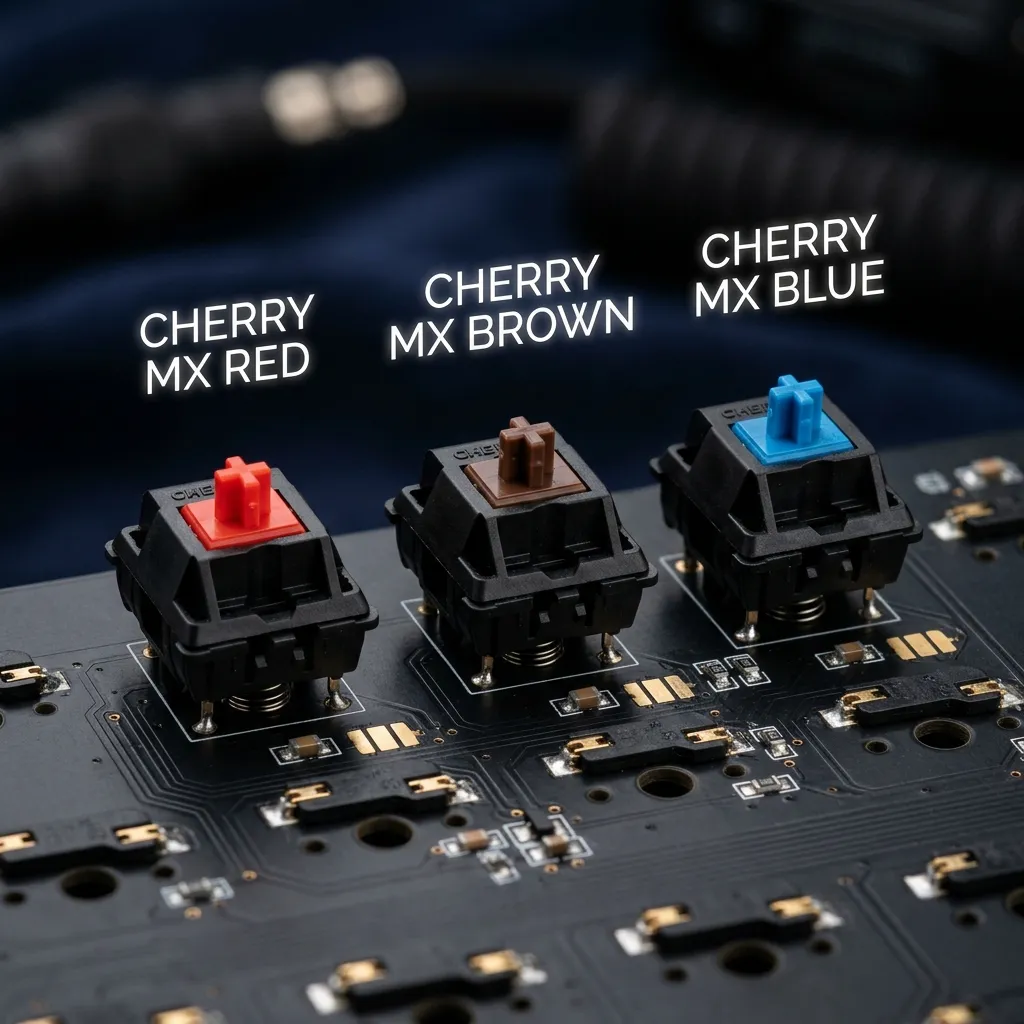
A hot-swappable mechanical keyboard allows users to replace switches without soldering, enhancing customization and maintenance.
Understanding Hot-Swappable Technology
Hot-swappable keyboards utilize a specialized PCB (Printed Circuit Board) that supports socketed switches, enabling quick replacement.
This technology eliminates the need for soldering, allowing users to experiment with different switch types easily.
Material Composition and Durability
Keyboards typically feature high-quality plastic or aluminum cases that provide durability and aesthetic appeal.
The switches are often made from PBT (Polybutylene Terephthalate) for keycaps, which offers resistance to wear and fading.
Ergonomics and User Experience
Ergonomics play a crucial role in keyboard design, influencing typing comfort and reducing strain during prolonged use.
Hot-swappable keyboards can incorporate various keycap profiles and switch types to tailor the typing experience to individual preferences.
Performance and Typing Speed
Switch selection directly impacts performance, with options ranging from tactile to linear switches catering to different typing styles.
Users can customize actuation points and feedback to enhance typing speed and accuracy, crucial for gamers and typists alike.
Brand Comparisons and Recommendations
Leading brands in the hot-swappable market include Keychron, Ducky, and Drop, each offering unique features and build quality.
Comparative analysis reveals differences in switch compatibility, build materials, and additional features such as RGB lighting.
| Brand | Switch Type | Build Material | Price Range |
|---|---|---|---|
| Keychron | Gateron | Aluminum/Plastic | $70 - $120 |
| Ducky | Cherry MX | Plastic | $90 - $150 |
| Drop | Halo/Cherry MX | Aluminum | $100 - $200 |
DomineTec Tip: Ensure the keyboard is compatible with the desired switches to optimize ergonomics and performance.
- Identify the preferred switch type based on tactile feedback and actuation force.
- Choose a keyboard with a suitable layout and ergonomic design.
- Consider additional features such as programmable keys and RGB lighting.
- Test the keyboard for comfort and adjust the setup according to usage needs.
- Invest in quality keycaps to enhance both aesthetics and durability.
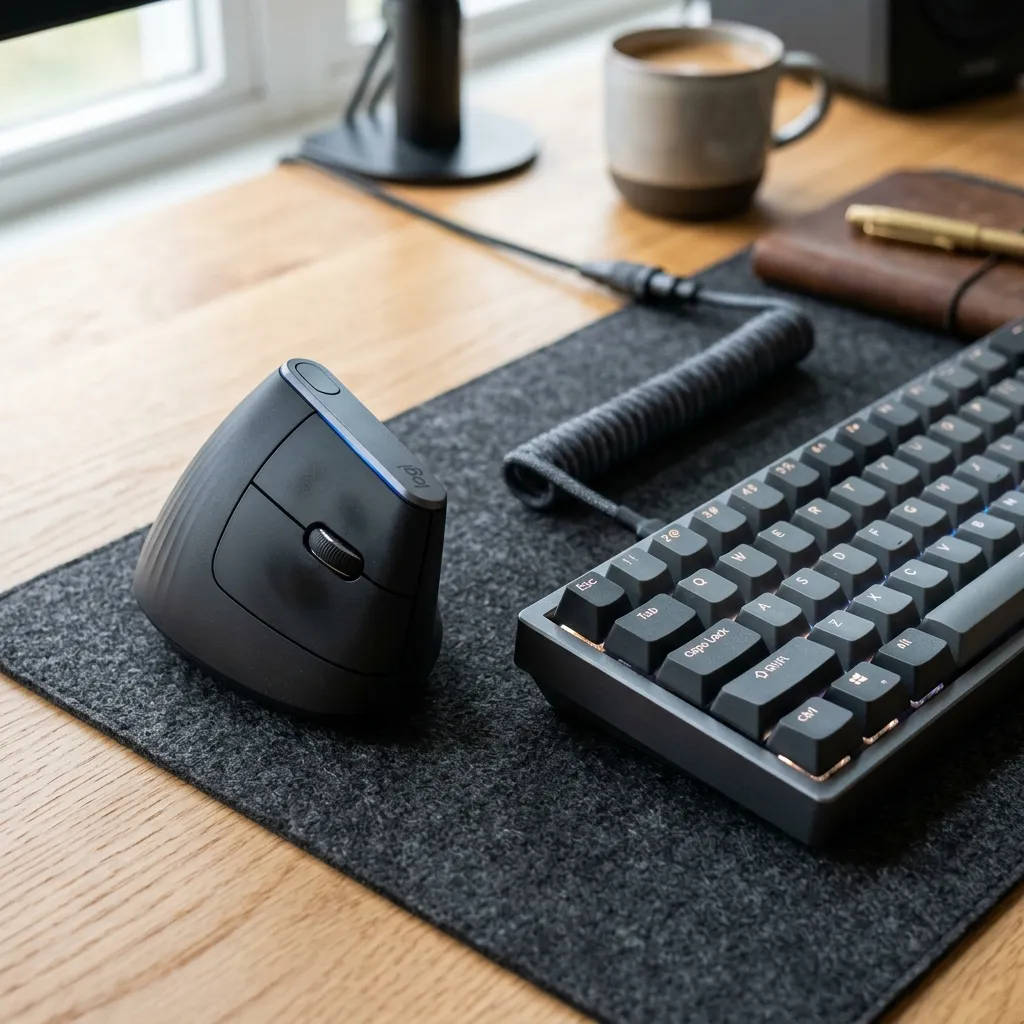

For an optimal workspace, consider a clean productivity desk setup and an ergonomic office chair.
Customization Options for Hot-Swappable Keyboards
Hot-swappable mechanical keyboards offer extensive customization options that appeal to a wide range of users.
Users can easily switch between different switch types, allowing for personalized tactile feedback, actuation force, and sound profile.
Additionally, customizable keycaps enhance the aesthetic appeal and functionality of the keyboard, accommodating various themes and styles.
Some keyboards also support programmable layouts, enabling users to remap keys and create macros for improved productivity.
Maintenance and Care for Hot-Swappable Keyboards
Proper maintenance is essential for the longevity of hot-swappable mechanical keyboards.
Regular cleaning of the keycaps and switches helps prevent dust and debris from affecting performance.
Users should also inspect the sockets and switches for wear and tear, replacing components as necessary to maintain optimal functionality.
Using a keycap puller and a soft brush can simplify the cleaning process, ensuring that the keyboard remains in top condition.
Compatibility with Different Switch Types
Hot-swappable keyboards are designed to accommodate a variety of mechanical switch types, enhancing user flexibility.
Common switch brands include Cherry MX, Gateron, and Kailh, each offering distinct characteristics and performance metrics.
Some hot-swappable keyboards feature a universal socket design that supports both 3-pin and 5-pin switches, further expanding compatibility.
This versatility allows users to experiment with different switch types to find their ideal typing experience without needing specialized tools.
Impact on Gaming Performance
The hot-swappable feature can significantly influence gaming performance, particularly for competitive gamers.
Players often prefer specific switch types that provide faster actuation and response times, enabling quicker actions during gameplay.
The ability to swap switches on-the-fly allows gamers to test and adjust their setup for optimal performance based on their preferences.
Furthermore, customizable key layouts can provide an edge by allowing for macro setups that streamline complex commands.
Environmental Considerations and Sustainability
Hot-swappable mechanical keyboards can contribute to sustainability efforts within the tech industry.
By allowing users to replace switches instead of the entire keyboard, these devices reduce electronic waste and promote longer product lifespans.
Consumers are increasingly seeking products that align with eco-friendly practices, making hot-swappable keyboards an attractive choice.
Moreover, many brands are exploring environmentally friendly materials for keycaps and housing, further enhancing their appeal to eco-conscious consumers.
Market Trends and Innovations
The market for hot-swappable mechanical keyboards is rapidly evolving, with innovations continuously reshaping the landscape.
Emerging trends include wireless connectivity options and integrated RGB lighting, catering to modern user preferences.
Manufacturers are also focusing on improving build quality and incorporating advanced features such as programmable displays and customizable profiles.
As the demand for customizable and high-performance keyboards grows, new entrants are likely to introduce competitive options with unique features.
User Communities and Resources
Online communities dedicated to mechanical keyboards provide valuable resources for users interested in hot-swappable models.
Forums and social media platforms facilitate discussions on switch preferences, customization techniques, and troubleshooting tips.
These communities often create guides and tutorials that help users make the most of their keyboards, enhancing their overall experience.
Engaging with fellow enthusiasts can lead to discoveries of new products and innovations, ensuring users stay informed about the latest trends.
Understanding the Mechanics Behind Hot-Swappability
Hot-swappable mechanical keyboards utilize a unique PCB (Printed Circuit Board) design that allows switches to be replaced without soldering. This design incorporates socketed connections, enabling users to easily insert or remove switches.
The switches are typically held in place by a combination of clips and the keycap mounting, which ensures stability while allowing for easy removal. This mechanism not only simplifies the process of changing switches but also helps maintain the keyboard's durability over time.
Additionally, hot-swappable designs often feature multi-pin connections, which can accommodate various types of switches. This flexibility caters to a broader range of user preferences, enhancing the keyboard's versatility.
Understanding this mechanical design is crucial for users who wish to fully leverage the benefits of hot-swappable keyboards, as it impacts both performance and customization options.
Switch Types and Their Influence on Hot-Swappability
Different mechanical switch types, such as Cherry MX, Gateron, and Kailh, have distinct characteristics that influence their compatibility with hot-swappable keyboards. The choice of switch can dramatically alter the feel and performance of the keyboard.
Some switches are designed specifically for hot-swappable applications, featuring robust housing and pins that fit standard sockets. Others may require adapters or may not be suitable for swapping, which can limit customization options.
Understanding the nuances of these switch types is essential for users looking to optimize their keyboard experience. Knowledge of switch characteristics aids in selecting the best options for individual typing preferences.
Ultimately, the interplay between switch types and hot-swappability underscores the importance of considering both mechanical design and user needs when selecting a keyboard.
Potential Drawbacks of Hot-Swappable Keyboards
While hot-swappable keyboards offer significant advantages, they are not without potential drawbacks. One common concern is the long-term durability of socket connections, which may degrade over time with frequent switch changes.
Additionally, not all hot-swappable keyboards are created equal; some may have limited compatibility with specific switch types, leading to frustration for users seeking a diverse range of options. This limitation can detract from the overall user experience.
Another factor to consider is the learning curve associated with switch replacement. Users inexperienced with mechanical keyboards may find the process challenging initially, requiring practice to master.
Despite these drawbacks, understanding the limitations of hot-swappable keyboards can help users make informed decisions and better manage their expectations.
Future Developments in Hot-Swappable Technology
The field of hot-swappable mechanical keyboards is continuously evolving, with manufacturers exploring innovative designs and materials. Future developments may focus on improving the reliability of socket connections to enhance longevity.
Moreover, advancements in switch technology could lead to the creation of new, hybrid switches that combine the best features of different types while remaining compatible with hot-swappable mechanisms. This innovation could broaden customization options even further.
Additionally, the integration of smart technology, such as programmable macros and RGB lighting, may be increasingly common in future hot-swappable models. These features can elevate user experience and satisfaction.
As the market continues to grow, consumers can expect to see more versatile and user-friendly options, making hot-swappability an essential consideration for future keyboard purchases.
Economic Impact of Hot-Swappable Keyboards
The rise of hot-swappable mechanical keyboards has significant economic implications for both consumers and manufacturers. For users, these keyboards can represent a cost-effective solution, allowing for switch customization without the need for multiple keyboards.
From a manufacturer's perspective, the demand for hot-swappable keyboards has led to increased competition, driving innovation and potentially lowering prices for consumers. This competitive landscape fosters a greater variety of products.
Furthermore, the growth of communities centered around mechanical keyboards encourages niche markets, supporting small businesses that specialize in custom switches and keycaps. This economic ecosystem boosts overall industry growth.
Ultimately, the economic impact of hot-swappable keyboards extends beyond the individual user, influencing manufacturing practices and promoting a vibrant marketplace for keyboard enthusiasts.
Accessibility and Inclusivity of Hot-Swappable Keyboards
Hot-swappable mechanical keyboards provide a unique advantage in terms of accessibility for users with diverse needs. The ability to easily change switches allows individuals with varying degrees of dexterity to customize their typing experience without the need for specialized tools or technical knowledge.
This feature is particularly beneficial for users who may have difficulty pressing standard switches due to physical limitations. By selecting switches with varying actuation forces or tactile feedback, users can tailor their keyboard to suit their specific requirements, leading to a more comfortable and efficient typing experience.
Additionally, hot-swappable keyboards can accommodate users who prefer different switch types for different tasks. For instance, a user might choose linear switches for gaming and tactile switches for typing, allowing for a seamless transition between activities while maintaining ergonomic comfort.
The inclusivity of hot-swappable keyboards extends beyond physical needs; they also empower users to experiment with various switch types and brands. This experimentation can enhance users’ understanding of their preferences, promoting a more personalized and enjoyable interaction with technology.
Educational and Professional Use Cases for Hot-Swappable Keyboards
Hot-swappable keyboards have significant potential in educational and professional environments. In classrooms, for instance, educators can easily adjust keyboard configurations to suit the diverse needs of students, ensuring that each individual has the optimal setup for learning.
In corporate settings, professionals often require different keyboard setups depending on their specific tasks, such as programming, writing, or data entry. Hot-swappable keyboards allow for quick adjustments, enabling employees to optimize their equipment without lengthy downtime or disruption.
Moreover, the ability to quickly swap switches can enhance collaboration. In shared workspaces, team members can easily modify their keyboards to accommodate personal preferences or to try out different configurations during brainstorming sessions or workshops, fostering a more interactive and engaging environment.
As remote work continues to be prevalent, hot-swappable keyboards also offer flexibility for professionals working from home. Users can adapt their keyboards to create a comfortable, efficient workspace that aligns with their individual workflow and enhances productivity.
Integration with Software and Firmware
The integration of software and firmware with hot-swappable mechanical keyboards enhances their functionality, allowing users to customize key mappings and macros. Manufacturers often provide dedicated software that enables users to manage and configure their keyboards with ease.
This software typically includes features like key remapping, RGB lighting control, and macro recording, making it easier for users to personalize their keyboard experience. Additionally, firmware updates can improve compatibility with different operating systems and add new features, ensuring that the keyboard remains versatile and up-to-date.
Some advanced hot-swappable keyboards even support open-source firmware, such as QMK or VIA, which allows users to dive deeper into customization. This flexibility attracts a community of enthusiasts who create and share custom layouts, enhancing the overall user experience and fostering a sense of community.
Moreover, integration with software can provide diagnostic tools that help users troubleshoot issues or monitor the performance of their keyboards. This feature is particularly beneficial for gamers and typists who rely on consistent performance and responsiveness in their daily activities.
Hot-Swappable Keyboards in Professional Settings
In professional environments, hot-swappable keyboards have gained popularity due to their adaptability and ease of maintenance. In workplaces where multiple users share the same equipment, the ability to quickly change switches can cater to different preferences and typing styles, enhancing overall productivity.
For example, in a co-working space, employees can easily swap out switches to accommodate personal comfort or typing speed, ensuring that each user has a setup tailored to their needs. This adaptability can lead to increased satisfaction and productivity among team members.
Furthermore, industries that require extensive typing, such as programming or data entry, benefit from the customization options provided by hot-swappable keyboards. Users can select switches that minimize fatigue and optimize their typing experience, leading to improved accuracy and efficiency.
In addition, the durability and repairability of hot-swappable keyboards make them a cost-effective solution for businesses. Instead of replacing an entire keyboard when a switch fails, companies can replace only the faulty component, reducing waste and maintenance costs over time.
Frequently Asked Questions
What is the benefit of hot-swappable switches?
Hot-swappable switches allow for easy customization and replacement, enhancing versatility and maintenance.
Are all mechanical keyboards hot-swappable?
No, not all mechanical keyboards feature this technology; it is specific to certain models designed for user interchangeability.
Can any switch be used in a hot-swappable keyboard?
Switch compatibility varies by keyboard; it is essential to check specifications to ensure proper fit.
How does switch type affect typing experience?
Different switch types provide varying feedback and actuation force, influencing typing comfort and speed.
Is maintenance easier with hot-swappable keyboards?
Yes, maintenance is simplified as switches can be replaced without soldering, allowing for quick repairs or upgrades.