What is HIPS Filament? Soluble Supports for ABS Prints Explained
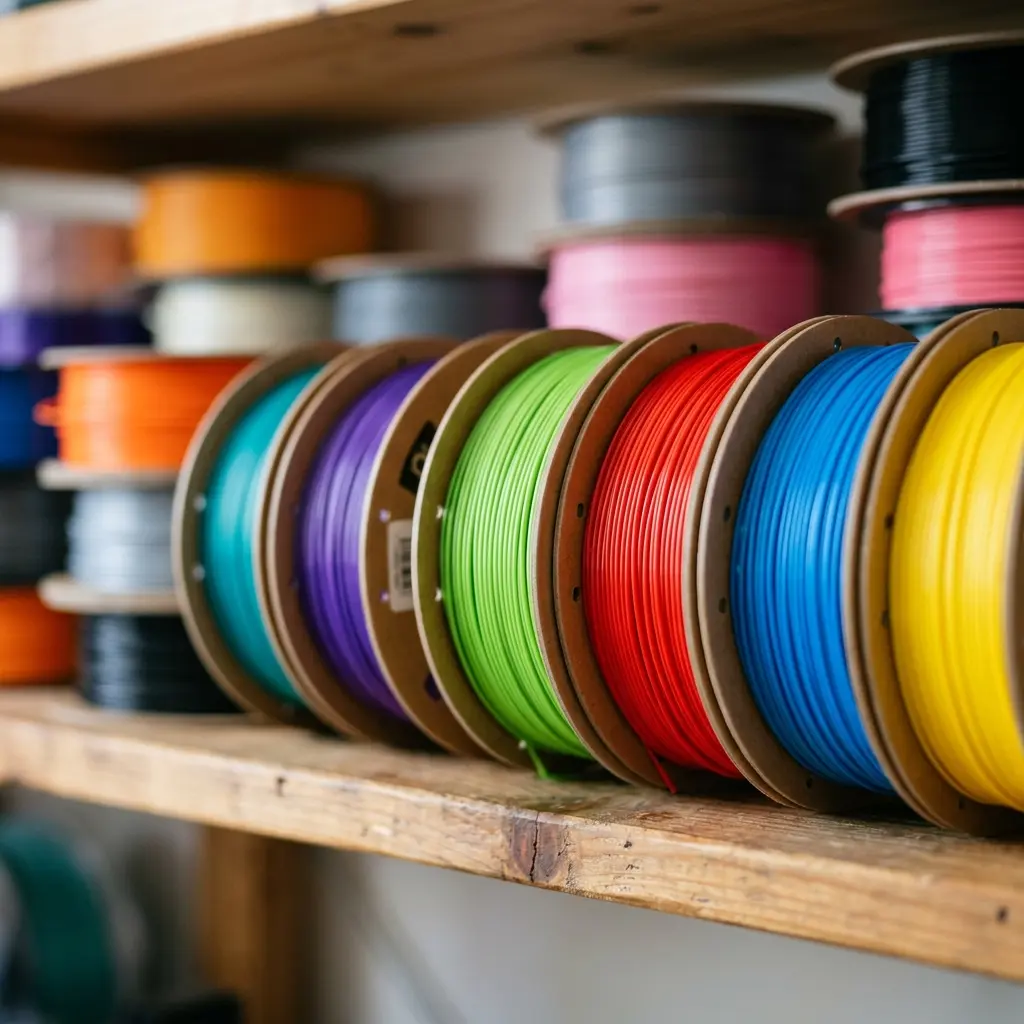
HIPS filament is a versatile 3D printing material that acts as a soluble support for ABS prints, enhancing the quality of complex models.
Understanding HIPS Filament
High Impact Polystyrene (HIPS) filament is a thermoplastic commonly used in 3D printing due to its excellent properties. It is particularly valued for its ability to serve as a support material for ABS prints.
The unique quality of HIPS lies in its solubility in limonene, a non-toxic solvent, allowing for easy removal after the printing process is complete. This makes it an ideal choice for intricate designs where support structures are necessary.
Properties of HIPS Filament
HIPS filament showcases various properties that make it suitable for 3D printing. It is lightweight yet strong, providing structural stability to complex models. Its impact resistance ensures durability, making it a preferred option for functional prototypes.
Additionally, HIPS has a smooth surface finish, which contributes to the aesthetic quality of printed objects. The filament adheres well to ABS, producing reliable and sturdy prints.
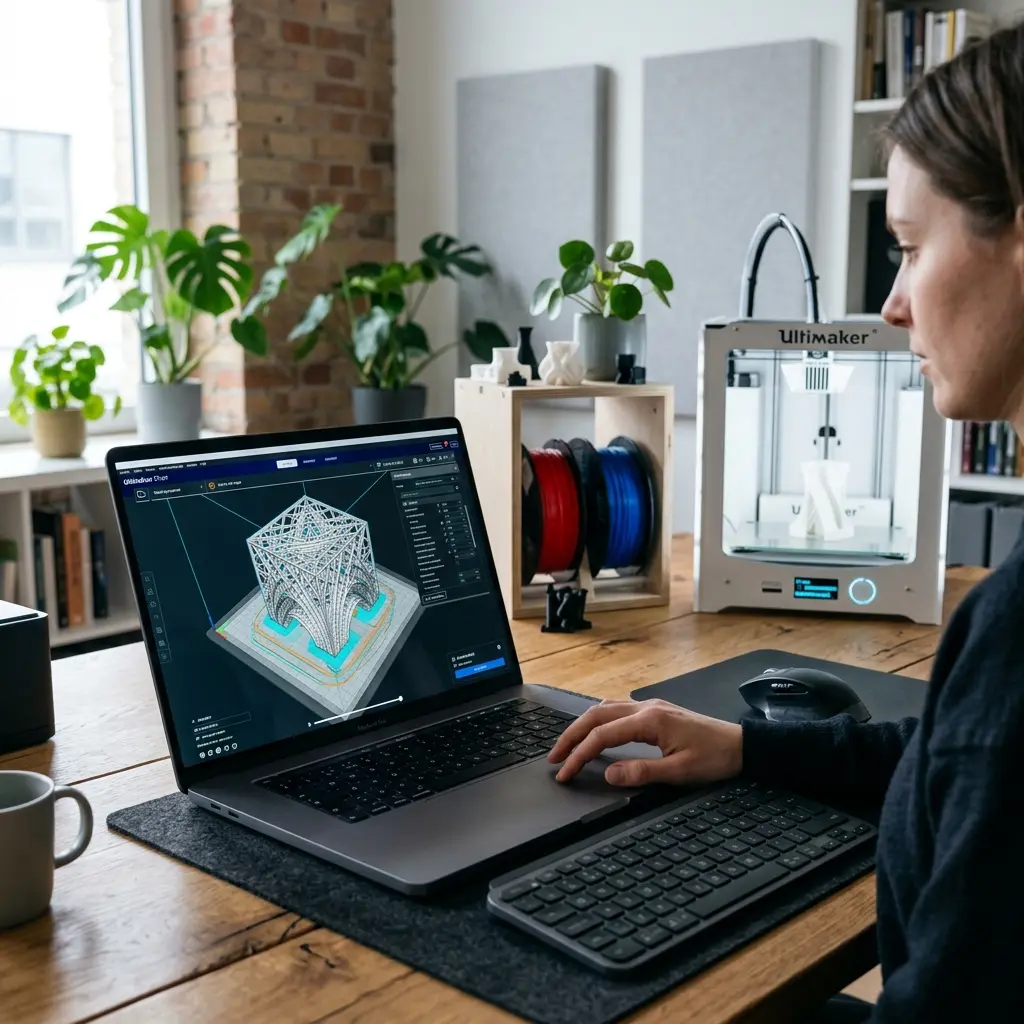
Comparing HIPS with Other Filaments
When evaluating HIPS filament, it is essential to compare it with other common materials, such as PLA and ABS. Each filament serves different purposes based on its unique characteristics.
| Filament Type | Strength | Flexibility | Solubility | Printing Temperature (°C) |
|---|---|---|---|---|
| HIPS | Medium | Medium | Yes (in Limonene) | 230-260 |
| ABS | High | Low | No | 210-250 |
| PLA | Medium | High | No | 190-220 |
Applications of HIPS Filament
HIPS filament is widely used in various applications, particularly in industries that require quality prototypes. Its ability to dissolve easily allows for complex geometries that would be challenging with traditional support materials.
Common applications include the production of models for consumer goods, automotive parts, and architectural prototypes. HIPS can also be utilized for creating molds and tooling, showcasing its versatility across different sectors.
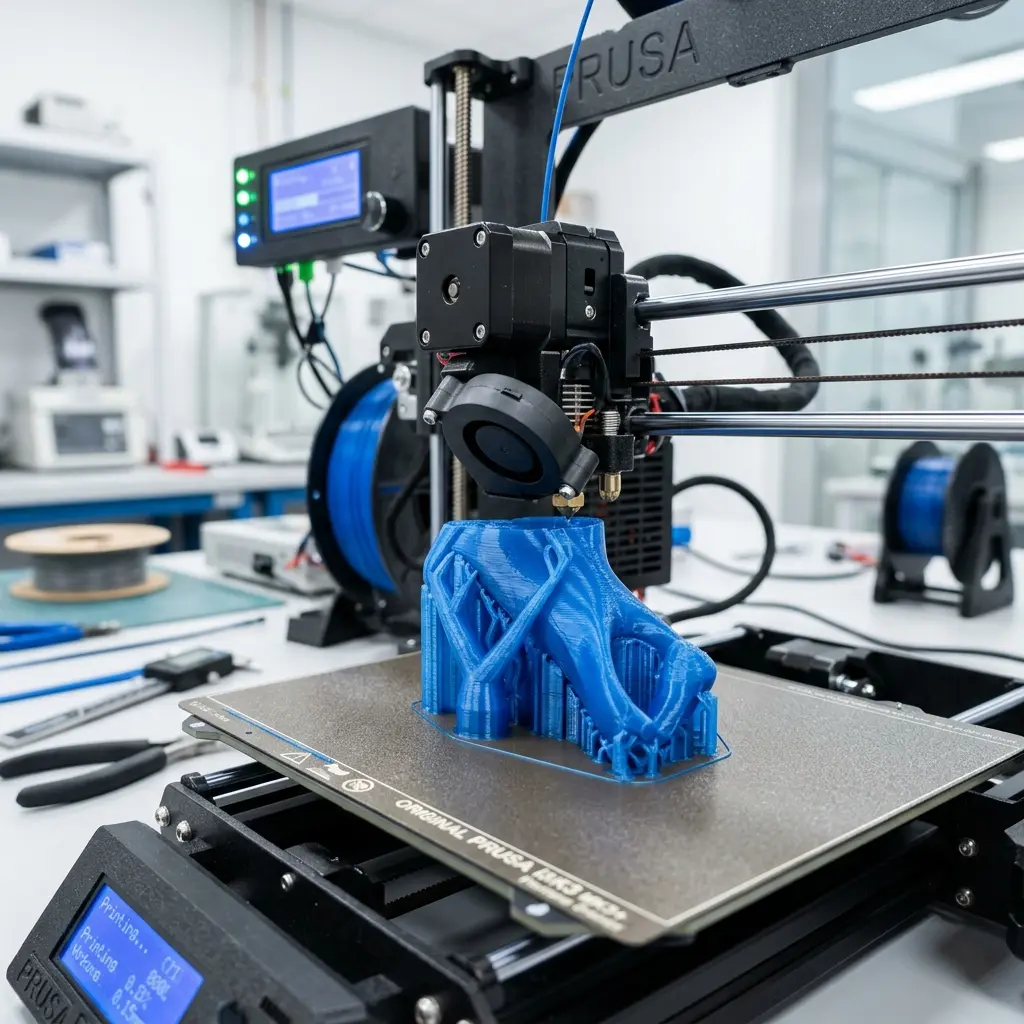
Best Practices for Using HIPS Filament
To achieve optimal results with HIPS filament, certain best practices should be followed during the printing process. Proper printer settings are crucial for successful outcomes.
Ensure that the printer nozzle is clean and free of clogs, as this can affect the material flow. Regular maintenance of the extruder and bed leveling is also essential to avoid printing issues.
Step-by-Step Guide for 3D Printing with HIPS
Follow these steps to successfully print with HIPS filament:
- Prepare the 3D model in slicing software, ensuring to add HIPS as a support material.
- Set the correct printing temperature between 230-260°C for HIPS.
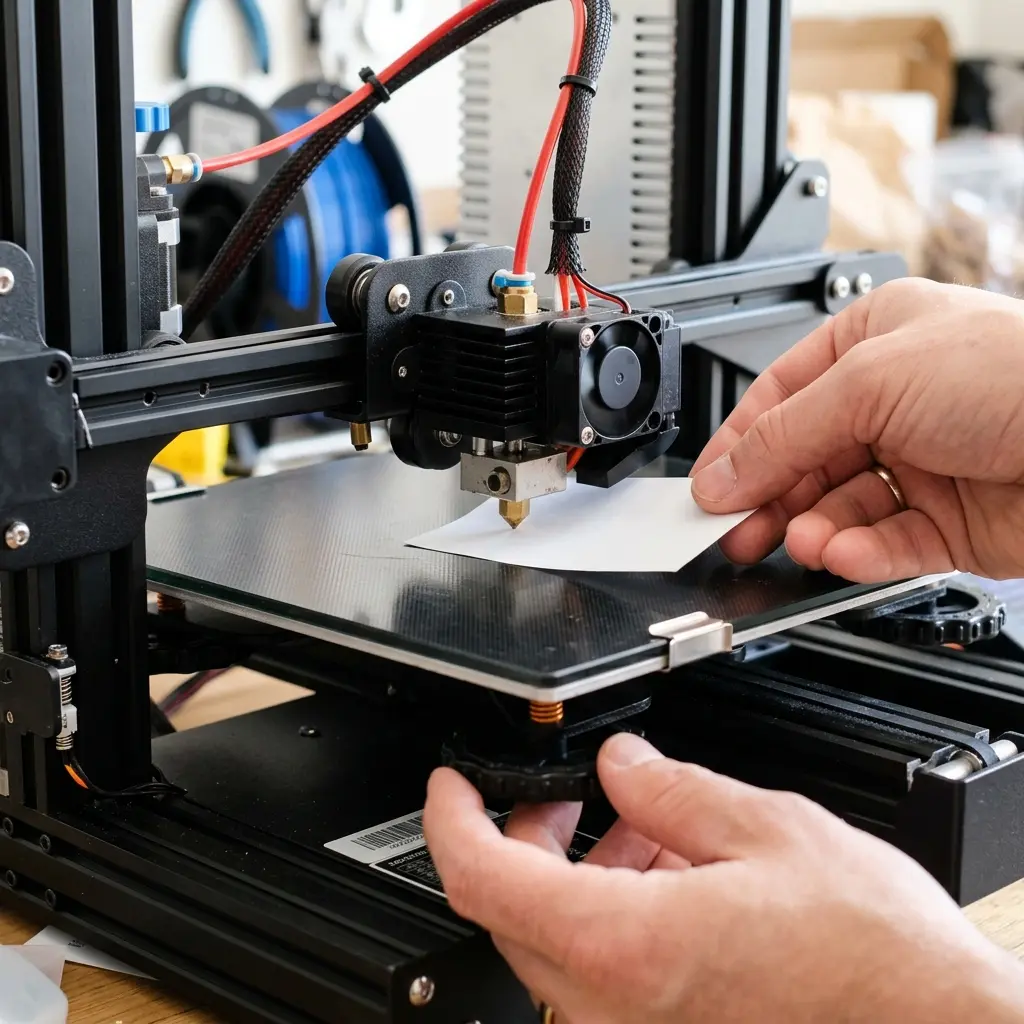
- Level the build plate accurately to ensure proper adhesion.
- Start the print and monitor the first few layers for quality.
- After printing, immerse the model in limonene to dissolve the HIPS supports.
Frequently Asked Questions
What is HIPS filament made of?
HIPS filament is made from high impact polystyrene, which combines strength and flexibility. This material is ideal for creating durable and lightweight 3D printed objects.
Can HIPS be used with printers that only support ABS?
Yes, HIPS can be used alongside ABS as a support material. The two filaments bond well, ensuring that the final print is sturdy and reliable.
How should HIPS filament be stored?
HIPS filament should be stored in a cool, dry place to prevent moisture absorption. Utilizing airtight containers or vacuum-sealed bags can prolong the filament's lifespan.
Is HIPS environmentally friendly?
HIPS is considered to have a lower environmental impact compared to other plastics, especially since it can be easily dissolved and cleaned up using non-toxic solvents like limonene.
What are the advantages of using HIPS over other support materials?
The primary advantage of HIPS is its solubility, which allows for easy removal without damaging the model. This results in cleaner finishes compared to traditional support materials.
Tips for Optimizing HIPS Printing
To further enhance the printing experience with HIPS filament, consider the following optimization tips:
- Use a heated bed to improve adhesion.
- Adjust retraction settings to minimize stringing.
- Consider using a higher infill percentage for added strength.
- Maintain consistent ambient temperatures to prevent warping.
Common Issues and Troubleshooting
While printing with HIPS filament, certain issues may arise. Below is a troubleshooting guide for common problems:
| Issue | Possible Cause | Solution |
|---|---|---|
| Warping | Insufficient bed adhesion | Increase bed temperature and use adhesive aids |
| Stringing | Improper retraction settings | Adjust retraction distance and speed |
| Clogs | Dirty nozzle or incorrect temperature | Clean nozzle and adjust temperature settings |
Environmental Considerations of HIPS Filament
Understanding the environmental impact of HIPS filament is essential for responsible printing practices. HIPS is generally considered safer compared to other plastics.
Its solubility in limonene allows for easier disposal and reduces the accumulation of waste. Additionally, HIPS can be recycled, further minimizing its environmental footprint.
Conclusion
HIPS filament presents a unique solution for 3D printing, particularly in creating complex designs with the need for support materials. Its properties and applications make it a valuable choice for various industries.
By following best practices and understanding the characteristics of HIPS, users can achieve high-quality prints while also considering environmental impacts. Continued innovation in 3D printing materials will likely expand the capabilities of HIPS and similar filaments in the future.




