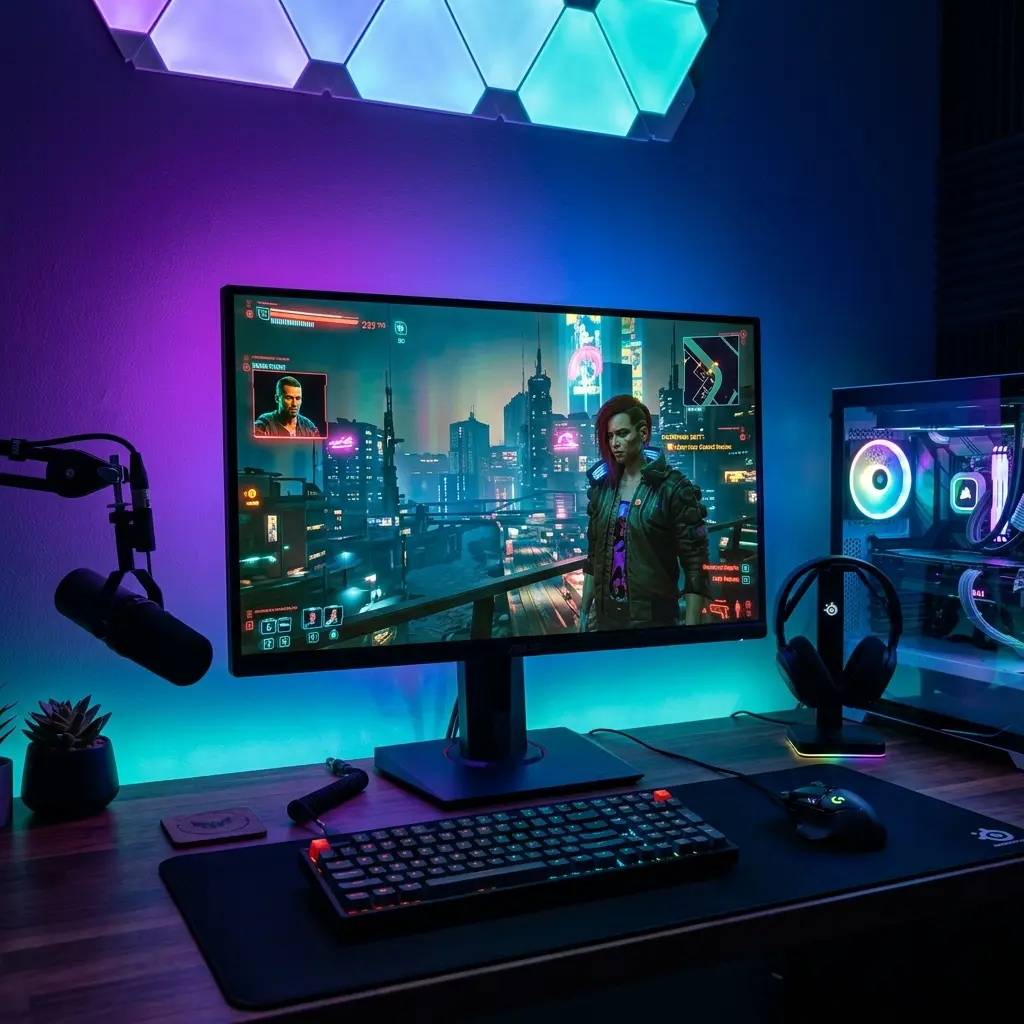
HDR (High Dynamic Range) technology significantly enhances visual performance on monitors, offering deeper colors and improved contrast.
Physical Aspects and Resolution
HDR monitors typically feature a minimum resolution of 1080p, with many models supporting 4K or even 8K for enhanced clarity.
The physical display size varies, with options ranging from compact 24-inch screens to expansive 49-inch ultrawide formats.
Performance and Technology
HDR utilizes advanced technologies such as local dimming and wide color gamuts to produce lifelike images.
Specifications like peak brightness (often exceeding 1000 nits) are crucial for delivering the full HDR experience.
Ergonomics and Visual Comfort
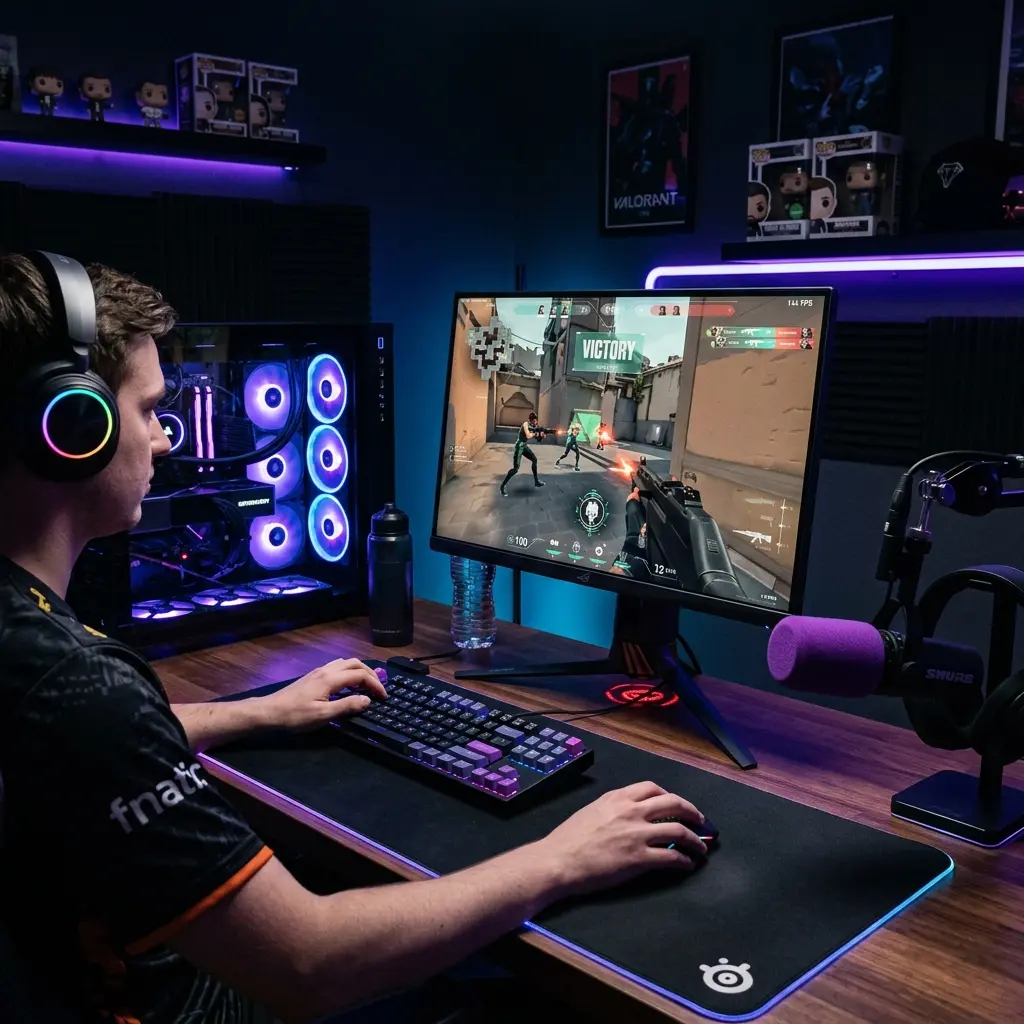
Modern HDR monitors often come with adjustable stands, allowing for optimal height and angle adjustments.
Anti-glare coatings and flicker-free technology are common features aimed at reducing eye strain during prolonged use.
| Monitor Model | Resolution | Peak Brightness (nits) | Color Gamut | Refresh Rate (Hz) |
|---|---|---|---|---|
| LG UltraFine OLED | 3840 x 2160 | 1000 | 99% DCI-P3 | 60 |
| Samsung Odyssey G7 | 2560 x 1440 | 600 | 95% DCI-P3 | 240 |
| Dell UltraSharp U2720Q | 3840 x 2160 | 400 | 95% DCI-P3 | 60 |
| Acer Predator X27 | 3840 x 2160 | 1000 | 99% Adobe RGB | 144 |
Materials and Durability
High-quality HDR monitors typically use premium materials, such as aluminum and reinforced plastics, for enhanced durability.
Many models are designed to withstand heat and everyday wear, ensuring longevity in both home and professional environments.

DomineTec Tip: Adjust monitor settings to match ambient lighting for optimal HDR performance and reduced glare.
Buying Recommendations and Brands
Top brands for HDR monitors include LG, Samsung, Dell, and Asus, each offering various models to suit different needs.
Consider factors such as resolution, refresh rate, and connectivity options when making a purchase decision.

- Determine the primary use (gaming, professional work, or multimedia).
- Check for HDR certification (DisplayHDR 400, 600, or 1000).
- Look for high refresh rates and low response times for gaming.
- Evaluate connectivity options such as HDMI 2.1 or DisplayPort 1.4.
- Read reviews focusing on color accuracy and user experiences.
Value Analysis and Verdict
Investing in an HDR monitor can substantially enhance visual experiences in gaming and content creation.
Consider personal needs and budget to determine if the benefits justify the higher price point of HDR technology.
Color Accuracy and Calibration
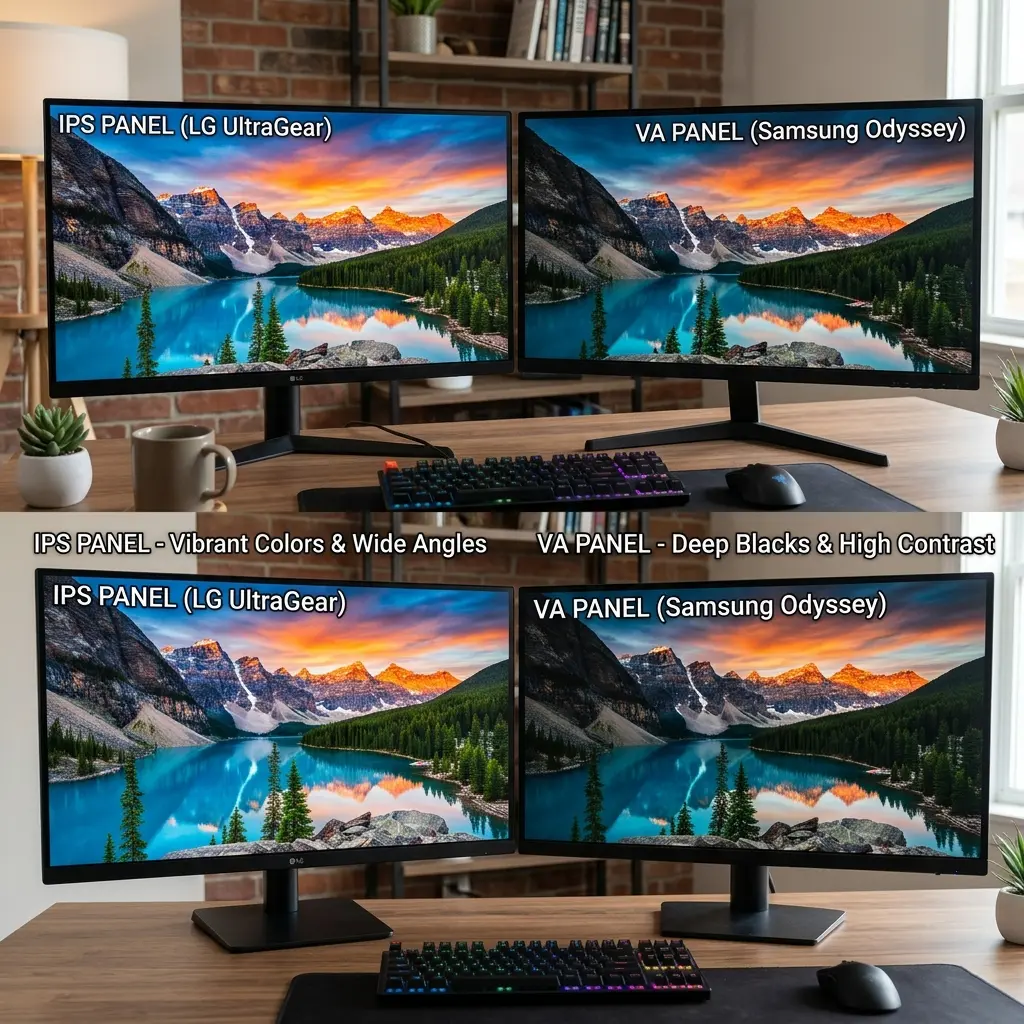
Color accuracy is crucial in evaluating HDR monitors, as it directly affects the visual experience and the effectiveness of color-sensitive tasks such as photo editing and graphic design.
Many HDR monitors come factory-calibrated, but the calibration may not always meet the standards required by professionals. Users should consider utilizing calibration tools to adjust settings for optimal performance.
Regular calibration ensures that the monitor can display colors as intended, which is particularly important when working with HDR content that relies on precise color reproduction.
For those who prioritize color accuracy, it's recommended to choose monitors that support wide color gamuts, such as DCI-P3 or AdobeRGB, as these standards offer a broader range of colors compared to sRGB.
HDR Formats and Compatibility
There are several HDR formats available, including HDR10, HDR10+, Dolby Vision, and HLG, each with different features and compatibility requirements.
HDR10 is the most widely supported format, but it lacks dynamic metadata, which means it cannot adjust brightness levels on a scene-by-scene basis like Dolby Vision can.
Understanding the differences between these formats is essential for consumers, especially when selecting content that utilizes HDR, as not all monitors can support every HDR format.
When investing in an HDR monitor, users should check for compatibility with their preferred HDR formats to ensure they can fully utilize the capabilities of the monitor.
Impact on Gaming Experience
The impact of HDR on gaming is significant, as it enhances visual immersion through improved contrast and color depth, making games more visually stunning.
Gaming monitors that support HDR often feature higher refresh rates and lower input lag, which are crucial for competitive gaming, alongside HDR enhancement.
However, not all games support HDR, and performance can vary depending on the game's optimization and the system's hardware capabilities.
Users should consider both the hardware and game compatibility when evaluating the potential benefits of HDR in their gaming experience.
Energy Efficiency and Power Consumption
HDR monitors can have varying power consumption levels, influenced by their brightness capabilities and display technologies like OLED versus LED.
Higher brightness levels often increase power consumption, which may be a concern for users looking to minimize energy costs while maintaining high-quality visuals.
Some manufacturers are focusing on energy-efficient designs that provide excellent HDR performance without excessive power usage, making them more sustainable options.
When selecting an HDR monitor, consumers should review energy ratings and consider the long-term costs associated with power consumption alongside performance features.
Future Trends in HDR Technology
The future of HDR technology is likely to evolve with advancements in display technologies and increased content availability.
Emerging technologies such as mini-LED and micro-LED displays promise improved HDR performance with better brightness control and contrast ratios.
Moreover, as streaming services continue to adopt HDR content, the demand for monitors that can deliver high-quality HDR experiences is expected to increase.
Staying informed about upcoming trends can help consumers make educated decisions about future purchases and upgrades in HDR technology.
User Experience and Reviews
User experiences and reviews play a vital role in assessing the real-world performance of HDR monitors, providing insights beyond technical specifications.
Online reviews often highlight issues such as blooming, uniformity, and color accuracy that may not be apparent in manufacturer data sheets.
Forums and community discussions can also offer valuable information on how well specific models perform in various scenarios, including gaming and content creation.
Consumers should consider these user experiences as part of their research to ensure they select a monitor that meets their expectations and needs.
Price Range and Budget Considerations
The price of HDR monitors varies widely based on features such as panel technology, size, and brand reputation, with options available for different budgets.
While entry-level HDR monitors can be relatively affordable, high-end models with superior performance and additional features can be significantly more expensive.
Budget-conscious consumers should weigh the features they need against the price, considering how much they are willing to invest for HDR quality.
It's essential to evaluate the cost-to-benefit ratio when selecting an HDR monitor, ensuring that the investment aligns with the intended use and expected longevity of the device.
Impact of HDR on Creative Workflows
HDR technology significantly enhances the visual fidelity of digital content, making it an invaluable tool for creative professionals.
For photographers and videographers, HDR allows for a broader range of colors and brightness levels, enabling more precise editing and color grading.
This capability ensures that the final output closely aligns with the artist's vision, leading to a more immersive experience for the audience.
Moreover, software applications that support HDR workflows are increasingly becoming standard in the industry, further integrating HDR into creative processes.
HDR in Streaming and Multimedia Consumption
With the rise of streaming services like Netflix and Amazon Prime, HDR content is becoming more widely available, enhancing the viewing experience.
Consumers can enjoy films and series in stunning detail, with richer colors and deeper contrasts that standard dynamic range cannot provide.
This trend has prompted more manufacturers to produce HDR-compatible monitors, catering to the growing demand for high-quality home entertainment systems.
As HDR content continues to proliferate, users will benefit from increased access to high-definition visuals across various platforms.
Challenges of Implementing HDR Technology
Despite its benefits, implementing HDR technology poses challenges for both manufacturers and consumers.
One significant hurdle is the inconsistency in HDR standards, which can lead to compatibility issues and varying performance between devices.
Additionally, the calibration of HDR displays can be complex, requiring technical knowledge to optimize the viewing experience adequately.
Furthermore, the production of HDR content often demands higher costs and resources, which can limit its availability in certain markets.
Comparative Analysis of HDR versus SDR
When comparing HDR to standard dynamic range (SDR), the differences in visual quality are striking and can greatly influence user experience.
HDR displays typically offer a more extensive color gamut and improved peak brightness, resulting in vibrant and lifelike images.
In contrast, SDR is limited in its ability to represent subtle color variations, making HDR a preferred choice for discerning users.
As HDR technology continues to evolve, it is likely that the gap between HDR and SDR will widen, further solidifying HDR's role in modern display technology.
Integration of HDR with Other Technologies
The integration of HDR with other display technologies, such as OLED and local dimming, enhances the overall viewing experience. OLED panels provide perfect black levels, which when combined with HDR, allow for outstanding contrast ratios that make images more lifelike.
Local dimming, often found in LED-LCD monitors, further improves HDR performance by dynamically adjusting backlight zones. This feature enables deeper blacks and brighter highlights, making HDR content appear more vibrant and immersive.
Moreover, advancements in display technologies, such as Quantum Dot and Mini LED, are paving the way for better HDR delivery. These innovations allow for more precise color reproduction and improved brightness levels, enhancing the HDR effect significantly.
The future of HDR will likely involve even tighter integration with emerging technologies, creating a more cohesive experience across various media formats. As these technologies evolve, users can expect an increasingly rich and dynamic visual environment.
Content Creation and HDR Workflows
For content creators, HDR has transformed the way visual media is produced and consumed. The higher dynamic range allows for greater detail in both shadows and highlights, which is crucial for video editing and photography.
Many professional editing software programs now support HDR workflows, enabling creators to take full advantage of the format. This includes tools for color grading and exposure adjustments that are specifically designed to optimize HDR content.
Collaboration between hardware manufacturers and software developers is essential for achieving the best results. Monitors that provide accurate HDR performance are critical for content creators to ensure that their work appears as intended across various platforms.
As HDR continues to gain traction, education and training in HDR techniques will become increasingly important for professionals in the creative industry. This shift will help ensure that future content meets the high standards expected by audiences.
Accessibility and HDR Adoption
The adoption of HDR technology is gradually increasing, but accessibility remains a concern for many consumers. The cost of HDR-capable monitors and compatible devices can be a barrier for some users, limiting the technology's reach.
Furthermore, not all content is available in HDR, which can lead to frustrations for users who invest in HDR-capable equipment. The streaming services and gaming platforms need to continue expanding their HDR offerings to justify consumer investments in this technology.
Education about HDR's benefits is also crucial for broader adoption. Many consumers may not fully understand the advantages of HDR over standard dynamic range, leading to hesitance in upgrading their display technology.
As more content becomes available and the costs of HDR technology decrease, it is likely that a wider audience will embrace HDR. This will lead to a more enriched viewing experience for consumers and a greater demand for HDR content creation.
Market Trends and Consumer Adoption
The adoption of HDR technology in monitors has been steadily increasing over the past few years. Consumers have become more aware of the benefits HDR provides, particularly in enhancing visual experiences across various media formats.
As manufacturers continue to innovate, the availability of HDR-compatible monitors has expanded significantly. This increase in product offerings allows consumers to choose from a wider range of models that fit their specific needs and budgets.
Market research indicates that HDR monitors are expected to capture a larger share of the overall monitor market. This growth can be attributed to the rising popularity of HDR content in gaming, streaming services, and professional applications.
Consumer feedback suggests that as more users experience the advantages of HDR, the demand for these monitors will likely continue to rise. The growing trend reflects a broader shift towards higher-quality visual experiences in everyday technology.
Technical Limitations and Considerations
Despite the advantages of HDR, there are technical limitations that consumers should be aware of. Not all HDR monitors are created equal; differences in peak brightness, color gamut, and local dimming capabilities can significantly affect performance.
Additionally, the implementation of HDR requires compatible hardware and software. Users must ensure their graphics cards and content sources support HDR to fully utilize the technology.
Calibration is another critical factor affecting HDR performance. Monitors may require specific settings adjustments to achieve optimal results, which can be a barrier for less tech-savvy users.
Finally, potential buyers should be mindful of the viewing environment. HDR content is best appreciated in dimly lit spaces, as ambient light can diminish the perceived benefits of high dynamic range visuals.
Frequently Asked Questions
What is HDR?
HDR stands for High Dynamic Range, a technology that increases the contrast and color range of images displayed on monitors.
Is HDR worth the investment?
The value of HDR depends on individual usage; for gamers and professionals, the benefits are often significant.
What do I need for HDR?
A compatible HDR monitor, suitable graphics card, and HDR-enabled content are necessary to experience HDR effectively.
What is the difference between HDR10 and Dolby Vision?
HDR10 is an open standard, while Dolby Vision is proprietary and offers dynamic metadata for scene-by-scene adjustments.
How do I enable HDR on my monitor?
Enabling HDR typically involves adjusting settings in the operating system and ensuring the correct display settings are configured.




