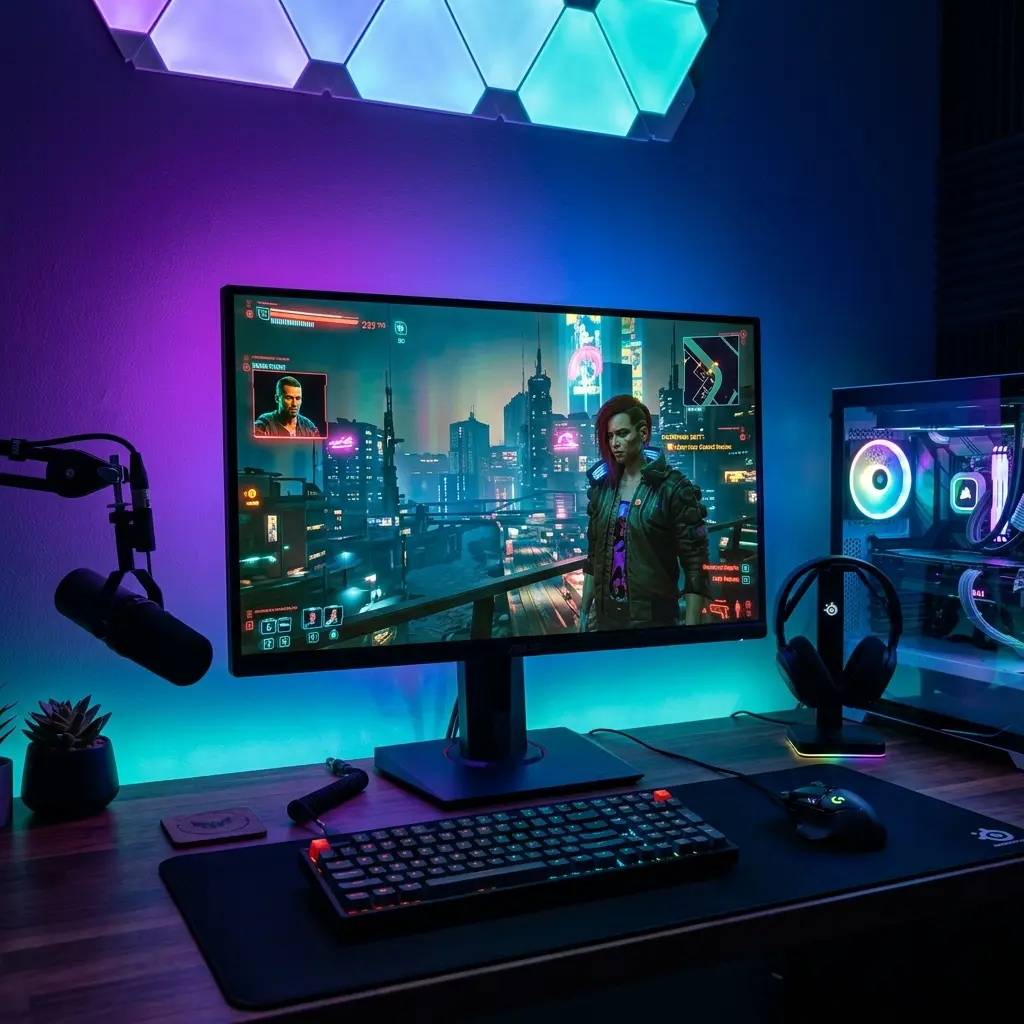
HDMI 2.1 significantly enhances monitor capabilities, offering higher resolutions and improved refresh rates.
Physical Aspects and Resolution
HDMI 2.1 supports resolutions up to 10K at 120Hz, allowing for ultra-high-definition visuals.
This capability is essential for gamers and professionals seeking clarity in detailed graphics.
Performance and Technology
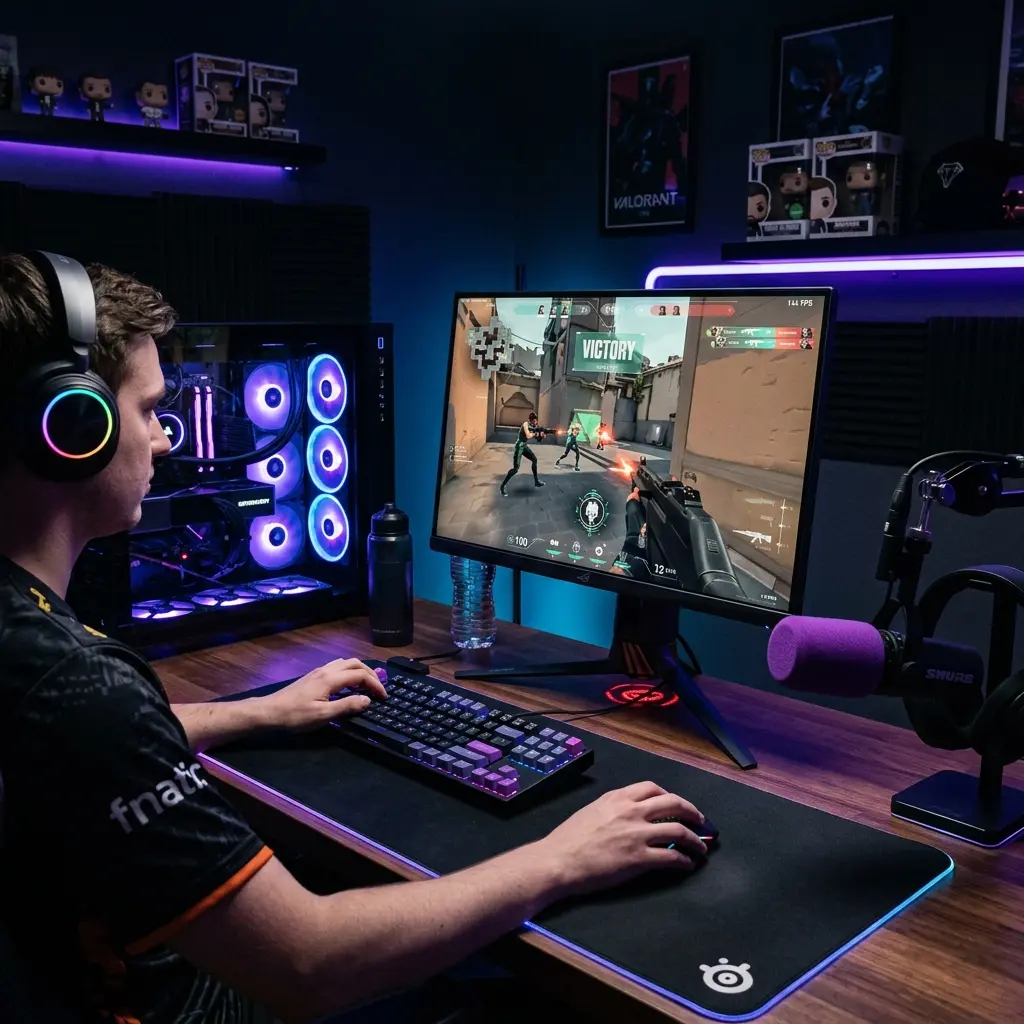
Variable Refresh Rate (VRR) and Auto Low Latency Mode (ALLM) are critical features of HDMI 2.1, reducing lag and stuttering.
These technologies improve the overall gaming experience by synchronizing frame rates with the graphics output.
Ergonomics and Visual Comfort
Monitors with HDMI 2.1 can deliver smoother motion handling, reducing eye strain during prolonged use.
Enhanced visual comfort is crucial for both gamers and professionals who spend long hours in front of screens.
| Feature | HDMI 2.0 | HDMI 2.1 |
|---|---|---|
| Max Resolution | 4K at 60Hz | 10K at 120Hz |
| Bandwidth | 18 Gbps | 48 Gbps |
| VRR Support | No | Yes |
| ALLM Support | No | Yes |
Materials and Durability
High-quality materials such as aluminum and reinforced plastics are essential for durability in HDMI 2.1 monitors.
These materials contribute to the longevity and sturdiness of the monitor, making them suitable for various environments.

DomineTec Tip: Choose monitors with adjustable stands to enhance ergonomic comfort and maintain correct posture.
Buying Recommendations and Brands
Brands like LG, Samsung, and ASUS are leading in offering HDMI 2.1 monitors with cutting-edge technology.
When selecting a monitor, consider features such as refresh rate, resolution, and connectivity options.

- Evaluate your primary use case (gaming, professional work, etc.).
- Check for HDMI 2.1 compatibility and supported resolutions.
- Look for additional features like G-Sync or FreeSync support.
- Consider screen size and ergonomic adjustability.
- Read reviews and compare brands for best performance.
Value Analysis and Verdict
Investing in HDMI 2.1 monitors can significantly enhance visual experiences, particularly for high-end gaming and creative work.
The advanced features justify the cost for users who demand superior performance and quality.
Compatibility and Future-Proofing
Understanding HDMI 2.1 compatibility is crucial for consumers looking to invest in new monitors. This version of HDMI supports a variety of advanced features, but not all devices will support these capabilities.
Many current devices may only support earlier HDMI versions, limiting the functionality of HDMI 2.1 features. It is essential to check the specifications of both the monitor and the connected devices to ensure full compatibility.
Future-proofing is another important consideration; investing in HDMI 2.1 technology now can help users avoid obsolescence in the rapidly evolving tech landscape. As more content becomes available in higher resolutions and refresh rates, having HDMI 2.1 will enable users to take full advantage of these advancements.
Ultimately, ensuring compatibility with existing devices while also preparing for future upgrades is a key aspect of making informed purchasing decisions regarding HDMI 2.1 monitors.
Gaming Features and Enhancements
HDMI 2.1 introduces several gaming-specific features that significantly enhance the gaming experience. Among these features is Variable Refresh Rate (VRR), which helps eliminate screen tearing by synchronizing the display's refresh rate with the frame rate of the game.
Another key feature is Auto Low Latency Mode (ALLM), which allows the monitor to automatically switch to a low-latency mode when a gaming console or PC is detected. This ensures the best performance during fast-paced gaming sessions.
Additionally, HDMI 2.1 supports higher frame rates, allowing for smoother gameplay and a more immersive experience. Monitors supporting HDMI 2.1 can deliver up to 120Hz at 4K resolution, making them ideal for next-generation gaming consoles.
These enhancements not only improve performance but also contribute to a more enjoyable gaming experience, making HDMI 2.1 a critical consideration for gamers.
Audio Return Channel (ARC) and Enhanced Audio Return Channel (eARC)
HDMI 2.1 includes improvements to the Audio Return Channel (ARC), allowing for a simplified audio setup. This feature enables audio from the TV to be sent back to a compatible soundbar or AV receiver without needing additional cables.
Enhanced Audio Return Channel (eARC) takes this a step further, supporting higher bandwidth audio formats such as Dolby Atmos and DTS:X. This results in superior sound quality, enhancing the overall viewing experience.
For users who prioritize audio quality, eARC is particularly beneficial as it allows for lossless audio transmission, which is essential for home theater setups. This makes HDMI 2.1 a compelling choice for audiophiles and home cinema enthusiasts.
Understanding these audio capabilities can help consumers choose monitors and accessories that align with their audio needs, thus optimizing their entertainment systems.
Impact on Content Creation and Professional Use
HDMI 2.1 is not just beneficial for gamers; it also has significant implications for content creators and professionals. Higher bandwidth allows for the transmission of 4K video at higher frame rates, which is crucial for video editing and production.
Many creative professionals rely on accurate color representation and high resolutions, and HDMI 2.1 supports features like HDR and expanded color gamuts. This ensures that creators can work with vivid and true-to-life colors.
Furthermore, the low latency features of HDMI 2.1 can enhance real-time collaboration, making it easier for teams to work together on projects without noticeable delays. This is particularly useful in fields such as live broadcasting and virtual content creation.
As the demand for high-quality content continues to grow, HDMI 2.1's capabilities position it as a valuable tool for professionals across various industries.
Understanding Bandwidth and Data Transfer Rates
HDMI 2.1 significantly increases bandwidth capabilities, supporting data transfer rates of up to 48 Gbps. This increase is essential for handling higher resolutions and refresh rates, making it a game-changer for modern displays.
The higher bandwidth allows for the transmission of uncompressed 8K video at 60Hz and 4K video at 120Hz, ensuring seamless performance even with demanding content. Users can enjoy high-quality visuals without compression artifacts.
Understanding these data transfer rates is vital for users who want to maximize their viewing experience. Monitors that can fully utilize this bandwidth will provide superior performance for both entertainment and professional applications.
As technology continues to evolve, recognizing the importance of bandwidth in HDMI 2.1 will be critical for consumers making informed choices about their display technologies.
Integration with Smart Home Systems
HDMI 2.1 technology plays a vital role in integrating monitors with smart home systems. The enhanced features of HDMI 2.1 allow for smoother connections between various devices, creating a more cohesive smart home experience.
For instance, the ability to support multiple devices over a single connection simplifies the management of smart home setups. Users can connect their gaming consoles, streaming devices, and home theaters without dealing with a tangle of cables.
Moreover, HDMI 2.1’s ability to transmit high-quality audio and video signals ensures that users enjoy the best possible performance from their smart home entertainment systems. This can lead to a more enjoyable and streamlined user experience.
As smart home technologies continue to advance, the role of HDMI 2.1 in facilitating these integrations will become increasingly important, making it a worthwhile consideration for tech-savvy consumers.
Environmental Considerations and Energy Efficiency
As technology evolves, so does the focus on environmental considerations and energy efficiency. HDMI 2.1 monitors offer features that contribute to energy savings, which is an essential factor for environmentally conscious consumers.
Many HDMI 2.1 devices support automatic power-saving features, such as turning off during inactivity or reducing power consumption when not in use. These functionalities can significantly lower energy costs over time.
Additionally, the capability to transmit high-quality signals over a single cable reduces the need for multiple connections, which can also contribute to energy efficiency. Fewer cables mean less material waste and a lower carbon footprint.
As awareness of environmental issues grows, consumers are increasingly seeking products that align with their values, making energy efficiency an important consideration when evaluating HDMI 2.1 monitors.
Advanced Color Spaces and HDR Support
HDMI 2.1 introduces support for a wider range of color spaces, significantly enhancing color accuracy and vibrancy in monitors.
This includes support for HDR formats such as HDR10+, Dolby Vision, and HLG, which allow for dynamic metadata adjustments for improved picture quality.
As a result, content creators and gamers can experience more lifelike visuals, with deeper blacks and brighter highlights that are true to the original source material.
These advancements make HDMI 2.1 essential for those looking to fully utilize modern displays and high-quality media content.
Variable Refresh Rate (VRR) and Its Implications
Variable Refresh Rate (VRR) is a key feature of HDMI 2.1 that synchronizes the display's refresh rate with the frame rate output of the source device.
This technology reduces screen tearing and stuttering, delivering a smoother gaming experience, particularly in fast-paced titles.
Moreover, VRR is beneficial for professional applications, allowing for more fluid motion during video editing or graphic design tasks.
As a result, the implementation of VRR through HDMI 2.1 can enhance both recreational and professional visual experiences.
Dynamic HDR and Its Future Potential
Dynamic HDR is a significant advancement in HDMI 2.1 that allows for scene-by-scene adjustments of HDR content, optimizing brightness and color dynamically.
This capability ensures that viewers experience the best possible visuals regardless of the content being displayed.
As more content becomes available in dynamic HDR formats, the relevance of HDMI 2.1 will continue to grow, making it a future-proof investment for consumers.
Ultimately, dynamic HDR represents a shift towards a more immersive viewing experience that can adapt to the needs of various content types.
Latency and Input Lag Considerations
Latency and input lag are critical factors for gamers and professionals who require real-time responsiveness from their displays. HDMI 2.1 significantly improves latency by supporting features such as Auto Low Latency Mode (ALLM), which automatically switches to the lowest latency mode available when a gaming console or PC is connected. This ensures that input commands are registered promptly, providing a smoother gaming experience.
Furthermore, HDMI 2.1 introduces the concept of Quick Frame Transport (QFT), which reduces the time it takes for a frame to travel from the source to the display. This is especially beneficial in fast-paced gaming scenarios, where every millisecond counts. By minimizing latency, HDMI 2.1 allows for more fluid gameplay and improved reaction times, giving competitive gamers an edge.
Another aspect of latency to consider is the overall processing time within the monitor itself. Manufacturers have begun to optimize their displays to take full advantage of HDMI 2.1's capabilities, resulting in lower input lag in many modern monitors. This trend is critical for both casual and professional users who demand accuracy and speed in their interactions.
In summary, HDMI 2.1's enhancements in latency management not only improve the gaming experience but also benefit any application where responsiveness is key. As more devices adopt this standard, users can expect to see significant reductions in input lag across a variety of applications.
Impact on Streaming and Content Consumption
The rise of streaming services and high-resolution content consumption has necessitated advancements in display technology, and HDMI 2.1 plays a pivotal role in this evolution. With support for higher resolutions and refresh rates, HDMI 2.1 enables seamless streaming of 4K and even 8K content without compromising quality. This is essential for viewers who demand the best visual experience from their monitors.
Additionally, HDMI 2.1 supports enhanced audio formats and dynamic HDR, which elevate the overall quality of streamed content. Users can enjoy richer colors and more vibrant visuals, allowing for a more immersive viewing experience. This is particularly relevant as more content creators and platforms transition to HDR formats, making HDMI 2.1 a vital component for future-proofing home entertainment systems.
Streaming gamers also benefit from HDMI 2.1's capabilities, as the combination of high frame rates and lower latency ensures that live broadcasts are both smooth and visually stunning. This is especially important for platforms that emphasize real-time interaction between streamers and their audiences. The ability to deliver high-quality content with minimal lag enhances engagement and viewer satisfaction.
In conclusion, HDMI 2.1 significantly impacts streaming and content consumption by providing the necessary bandwidth and features that cater to high-quality visuals and audio. As the demand for premium content continues to rise, HDMI 2.1 will become increasingly critical in delivering exceptional viewing experiences.
Networked Features and Connectivity Options
The HDMI 2.1 standard introduces several networked features that enhance the interconnectivity of devices. One of the key advancements is the support for HDMI Ethernet Channel (HEC), which enables high-speed internet connections over HDMI cables. This allows devices connected through HDMI to share an internet connection without the need for additional cables or network setups.
Additionally, HDMI 2.1 supports Audio Video Bridging (AVB), facilitating synchronized audio and video streams over a network. This is particularly beneficial for professional setups and home theaters where multiple devices need to communicate seamlessly. The integration of AVB can significantly reduce latency and improve overall performance.
Moreover, HDMI 2.1 supports enhanced CEC (Consumer Electronics Control) features, enabling users to control multiple devices with a single remote. This makes it easier to manage various components in a home entertainment system, simplifying the user experience. The enhanced CEC capabilities also allow for better automation of device functions, streamlining the process of switching between inputs or powering devices on and off.
The inclusion of these networked features positions HDMI 2.1 as a versatile option for both casual users and professionals. As more devices become interconnected, the ability to share data and control functionalities over HDMI will likely become increasingly valuable.
Impact on Virtual Reality and Augmented Reality
HDMI 2.1 plays a crucial role in the development and performance of virtual reality (VR) and augmented reality (AR) technologies. With its high bandwidth capabilities, HDMI 2.1 can support the high resolutions and refresh rates required for immersive experiences. This is essential for reducing motion blur and ensuring smooth visuals, which are critical in VR environments.
The standard's support for Variable Refresh Rate (VRR) further enhances the performance of VR and AR applications. By synchronizing the display's refresh rate with the frame output of the graphics card, HDMI 2.1 minimizes screen tearing and stuttering. This results in a more fluid and engaging user experience, essential for applications that rely on real-time interactions.
Another significant aspect of HDMI 2.1 is its capability to transmit high dynamic range (HDR) content, which is vital for creating realistic and immersive environments in VR and AR. The enhanced color depth and contrast provided by HDR can significantly improve the visual fidelity of virtual worlds, making them more lifelike and engaging.
As VR and AR technologies continue to evolve, HDMI 2.1's advanced features will likely be instrumental in pushing the boundaries of what's possible in these fields. The standard's ability to handle high data transfer rates and support advanced visual technologies positions it as a key player in the future of immersive experiences.
Frequently Asked Questions
What devices support HDMI 2.1?
Most recent gaming consoles, high-end graphics cards, and select TVs support HDMI 2.1.
Is HDMI 2.1 backward compatible?
Yes, HDMI 2.1 ports are backward compatible with HDMI 2.0 and earlier devices.
Can HDMI 2.1 improve gaming performance?
Yes, features like VRR and ALLM significantly enhance gaming performance by reducing latency and tearing.
What is the bandwidth of HDMI 2.1?
HDMI 2.1 offers a bandwidth of up to 48 Gbps, allowing for higher resolutions and refresh rates.
Are HDMI 2.1 cables different from HDMI 2.0 cables?
Yes, HDMI 2.1 cables are designed to handle higher bandwidth and support the advanced features of the standard.




