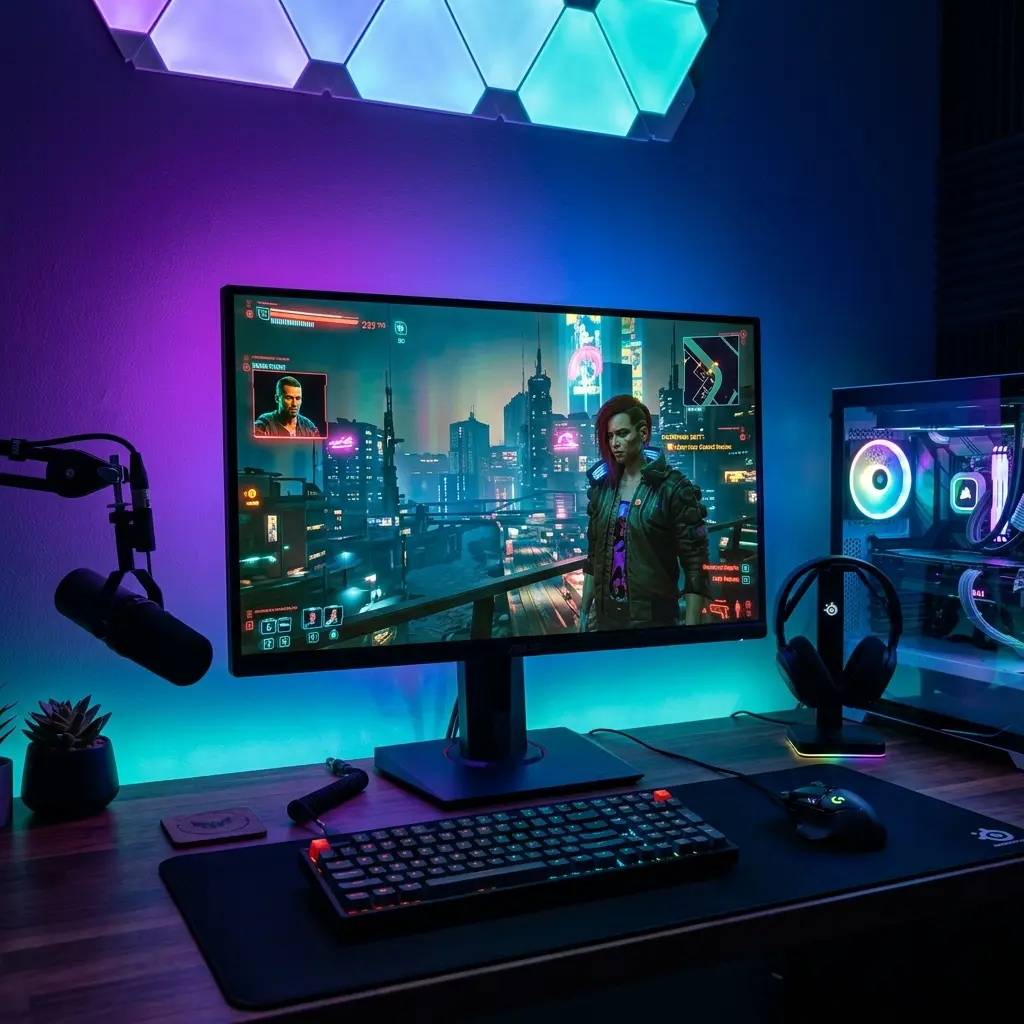
G-Sync is NVIDIA's adaptive sync technology designed to eliminate screen tearing and stuttering in gaming monitors.
Physical Aspects and Resolution
G-Sync technology is integrated into monitors that typically feature high refresh rates, ranging from 144Hz to 240Hz.
Supported resolutions vary from Full HD (1920x1080) to 4K (3840x2160), enhancing the overall visual experience.
Performance and Technology
G-Sync dynamically adjusts the monitor's refresh rate to match the GPU's output, ensuring smoother gameplay.
This technology significantly reduces input lag and improves response times, providing a competitive edge in fast-paced games.
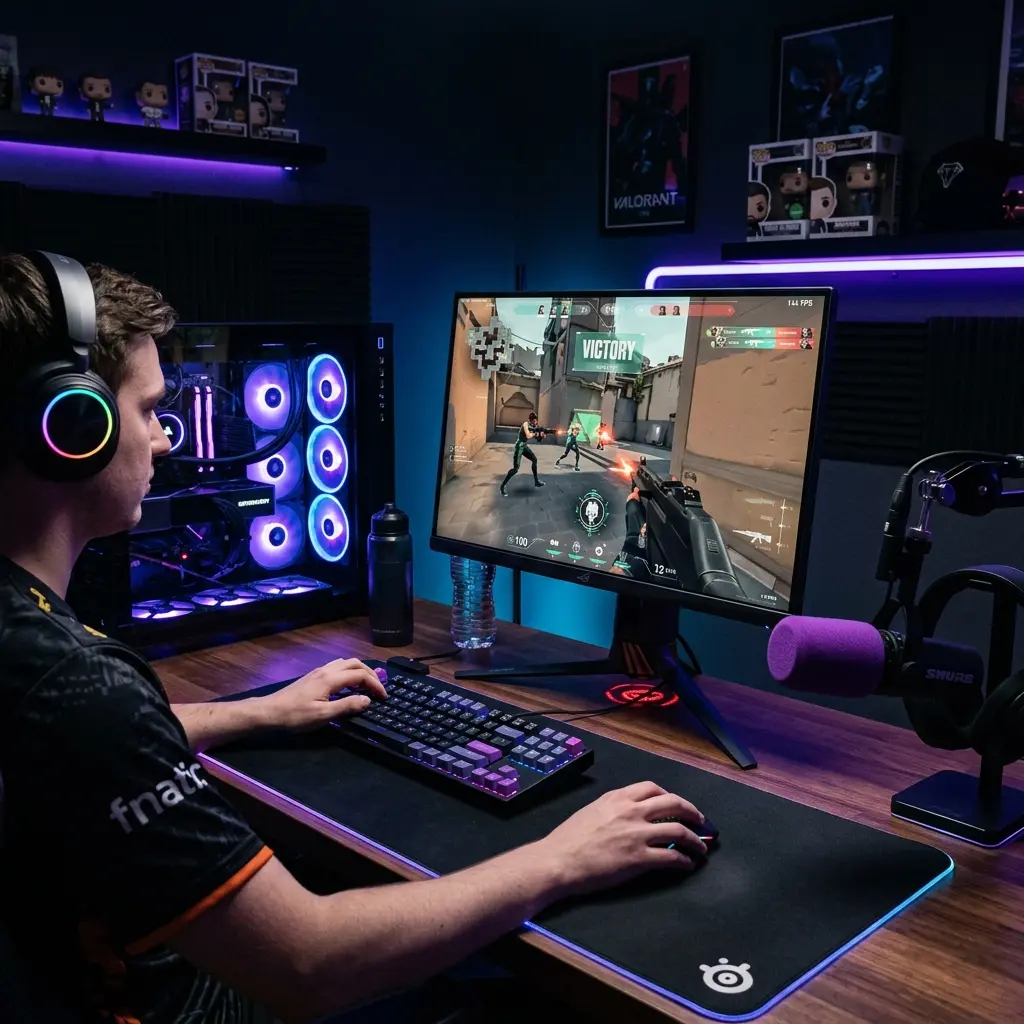
Ergonomics and Visual Comfort
Monitors with G-Sync often come with ergonomic features like height adjustment, tilt, and swivel options for improved viewing comfort.
These features help reduce eye strain during long gaming sessions, promoting a healthier posture.
| Features | G-Sync | FreeSync |
|---|---|---|
| Screen Tearing | Eliminated | Minimized |
| Input Lag | Low | Variable |
| Price Range | Higher | Lower |
| Compatibility | NVIDIA GPUs | AMD GPUs |
Materials and Durability
High-quality G-Sync monitors often utilize premium materials such as aluminum and reinforced plastics for durability.
These materials contribute to longevity, ensuring the monitor withstands the rigors of daily use in gaming environments.
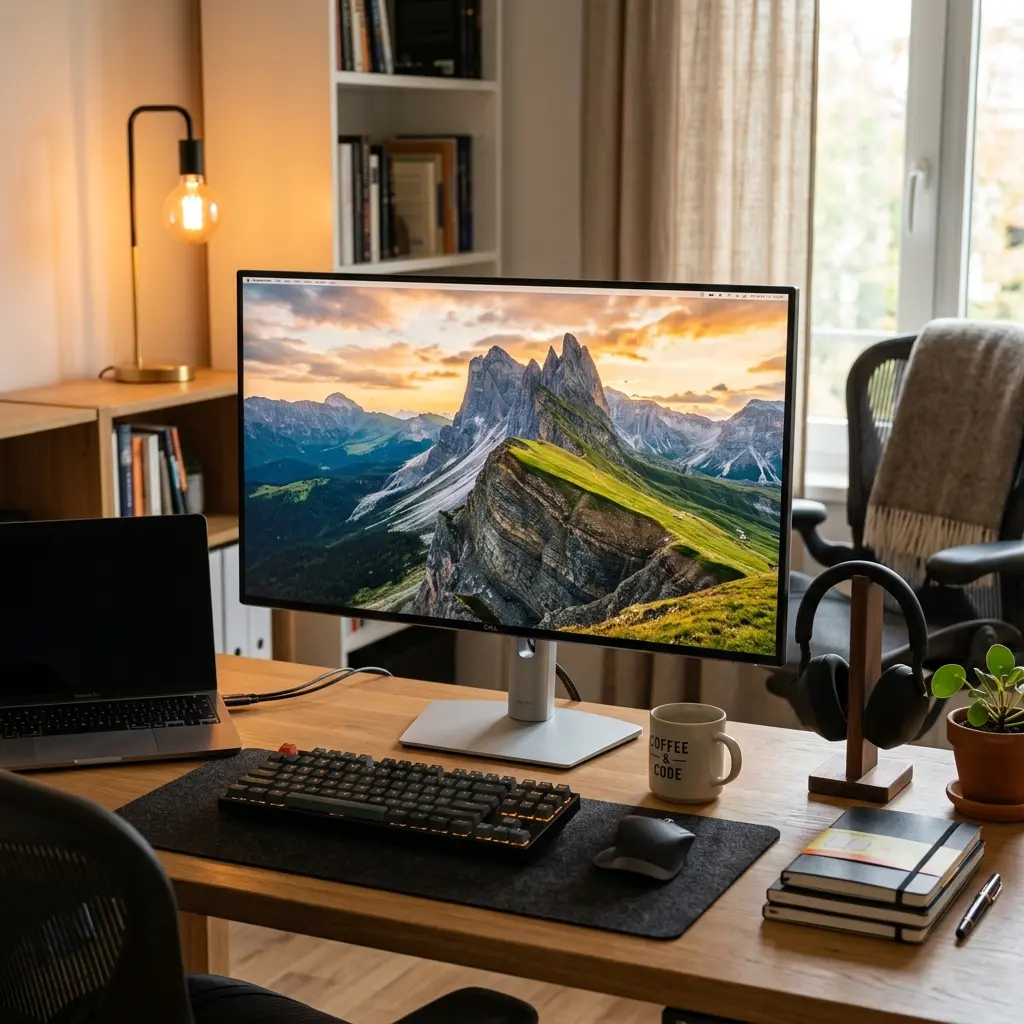
DomineTec Tip: Consider adjusting the monitor's height and angle to align with eye level for optimal comfort and reduced glare.
Buying Recommendations and Brands
Leading brands producing G-Sync monitors include ASUS, Acer, and Dell, known for high performance and reliability.
Model comparisons should focus on refresh rates, response times, and aspect ratios to ensure the best fit for gaming needs.

- Determine the desired resolution (e.g., 1080p, 1440p, 4K).
- Evaluate refresh rates (144Hz or higher is ideal for competitive gaming).
- Check compatibility with NVIDIA GPUs.
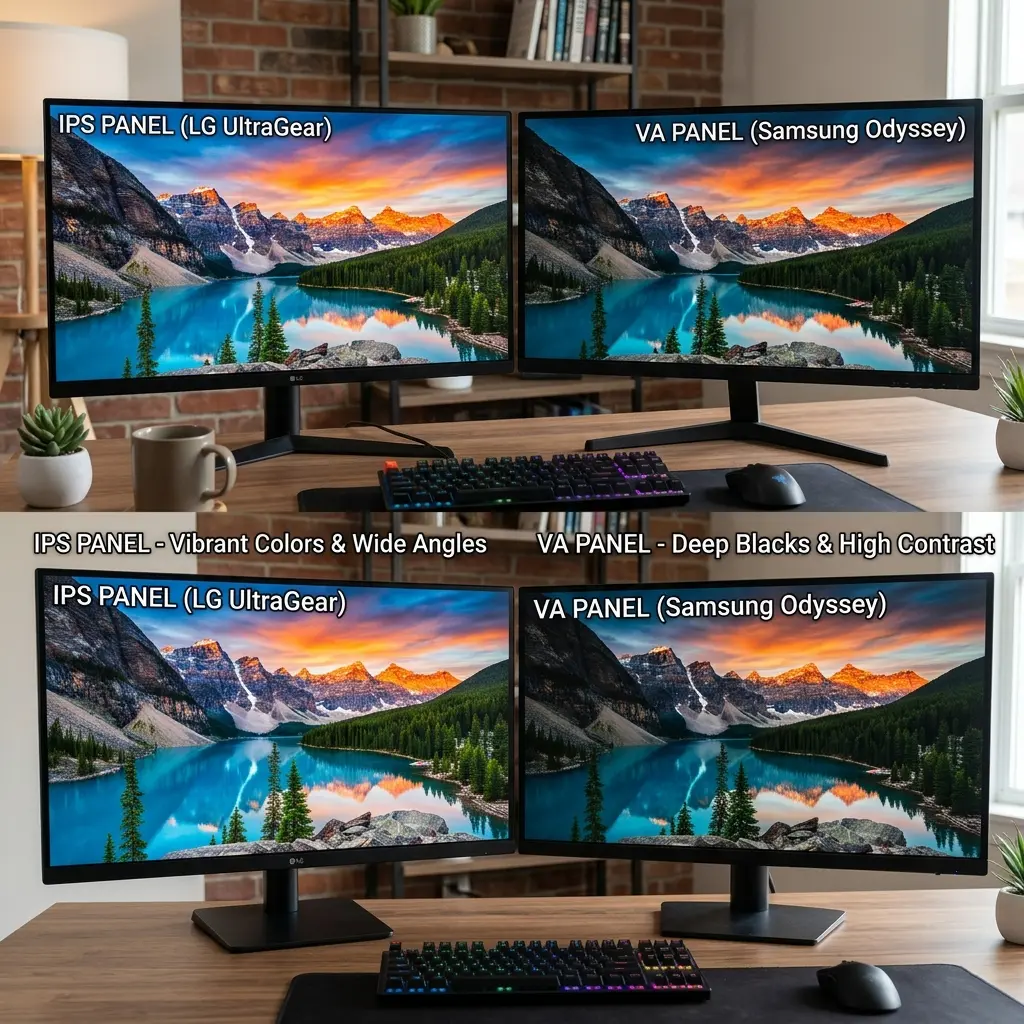
- Consider additional features like HDR and IPS panels for improved color accuracy.
- Compare prices across retailers for the best deal.
Value Analysis and Verdict
Investing in a G-Sync monitor can significantly enhance gameplay by providing smoother visuals and reduced latency.
The overall performance justifies the higher price point, especially for avid gamers seeking a competitive advantage.
Future Developments in G-Sync Technology
As gaming technology evolves, G-Sync is expected to undergo significant advancements. NVIDIA continuously works on improving the synchronization process to further enhance gaming experiences.
Future iterations may focus on reducing latency even further, making the gaming experience more seamless and responsive. Innovations in display technology, such as OLED and mini-LED, will likely play a role in these developments.
Additionally, the integration of artificial intelligence could lead to smarter frame delivery, optimizing performance based on real-time analysis of the game's graphics load. This could ensure that high frame rates are maintained without compromising visual fidelity.
Ultimately, the future of G-Sync looks promising, with ongoing research and development poised to introduce features that could redefine how gamers interact with their displays.
G-Sync vs. FreeSync: A Comparative Analysis
Understanding the differences between G-Sync and FreeSync is crucial for consumers. While both technologies aim to eliminate screen tearing, they utilize different methodologies and hardware requirements.
G-Sync relies on proprietary modules developed by NVIDIA, which are integrated into the monitor. This often leads to a higher price point but guarantees a consistent performance across compatible devices.
On the other hand, FreeSync is an open standard developed by AMD. It allows manufacturers more freedom in creating displays, which can lead to a broader range of devices but may not guarantee the same level of performance consistency as G-Sync.
Ultimately, the choice between G-Sync and FreeSync often comes down to personal preference and specific gaming needs, as each technology offers unique advantages.
The Impact of G-Sync on Competitive Gaming
For competitive gamers, every millisecond counts. G-Sync technology plays a critical role in providing a competitive edge by ensuring smoother frame rates and reducing input lag.
With G-Sync, gamers can experience a more fluid gameplay experience, which can be crucial in fast-paced titles where reaction time is key. The technology helps maintain consistency in frame delivery, preventing distractions from screen tearing.
Moreover, the ability to play at variable refresh rates allows competitive players to push their hardware to the limit without compromising performance. This adaptability is essential during high-stakes gaming scenarios.
As esports continues to grow, the significance of G-Sync in providing a level playing field cannot be overstated, making it a valuable feature for serious gamers.
User Experiences and Community Feedback
User feedback plays an essential role in understanding the effectiveness of G-Sync technology. Many gamers report significant improvements in their gaming experience after switching to G-Sync monitors.
Commonly mentioned benefits include smoother gameplay, reduced screen tearing, and improved overall visual quality. Users frequently express satisfaction with how G-Sync enhances immersion in various game genres.
However, some users have also raised concerns about the price point associated with G-Sync monitors. The investment can be substantial, leading to discussions about whether the benefits justify the cost.
Community forums and reviews often provide valuable insights into real-world performance, helping potential buyers make informed decisions based on collective experiences.
Integration with Gaming Consoles
As gaming consoles evolve, the integration of G-Sync technology has become increasingly relevant. Many modern consoles support variable refresh rates, making G-Sync-compatible monitors a suitable choice for console gamers.
This integration allows console users to enjoy smoother gameplay without screen tearing, significantly enhancing the gaming experience. Gamers can benefit from reduced input lag, a factor often overlooked but crucial for competitive gaming.
Additionally, the use of G-Sync on consoles can lead to better graphical performance, as it allows the console to adapt the refresh rate to match the game's frame rate. This is particularly beneficial in graphically intensive titles.
As console gaming continues to expand, the relevance of G-Sync technology is likely to grow, appealing to a broader audience seeking high-quality gaming experiences.
G-Sync and Gaming Genres
The impact of G-Sync technology varies across different gaming genres. Action-packed games, such as first-person shooters, benefit immensely from G-Sync due to the need for rapid response and fluid visuals.
In contrast, slower-paced genres like turn-based strategy games may not rely as heavily on G-Sync, but players still appreciate the enhanced visual quality and absence of screen tearing.
Racing games also see significant improvements with G-Sync, as the technology helps maintain consistent frame rates during high-speed action, ensuring an immersive experience.
Ultimately, G-Sync's versatility across genres makes it a valuable addition for gamers, regardless of their preferred style of play.
Power Consumption and Efficiency
One aspect often overlooked in discussions about G-Sync technology is its impact on power consumption. G-Sync monitors can be more energy-efficient compared to traditional displays, particularly when operating at variable refresh rates.
This efficiency stems from the monitor's ability to adjust its refresh rate dynamically, reducing power consumption during less demanding scenes. This feature is not only beneficial for the environment but can also lead to lower electricity bills over time.
As more consumers become environmentally conscious, the energy efficiency of G-Sync monitors may influence purchasing decisions. Gamers are increasingly looking for ways to reduce their carbon footprint while enjoying high-performance gaming.
In conclusion, the power efficiency of G-Sync technology is an important consideration that adds to its appeal in the gaming monitor market.
Advanced G-Sync Features and Customization
Modern G-Sync monitors often come equipped with advanced features that enhance the gaming experience beyond basic variable refresh rates. These features include G-Sync Ultimate, which offers support for HDR (High Dynamic Range) content, allowing for more vibrant colors and deeper contrast ratios.
Additionally, users can customize settings such as response time and refresh rate through their monitor's on-screen display. This level of customization ensures that gamers can tailor their monitors to match their unique preferences and gaming styles.
Some G-Sync monitors also incorporate additional technologies like ULMB (Ultra Low Motion Blur) to further improve visual clarity during fast-paced gaming sequences. This combination of features allows for a highly optimized gaming experience, reducing motion blur without sacrificing refresh rates.
Moreover, software tools like NVIDIA Control Panel enable gamers to fine-tune G-Sync settings in conjunction with their graphics cards, providing an integrated approach to achieving the best performance possible.
Compatibility and System Requirements
While G-Sync offers significant advantages, its compatibility is contingent upon specific system requirements. To fully utilize G-Sync technology, users need a compatible NVIDIA graphics card that supports the feature, typically those from the GeForce GTX 600 series or newer.
The connection method also plays a crucial role; G-Sync requires DisplayPort to function optimally, although some newer HDMI standards may offer similar capabilities. Ensuring the right cables and ports are used is essential for maximizing the benefits of G-Sync.
Moreover, users should consider their overall system performance, as G-Sync works best in tandem with high-performance components. A powerful GPU not only enhances the gaming experience but also helps to maintain stable frame rates, which is critical for G-Sync's effectiveness.
Finally, keeping drivers up-to-date is vital for maintaining compatibility and performance, as NVIDIA regularly releases updates that improve G-Sync functionality and address potential issues.
The Role of G-Sync in Content Creation and Multimedia
G-Sync technology is not limited to gaming; it also benefits content creators and multimedia professionals. The improved frame synchronization can enhance video editing and animation workflows by providing smoother playback and more accurate visual representation.
Creative professionals often require monitors that can handle a wide range of color profiles and refresh rates, and G-Sync monitors typically meet these demands. This makes them suitable for tasks that require precision, such as color grading and detailed graphic design.
Furthermore, G-Sync's ability to reduce screen tearing and stuttering leads to a more enjoyable viewing experience when consuming multimedia content. This is particularly relevant for users who frequently watch high-definition videos or engage in streaming activities.
As such, G-Sync monitors can serve dual purposes, catering to both gamers and content creators, making them a versatile choice in today's digital landscape.
G-Sync in the Context of Emerging Gaming Technologies
The landscape of gaming technology is continually evolving, and G-Sync is adapting to new trends. One such trend involves the integration of cloud gaming services, where high refresh rates and low latency are critical for optimal performance.
Incorporating G-Sync into these services can enhance the user experience by mitigating issues like lag and visual artifacts, ensuring that even users with varying internet speeds can enjoy smooth gameplay. This adaptability positions G-Sync as a vital technology in the future of gaming.
Moreover, with the rise of virtual reality (VR) and augmented reality (AR) gaming, G-Sync’s capabilities are becoming increasingly relevant. The need for high refresh rates and responsive visuals is paramount in these immersive environments, making G-Sync a key component in delivering lifelike experiences.
As gaming hardware and software continue to advance, G-Sync will likely evolve to incorporate even more features that address the demands of future gaming technologies, ensuring its relevance in an ever-changing industry.
Impact of G-Sync on Gaming Experience
The implementation of G-Sync technology significantly enhances the gaming experience by minimizing visual artifacts. Gamers often encounter screen tearing and stuttering, which can detract from immersion and gameplay fluidity.
With G-Sync, monitors dynamically adjust their refresh rates to match the frame rates output by the graphics card. This synchronization leads to smoother gameplay, as the display eliminates tearing and reduces input lag, resulting in a more responsive experience.
Furthermore, G-Sync supports a wider range of frame rates, including low frame rates, which can be particularly beneficial in scenarios where games drop below the monitor's native refresh rate. This feature ensures that gameplay remains consistent and enjoyable across various gaming conditions.
The overall impact of G-Sync extends beyond mere visuals; it also influences player performance. Enhanced visual fluidity allows gamers to react more quickly to in-game events, which is crucial in fast-paced genres like first-person shooters and competitive multiplayer games.
Considerations for G-Sync Implementation
When considering the integration of G-Sync technology, several factors must be taken into account. Firstly, the cost associated with G-Sync monitors is generally higher compared to non-G-Sync alternatives. This price difference can influence consumer purchasing decisions.
Additionally, the hardware requirements for optimal performance with G-Sync need to be evaluated. A compatible NVIDIA graphics card is essential to leverage G-Sync capabilities fully, which may necessitate upgrades for some gamers.
Moreover, the benefits of G-Sync are most pronounced in titles that demand high frame rates. Therefore, gamers should assess their preferred genres and gaming habits to determine if the investment in G-Sync technology aligns with their needs.
Lastly, as the gaming landscape continues to evolve, potential buyers should keep an eye on future advancements in G-Sync technology. Emerging features and updates may enhance performance and compatibility, making G-Sync a worthwhile investment for both current and future gaming setups.
G-Sync and Latency: Understanding the Connection
Latency is a critical factor in gaming, impacting the responsiveness of actions in real-time scenarios. G-Sync technology plays a vital role in minimizing latency by synchronizing the refresh rate of the monitor with the frame rate output of the graphics card.
When a game produces frames at varying rates, traditional monitors may struggle to keep up, leading to increased input lag. G-Sync reduces this lag by ensuring that frames are displayed as soon as they are rendered, resulting in a smoother and more responsive gaming experience.
Moreover, G-Sync's dynamic refresh rate feature allows for seamless transitions between frame rates, which is particularly beneficial in fast-paced games where rapid movements occur. This capability not only enhances performance but also improves player control and precision during gameplay.
Overall, understanding the relationship between G-Sync and latency is crucial for gamers seeking to optimize their performance. A lower latency environment facilitated by G-Sync can provide a competitive edge, ultimately influencing the outcome of gaming sessions.
G-Sync and the Evolving Landscape of Gaming Hardware
The rise of G-Sync coincides with significant advancements in gaming hardware, particularly graphics cards and gaming monitors. As game developers push the boundaries of graphics fidelity, the demand for technologies like G-Sync continues to grow.
Modern GPUs are increasingly capable of rendering high frame rates, and G-Sync ensures that these frames are displayed without tearing or stuttering. This synergy between hardware and technology enhances the overall gaming experience, allowing players to fully enjoy the visual quality of their games.




