What is G-Sync Compatible and How to Use FreeSync with Nvidia?
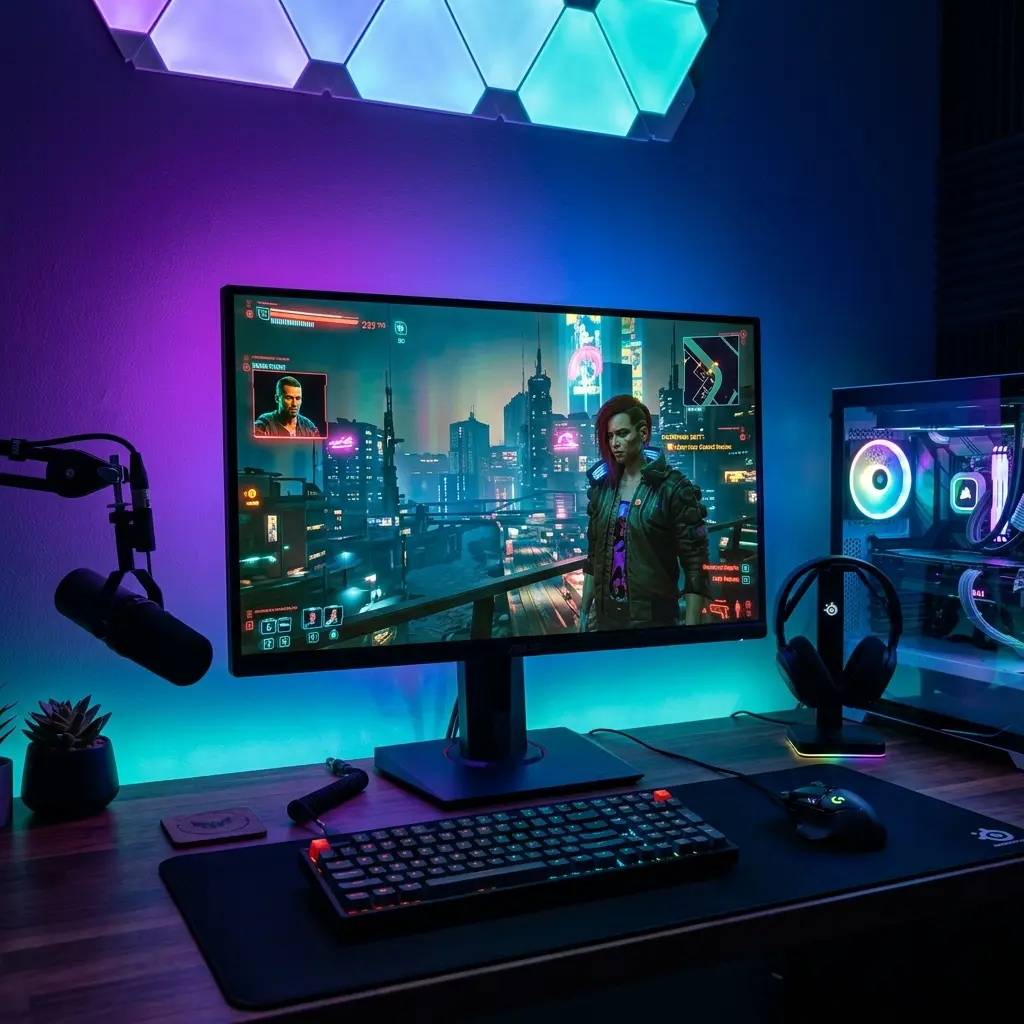
G-Sync Compatible refers to monitors that support Nvidia's adaptive sync technology, enabling smoother gameplay with FreeSync displays.
Physical Aspects and Resolution
G-Sync Compatible monitors typically feature a minimum resolution of 1080p, with many models supporting higher resolutions like 1440p or 4K.
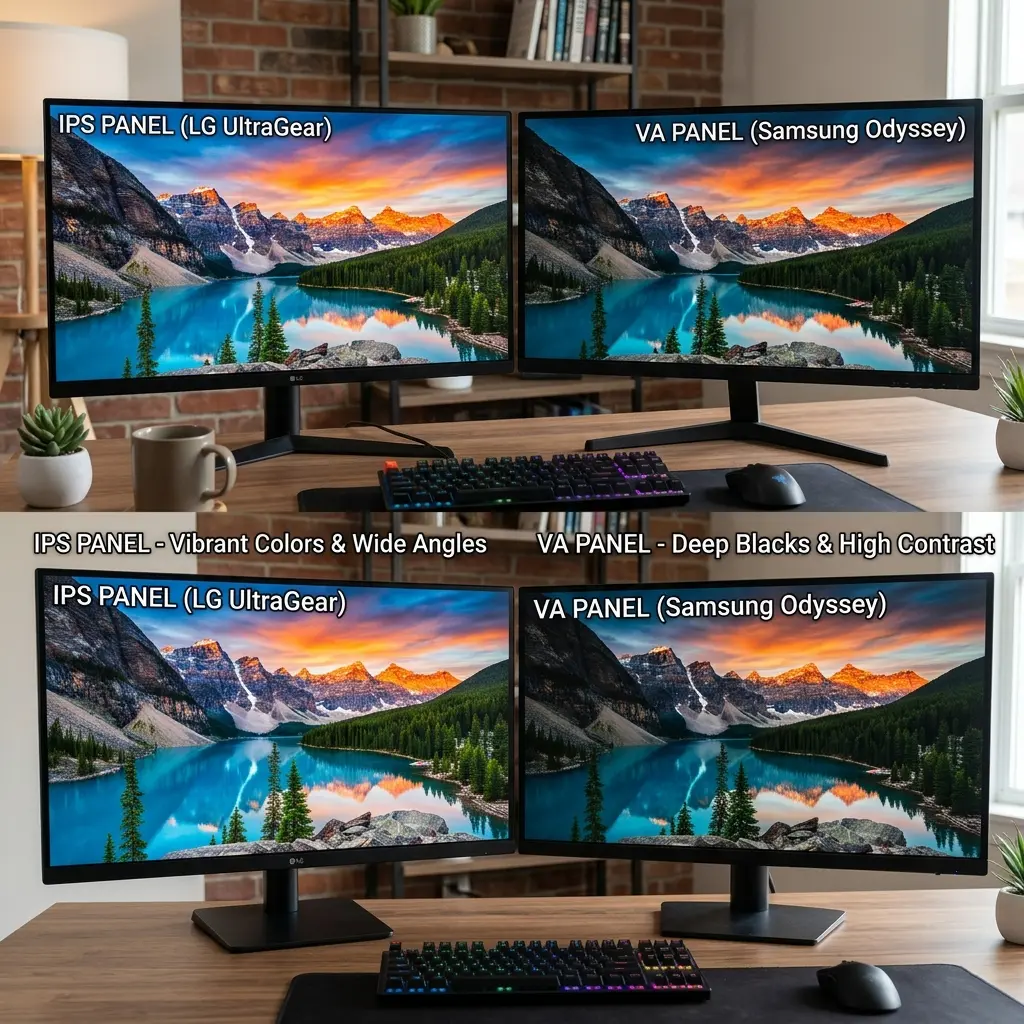
These displays often come in various panel technologies, including IPS, TN, and VA, impacting color accuracy and viewing angles.
Performance and Technology
Performance in G-Sync Compatible monitors is characterized by reduced screen tearing and stuttering, enhancing the overall gaming experience.
Nvidia's G-Sync technology synchronizes the refresh rate of the display with the GPU's frame rate, optimizing visual performance.
Ergonomics and Visual Comfort
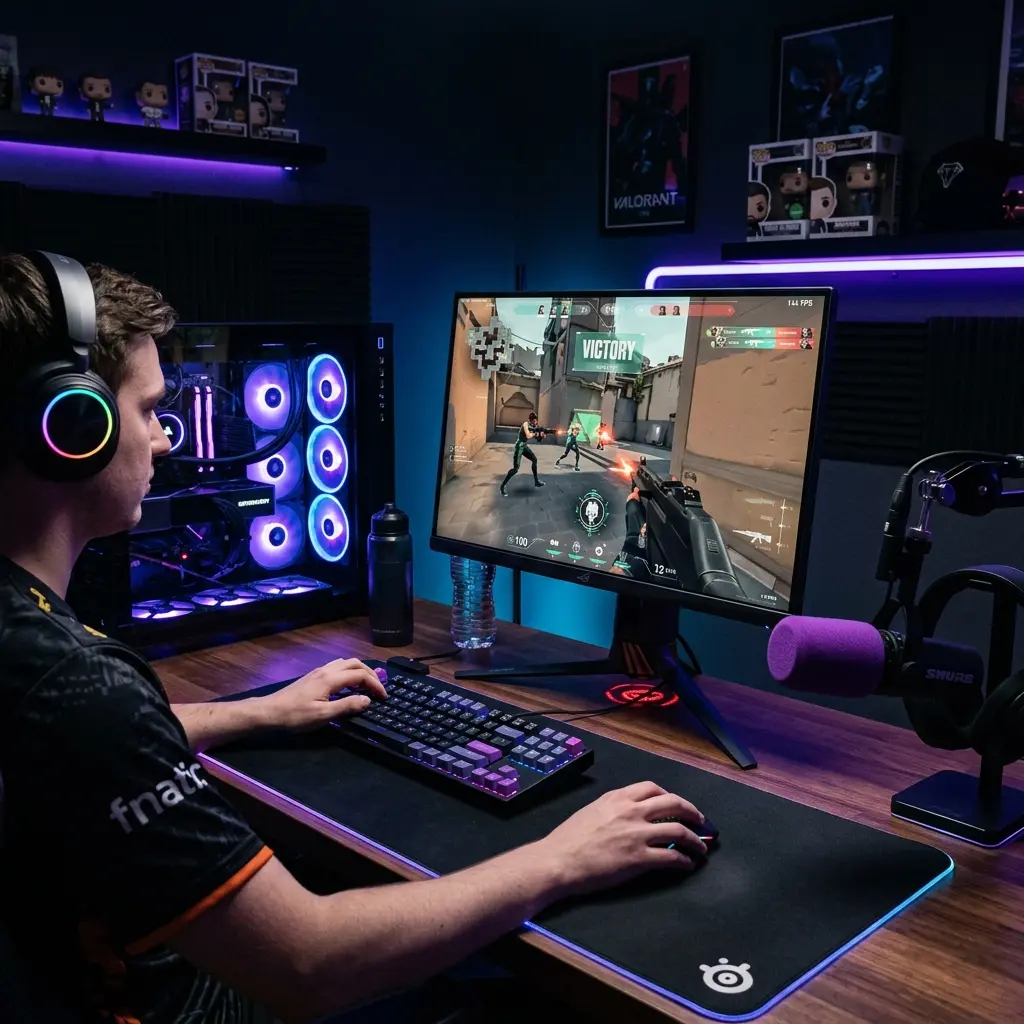
Ergonomics in gaming monitors can significantly affect long-term comfort, with adjustable stands allowing for height and tilt modifications.
Visual comfort is enhanced by features like flicker-free technology and low blue light settings, reducing eye strain during extended use.
| Feature | G-Sync | FreeSync | G-Sync Compatible |
|---|---|---|---|
| Price Range | Higher | Lower | Mid |
| Compatibility | Nvidia GPUs | AMD GPUs | Nvidia GPUs (limited) |
| Screen Tearing Reduction | Excellent | Good | Good |
| Refresh Rate | Up to 240Hz | Up to 240Hz | Up to 144Hz |
Materials and Durability
Monitors designed for gaming often utilize robust materials such as metal and high-quality plastics to ensure durability and longevity.
Glass panels are commonly used to enhance clarity, though they may add weight and require careful handling.
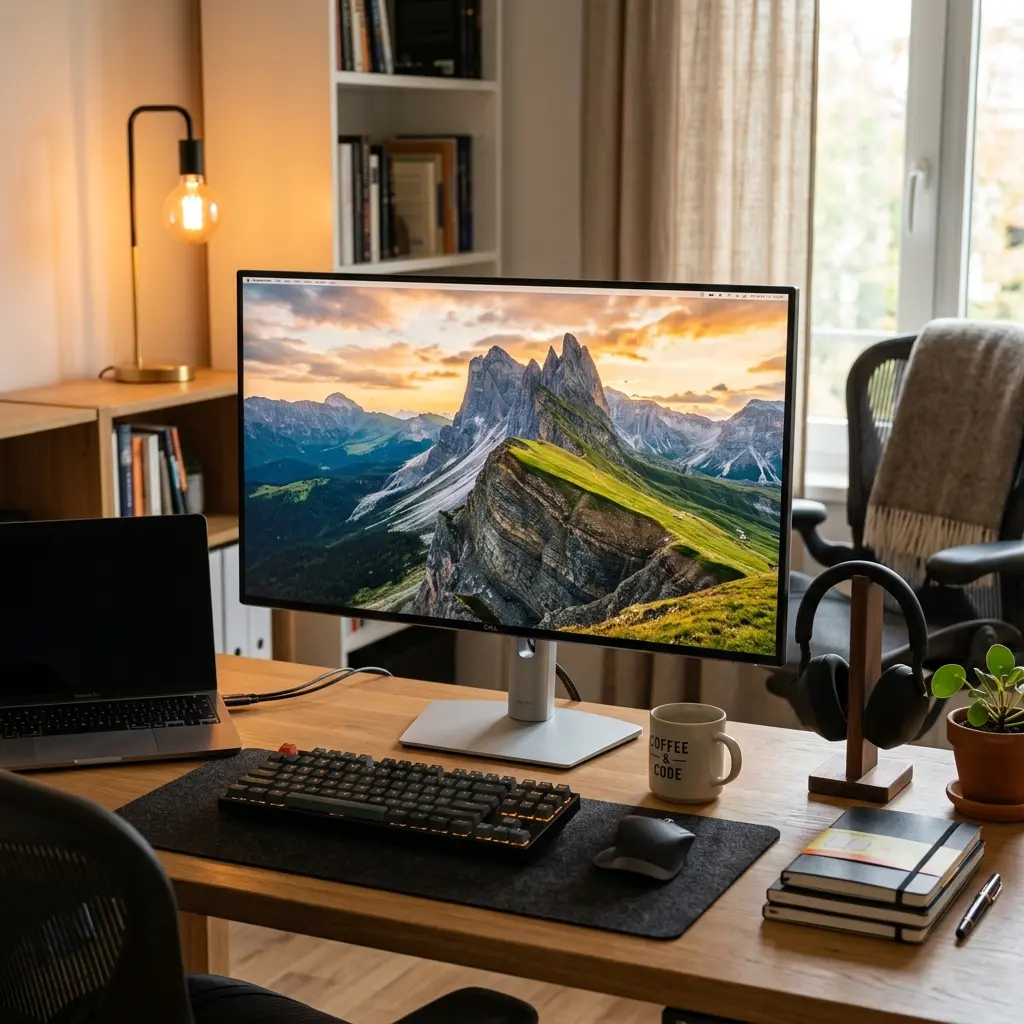
DomineTec Tip: Ensure the monitor has an adjustable stand to optimize viewing angles and reduce neck strain during long sessions.
Buying Recommendations and Brands
Leading brands like ASUS, Acer, and Dell offer a variety of G-Sync Compatible monitors, catering to different budgets and preferences.
When selecting a monitor, consider specifications such as refresh rates, panel types, and additional features like HDR support.
- Determine the desired resolution (1080p, 1440p, 4K).
- Choose a refresh rate that suits gaming needs (minimum 144Hz recommended).
- Look for features like low input lag and fast response times.
- Confirm G-Sync compatibility with Nvidia GPUs.
- Read user reviews for real-world performance insights.
Value Analysis and Verdict
G-Sync Compatible monitors offer a balance between performance and price, making them an attractive option for gamers using Nvidia graphics cards.
Investing in a quality display enhances the overall gaming experience, providing smoother visuals and improved gameplay.
Compatibility and System Requirements
To utilize G-Sync Compatible displays with Nvidia graphics cards, specific compatibility requirements must be met. The monitor must support Adaptive-Sync technology, while the GPU needs to be a GeForce GTX 10 series or newer.
Additionally, the display should have a refresh rate that can dynamically adjust within the range supported by G-Sync. This means that both the graphics card and monitor must work in tandem to achieve optimal performance.
To check if a monitor is G-Sync Compatible, users can refer to Nvidia's official list of certified displays. This ensures that the monitor has undergone rigorous testing to meet the standards set by Nvidia.
Furthermore, users should ensure that they have the latest drivers installed for their Nvidia graphics card to ensure seamless compatibility with FreeSync technology.
Setting Up FreeSync on Nvidia Graphics Cards
Setting up FreeSync on an Nvidia graphics card involves several steps to ensure proper functionality. After connecting the monitor, users must access the Nvidia Control Panel to enable G-Sync.
In the Control Panel, users should navigate to the 'Set up G-Sync' section and select the appropriate monitor. This is crucial, as the settings will only apply to the selected display.
Once G-Sync is enabled, users must check the 'Enable G-Sync for fullscreen and windowed mode' option for optimal performance during gaming and regular use. This ensures that all applications can benefit from adaptive sync technology.
Lastly, users should verify the FreeSync settings on their monitor's OSD (On-Screen Display) menu to ensure it is activated. This final step is essential for achieving the best experience.
Impact on Gaming Experience
The integration of G-Sync Compatible technology significantly alters the gaming experience. It reduces screen tearing, which is a common issue in fast-paced games, leading to smoother visuals.
Moreover, it minimizes input lag, allowing for more responsive gameplay. Gamers can expect a more immersive experience with fluid animations and less distraction from visual artifacts.
With variable refresh rates, G-Sync Compatible monitors can adapt to changes in frame rates, which is particularly beneficial for games that experience fluctuations in performance.
Overall, the use of FreeSync with Nvidia graphics cards enhances the overall gaming experience by providing a more visually coherent and responsive environment.
Potential Issues and Troubleshooting
Despite the advantages of using FreeSync with Nvidia graphics cards, some users may encounter issues. Common problems include flickering, stuttering, or the G-Sync feature not functioning at all.
These issues can often be traced back to incorrect settings either in the Nvidia Control Panel or the monitor's OSD. Users should double-check all configurations to ensure both systems are set up correctly.
Another potential issue could arise from driver conflicts. Keeping the graphics drivers updated can resolve many compatibility problems that may occur with FreeSync functionality.
In cases where problems persist, consulting forums or contacting customer support for the monitor or GPU manufacturer can provide further assistance in troubleshooting specific issues.
Future of Adaptive Sync Technology
The future of adaptive sync technology looks promising as more manufacturers adopt G-Sync and FreeSync standards. This trend indicates a move towards a more unified approach to variable refresh rates across different platforms.
As gaming technology continues to advance, the role of adaptive sync will likely expand, enhancing the visual experiences for gamers. Newer graphics cards and monitors are expected to support even higher refresh rates and resolutions.
Moreover, with the rise of cloud gaming, adaptive sync technologies could play a crucial role in providing smooth gameplay over varying bandwidths. This could make gaming more accessible to a wider audience.
In conclusion, the ongoing development of adaptive sync technology will likely lead to significant improvements in gaming performance and visual fidelity in the years to come.
Comparative Analysis with Other Technologies
Adaptive sync technologies, including G-Sync and FreeSync, are often compared to traditional V-Sync solutions. Unlike V-Sync, which can introduce significant input lag, adaptive sync offers a more responsive solution.
Additionally, adaptive sync allows for a broader range of refresh rates, which can accommodate lower frame rates without compromising performance. This is especially beneficial in gaming scenarios where frame rates may dip below the monitor's refresh rate.
Comparing G-Sync with FreeSync reveals key differences in implementation and pricing. G-Sync typically requires proprietary hardware, leading to higher costs for compatible monitors, whereas FreeSync is based on an open standard.
Ultimately, the choice between G-Sync and FreeSync will depend on user preferences, existing hardware, and budget considerations.
Community Feedback and User Experiences
User experiences with G-Sync Compatible technology are generally positive, highlighting the noticeable improvement in gaming performance. Many gamers report a significant reduction in screen tearing and stuttering when using these technologies.
Community feedback often emphasizes the importance of monitor selection, as not all FreeSync monitors perform equally well with Nvidia graphics cards. Users are encouraged to refer to reviews and forums to gather insights on specific models.
Moreover, gamers frequently share tips on optimizing settings for the best experience, including recommended configurations for various types of games. This collaborative sharing of information benefits the entire gaming community.
Overall, community feedback underscores the value of adaptive sync technologies in enhancing the gaming experience, with many users expressing satisfaction with their G-Sync Compatible setups.
Advanced Features and Customization Options
NVIDIA’s G-Sync Compatible technology not only supports basic adaptive sync functionalities but also includes advanced features that enhance user experience. Many modern monitors equipped with FreeSync can leverage features like variable overdrive, which minimizes ghosting and blurring during fast-paced gaming sequences.
Additionally, users have access to various customization options within the NVIDIA Control Panel. This includes adjusting the refresh rate settings or enabling G-Sync in specific applications for tailored performance. Such flexibility allows gamers to optimize their experience based on individual preferences and gaming genres.
Furthermore, some monitors may support additional features like HDR (High Dynamic Range) and low input lag modes. These enhancements can further elevate the gaming experience, providing richer colors and sharper details that contribute to immersion.
Ultimately, the combination of adaptive sync technology and advanced features offers gamers a more fluid and visually appealing gaming environment, making it essential to explore these options when setting up a G-Sync Compatible monitor.
Understanding Refresh Rates and Input Lag
Refresh rates play a crucial role in the effectiveness of G-Sync Compatible technology. A higher refresh rate can result in smoother motion and a more responsive gaming experience, especially in competitive titles where every millisecond counts. G-Sync Compatible monitors can achieve refresh rates up to 144Hz or higher, depending on the model.
Input lag, on the other hand, refers to the delay between a user’s input and the corresponding action displayed on the screen. While G-Sync helps reduce tearing and stuttering, it is essential to choose a monitor that also minimizes input lag. Monitors designed for gaming typically boast lower input lag for a more responsive experience.
The interplay between refresh rates and input lag is particularly important in fast-paced games where quick reflexes are necessary. Gamers should aim for monitors that offer both high refresh rates and low input lag to fully benefit from G-Sync Compatible technology.
In summary, understanding these aspects can help users make informed decisions when selecting monitors and optimizing settings for the best performance in their gaming endeavors.
Performance in Different Gaming Scenarios
The performance of G-Sync Compatible technology can vary significantly across different gaming scenarios. For instance, single-player games with rich graphics may benefit immensely from smoother frame rates and reduced tearing, leading to a more immersive experience.
In contrast, competitive multiplayer games place a higher emphasis on responsiveness and reaction time. Here, the advantages of low input lag and high refresh rates become even more pronounced, allowing players to maintain a competitive edge.
Moreover, the impact of G-Sync Compatible technology can also differ based on the hardware setup. A powerful graphics card can deliver higher frame rates, maximizing the benefits of adaptive sync. However, users with mid-range systems may experience varying levels of performance, especially if the frame rates fluctuate significantly.
Ultimately, assessing the type of games played and the hardware utilized is crucial for understanding the full benefits of G-Sync Compatible technology in enhancing overall gaming performance.
Environmental Considerations and Energy Efficiency
As technology continues to evolve, the environmental impact of gaming hardware has become a critical concern for manufacturers and consumers alike. G-Sync Compatible and FreeSync technologies are designed to enhance the gaming experience while also optimizing power consumption.
Adaptive sync technologies dynamically adjust the refresh rate of the monitor to match the output of the graphics card. This synchronization reduces screen tearing and stuttering, ultimately leading to a more enjoyable gaming experience. However, it also has implications for energy efficiency, as monitors operate only at the necessary refresh rates during gaming sessions.
By minimizing the workload on both the GPU and monitor during less intensive gaming scenarios, these technologies contribute to lower overall energy consumption. This is particularly beneficial for gamers who spend extended hours in front of their screens, as it can lead to noticeable savings on electricity bills over time.
In addition, many modern monitors equipped with FreeSync and G-Sync Compatible features are designed with eco-friendly materials and energy-efficient components, aligning with the growing trend of sustainability in electronics. This shift not only benefits consumers but also encourages manufacturers to prioritize environmental considerations in their product designs.
Market Trends and Future Developments
The landscape of adaptive sync technology is rapidly evolving, with increased adoption and innovation in both G-Sync and FreeSync-compatible displays. As gaming becomes a more integral part of everyday life, consumers are demanding higher performance and greater compatibility across devices.
Recent trends show a significant rise in the number of monitors supporting FreeSync, especially as AMD's technology becomes more widely accepted among gamers. This has prompted Nvidia to enhance its G-Sync Compatible certification program, ensuring that these monitors provide a seamless experience when paired with Nvidia graphics cards.
Looking ahead, advancements in display technology, such as OLED and Mini-LED, are likely to further enhance the capabilities of adaptive sync technologies. These innovations promise to deliver even better contrast, color accuracy, and response times, making the gaming experience more immersive than ever.
Moreover, the competitive landscape among major manufacturers will likely drive prices down and expand the options available to consumers. As more brands enter the market with affordable FreeSync and G-Sync Compatible monitors, gamers can expect a wider array of choices tailored to different preferences and budgets.
Frequently Asked Questions
What is the difference between G-Sync and FreeSync?
G-Sync is Nvidia's proprietary technology, while FreeSync is AMD's solution, with G-Sync generally offering superior performance on supported hardware.
Can FreeSync monitors work with Nvidia GPUs?
Yes, many FreeSync monitors are G-Sync Compatible, allowing them to work with Nvidia GPUs, although performance may vary.
What are the benefits of using G-Sync Compatible monitors?
Benefits include reduced screen tearing, smoother gameplay, and improved response times, enhancing the overall gaming experience.
How do I enable G-Sync on my monitor?
G-Sync can be enabled through the Nvidia Control Panel under the “Set up G-Sync” section, requiring a compatible display.
What is the ideal refresh rate for gaming?
An ideal refresh rate for gaming is typically 144Hz or higher, providing smoother motion and responsiveness during gameplay.




