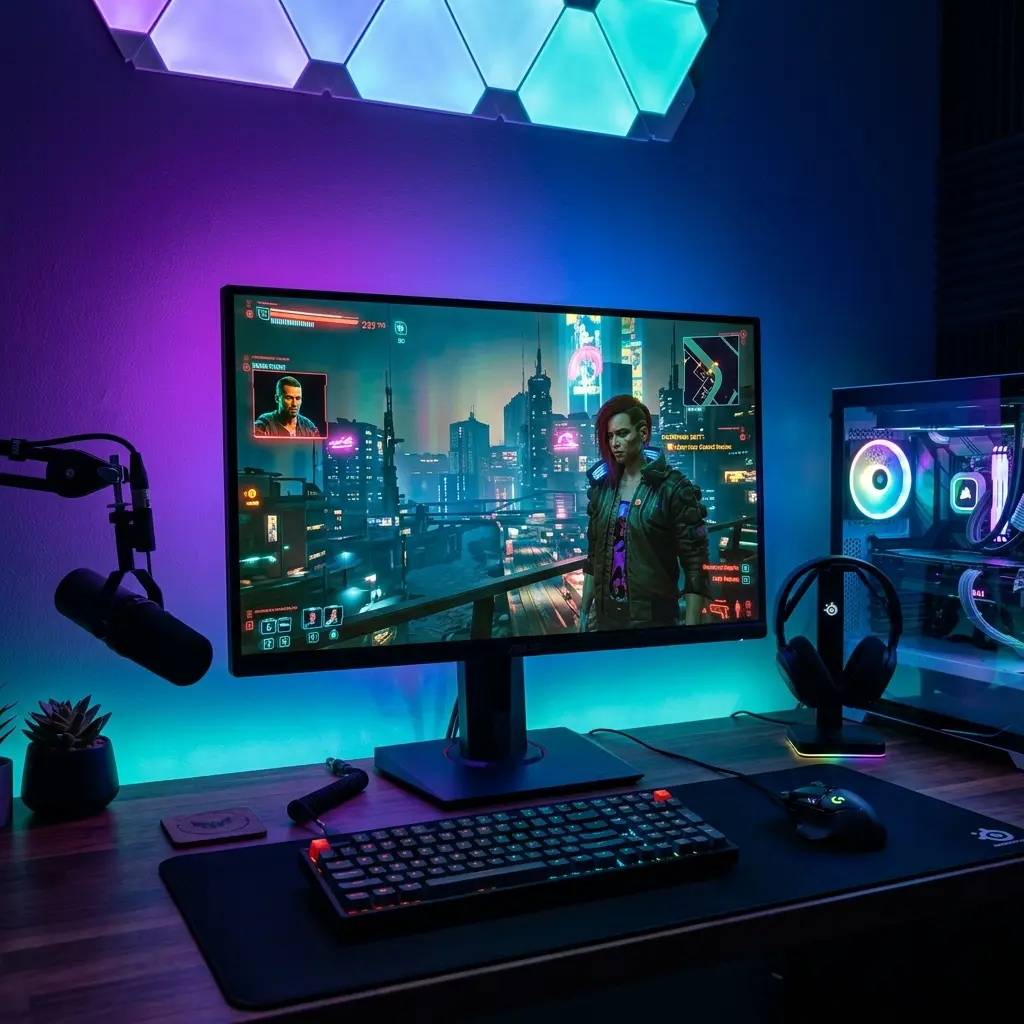
DCI-P3 wide gamut is a color space that enhances color accuracy and vibrancy in monitors, crucial for visual professionals.
Physical Aspects and Resolution
DCI-P3 monitors typically offer resolutions up to 4K, allowing for detailed imagery and superior pixel density.
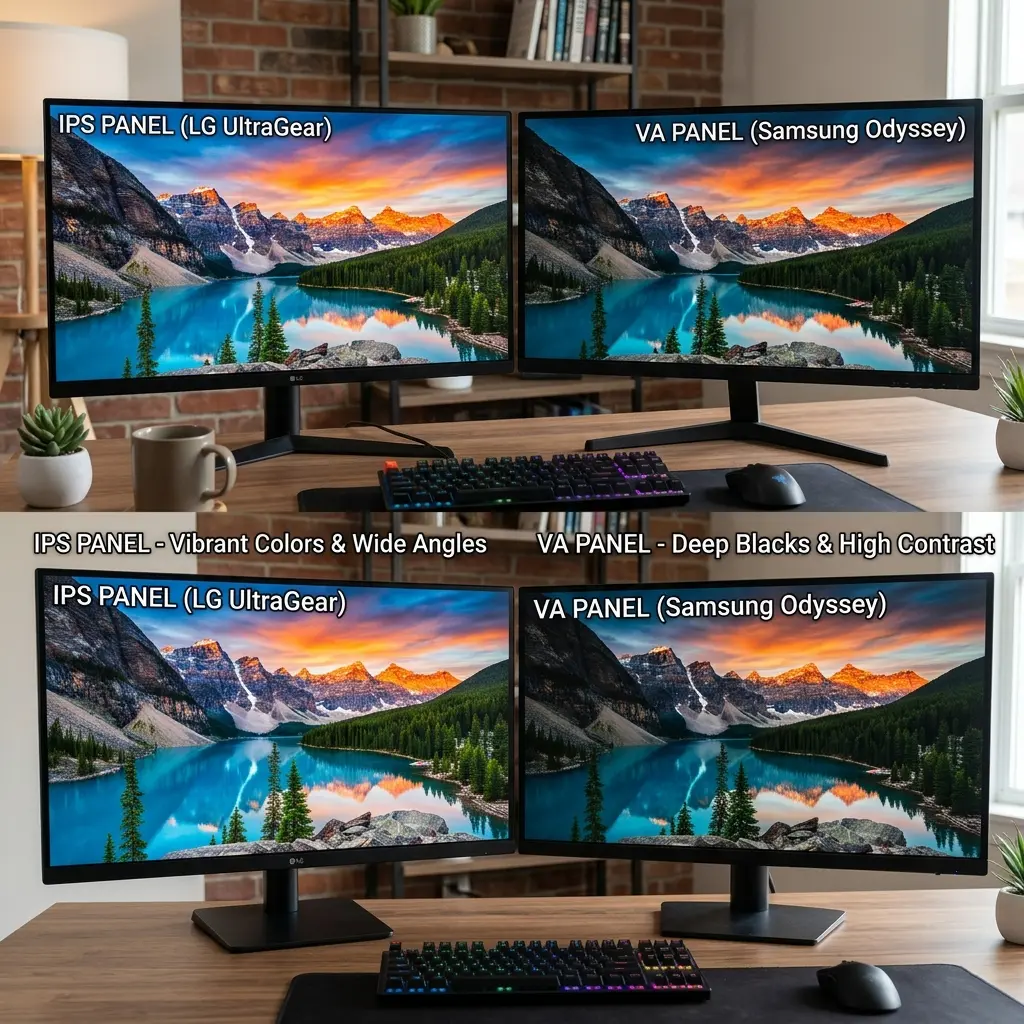
These displays are often equipped with IPS or OLED panels for better color reproduction and viewing angles.
Performance and Technology
DCI-P3 covers a wider color spectrum than sRGB, providing deeper reds and greens for a more vivid experience.
Modern monitors utilize technologies such as HDR to enhance brightness and contrast, making DCI-P3 content more impactful.
Ergonomics and Visual Comfort
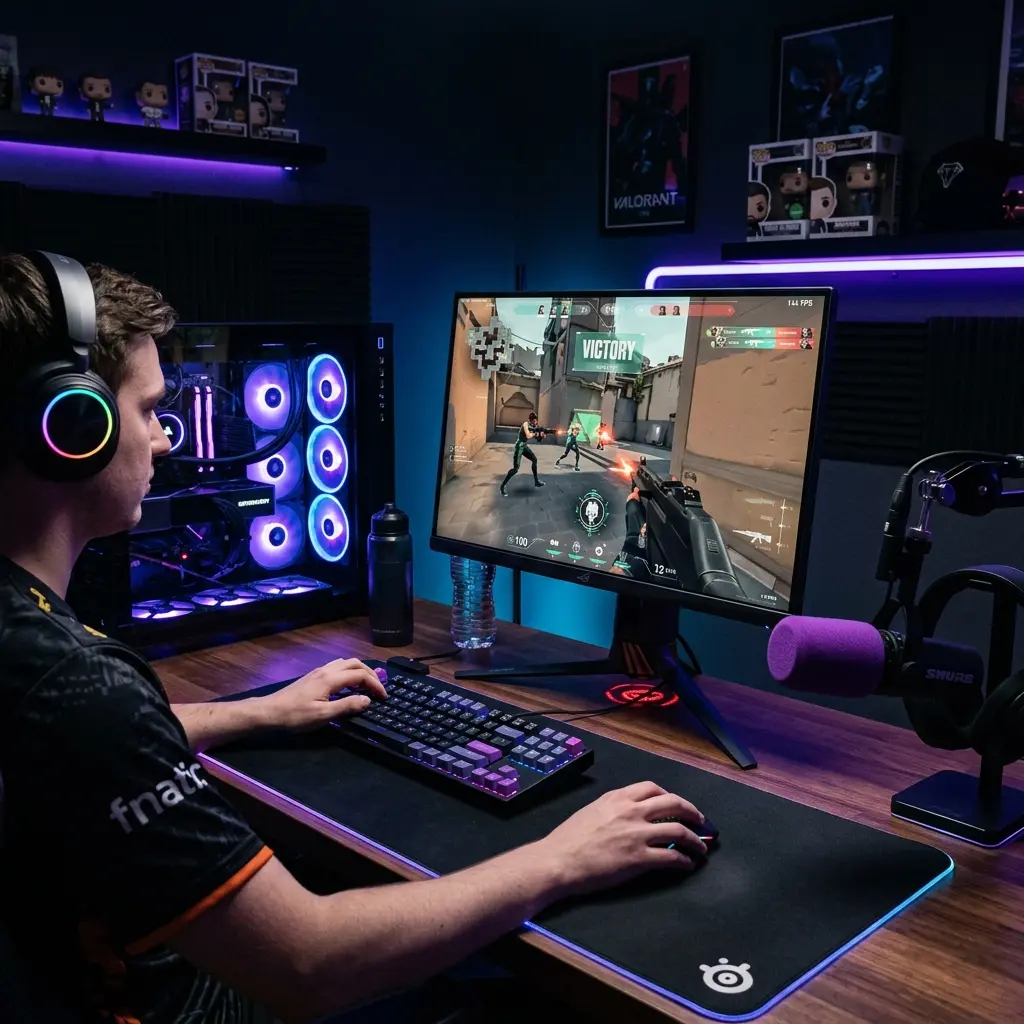
Monitors supporting DCI-P3 often feature adjustable stands and blue light filters to reduce eye strain during prolonged use.
Curved displays may also be employed to enhance immersion and improve the overall viewing experience.
| Brand | Model | Panel Type | Resolution | DCI-P3 Coverage |
|---|---|---|---|---|
| LG | 27GN950-B | IPS | 3840 x 2160 | 98% |
| ASUS | ProArt PA32UCX | Mini LED | 3840 x 2160 | 99% |
| BenQ | PD3220U | IPS | 3840 x 2160 | 95% |
Materials and Durability
High-quality DCI-P3 monitors often utilize premium materials such as aluminum frames and tempered glass for enhanced durability.
These materials contribute to a sleek design while ensuring longevity under daily usage conditions.

DomineTec Tip: Adjust the monitor height so that the top of the screen is at or slightly below eye level to promote better posture.
Buying Recommendations and Brands
When choosing a DCI-P3 monitor, consider factors such as panel type, refresh rate, and connectivity options.

- Determine the primary use: gaming, professional design, or casual use.
- Look for models with at least 95% DCI-P3 coverage.
- Evaluate panel types (IPS for color accuracy, VA for contrast).
- Check for additional features like HDR and adaptive sync technology.
- Read reviews focusing on color accuracy and build quality.
Value Analysis and Verdict
Investing in a DCI-P3 monitor can significantly enhance color accuracy, making it valuable for creatives and gamers alike.
Long-term benefits include improved visual experiences and potential productivity boosts for professional tasks.
Color Accuracy and Calibration
Color accuracy is a critical aspect of DCI-P3 wide gamut displays, impacting how images are represented on screens.
Calibration processes are essential to ensure that monitors can reproduce the intended colors accurately, especially in professional settings.
Tools such as colorimeters and spectrophotometers are often employed to achieve precise calibration, allowing users to adjust color temperature, gamma, and brightness.
Regular calibration is recommended for photographers, videographers, and graphic designers who rely on accurate color representation for their work.
Applications in Content Creation
DCI-P3 wide gamut displays have significant applications in content creation, particularly in film and video production.
These monitors allow creators to visualize their work in a color space that closely matches the final output, enhancing the editing process.
With the increasing use of HDR (High Dynamic Range) content, DCI-P3’s wider color gamut becomes even more relevant in achieving vibrant visuals.
Furthermore, professionals in animation and game development benefit from DCI-P3 as it enhances the realism and color fidelity of their projects.
Impact on Gaming Experience
The gaming industry has begun to embrace DCI-P3 wide gamut monitors, enhancing the overall gaming experience significantly.
Games designed with expansive color palettes can be more immersive when played on displays capable of rendering a broader spectrum of colors.
Additionally, the capability to portray vibrant visuals can lead to a more engaging and visually appealing gameplay environment for users.
As gaming technology continues to advance, the demand for monitors that support DCI-P3 will likely increase, influencing future game design and development.
Comparison with Other Color Spaces
DCI-P3 is often compared with other color spaces, such as sRGB and Adobe RGB, each serving different purposes in visual media.
While sRGB is widely used for web content and general applications, it covers a smaller portion of the color spectrum compared to DCI-P3.
Adobe RGB provides an even larger gamut than sRGB, but it is not as widely supported in consumer displays, making DCI-P3 a favorable compromise.
Understanding these differences helps consumers and professionals select the right monitor for their specific needs and applications.
Future Trends in Display Technology
The evolution of display technology continues to shape how color gamuts like DCI-P3 are utilized and perceived in the market.
Emerging technologies such as OLED and Mini-LED are enhancing color accuracy and brightness levels, making wide gamuts more accessible.
As virtual and augmented reality technologies evolve, the demand for high-fidelity color reproduction will likely increase, pushing DCI-P3 and beyond as industry standards.
Future advancements in display calibration and software will further improve how monitors perform with wide color gamuts, ensuring consistent and accurate reproduction.
Environmental Considerations
As the demand for wide gamut displays rises, so do concerns about their environmental impact and sustainability.
Manufacturers are increasingly focusing on eco-friendly materials and energy-efficient technologies to reduce their carbon footprint.
Choosing monitors that comply with energy efficiency standards can contribute to environmentally conscious consumer choices without sacrificing performance.
Additionally, recycling programs for electronic devices are becoming more important, encouraging responsible disposal and reuse of materials in display technology.
User Experience and Accessibility
DCI-P3 wide gamut monitors also influence user experience and accessibility, making technology more inclusive for diverse audiences.
Displays that can represent a wider range of colors can cater to individuals with color vision deficiencies by providing more distinguishable hues.
Furthermore, enhanced visual quality can reduce eye strain and fatigue, promoting longer use without discomfort.
As manufacturers continue to innovate, prioritizing accessibility features will be essential in making advanced display technologies available to all users.
Impact on Photography and Video Editing
The DCI-P3 color gamut significantly enhances the field of photography and video editing by providing a wider range of colors compared to standard sRGB displays. This allows photographers and videographers to capture and edit images with greater accuracy and vibrancy.
Many professional editing tools and software now support DCI-P3, making it essential for content creators to utilize monitors that can display this color space. This compatibility ensures that the colors seen during the editing process closely match the final output.
Moreover, as digital content consumption increasingly shifts towards high dynamic range (HDR) formats, the importance of DCI-P3 becomes even more pronounced. It plays a crucial role in ensuring that the colors in HDR content are rendered accurately.
Ultimately, utilizing a monitor with DCI-P3 support can lead to enhanced creative possibilities and improved workflow efficiency for photographers and video editors alike.
Integration with HDR Technology
DCI-P3 is often paired with High Dynamic Range (HDR) technology to create a more immersive viewing experience. When combined, they allow for both a broader range of colors and increased contrast, elevating the overall image quality.
HDR content typically utilizes the DCI-P3 color space to deliver richer hues and deeper shadows, enhancing the visual appeal of movies and games. This integration leads to a more lifelike representation of scenes.
As more content is produced in HDR, monitors that support DCI-P3 will become increasingly important for consumers. The ability to display HDR content accurately depends significantly on the monitor's color gamut capabilities.
This synergy between DCI-P3 and HDR not only enhances entertainment experiences but also has implications for professional content production, where color accuracy and dynamic range are paramount.
DCI-P3 in Mobile Devices
DCI-P3 is making significant strides in the mobile device market, with many smartphones and tablets now incorporating displays that support this wide color gamut. This advancement allows users to enjoy more vibrant and accurate colors directly from their handheld devices.
The adoption of DCI-P3 in mobile technology offers content creators the ability to edit and view high-fidelity images on-the-go. This portability is crucial in a world where quick publishing and social media engagement are vital.
As mobile gaming and streaming services continue to grow, the importance of DCI-P3 in mobile devices will increase, providing users with an engaging experience that rivals traditional monitors. This trend reflects a broader industry movement towards higher quality visuals across various platforms.
In the future, we can expect even more devices to embrace DCI-P3, further blurring the lines between professional-grade monitors and consumer electronics.
Educational Tools and Training
The DCI-P3 color space is becoming a vital component in educational tools and training programs related to art, design, and media production. By understanding and utilizing DCI-P3, students can develop a stronger foundation in color theory and its practical applications.
Many institutions are adopting DCI-P3-compliant monitors in their labs and classrooms to provide students with an accurate representation of industry standards. This exposure prepares students for professional environments where color accuracy is essential.
Workshops and online courses focused on photography, videography, and graphic design are increasingly emphasizing the importance of DCI-P3 in their curricula. This trend highlights the demand for professionals who can work comfortably within this color space.
As educational institutions recognize the significance of wide color gamuts, it's likely that DCI-P3 will become a standard in teaching color management and production techniques.
Market Trends and Consumer Awareness
Consumer awareness regarding the benefits of DCI-P3 is gradually increasing, influencing purchasing decisions in the monitor market. More individuals are seeking displays that offer enhanced color reproduction for both personal and professional use.
The rise of digital content creation has led to a greater emphasis on color accuracy, prompting consumers to prioritize monitors that support DCI-P3. This trend is evident in reviews and product comparisons, where color gamut is frequently highlighted as a key feature.
As manufacturers respond to this consumer demand, we can expect a wider range of DCI-P3-capable monitors to become available at various price points. This accessibility will allow more users to experience the benefits of wide color gamuts.
In conclusion, the growing awareness of DCI-P3 among consumers is shaping the monitor market, pushing manufacturers to innovate and provide better color performance in their products.
Color Gamut and Its Impact on Visual Storytelling
The DCI-P3 color gamut significantly enhances visual storytelling by providing a broader range of colors than traditional sRGB. This wider spectrum allows filmmakers and content creators to convey emotions and themes more effectively through color.
In cinematic presentations, the DCI-P3 gamut contributes to richer, more immersive experiences. Colors that were previously muted or oversaturated in sRGB can now be depicted with greater fidelity, making scenes more realistic and engaging.
Furthermore, utilizing the DCI-P3 standard can help maintain consistency across various platforms and devices. As content moves from production to distribution, ensuring that the intended colors are preserved is crucial for maintaining the narrative's integrity.
The adoption of DCI-P3 in visual media also encourages innovation in storytelling techniques. Creators can experiment with color grading and lighting, knowing they have a more extensive palette at their disposal to enhance visual narratives.
Challenges in Implementing DCI-P3 in Various Industries
Despite its advantages, implementing DCI-P3 in various industries presents several challenges. One significant hurdle is the need for compatible hardware and software to accurately display the wider color gamut.
Many existing monitors and devices are still calibrated primarily for sRGB, leading to potential discrepancies in color representation. This misalignment can result in a mismatch between the creator's vision and the audience's viewing experience.
Additionally, the adoption of DCI-P3 requires a shift in workflow for professionals in fields like graphic design and video production. Training and resources must be allocated to familiarize teams with the new standards and practices associated with this color space.
Finally, industries must also consider the costs associated with upgrading equipment and software to support DCI-P3. Balancing budget constraints while striving for high-quality color accuracy can be a daunting task for many organizations.
DCI-P3 and Its Role in Virtual Reality
The integration of DCI-P3 color space in virtual reality (VR) displays is becoming increasingly critical as the technology advances. VR environments require a high level of color accuracy and vibrancy to create immersive experiences that feel true to life. The wide gamut of DCI-P3 allows for richer colors, making virtual worlds more engaging and realistic.
VR applications in gaming, education, and training benefit significantly from the enhanced color representation provided by DCI-P3. With a broader range of colors, users can experience subtler differences in hues and shades, which are crucial for tasks such as object recognition and environmental interaction. This capability can lead to improved performance in training simulations, where precision is vital.
Moreover, the adoption of DCI-P3 in VR headsets can also impact user comfort and satisfaction. A more vibrant and accurate color palette can reduce eye strain and enhance the overall visual experience, encouraging longer usage periods without discomfort. As VR applications continue to evolve, the role of DCI-P3 will likely become even more prominent.
As manufacturers strive to deliver higher-quality VR headsets, understanding the implications of DCI-P3 on display technology will be essential. Future developments may involve further enhancements to color reproduction, ultimately leading to even more lifelike virtual experiences.
DCI-P3 in Professional Photography Workflows
The implementation of DCI-P3 color space in professional photography workflows is increasingly recognized for its benefits in color grading and post-production. Photographers and editors can leverage the wider gamut to ensure that their images are represented more accurately across various devices and media. This is particularly important for projects intended for cinematic releases or high-quality prints.
Using DCI-P3 allows photographers to capture and edit images with a color space that closely aligns with the standards used in the film industry. This alignment facilitates a smoother transition from capture to display, ensuring that the final product maintains the intended look and feel. By adopting DCI-P3, photographers can achieve consistency in their work, reducing the risk of color shifts that may occur when moving between different displays.
Additionally, DCI-P3's enhanced color range enables more creative possibilities during the editing process. Photographers can manipulate colors with greater precision, resulting in more vibrant and dynamic images. This is particularly advantageous for genres such as landscape and portrait photography, where color plays a pivotal role in conveying mood and emotion.
As more photographers recognize the advantages of DCI-P3, camera manufacturers may increasingly incorporate this color space into their products. This trend could further elevate the standards of photography, pushing professionals to produce work that not only meets but exceeds current expectations in visual storytelling.
Frequently Asked Questions
What is the difference between DCI-P3 and sRGB?
DCI-P3 encompasses a wider color range than sRGB, supporting more vibrant and accurate colors.
Do all monitors support DCI-P3?
No, only specific models designed for professional or high-end consumer use offer DCI-P3 coverage.
Is DCI-P3 important for gaming?
Yes, DCI-P3 enhances the visual experience in games, providing richer colors and more immersive environments.
How can one verify DCI-P3 coverage?
Specifications from manufacturers typically indicate DCI-P3 coverage, which can also be verified through color calibration tools.
Are DCI-P3 monitors more expensive?
Generally, DCI-P3 monitors have a higher price point due to advanced technology and better color performance.




