What is 3D Print Warping? How to Prevent Edges and Corners Lifting
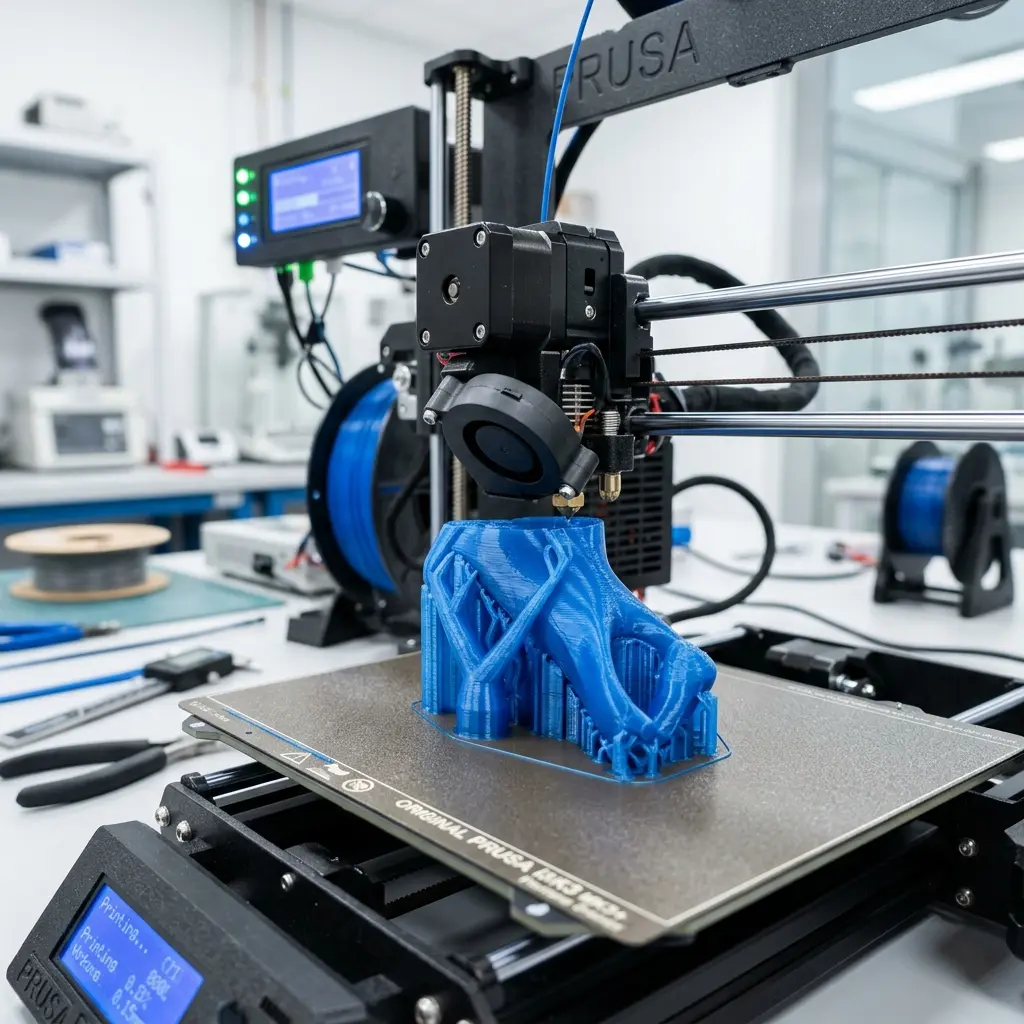
3D print warping refers to the distortion that occurs during the printing process, primarily causing edges and corners to lift. This phenomenon can lead to misalignment, poor adhesion, and overall print failure. Warping often happens when the material cools unevenly, causing different parts of the print to contract at varying rates.
Understanding 3D Print Warping
Warping is a common issue in 3D printing, occurring when the printed material contracts while cooling. This contraction can lead to edges and corners lifting from the print bed, resulting in a distorted object.
The primary causes of warping include temperature fluctuations, inadequate bed adhesion, and the properties of the filament used. Different materials exhibit varying degrees of warping, making it crucial to understand the behavior of specific filaments.
Factors Contributing to Warping
Several factors can contribute to the warping of 3D prints. Understanding these factors helps in devising effective prevention strategies.
Cooling rates play a significant role. If the cooling is too rapid, particularly in the first few layers, the material may contract unevenly, leading to warping.
Bed adhesion is critical. Insufficient adhesion can cause parts of the print to lift away from the surface. Additionally, the type of filament can influence warping tendencies, with materials like ABS being more prone to warping compared to PLA.
Preventing Warping: Essential Techniques
Several techniques can be employed to minimize or prevent warping in 3D prints. Implementing these techniques will lead to higher-quality prints and reduced material waste.
One effective method is ensuring that the print bed is properly leveled. An uneven surface can exacerbate adhesion problems, increasing the likelihood of warping.
The use of heated beds can significantly reduce warping, especially for materials that are more susceptible to contraction. Maintaining an optimal temperature helps keep the filament pliable during the initial layers.
Choosing the Right Filament
Filament selection plays a crucial role in managing warping issues. Different materials behave differently under temperature changes, which can impact the final print quality.
For example, PLA is known for its ease of use and low warping characteristics. In contrast, ABS is more challenging due to its tendency to warp, especially in larger prints.
Comparing materials can help users choose the right filament for their specific 3D printing needs.
| Filament | Warping Tendency | Recommended Print Temperature | Bed Temperature |
|---|---|---|---|
| PLA | Low | 180-220°C | 20-60°C |
| ABS | High | 210-250°C | 80-110°C |
| PETG | Medium | 220-260°C | 70-80°C |
Improving Bed Adhesion
Enhancing bed adhesion is vital in reducing warping. Various methods can be implemented to improve this aspect.
Using adhesive aids such as glue sticks, hairspray, or specialized adhesives can help the first layer adhere more effectively. Additionally, textured print surfaces or build plates specifically designed for 3D printing can enhance adhesion.
Regularly cleaning the print bed ensures that no contaminants interfere with adhesion. A clean surface allows for better bonding of the first layer to the bed.
Utilizing Proper Print Settings
Adjusting print settings can have a significant impact on warping. Specific settings should be fine-tuned to achieve optimal results.
Reducing the print speed, especially for the first few layers, can allow the material to adhere better to the print bed. Slower speeds provide more time for the filament to bond with the surface.
Increasing the first layer's height can also help with adhesion. A thicker first layer allows for more material to adhere to the bed, reducing the chances of warping.
Advanced Techniques for Warping Prevention
For those seeking advanced solutions, several techniques can further mitigate warping. These methods may require additional equipment or setup but can yield excellent results.
Using an enclosure can help maintain a stable temperature around the print, reducing the likelihood of warping. Enclosures are particularly beneficial for materials known to warp, such as ABS.
Another advanced technique involves modifying the print design itself. Adding features like brim or raft can provide additional surface area for adhesion, thereby reducing warping.
Step-by-Step Process to Minimize Warping
- Ensure the print bed is level and clean.
- Select the appropriate filament for the project.
- Utilize a heated bed set to the recommended temperature.
- Apply adhesive aids to enhance bed adhesion.
- Adjust print settings, including speed and first layer height.
- Consider using an enclosure for temperature stability.
Checklist for Warping Prevention
- Check the level of the print bed.
- Clean the print surface thoroughly.
- Confirm that the correct filament is being used.
- Adjust the bed temperature according to filament specifications.
- Use adhesive aids where necessary.
- Modify print settings for optimal adhesion.
- Consider design modifications (e.g., brims, rafts).
- Maintain consistent environmental conditions.
Frequently Asked Questions
What materials are most prone to warping during 3D printing?
Materials like ABS and Nylon are particularly prone to warping due to their high thermal contraction rates. In contrast, PLA exhibits low warping characteristics, making it user-friendly.
How can I tell if my print is warping?
Signs of warping include lifted edges or corners, uneven surfaces, and a curved or twisted final product. Observing these issues during printing can help identify the problem early.
Can I prevent warping completely?
While it is challenging to eliminate warping entirely, implementing proper techniques and settings can significantly reduce its occurrence. Awareness and proactive measures are essential.
Is a heated bed necessary for all 3D prints?
A heated bed is not always necessary, but it is highly recommended for materials prone to warping. For PLA, a heated bed can enhance adhesion and print quality.
What role does the first layer play in preventing warping?
The first layer is crucial for print adhesion. Ensuring it adheres well to the print bed can prevent lifting and warping throughout the printing process.
Conclusion
Understanding and preventing warping is essential for achieving high-quality 3D prints. By employing the strategies outlined in this article, users can significantly reduce the occurrence of warping.
Filament selection, bed leveling, temperature control, and print settings are all crucial elements that contribute to print success. Incorporating advanced techniques can further enhance print integrity.
Regular maintenance and awareness are key components in the battle against warping, ensuring that each print meets the desired specifications.




